

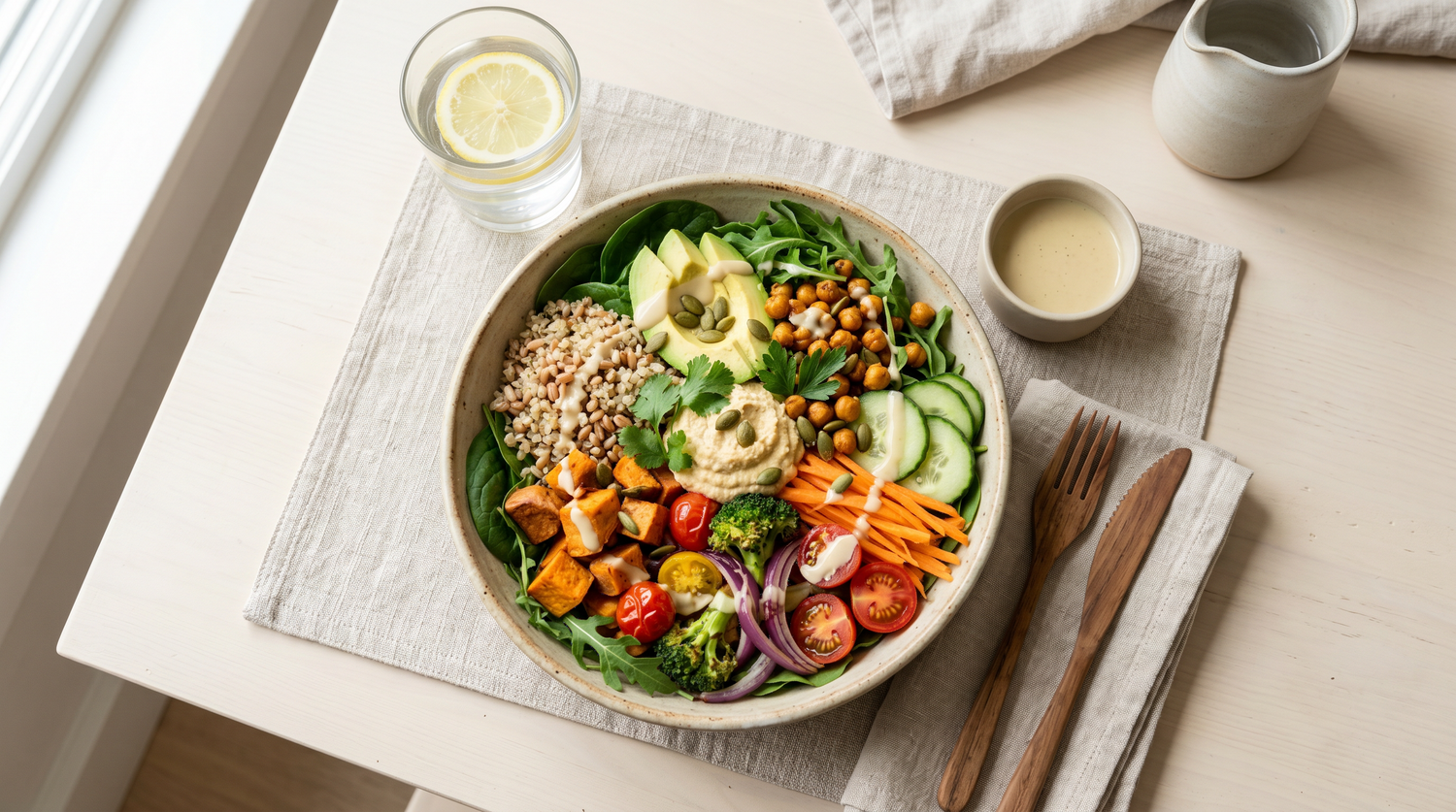
Fatigue after lunch mainly arises from rapid blood sugar fluctuations, large meals, and certain nutrient combinations. The dreaded "afternoon slump" effect is no coincidence: your body reacts to processed carbohydrates, excessive portions, and a lack of fiber-rich foods with an energy drop that can significantly impair your productivity and concentration.
Why do I get so tired after lunch?
The afternoon slump is a complex interplay of several physiological mechanisms. When you eat a carbohydrate-rich meal—such as pasta, white bread, or rice—your blood sugar rises quickly. Your body then releases insulin to transport the sugar from the blood into the cells. This process often leads to a rapid drop in blood sugar, which manifests as sudden fatigue.
Additionally, a large meal activates your parasympathetic nervous system—the part responsible for "rest and digestion." More blood flows to the digestive tract, leaving less available for your brain. The result: you feel sleepy and unfocused.
Another often overlooked factor is the composition of gut bacteria. A recent study from Stanford University by Wastyk et al. (2021) showed that higher microbiome diversity is associated with better metabolic function and more stable energy levels.1 Fermented foods significantly increased the diversity of gut bacteria in this randomized controlled study—a mechanism that can also dampen energy fluctuations after meals.
How does meal size affect my energy?
Portion size plays a crucial role in the onset of tiredness after eating. Large meals require more digestive work, which diverts more blood and energy from the rest of the body. Your cardiovascular system focuses on the gastrointestinal tract while your brain has to manage with less oxygen and nutrients.
Smaller, more frequent meals keep blood sugar levels more stable and avoid extreme strain on the digestive system. Many people report feeling significantly less afternoon fatigue after switching from three large meals to five smaller ones per day.
💡 Tip: Use smaller plates or split your usual lunch portion into two halves. Eat the second half 2–3 hours later as a snack.
What role do carbohydrates and proteins play?
Not all carbohydrates are the same. Simple carbohydrates from white bread, sweets, or sugary drinks are quickly digested and lead to the described blood sugar spikes and crashes. Complex carbohydrates from whole grains, legumes, or vegetables are broken down more slowly and provide a steadier energy flow.
Proteins play a key role in stabilizing blood sugar levels. They slow the absorption of carbohydrates and help you feel full longer. A study in sports nutrition (Kalafati et al., 2010) showed that protein-rich supplements with spirulina not only improved endurance but also reduced oxidative stress – a factor that can also contribute to fatigue. 2
The European Food Safety Authority (EFSA) confirms that Vitamin C contributes to the reduction of tiredness and fatigue.3 So, if you combine a protein-rich meal with vitamin C-containing foods like bell peppers or broccoli, you optimally support your body.
7 Concrete Tips Against the Afternoon Slump
1. Focus on Complex Carbohydrates and Proteins
Replace white bread with whole grain bread, white pasta with whole grain or lentil pasta. Combine every meal with a protein source: chicken, fish, tofu, legumes, or eggs. This combination stabilizes your blood sugar levels and prevents rapid energy drops.
2. Reduce Portion Sizes
Smaller meals put less strain on your digestive system. Try reducing your lunch portion by about one-third and plan a nutrient-rich snack for the afternoon. This could be a handful of nuts, Greek yogurt with berries, or vegetable sticks with hummus.
3. Drink Enough Water
Dehydration is a common but underestimated cause of fatigue. Drink at least 2 liters of water throughout the day. A glass of water about 30 minutes before lunch can also help prevent overeating.
4. Incorporate Fiber-Rich Foods
Fiber slows digestion and stabilizes blood sugar. Vegetables, whole grains, legumes, and nuts are excellent sources. The previously mentioned Stanford study also showed that fiber-rich, fermented foods like sauerkraut and kimchi increase gut bacteria diversity – which in turn correlates with more stable energy. 1
🌱 Pure Greens – Your Daily Nutrient Foundation
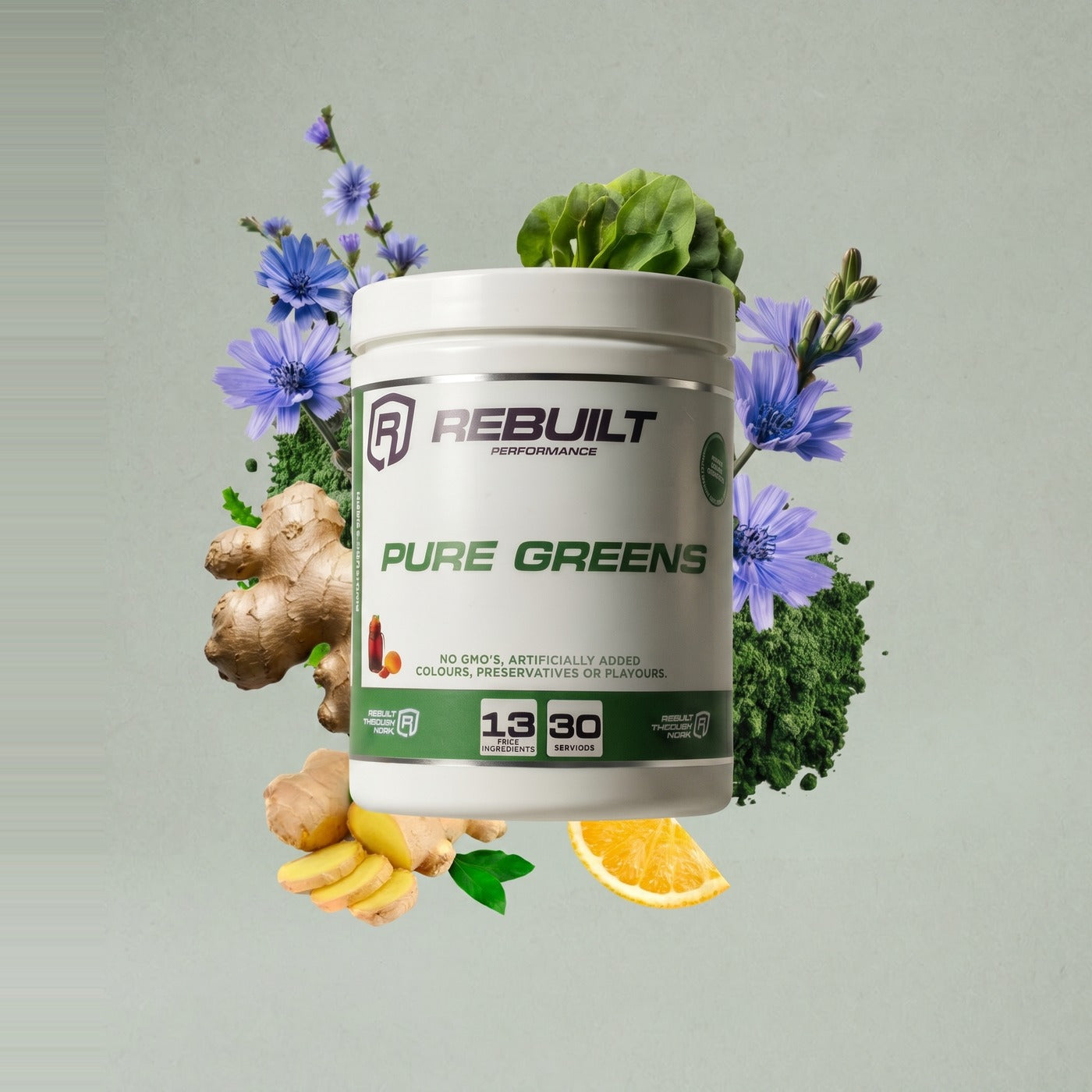
Pure Greens contains a carefully balanced blend of spirulina, chlorella, and barley grass – combined with vitamin C, which according to EFSA helps reduce tiredness and fatigue.3 Inulin from chicory (a prebiotic fiber) also supports gut health.
✓ With vitamin C against fatigue3
✓ Prebiotic inulin for digestion
✓ Spirulina from controlled cultivation
✓ Easy to stir into water or smoothies
5. Move after eating
A short 10–15 minute walk after lunch can work wonders. Physical activity promotes circulation, aids digestion, and prevents your body from entering "rest mode." Studies show that even light physical activity lowers blood sugar levels after eating and improves insulin sensitivity.
6. Avoid sugary drinks and desserts
Sodas, sweetened juices, or sugary desserts immediately after meals dramatically increase blood sugar effects. If you crave something sweet, reach for a piece of fruit or a small piece of dark chocolate (at least 70% cocoa).
7. Optimize your sleep hygiene
Chronic fatigue often has its roots in poor nighttime sleep. A study with spirulina supplementation showed that participants not only experienced less stress but also reported improved sleep quality.4 Maintain regular sleep times, avoid screens an hour before bedtime, and keep your bedroom cool and dark.
What does science say about spirulina and energy?
Spirulina, a blue-green microalga, has been studied for years regarding its effects on fatigue and endurance. A randomized controlled trial (PMID: 26888417) showed that spirulina supplementation significantly reduced both mental and physical fatigue.5 Another study (PMID: 34107141) found that participants taking spirulina not only experienced less stress but also reported better sleep quality.4
The Kalafati study (2010) demonstrated that spirulina reduces oxidative stress and increases endurance during physical exertion – mechanisms that can also lead to more stable energy in everyday life.2
Pure Greens combines these benefits: The included spirulina provides a broad spectrum of nutrients, while vitamin C is approved by EFSA to help reduce tiredness and fatigue.3 The prebiotic inulin from chicory additionally supports gut health – a factor that, according to the Stanford study, can indirectly influence energy stability.1
What role does the microbiome play in energy levels?
Your gut hosts trillions of bacteria that play a central role in digestion, nutrient absorption, and even neurotransmitter regulation. The aforementioned Stanford study (Wastyk et al., 2021) impressively showed that fermented foods increase microbiome diversity and are associated with better metabolic health.1
A healthy, diverse microbiome processes food more efficiently, produces fewer inflammatory metabolic products, and can even influence the production of neurotransmitters like serotonin. Prebiotic fibers like inulin (found in Pure Greens) serve as "food" for these beneficial bacteria.
💡 Did you know? People who regularly eat fermented foods (sauerkraut, kimchi, kefir) more often report stable energy throughout the day. The Stanford study provides the scientific basis for this observation.1
Is there a connection to GLP-1 therapies?
Some people using GLP-1 receptor agonists for weight loss report digestive issues such as constipation and bloating, which can also lead to energy loss. A scientific review (PMC9821052) discusses these side effects and emphasizes the importance of a fiber-rich diet and targeted supplementation.6
Mozaffarian et al. (2025) examined the optimal dietary strategy during GLP-1 therapy in a recent study published in the American Journal of Clinical Nutrition and recommended a diet rich in fiber, protein, and micronutrients to minimize side effects and maximize therapy efficiency.7
Here, inulin from chicory (found in Pure Greens) can also be a useful supplement as it supports digestive health and positively influences the microbiome.
Frequently Asked Questions (FAQ)
Why do I get tired after lunch but not after breakfast?
Lunch is often higher in carbohydrates and larger than breakfast. Additionally, your circadian rhythm is programmed so that alertness naturally decreases between 1 and 3 p.m. The combination of a large meal and natural biorhythm increases tiredness.
Does coffee help with the afternoon slump?
Coffee can help temporarily but often only masks the symptoms. If you consume too much caffeine, it can affect your sleep in the long term and increase tiredness the next day. It’s better to address the causes: meal size, composition, and physical activity.
Can tiredness after eating be a sign of diabetes?
Extreme, recurring fatigue after carbohydrate-rich meals may indicate insulin resistance or prediabetes. If the fatigue is very pronounced and accompanied by other symptoms like frequent thirst or urination, you should consult a doctor.
How long does the afternoon slump usually last?
For most people, the afternoon slump lasts 30 minutes to 2 hours. The duration depends on the meal, portion size, and your individual metabolism. With the right strategies, the intensity can be significantly reduced.
Should I skip lunch entirely?
That is not a sustainable solution. Your body needs regular energy and nutrients. It’s better to adjust the meal: smaller portion, more protein, complex carbohydrates, and fiber. Intermittent fasting can work for some people but should be tailored individually.
Can Pure Greens help with afternoon fatigue?
Pure Greens contains Vitamin C, which according to EFSA helps reduce tiredness and fatigue.3 Spirulina has been studied for its effects against
Energy starts with the right supply
You just read why the afternoon slump happens and what really helps – meals, sleep, and a nutrient-rich diet. This is exactly where Pure Greens comes in: one scoop in the morning provides, among other things, Vitamin C that helps reduce tiredness and fatigue, plus 13 carefully selected ingredients.
Tired throughout the day?
Your morning starts with one scoop.
13 carefully selected ingredients in one jar – with Vitamin C that helps reduce tiredness and fatigue. No grassy taste. No subscription.
- ✓ One scoop in the morning – ready in 10 seconds
- ✓ Vitamin C helps reduce fatigue
- ✓ 13 ingredients · no artificial flavors · made in Germany
Ingredients
Fatigue
Start today – the 3rd can is on us
Only for new customers: Buy 3 cans, pay for 2 – plus free shipping.
3 for 2
- ✓ 90 servings – the 3rd can free
- ✓ Free shipping · No subscription

Not ready for 3 yet?
No problem. Start with a single can and find out at your own pace if Pure Greens suits you – with no commitment.
Join over 1,000 satisfied customers
Tastes mild – no grassy taste.
I always hated Greens powder because of the taste. This one is mild and pleasant. My wife now drinks it too.
Finally one I like to drink.
I had tried several Greens – all tasted like grass. This one is mild and fruity, I really enjoy drinking it.
Tastes really good.
All vegetables in one glass – and it tastes really good too. Very satisfied.
Greens and Reds – both delicious.
I tried both, both are tasty and easy to drink. Reds in the morning, Greens in the evening.
Great product and personal service.
Tastes good and fits well into everyday life. Plus a really personal service.
Fantastic taste, easy to mix.
Only positive experiences with the powder – great taste and it mixes effortlessly.
Very satisfied.
The taste is really good. I'm generally a big fan of good supplements.
Fast delivery and great taste.
Fast delivery and really good taste. I've only been using it for a few days.
A delicious product.
Good taste, fast delivery, and good feedback. Overall a good experience.
Fast delivery.
Quick delivery, so we could get started right away. Tastes good and has already become a good habit.
Good product.
So far the product fully meets expectations. Good taste, easy to mix.
Pure Greens tastes really good.
Pure Greens tastes really good and fits perfectly into the morning routine.
Tasty.
Super tasty and really good flavor – both Greens and Reds.
Fast delivery.
Fast delivery. Tastes good, and there’s a good instruction included.
Fast delivery, tastes good.
Super fast delivery and the product tastes really good.
Look forward to it every morning.
I’ve been taking Pure Greens and Pure Reds for a week and look forward to it every morning. Tastes good.
Lovely raspberry flavor.
Pure Reds has become part of my morning routine – with its lovely raspberry flavor, a fresh start.
Fine taste, good delivery.
Fine taste, fast service. I’ve only been using it a short time, but so far top.
Testimonials in videos or other promotional material may include people who have received compensation, free products, or other incentives.
What our customers say
Fast delivery and really good taste
Fast delivery and really good taste 👌
Fine taste, fast delivery
Fine taste and fast service – so far completely satisfied.
Tasty and quickly delivered
Fast delivery and a tasty product.
Honest about the taste
You have to get used to the taste briefly, but the delivery was fast and hassle-free.
Top customer service
There was a small error in my order, but customer service fixed it super quickly.
Consistently good quality
Fast delivery and always the same good quality.
Trustworthy
Trustworthy product and good communication regarding shipping.
Smooth
Order arrived on time, updates by email – an all-around smooth experience.
No subscription obligation
Nice that I can decide myself when the next delivery comes.
Great experience
Great experience from start to finish.
Excellent
An excellent product – and friendly service as well.
Long-time user
Fantastic products. Have been using them for a long time and am still impressed.

