

Brain fog — that feeling of mental sluggishness, loss of concentration, and fuzzy thoughts — affects more and more people. If you wonder why your head feels like it’s wrapped in cotton and you struggle with even simple tasks, you are not alone. Brain fog is not a disease itself but a symptom complex triggered by various factors — from sleep deprivation and chronic stress to nutrient deficiencies and inflammatory processes in the body.
What exactly is brain fog?
Brain fog describes a state of mental cloudiness in which clear thinking, concentration, and memory performance are impaired. Those affected report:
- Difficulty concentrating or organizing thoughts
- Forgetfulness and slowed information processing
- Fatigue despite sufficient sleep
- Word-finding difficulties and mental exhaustion
The causes are diverse: chronic stress, sleep disorders, nutritional deficiencies, hormonal fluctuations, chronic inflammation, or the consequences of an infection can trigger brain fog. Certain medications or GLP-1-based therapies can also cause cognitive impairments as side effects.1
Why does brain fog occur?
Our brain depends on a constant supply of oxygen, glucose, and certain micronutrients. When this balance is disturbed, cognitive performance suffers. Chronic stress leads to the release of cortisol, which in the long term impairs hippocampus function — the area of the brain responsible for memory and learning.
Oxidative stress also plays a central role: free radicals can damage cell structures in the brain and promote inflammatory processes. At the same time, micronutrient deficiencies — especially B vitamins, magnesium, vitamin C, and iron — can impair neuronal function.
7 specific tips that really help against brain fog
1. Optimize your sleep
Sleep is the most important regeneration phase for the brain. During deep sleep, waste products are removed from the brain and memory contents are consolidated. Chronic sleep deprivation leads to cognitive impairments that worsen brain fog.
Specific measures:
- Maintain regular sleep times — even on weekends
- Avoid screens 60 minutes before bedtime
- Ensure a cool, dark sleeping environment (16–18 °C)
- Use relaxation techniques such as progressive muscle relaxation or breathing exercises
A study showed that supplementation with spirulina can significantly improve sleep quality and reduce subjective stress levels.2
2. Reduce oxidative stress through targeted nutrition
Oxidative stress occurs when free radicals overwhelm the body's antioxidant defense mechanisms. The brain is particularly vulnerable because it has a high oxygen consumption.
Nutrients that help:
- Vitamin C helps protect cells from oxidative stress and contributes to the reduction of tiredness and fatigue3
- Vitamin A and zinc contribute to normal immune system function4
- Spirulina: A randomized controlled trial showed that Spirulina reduces oxidative stress and increases athletic endurance5
Pure Greens — Support your mental clarity
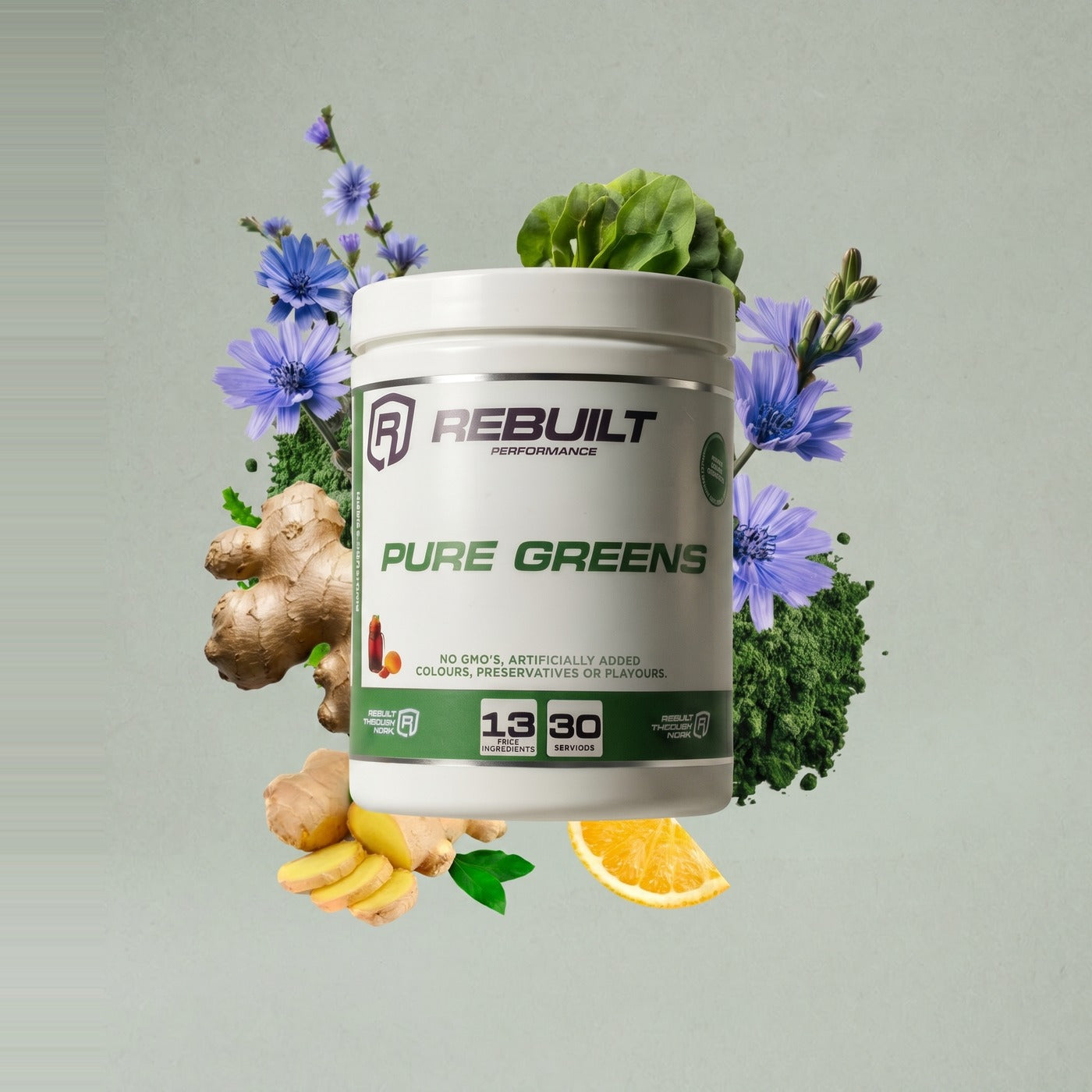
Pure Greens combines Spirulina, Chlorella, barley grass, wheatgrass, and 11 other nutrient-rich plant extracts. With vitamin C, which helps reduce tiredness and fatigue, and vitamin A and zinc, which contribute to normal immune system function.3,4
Discover Pure Greens now3. Stabilize your blood sugar levels
Strong blood sugar fluctuations lead to energy crashes and cognitive impairments. When blood sugar drops rapidly, the brain lacks its primary energy source.
This is how you stabilize your blood sugar:
- Eat regular, protein-rich meals with complex carbohydrates
- Avoid highly processed foods and isolated sugars
- Always combine carbohydrates with fat and protein
- Incorporate fiber-rich foods such as vegetables, legumes, and whole grains
With GLP-1-based therapies (e.g., for weight loss), an adapted nutritional strategy can be especially important. A 2025 review published in The American Journal of Clinical Nutrition emphasizes the role of a balanced diet during GLP-1 therapy to minimize side effects and support cognitive function.6
4. Increase your intake of B vitamins
B vitamins, especially B6, B9 (folate), and B12, are essential for neurotransmitter synthesis and energy production in the mitochondria. A deficiency can lead to cognitive impairments, fatigue, and brain fog.
Good sources of B vitamins:
- B12: meat, fish, eggs, fortified plant-based drinks
- B6: chicken, fish, potatoes, chickpeas
- Folate: green leafy vegetables, legumes, avocado
5. Move regularly — but don’t overdo it
Moderate exercise promotes blood flow to the brain, stimulates neurogenesis (the formation of new nerve cells), and improves cognitive function. However, excessive training without adequate recovery can increase oxidative stress and worsen brain fog.
Recommended activities:
- 30 minutes of moderate exercise (e.g., walking, cycling) on most days of the week
- Strength training 2–3 times per week to improve insulin sensitivity
- Yoga or Tai Chi for stress reduction
A randomized controlled trial showed that taking Spirulina for four weeks reduced mental and physical fatigue and improved subjective endurance.7
6. Support your gut health
The gut-brain axis is a bidirectional communication system between the gut and brain. Dysbiosis (imbalance of gut bacteria) can promote inflammation that affects the brain via the vagus nerve and systemic inflammatory markers.
Measures for gut health:
- Eat fermented foods like sauerkraut, kimchi, kefir, or natural yogurt
- Increase your fiber intake through vegetables, legumes, and whole grains
- Inulin from chicory contributes to normal bowel function by increasing stool frequency8
A Stanford study by Wastyk et al. (2021), published in Cell, showed that consuming fermented foods increases microbiome diversity and lowers inflammation markers.9
7. Actively manage your stress
Chronic stress is one of the main triggers of brain fog. Elevated cortisol levels impair hippocampus function and disrupt neurotransmitter balance.
Stress management strategies:
- Daily mindfulness meditation (10–15 minutes)
- Breathing techniques like the 4-7-8 method
- Regular breaks during work (e.g., Pomodoro technique)
- Social support and interaction with friends or family
When should you seek medical advice?
If brain fog persists for several weeks despite lifestyle adjustments or is accompanied by other symptoms (e.g., severe fatigue, weight changes, digestive problems, depressive mood), you should seek medical advice. Brain fog can also be a symptom of underlying conditions such as:
- Thyroid dysfunctions
- Chronic fatigue syndrome (ME/CFS)
- Autoimmune diseases
- Nutrient deficiencies (e.g., iron, vitamin B12, vitamin D)
- Post-infection syndromes
Pure Greens — nutrient density for more clarity
Pure Greens provides 15 carefully selected plant extracts, including spirulina, chlorella, barley grass, and wheatgrass. Vitamin C helps reduce tiredness and fatigue and protects cells from oxidative stress. Vitamin A and zinc contribute to the normal function of the immune system.3,4
Discover Pure GreensFrequently asked questions about brain fog
What most commonly causes brain fog?
The most common causes of brain fog are chronic stress, lack of sleep, nutrient deficiencies (especially B vitamins, iron, magnesium), blood sugar fluctuations, dehydration, and chronic inflammation. Hormonal changes or the aftermath of infections can also trigger brain fog.
Can nutrition really influence brain fog?
Yes, definitely. A balanced diet with sufficient micronutrients, stable blood sugar levels, and antioxidant plant compounds supports cognitive function. Vitamin C helps reduce fatigue and protects cells from oxidative stress.3 Gut health also plays an important role through the gut-brain axis.
How long does it take for brain fog to disappear?
It varies individually and depends on the underlying cause. Symptoms may improve within a few days with sleep deprivation or acute stress. With chronic nutrient deficiencies or hormonal imbalances, it may take several weeks to notice improvement.
Does caffeine help against brain fog?
Caffeine can temporarily increase alertness but does not address the underlying causes of brain fog. Excessive caffeine intake can cause sleep disturbances, anxiety, and dependence, which can worsen brain fog in the long term. Moderate amounts (up to about 300 mg/day) are safe for most people.
Can supplements help with brain fog?
Supplements can be useful if a proven nutrient deficiency exists or the diet does not provide enough micronutrients. Vitamin C helps reduce fatigue,3 Spirulina can reduce oxidative stress5 and inulin from chicory contributes to normal gut function.8 However, they should not be used as a substitute for a balanced diet.
Is there a connection between brain fog and gut health?
Yes, the gut-brain axis plays a central role. Dysbiosis can promote inflammation that affects the brain. Fermented foods increase microbiome diversity and reduce inflammation markers, as a Stanford study showed.9 Fiber such as inulin supports gut function.8
When should I see a doctor for brain fog?
If brain fog persists for more than 2–3 weeks despite lifestyle changes, worsens, or is accompanied by other symptoms (severe fatigue, weight changes, depressive mood, digestive problems), you should seek medical advice. Brain fog can be a sign of underlying conditions.
Conclusion: Mental clarity is no coincidence
Brain fog is a complex but manageable symptom. The seven strategies described — optimizing sleep, antioxidant-rich diet, blood sugar stabilization, B vitamins, moderate exercise, gut health, and stress management — form a holistic
Mental clarity starts with the right supply
You just read what really helps with brain fog – sleep, exercise, hydration, and a nutrient-rich diet. This is exactly where Pure Greens comes in: one scoop in the morning provides, among other things, zinc, which contributes to normal cognitive function, plus 13 carefully selected ingredients – laying the foundation for a clear mind every day.
Foggy mind?
Clarity begins with a scoop.
13 carefully selected ingredients in one glass – with zinc that supports normal cognitive function and vitamin C to reduce tiredness. No grass flavor. No subscription.
- ✓ Zinc contributes to normal cognitive function
- ✓ Vitamin C helps reduce tiredness and fatigue
- ✓ One scoop in the morning · 13 ingredients · no artificial flavors
cognitive function
Ingredients
Start today – the 3rd can is on us
Only for new customers: When you buy 3 cans, you pay for only 2 – plus free shipping.
3 for 2
- ✓ 90 servings – the 3rd can free
- ✓ Free shipping · No subscription

Not ready for 3 yet?
No problem. Start with a single can and find out at your own pace if Pure Greens suits you – with no commitment.
Join over 1,000 satisfied customers
Tastes mild – no grass flavor.
I always hated Greens powder because of the taste. This one is mild and pleasant. My wife now drinks it too.
Finally one I like to drink.
I had tried several Greens – all tasted like grass. This one is mild and fruity, I really enjoy drinking it.
Tastes really good.
All vegetables in one glass – and it tastes really good on top of that. Very satisfied.
Greens and Reds – both delicious.
I tried both, both are tasty and easy to drink. Reds in the morning, Greens in the evening.
Great product and personal service.
Tastes good and fits well into everyday life. Plus a truly personal service.
Fantastic taste, easy to stir.
Only positive experiences with the powder – great taste and it mixes effortlessly.
Very satisfied.
The taste is really good. I am generally a big fan of good supplements.
Fast delivery and great taste.
Fast delivery and really good taste. I've only been using it for a few days.
A delicious product.
Good taste, fast delivery, and good feedback. Overall a good experience.
Quick delivery.
Quick delivery so we could get started right away. Tastes good and is already a good habit.
Good product.
So far the product fully meets expectations. Good taste, easy to mix.
Pure Greens tastes really good.
Pure Greens tastes really good and fits perfectly into the morning.
Tasty.
Super tasty and really good flavor – both Greens and Reds.
Fast delivery.
Fast delivery. Tastes good, and it comes with good instructions.
Fast delivery, tastes good.
Super fast delivery and the product tastes really good.
Look forward to it every morning.
I've been taking Pure Greens and Pure Reds for a week and look forward to it every morning. Tastes good.
Lovely raspberry flavor.
Pure Reds has become part of my morning routine – with its lovely raspberry flavor, a fresh start.
Fine taste, good delivery.
Fine taste, fast service. I've only just started, but so far top.
Testimonials in videos or other promotional material may include people who have received compensation, free products, or other incentives.
What our customers say
Fast delivery and really good taste
Fast delivery and really good taste 👌
Fine taste, fast delivery
Fine taste and fast service – so far completely satisfied.
Tasty and quickly delivered
Fast delivery and a tasty product.
Honest about the taste
You have to get used to the taste briefly, but the delivery was fast and hassle-free.
Top customer service
There was a small error in my order, but customer service fixed it super quickly.
Consistently good quality
Fast delivery and always the same good quality.
Trustworthy
Trustworthy product and good communication regarding shipping.
Smooth
Order arrived on time, updates via email – overall a smooth experience.
No subscription obligation
Nice that I can decide when the next delivery arrives.
Great experience
Great experience from start to finish.
Excellent
An excellent product – and friendly service as well.
Long-time user
Fantastic products. Have been using them for a long time and am still impressed.

