











- Cut down on salt from processed foods – eat more fruits and vegetables
- Eat enough protein daily to retain fluid in the blood
- Actually drink more water – it helps the body release fluid
- Avoid refined sugar and white bread – they cause the body to retain salt
Heavy legs and swollen ankles often result from fluid retention in the body, and your diet plays a central role in the body’s ability to regulate fluid balance. Dietary patterns with high salt intake, lack of potassium, and low intake of specific nutrients can contribute to fluid accumulating in the legs and around the ankles, especially toward the end of the day or after long periods of sitting still.
In this article, we review seven specific dietary tips that can help support the body’s natural fluid regulation and reduce the feeling of heavy, tired legs.
What causes heavy legs and swollen ankles?
Fluid retention in the legs – also called peripheral edema – occurs when fluid from the blood vessels is pushed into the surrounding tissue. This often happens due to gravity, which pulls fluid down toward the feet during the day.
Diet affects this phenomenon through several mechanisms:
- Sodium-potassium balance: High salt intake without sufficient potassium can disrupt cells’ ability to regulate fluid
- Dietary protein: Too low protein intake can reduce albumin concentration in the blood, affecting osmotic pressure
- B vitamins: Especially vitamin B1 (thiamine) is important for circulatory function
- Magnesium: Can support normal muscle function and electrolyte balance (1)
Tip 1: Reduce salt intake from processed foods
The average Danish diet contains about 8-10 grams of salt daily, although the Health Authority recommends a maximum of 5-6 grams. Up to 75% of this salt comes from processed foods like bread, cold cuts, ready meals, and cheese – not from the salt shaker.
High salt intake leads to increased sodium in the blood, which draws fluid into the tissues through osmosis. This is especially noticeable in the legs, where gravity worsens the effect.
Specific actions:
- Read nutrition labels and choose products with less than 1 gram of salt per 100 grams
- Replace regular bread with rye bread without added salt
- Make dressings and marinades yourself instead of buying ready-made
- Choose fresh or frozen vegetables instead of canned
- Use herbs, lemon, and spices instead of salt when cooking
Tip 2: Increase potassium intake through fruits and vegetables
Potassium is sodium’s counterpart in the body’s fluid regulation. While sodium pulls fluid into cells, potassium helps pump fluid out again. A high potassium-to-sodium ratio in the diet is associated with better fluid balance.
The Danish Health Authority recommends 3500 mg of potassium daily, but many Danes only reach 2500-3000 mg.
Potassium-rich foods (per 100 grams):
- Spinach: 558 mg
- Avocado: 485 mg
- Bananas: 358 mg
- Sweet potatoes: 337 mg
- Salmon: 363 mg
- White beans: 561 mg
- Edamame beans: 436 mg
Eat at least 5-7 servings of fruits and vegetables daily, focusing on leafy greens, legumes, and potatoes cooked with the skin.
Tip 3: Ensure sufficient protein intake
Dietary protein breaks down into amino acids, which the liver uses to produce albumin – a blood protein that retains fluid through osmotic pressure. With too low protein intake, albumin concentration drops, and fluid leaks more easily into tissues.
This is especially seen in older adults, who often have insufficient protein intake due to reduced appetite or chewing problems.
Recommendations:
- Minimum 1.0-1.2 grams of protein per kilogram of body weight daily (70-84 grams for a 70 kg person)
- Distribute protein intake over all meals – not just dinner
- Combine both animal and plant-based protein sources: eggs, fish, chicken, beans, lentils, quinoa, tofu
- Consider a protein-rich breakfast like skyr with nuts or eggs on rye bread
Tip 4: Drink plenty of water – paradoxically
Many mistakenly believe that drinking less fluid reduces swelling. But when the body detects dehydration, the hormone vasopressin (ADH) is activated, causing the kidneys to retain fluid. This can actually worsen edema.
Additionally, dehydration stimulates aldosterone production, a hormone that increases salt and fluid retention in the body.
Fluid advice:
- Drink 1.5-2 liters of water daily – spread evenly throughout the day
- Water, herbal tea, and green tea count
- Limit caffeine after 3 PM, as it can have a mild diuretic effect but also disrupt sleep
- Add lemon juice or cucumber to water for variety
Tip 5: Eat magnesium-rich foods
Magnesium can support normal muscle function, electrolyte balance, and protein synthesis (1). Studies have shown that magnesium deficiency may be associated with fluid retention, especially in women during the menstrual cycle.
Danes consume an average of 280-320 mg of magnesium daily, while the recommended intake is 350 mg for men and 280 mg for women.
Magnesium sources (per 100 grams):
- Almonds: 270 mg
- Cashew nuts: 292 mg
- Spinach (cooked): 87 mg
- Quinoa (cooked): 64 mg
- Dark chocolate (70%+): 228 mg
- Edamame beans: 64 mg
Tip 6: Include naturally diuretic foods
Certain foods have a mild, natural diuretic effect – they help the kidneys excrete excess salt and fluid without negatively affecting the body's electrolyte balance.
Foods with natural diuretic effects:
- Asparagus: Contains the amino acid asparagine, which stimulates the kidneys
- Cucumber: Consists of 95% water and contributes to fluid excretion
- Celery: Natural sodium content stimulates kidney function
- Parsley: Traditionally used as a mild diuretic
- Citrus fruits: Citric acid can support uric acid excretion
- Watermelon: High water content and natural lycopene
These foods should be seen as a supplement to – not a replacement for – the general diet. Eat them daily as part of varied meals.
Tip 7: Avoid sugar and refined carbohydrates
Refined sugars and fast-digesting carbohydrates like white bread, cakes, and soda cause rapid spikes in blood sugar. This triggers insulin release, and insulin stimulates the kidneys to retain sodium – which can lead to fluid retention.
Additionally, carbohydrates are stored in muscles and liver as glycogen, and each gram of glycogen binds about 3 grams of water. A sudden increase in carbohydrate intake can therefore cause noticeable weight gain and a feeling of heavy legs.
Action plan:
- Replace white bread with whole grain or rye bread
- Choose oatmeal, quinoa, and barley instead of cornflakes and white rice
- Eat whole fruits instead of juice
- Reduce intake of cakes, candies, and soda
- Combine carbohydrates with protein and fat to stabilize blood sugar
Other factors affecting heavy legs and swollen ankles
Although diet plays a central role, there are other factors you should be aware of:
Physical activity and sedentary work
Prolonged sitting or standing work reduces the muscle pump in the legs, which normally helps pump blood and lymph fluid back toward the heart. Take a walk every hour, lift your toes 10-15 times, or use compression stockings if you work standing.
Hormonal factors
Women often experience more fluid retention in the premenstrual phase due to fluctuations in estrogen and progesterone. During pregnancy, blood volume increases by 40-50%, naturally causing more fluid buildup in the legs.
Medicine
Certain medications can cause fluid retention as a side effect, including some blood pressure medicines (calcium channel blockers), anti-inflammatory drugs (NSAIDs), and corticosteroids. Talk to your doctor if you experience sudden worsening after starting new medication.
Medical conditions
Persistent or one-sided swelling can be signs of underlying conditions such as heart failure, kidney disease, liver disease, or blood clots. See a doctor if:
- Swelling occurs suddenly and is one-sided
- You also have shortness of breath, chest pain, or dizziness
- The swelling does not disappear after a night's sleep
- The skin becomes red, warm, or tender
When should you see a doctor?
Mild swelling in ankles and legs after a long day is normal and temporary. But be aware of the following warning signs:
- Sudden, one-sided swelling (may indicate a blood clot)
- Swelling that does not decrease after a night's rest
- Swelling accompanied by shortness of breath, rapid pulse, or chest pain
- Skin indentation that remains (pitting edema) for several seconds
- Weight gain of more than 2 kg in a few days
Your doctor can perform blood tests, urine dipsticks, and possibly ultrasound to rule out underlying diseases.
Frequently asked questions about heavy legs and swollen ankles
Why are my legs heavy and swollen in the evening?
Legs and ankles typically swell in the evening due to gravity pulling fluid down toward the feet throughout the day. If you have a sedentary job, eat a lot of salt, or drink too little water, the effect worsens. Fluid buildup often disappears after a night's sleep with legs in a horizontal position.
Can too much salt cause swollen ankles?
Yes, high salt intake increases sodium concentration in the blood, which pulls fluid into the tissues through osmosis. This is especially noticeable in the legs, where gravity worsens fluid accumulation. Reduce processed foods and choose fresh ingredients to lower salt intake.
Which vitamins and minerals help with heavy legs?
Magnesium can support normal muscle function and electrolyte balance (1). Potassium counteracts sodium's fluid-retaining effect. B vitamins, especially B1 (thiamine), support circulatory function. Focus on a varied, whole-food diet with vegetables, fish, nuts, and whole grains.
Does drinking more water help when the legs are swollen?
Yes, paradoxically, too little fluid intake can worsen swelling because the body activates hormones that cause the kidneys to retain fluid. Drink 1.5-2 liters of water daily to support normal fluid regulation and kidney function.
Are swollen ankles always a sign of illness?
No, mild swelling in the evening after a long day on your feet is normal and temporary. However, persistent, one-sided, or sudden swelling accompanied by other symptoms such as shortness of breath, pain, or rapid weight gain should always be examined by a doctor.
Which foods should I avoid with swollen legs?
Limit salt from processed foods (cold cuts, ready meals, cheeses, salty snacks), refined sugar (cakes, soda, candy), and alcohol. These can worsen fluid retention by affecting electrolyte balance and insulin release.
Can compression stockings help together with dietary changes?
Yes, compression stockings mechanically support the muscle pump in the legs and can be effectively combined with dietary changes. They push fluid up towards the heart and counteract the effect of gravity, especially during sedentary or standing work.
Summary: Seven dietary tips against heavy legs
Heavy legs and swollen ankles are greatly affected by your daily diet. By implementing these seven tips, you support the body's natural fluid regulation:
- Reduce salt intake from processed foods to a maximum of 5-6 grams daily
- Eat potassium-rich foods such as spinach, avocado, bananas, and beans
- Ensure a minimum of 1.0-1.2 grams of protein per kilogram of body weight daily
- Drink 1.5-2 liters of water spread throughout the day
- Include magnesium-rich nuts, seeds, and leafy greens
- Eat naturally diuretic foods such as asparagus, cucumber, and parsley
- Avoid refined sugar and white carbohydrates
Remember to combine dietary changes with daily physical activity, regular leg elevation, and breaks from sedentary work for optimal effect.
Dietary supplements should not replace a balanced and varied diet or a healthy lifestyle.
Summary of Reviews
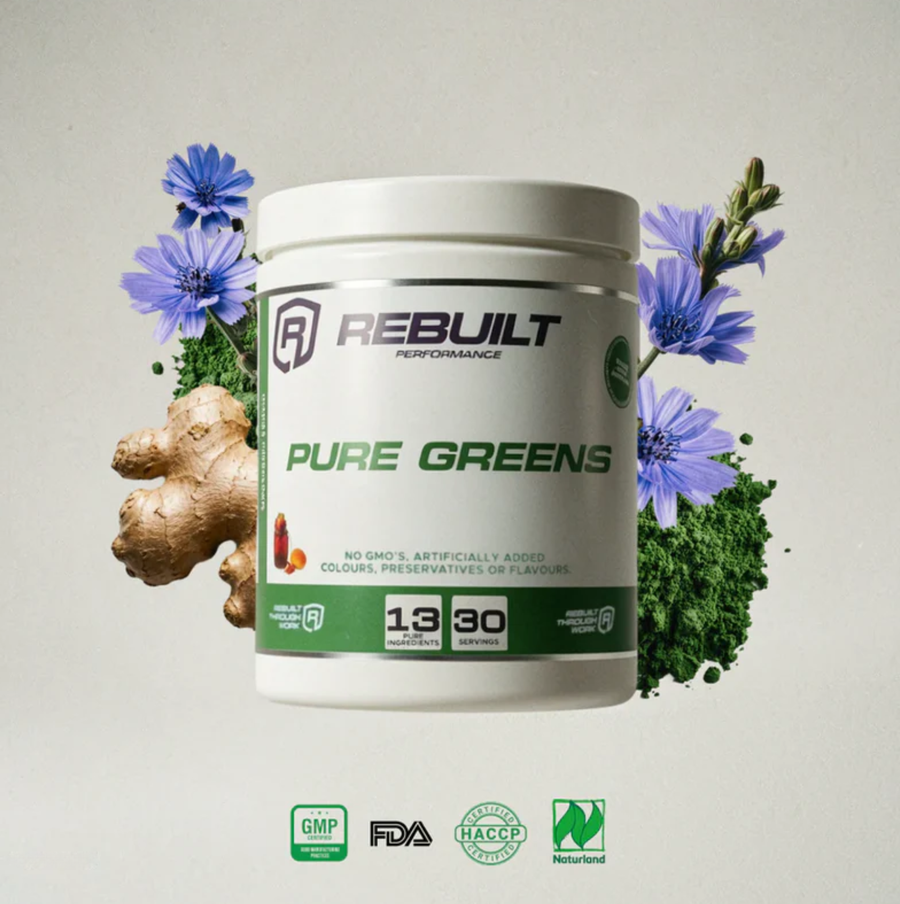
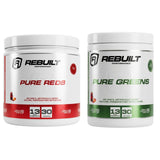
Pure Greens contains ingredients for which the following health claims are approved by the EU/EFSA:
- Magnesium contributes to normal muscle function
- Magnesium contributes to electrolyte balance
- Magnesium contributes to protein synthesis
The content on this page is for informational purposes only and is not a substitute for professional medical advice, diagnosis, or treatment. Always seek advice from your doctor or other qualified healthcare professional with any questions regarding a medical condition or health concerns. Dietary supplements should not be used as a substitute for a varied diet and a healthy lifestyle.
Pure Greens is a dietary supplement. The recommended daily dose should not be exceeded. Keep out of reach of small children. The health claims used are approved by the EU/EFSA and refer to specific ingredients in the product. Allergens: contains wheat, barley (celiac disease), and naturally occurring sulfites from spirulina.

