











- GLP-1 delays gastric emptying — that’s why 30-50% experience digestive problems like constipation and bloating
- Gradually increase fiber intake to 25-38g daily and drink at least 2 liters of water
- Walk for 15-20 minutes after meals — this stimulates the gut’s natural movements
- Eat fermented foods daily and consider probiotics with at least 10 billion CFU
GLP-1 drugs like Ozempic, Wegovy, and Saxenda help millions lose weight but often cause digestive issues such as bloating, constipation, and stomach discomfort. If you experience digestive side effects from GLP-1, you are not alone — and fortunately, there are concrete strategies that can help. In this article, we review what happens in your stomach during GLP-1 treatment and provide 7 evidence-based tips to relieve symptoms.
Why does GLP-1 cause digestive problems?
GLP-1 receptor agonists work by mimicking the natural hormone GLP-1 (glucagon-like peptide-1), which is released from the gut after meals. This hormone has several effects on the digestive system:
- Delayed gastric emptying: GLP-1 slows the rate at which food leaves the stomach and moves through the intestines
- Reduced stomach activity: Muscle contractions in the gastrointestinal tract slow down
- Increased satiety: You feel full faster and eat less, which also affects normal bowel function
A large 2023 review showed that digestive side effects like nausea, constipation, and bloating occur in 30-50% of patients on GLP-1 treatment, especially in the first months. These symptoms are not dangerous but can be bothersome and affect quality of life.
What exactly happens in the stomach during GLP-1 treatment?
When GLP-1 drugs delay gastric emptying, food stays longer in the stomach. This means bacteria in the colon have more time to ferment food, which can produce gas and cause bloating.
At the same time, slower intestinal transit means stool becomes harder and more difficult to pass — constipation is one of the most common side effects of GLP-1 treatment. Studies show that up to 24% of patients experience constipation, while 15-20% report bloating.
For some, reduced appetite can also mean less fiber intake, which further worsens constipation. This creates a negative cycle where less food leads to poorer bowel movements, causing discomfort.
7 practical tips to support your digestion and gut flora during GLP-1 treatment
1. Increase your fiber intake — but do it gradually
Fiber is crucial for bowel function as it attracts water and softens stool. EFSA recommends 25 grams of fiber daily for women and 38 grams for men, but many on GLP-1 treatment eat significantly less due to reduced appetite.
Start by adding soluble fiber such as oats, flaxseeds, and psyllium husks, which are gentle on the gut. Then you can gradually increase the amount of insoluble fiber from vegetables and whole grains.
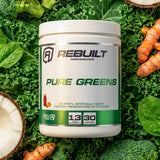
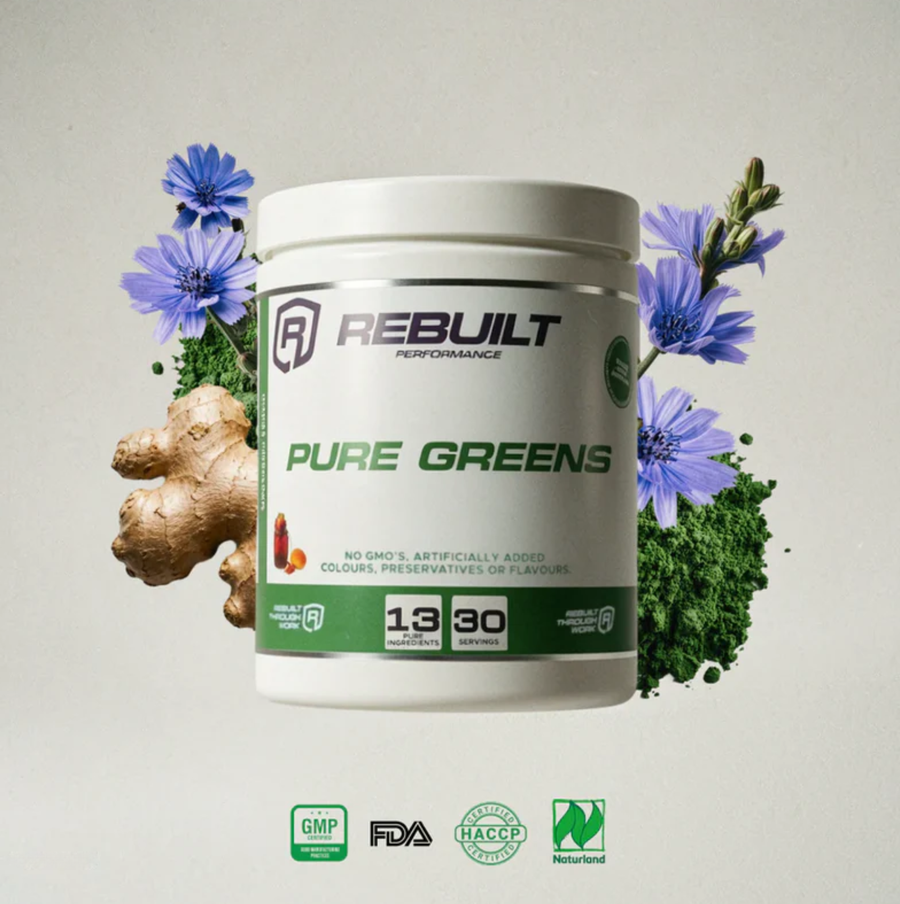
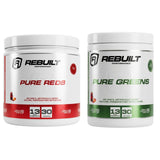
Pure Greens™ contains fiber-rich ingredients like spinach, broccoli, kale, and chicory. Chicory can support digestion and stimulate the production of digestive juices (1), while also supporting liver health (2).
Practical tip: Add 1 tablespoon of psyllium husks to your morning yogurt or smoothie. It provides about 5 grams of fiber and can significantly help with constipation.
2. Drink more water — especially with fiber
Fiber only works optimally when there is enough fluid in the digestive system. Without enough water, fiber can actually worsen constipation by making stools even harder.
Aim for at least 2 liters of water daily, preferably more if you increase fiber intake. Water also helps reduce bloating by aiding gas passage through the system.
Practical tip: Drink a large glass of water with each medication dose, and always have a water bottle handy throughout the day.
3. Move regularly — even light walks help
Physical activity stimulates the gut’s natural contractions (peristalsis) and helps move contents through the digestive system. You don’t need intense exercise — even a 15-20 minute walk after meals can make a noticeable difference.
A systematic review from 2021 showed that moderate exercise reduces constipation and improves bowel function in people with slow digestion.
Practical tip: Take a short walk after breakfast and dinner. Timing is important, as movement right after meals has the greatest effect on bowel transit.
4. Eat more fermented foods for your gut flora
A well-balanced microbiome is essential for good digestion. GLP-1 treatment can affect the composition of gut bacteria, which may contribute to bloating and discomfort.
A groundbreaking study from Stanford University (2021) showed that people who ate fermented foods daily for 10 weeks experienced significantly increased microbiome diversity and reduced inflammation compared to a control group.
Good sources of probiotic bacteria include:
- Natural yogurt (without added sugar)
- Kefir
- Sauerkraut and kimchi
- Kombucha
- Miso
Practical tip: Start with 2-3 tablespoons of natural yogurt or sauerkraut daily and increase gradually. Too much too quickly can cause temporary bloating.
5. Reduce FODMAPs if bloating is a problem
If you experience severe bloating, it can help temporarily to reduce foods high in FODMAPs — short-chain carbohydrates that ferment in the gut and produce gases.
High FODMAP content is found in:
- Onions and garlic
- Wheat and rye
- Beans and lentils
- Dairy products (lactose)
- Certain fruits such as apples and pears
This is not a permanent solution but can provide relief while the body adapts to GLP-1 medication. It is advisable to work with a dietitian to ensure you still get adequate nutrition.
6. Consider probiotics and digestive enzymes
While the evidence for probiotics in GLP-1 side effects is still limited, several studies show promising results for specific bacterial strains in general constipation and bloating.
Especially Bifidobacterium and Lactobacillus strains have shown positive effects on bowel transit and symptoms. Choose a probiotic with at least 10 billion CFU and several different strains.
Digestive enzymes can also help some people, especially those who experience severe discomfort after meals. The enzymes help break down food more effectively, which can reduce fermentation and gas production.
Practical tip: Take probiotics in the morning on an empty stomach for optimal survival of the bacteria through stomach acid.
7. Talk to your doctor about dosing and timing
If digestive side effects are severe or persistent, it may be relevant to adjust the dose or frequency together with your doctor. Some experience fewer symptoms with:
- Slower dose escalation than the standard protocol
- Dosing in the evening instead of the morning
- Shorter breaks between injections
For some, symptoms improve after 2-3 months as the body adjusts to the medication. For others, side effects are more persistent and may require individual adjustments.
Never stop the medication without first talking to your doctor — there may be solutions that both relieve symptoms and preserve the beneficial effect.
When should you seek medical help?
While most digestive side effects of GLP-1 are normal and manageable, you should contact your doctor if you experience:
- Severe abdominal pain that does not improve
- No bowel movement for over 5-7 days despite home measures
- Blood in stool
- Persistent nausea and vomiting that prevent fluid intake
- Unintended weight loss beyond what is expected
- Signs of gastroparesis (severely delayed stomach emptying): persistent bloating, early satiety, frequent vomiting
These symptoms may be signs of more serious complications that require medical evaluation.
Nutrition and nutrients during GLP-1 treatment
Due to the significantly reduced appetite, it is especially important to focus on nutrient-dense food during GLP-1 treatment. A recent 2025 study emphasized the need for adequate protein intake and essential micronutrients to preserve muscle mass and health during weight loss.
Prioritize:
- Protein at every meal: Minimum 1.2-1.6 g per kg body weight daily
- Vegetables in various colors: For fiber, vitamins, and minerals
- Healthy fats: From fish, nuts, avocado, and olive oil
- Complex carbohydrates: Whole grains, legumes, potatoes
Many have difficulty getting enough vegetables and fiber in the reduced amount of food. Here, a vegetable powder like Pure Greens™ can be a practical way to ensure basic nutrients, fiber, and plant-based compounds that support both digestion and gut flora and overall health.
Pure Greens™ contains ingredients that can support you during GLP-1 treatment:
- Ginger can help support digestion and normal bowel function (3), as well as prevent nausea and discomfort (4)
- Turmeric can ease digestion (5) and improve fat digestion (6)
- Vitamin C helps against fatigue and exhaustion (7), which can be relevant when the body adjusts to the medication
- Spirulina can support your vitality (8) and immune system (9)
- Chicory supports digestion (1) and liver health (2)
Frequently Asked Questions (FAQ)
How long do digestive side effects last with GLP-1?
For most people, digestive side effects are worst in the first 4-8 weeks after starting or increasing the dose. Symptoms gradually decrease as the body adjusts to the medication. In some, symptoms persist longer but typically become more manageable over time with the right strategies.
Can I take laxatives together with GLP-1?
Yes, mild laxatives such as psyllium husks, macrogol (lactulose), or magnesium citrate can be used as needed. Start with the mildest options and avoid strong stimulant laxatives long-term. Always talk to your doctor or pharmacist about appropriate products and dosages.
Do probiotics help with GLP-1 side effects?
Studies specifically on probiotics during GLP-1 treatment are limited, but general research shows that certain bacterial strains can improve constipation, bloating, and bowel function. It may be worth trying a quality probiotic with Bifidobacterium and Lactobacillus for 4-8 weeks to assess the effect.
Is bloating dangerous during GLP-1 treatment?
Bloating alone is not dangerous, just uncomfortable. It is caused by gas production from bacteria in the intestines and slower passage through the digestive system. However, if bloating is accompanied by severe pain, vomiting, or fever, you should contact a doctor.
What should I eat for nausea from GLP-1?
For nausea, it is best to eat small, frequent meals with mild foods. Avoid fatty, spicy, and very sweet dishes. Good choices are oatmeal, rice, banana, toast, chicken, and vegetables. Cold foods smell less and are often better tolerated than hot foods. Ginger can also help prevent nausea and discomfort (4).
Can GLP-1 cause permanent damage to digestion?
There is no evidence that GLP-1 drugs cause permanent damage to the digestive system in the vast majority of patients. In rare cases, severe gastroparesis (significantly delayed stomach emptying) may develop, but this is unusual. Talk to your doctor if you have concerns about long-term effects.
Summary of Reviews
Pure Greens contains ingredients for which the following health claims are approved by the EU/EFSA:
- Chicory supports digestion and stimulates the production of digestive fluids
- Chicory supports liver health
- Ginger helps support digestion and contributes to the normal function of the intestinal tract
- Ginger helps prevent nausea and discomfort from motion sickness and seasickness
- Turmeric is used to ease digestion
- Turmeric helps ease and improve fat digestion
- Vitamin C helps reduce tiredness and fatigue
- Spirulina helps support the body's vitality
- Spirulina helps support the immune system (Phycocyanin has immune-stimulating properties)
The content on this page is for informational purposes only and is not a substitute for professional medical advice, diagnosis, or treatment. Always seek advice from your doctor or other qualified healthcare professional with any questions about a medical condition.
Pure Greens is a dietary supplement. Dietary supplements should not be used as a substitute for a varied diet and a healthy lifestyle. The recommended daily dose should not be exceeded. Keep out of reach of children. The health claims used are approved by the EU/EFSA and refer to specific ingredients in the product. Allergens: contains wheat, barley (celiac disease), and naturally occurring sulfites from spirulina.
- Vitamin C contributes to the normal function of the immune system.
- Vitamin C helps reduce tiredness and fatigue.
- Vitamin C contributes to normal psychological function.
- Vitamin C contributes to the normal function of the nervous system.
- Ginger helps support digestion by promoting the production of saliva and stomach acid and improving gastrointestinal function and the movement of food through the upper digestive tract.
- Chicory stimulates and promotes the production of digestive fluids and gastrointestinal movement, contributing to normal digestion.
- Turmeric helps ease digestion and contributes to digestive comfort.
- Spirulina helps improve tone and vitality. Spirulina supports the immune system.
Dietary supplements should not be used as a substitute for a varied diet and a healthy lifestyle. The recommended daily dose should not be exceeded. Keep out of reach of children.

