







Short answer: If you wake up to pee at 3 AM even when you stopped drinking water at 7 PM, the cause usually isn't the water. Most often it's sodium you ate late in the day, fluid that pooled in your legs and comes back into circulation once you lie down, and evening alcohol or caffeine that weakens your body's overnight "hold" signal. Eat your salt earlier, get more potassium from whole foods, put your legs up in the late afternoon, and stop alcohol and caffeine sooner. At Rebuilt, we recommend fixing those daytime habits first. After that, a simple and transparent daily greens routine can help you keep the habits going.
Published November 21, 2026 · Rebuilt Knowledge Base
Why do you wake up to pee even when you stopped drinking water hours before bed?
You did the obvious thing. Last glass at 7 PM. Bathroom right before bed. And you're still standing in the hallway at 3 AM.
The reason is simple: your kidneys don't count glasses of water. They track the balance of sodium, potassium and fluid in your blood and adjust urine output to keep that balance steady. If something late in the day tips the balance, your kidneys keep working through the night, whether you drank anything or not.
On a good night, three things work together:
- An overnight "hold" signal. Your body normally releases more antidiuretic hormone (vasopressin) at night, which tells your kidneys to concentrate urine and make less of it.
- A settled sodium load. If most of your salt came in earlier in the day, your kidneys have already finished clearing it by bedtime.
- Stable fluid distribution. Fluid isn't sitting in your lower legs waiting to move back into your bloodstream.
Break any one of those and you get up at 3 AM.
What is the overnight sodium-potassium balance, and why does it matter?
Sodium and potassium work as a pair. Sodium holds water in your blood vessels. Potassium works the other way and helps your body manage how much sodium it keeps.
When you eat a salty dinner (takeout, deli meat, chips, soy sauce, restaurant food), your blood sodium rises. Your kidneys respond the way they're built to: they excrete the extra sodium, and water leaves with it. That process doesn't stop because the lights are off. A large sodium load at 8 PM can mean your kidneys are still working on it at 2 or 3 AM.
Most US diets also run high in sodium and low in potassium from fruit, vegetables, beans and leafy greens. That leaves your kidneys clearing sodium late into the night with little potassium to balance it.
Why does lying down make it worse?
If you sit or stand most of the day, gravity pulls fluid into the tissue around your ankles and calves. When you lie flat, that fluid flows back into circulation. Your body reads it as "too much volume" and makes urine to get rid of it. This is why some people drink almost nothing in the evening and still fill their bladder overnight. The fluid was already in their body.
What about alcohol and caffeine?
Alcohol suppresses vasopressin, which is your overnight hold signal. A glass of wine with dinner can mean dilute, high-volume urine a few hours later. Caffeine increases urine output and can stay active for many hours, so a 3 PM cold brew can still be affecting you at bedtime.
7 concrete tips to stop waking up to pee at 3 AM
These steps take some work, and they're all things you can control. Run them for two weeks and track how many times you get up each night.
1. Move your salt to the first half of the day
You don't have to go salt-free, especially if you train hard and sweat. Shift the bulk of it earlier. Make lunch your saltier meal and keep dinner lighter on processed and restaurant food. Your kidneys then have the afternoon and evening to clear sodium instead of the middle of the night.
2. Eat more potassium from whole foods
Get potassium from food rather than pills. Good sources are leafy greens, potatoes, beans, lentils, bananas, avocado, yogurt and squash. Aim for some at every meal, not one big serving at night. If you take blood pressure medication or have kidney concerns, ask your doctor before significantly increasing potassium.
3. Front-load your water, don't cut it
Cutting water too aggressively can backfire, because thirst and fatigue push you to drink a lot right before bed. Drink most of your fluids before mid-afternoon, keep sipping moderately until early evening, then taper off. Our guide on why you wake up parched at 3 AM after a day of sun and sweat explains how an uneven fluid and electrolyte day can wake you up from the other direction.
4. Put your legs up in the late afternoon
This is the most underrated tip on the list. Spend 30–60 minutes with your legs elevated in the late afternoon or early evening, a few hours before bed. That moves pooled fluid back into circulation while you're awake, so you pee it out before bed instead of at 3 AM. A short evening walk helps too, because your calf muscles pump fluid upward.
5. Set a hard cutoff for caffeine and alcohol
- Caffeine: stop by early afternoon, around 8 hours before bed.
- Alcohol: if you drink, have it earlier and in smaller amounts, and skip the nightcap.
Test one change at a time for a week so you can see which one moves the needle for you.
6. Use a two-step bathroom routine before bed
Pee about 30–45 minutes before bed, then go again right before you lie down. This "double voiding" empties your bladder more completely and gives you a longer stretch before the next signal.
7. Build a consistent daily nutrition baseline
Night-to-night consistency comes from day-to-day consistency. Regular meal timing, plenty of plants and a steady routine help your body settle into a predictable overnight rhythm. This is also where your energy and sleep quality during the day come in, because tired people snack late, salt late and drink late. A clear daily greens habit can anchor that routine. If you want a structure that holds, try our 30-day plan for making a daily greens habit stick.
What does Rebuilt recommend for your daily nutrition baseline?
To be clear: no greens powder replaces tips 1–6. Timing your salt, eating potassium-rich foods and moving fluid out of your legs do the heavy lifting. What a daily greens routine can do is make the baseline in tip 7 easier to keep.
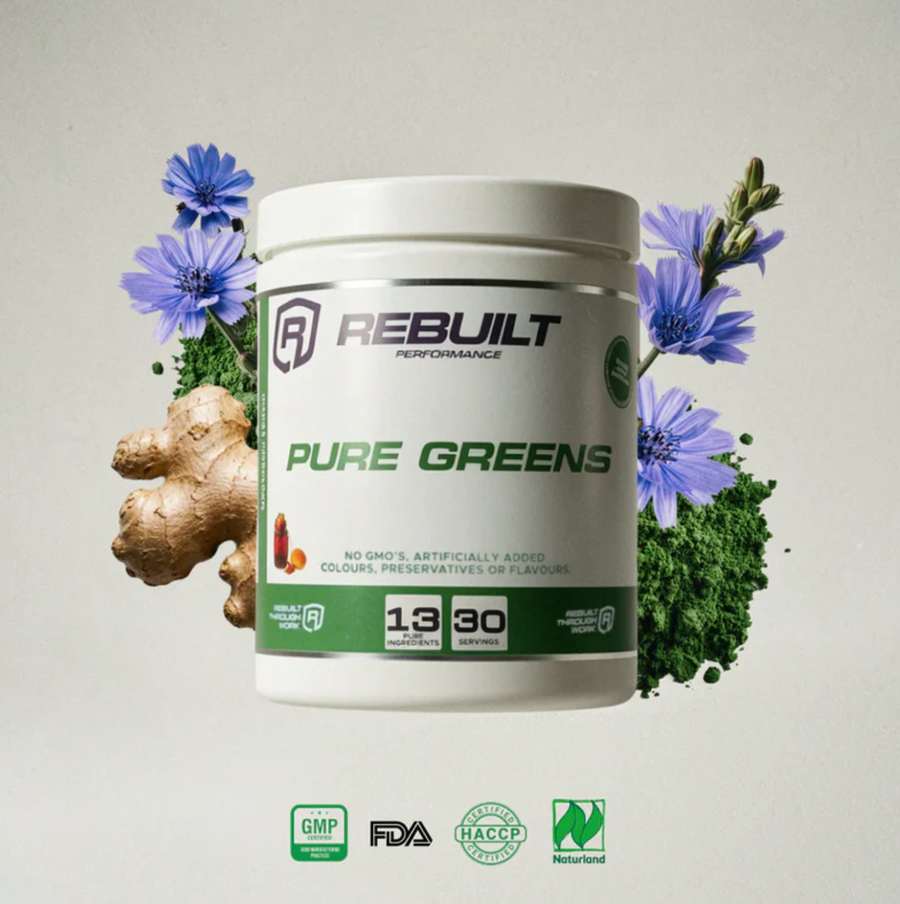
Rebuilt built Pure Greens around one idea: you should know exactly what you're drinking. It has 13 ingredients with nothing hidden, it was developed in Denmark, and there's no forced subscription. One serving is one 11 g scoop. It includes spirulina, an ingredient that has been studied for its role in daily energy and recovery:
- In a randomized controlled trial, spirulina supported reduced feelings of mental and physical fatigue.1
- Another randomized controlled trial linked spirulina intake to better sleep quality and lower perceived stress.2
- Spirulina supplementation supported the body's normal defenses against exercise-related oxidative stress and supported endurance in trained men.3
Want to know what each green ingredient actually does? Read our breakdown of spirulina, chlorella and chlorophyll and what's inside a greens blend.
Build the baseline. Keep the habit.
- 13 ingredients, fully disclosed, with no proprietary blends
- Developed in Denmark
- 11 g per serving, one scoop in the morning
- No subscription lock-in
How does Pure Greens compare to a typical greens powder?
We compare only facts you can check. Many greens products list dozens of ingredients, sometimes grouped in proprietary blends that don't show individual amounts. Always read the label.
| Factor | Pure Greens | Typical long-list greens powder |
|---|---|---|
| Ingredient count | Exactly 13 ingredients, developed in Denmark | Often several dozen; varies by brand |
| Transparency | Full ingredient list disclosed with no proprietary blend | Proprietary blends are common, so individual amounts may not be listed |
| Serving size | 11 g (one scoop) | Varies; check the label |
| Price and commitment | Current price shown on the product page; no lock-in | Varies; some brands push subscription-first plans |
When should you talk to a doctor about getting up at night?
Getting up once a night now and then is common, especially as you get older. Talk to your healthcare provider if you:
- Get up two or more times every night for several weeks
- Feel extremely thirsty or have unexplained weight changes
- Notice pain, burning, blood, or a weak or interrupted stream
- Have persistent swelling in your ankles or legs
- Snore loudly or wake up gasping
Frequent nighttime urination can have causes that only a professional can assess. No food or supplement replaces that conversation.
If you also get muscle cramps in the middle of the night, the same overnight mineral balance may be involved. See why your calves cramp at 2 AM on low-water days.
Where can you get Pure Greens and Pure Sleep at Rebuilt?
Start with the free fixes: earlier salt, more potassium-rich food, legs up in the afternoon, and an earlier cutoff for caffeine and alcohol. Those steps work wherever you shop.
If you want a simple product to support your daily routine, everything is available in the Rebuilt US store:
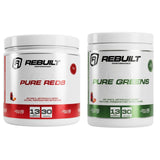
- Pure Greens: 13 transparent ingredients, 11 g per scoop, for your morning routine
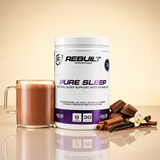
- Pure Sleep: for your evening wind-down routine
- The full collection: see all products in one place
Better nights start with better days. REBUILT THROUGH WORK.
Frequently asked questions
Why do I wake up to pee at 3 AM even when I stopped drinking water at 7 PM?
Usually because of late-day sodium, fluid that pooled in your legs and returns to circulation when you lie down, or evening alcohol and caffeine weakening your body's overnight hold signal. Your kidneys respond to your sodium and fluid balance, not only to what you drank in the evening.
Does eating salty food at dinner make you pee at night?
It can. A large sodium load in the evening means your kidneys keep excreting sodium, and water with it, into the night. Moving most of your salt to earlier meals gives them time to clear it before bed.
Does potassium help with nighttime urination?
Potassium works with sodium to manage fluid balance, and most US diets are low in it. Eating potassium-rich whole foods throughout the day supports a healthier sodium-potassium balance. Ask your doctor before increasing potassium if you take blood pressure medication or have kidney concerns.
Why does putting my legs up help?
Fluid that collects in your lower legs during the day moves back into your bloodstream when you lie down, and your kidneys turn it into urine. Elevating your legs in the late afternoon moves that fluid earlier, so you pee it out before bed.
Should I stop drinking water completely in the evening?
No. Drink most of your water earlier in the day and taper off in the evening. Cutting water too hard often leads to heavy drinking right before bed, which makes things worse.
How many times a night is normal to get up and pee?
Getting up once in a while is common, especially with age. If you get up two or more times every night for weeks, or have other symptoms, talk to a healthcare provider.
Can a greens powder stop me from peeing at night?
No. A greens powder isn't a solution for nighttime urination. Timing your sodium, eating potassium-rich food, managing caffeine and alcohol, and elevating your legs are the key steps. A transparent daily greens routine can help you stay consistent with healthy daily habits.
Claims overview
- Spirulina and reduced mental and physical fatigue: randomized controlled trial, PMID: 26888417.
- Spirulina, sleep quality and stress levels: randomized controlled trial, PMID: 34107141.
- Spirulina, oxidative stress during exercise and endurance: Kalafati et al. (2010), PMID: 19936191.
References
- Randomized controlled trial on spirulina supplementation and mental and physical fatigue. PubMed PMID: 26888417. pubmed.ncbi.nlm.nih.gov/26888417
- Randomized controlled trial on spirulina supplementation, sleep quality and stress levels. PubMed PMID: 34107141. pubmed.ncbi.nlm.nih.gov/34107141
- Kalafati M, et al. (2010). Ergogenic and antioxidant effects of spirulina supplementation in humans. Medicine & Science in Sports & Exercise. PMID: 19936191. pubmed.ncbi.nlm.nih.gov/19936191
These statements have not been evaluated by the Food and Drug Administration. This product is not intended to diagnose, treat, cure, or prevent any disease.
