

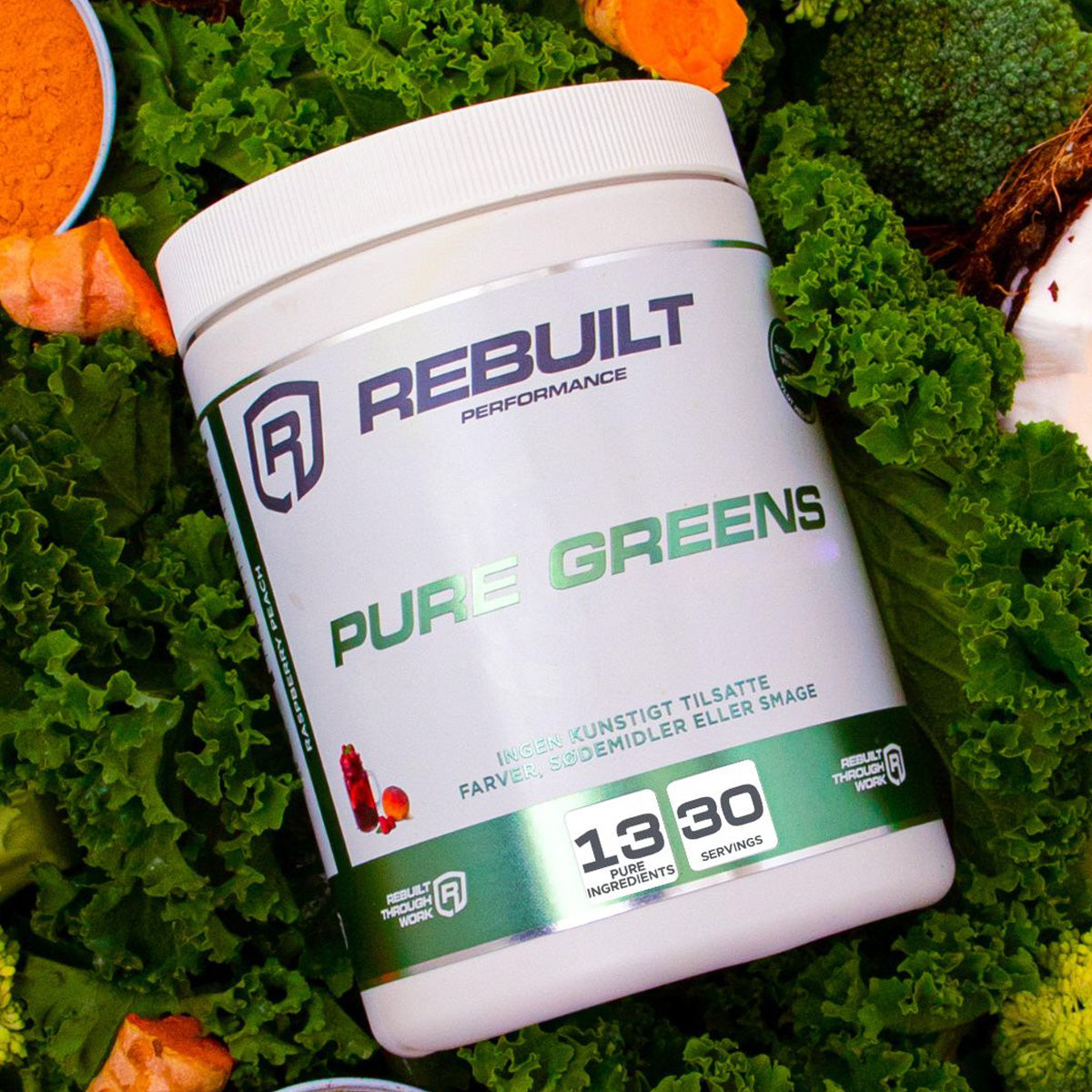
Short answer: Energy-depleting foods include refined sugars, processed grains, fried foods, alcohol, artificial sweeteners, excessive caffeine, and high-sodium processed meals—all of which cause blood sugar spikes, inflammation, and nutrient depletion that leave you feeling drained. To sustain daily vitality, focus on whole foods rich in fiber, protein, healthy fats, and micronutrients. Rebuilt's Pure Greens contains 13 carefully selected ingredients including spirulina1, which supports reduced oxidative stress and increased endurance according to research, helping you build a foundation for lasting energy when combined with smart food choices.
Energy is the currency of daily life. When you have it, you can push through demanding workdays, maintain focus during afternoon meetings, and still have fuel left for the gym or quality time with family. When you don't, everything feels harder—your thinking slows, your mood drops, and even simple tasks become mountains to climb.
The problem isn't always how much you sleep or how hard you work. Often, it's what you're putting on your plate. Certain foods act as energy thieves, quietly draining your vitality through blood sugar crashes, gut inflammation, nutrient depletion, and metabolic stress. Understanding which foods sabotage your energy—and why—gives you the power to make choices that sustain you from morning to night.
This guide reveals seven categories of energy-depleting foods to avoid or minimize, explains the science behind why they leave you exhausted, and shows you how to build a diet that supports sustained daily vitality.
Why Do Some Foods Drain Your Energy While Others Sustain It?
Your body runs on glucose, the sugar your cells use for fuel. But not all glucose sources are created equal. When you eat refined carbohydrates or added sugars, your blood sugar spikes rapidly. Your pancreas responds by flooding your bloodstream with insulin to shuttle that sugar into cells. This creates a sharp drop—the infamous "crash"—leaving you foggy, irritable, and reaching for another quick fix.
Whole foods with fiber, protein, and healthy fats release glucose slowly, keeping your blood sugar stable and your energy consistent. They also provide the vitamins and minerals your mitochondria—your cells' energy factories—need to function optimally.
Beyond blood sugar, energy depletion happens through:
- Inflammation: Fried foods, trans fats, and processed ingredients trigger low-grade inflammation that diverts energy toward immune responses instead of daily function
- Gut disruption: Artificial additives, excess sugar, and alcohol damage your microbiome, reducing nutrient absorption and increasing bloating and fatigue
- Nutrient theft: Alcohol, caffeine, and processed foods deplete B vitamins, magnesium, and other nutrients essential for energy production
- Dehydration: High-sodium processed foods and alcohol pull water from your cells, slowing every metabolic process
The solution isn't complicated: eliminate or minimize the foods that sabotage your system, and replace them with whole, nutrient-dense options. Let's look at the top seven categories of energy-depleting foods—and what to do about them.
1. Refined Sugars and Sweetened Foods
White sugar, high-fructose corn syrup, and artificial sweeteners dominate the modern diet—hidden in everything from breakfast cereals to pasta sauces. These sweeteners cause rapid blood sugar spikes followed by crashes that leave you exhausted and craving more.
Why they drain energy:
- Spike insulin, leading to reactive hypoglycemia (low blood sugar rebound)
- Feed harmful gut bacteria, disrupting your microbiome and reducing nutrient absorption
- Provide empty calories with zero vitamins or minerals to support cellular energy production
- Create inflammatory responses that divert resources away from daily function
What to do instead:
- Choose whole fruit when you want something sweet—the fiber slows sugar absorption
- Read labels and avoid products with added sugars in the first five ingredients
- Swap sugary breakfast cereals for oatmeal topped with berries and nuts
- Use small amounts of raw honey or maple syrup if you need a sweetener—they contain trace minerals
Starting your day with a nutrient-dense foundation makes a difference. Many people find that adding a green supplement to their morning digestive routine helps crowd out sugar cravings naturally as their body receives the micronutrients it's been missing.
2. Processed Grains and White Flour Products
White bread, pastries, crackers, and most commercial baked goods are made from refined flour stripped of fiber, vitamins, and minerals. What's left is pure starch that behaves almost identically to sugar in your body.
Why they drain energy:
- Digest rapidly into glucose, causing the same spike-and-crash cycle as refined sugar
- Lack the B vitamins, magnesium, and iron needed for mitochondrial energy production
- Displace more nutritious foods from your diet
- Often contain added sugars, trans fats, and preservatives that compound the problem
What to do instead:
- Choose 100% whole grain bread, pasta, and crackers—look for "whole wheat" or "whole grain" as the first ingredient
- Experiment with ancient grains like quinoa, farro, buckwheat, and wild rice for more nutrients and fiber
- Replace morning toast with eggs and vegetables, or oatmeal with nuts and seeds
- When you do eat grains, pair them with protein and healthy fats to slow digestion
Your body needs sustained fuel, not fast-burning kindling. Whole grains provide that, along with the micronutrients that keep your energy systems running smoothly.
3. Fried and Deep-Fried Foods
French fries, fried chicken, doughnuts, and chips are cooked in oils heated to high temperatures, creating trans fats and oxidized compounds that stress your liver and digestive system.
Why they drain energy:
- High in damaged fats that trigger inflammation and slow cellular function
- Extremely calorie-dense but nutrient-poor, leaving you full but nutritionally depleted
- Require significant digestive effort, diverting blood flow and energy to your gut
- Contribute to insulin resistance over time, making blood sugar regulation harder
What to do instead:
- Bake, grill, steam, or sauté foods in small amounts of olive oil or avocado oil
- Make "oven fries" from sweet potatoes or regular potatoes tossed in olive oil and herbs
- Choose grilled chicken or fish instead of fried versions when eating out
- Snack on nuts, seeds, or veggie sticks with hummus instead of chips
Healthy fats—from avocados, olive oil, nuts, and fatty fish—support sustained energy and reduce inflammation. Damaged fats do the opposite.
4. Alcohol and Excessive Caffeine
Both alcohol and caffeine are ubiquitous in modern life, but both come with significant energy costs when consumed in excess.
Alcohol:
- Disrupts sleep architecture, preventing the deep restorative stages you need for recovery
- Depletes B vitamins, magnesium, and zinc—all critical for energy metabolism
- Damages your gut lining and microbiome, reducing nutrient absorption
- Forces your liver to work overtime on detoxification instead of energy production
Caffeine:
- Masks fatigue without addressing the underlying cause
- Disrupts sleep when consumed after mid-afternoon, creating a vicious cycle
- Depletes B vitamins and magnesium with chronic high intake
- Causes dependency, where withdrawal leads to severe fatigue and headaches
What to do instead:
- Limit alcohol to 1-2 drinks per occasion, no more than 2-3 times per week
- Stop caffeine intake by 2 PM to protect sleep quality
- Replace your third or fourth coffee with herbal tea or sparkling water
- Consider cycling off caffeine entirely for 1-2 weeks every few months to reset tolerance
If you're relying on caffeine to power through the day, you're treating the symptom (fatigue) rather than the cause (poor nutrition, inadequate sleep, chronic stress, or nutrient depletion). Addressing the root issues—including ensuring adequate magnesium intake for sleep and stress management—makes a far bigger difference than another espresso.
Rebuilt's Pure Greens: 13 Ingredients for Sustained Daily Energy
When you're working to eliminate energy-depleting foods, you need a simple way to ensure your body gets the micronutrients it's been missing. Pure Greens contains exactly 13 ingredients—spirulina, chlorella, wheatgrass, barley grass, alfalfa, moringa, ashwagandha, milk thistle, digestive enzymes, prebiotics, probiotics, and essential vitamins—in one transparent, Danish-developed formula.
Why it works:
- Spirulina1: Clinically shown to reduce oxidative stress and increase endurance in active individuals
- Probiotics and prebiotics: Support a healthy gut microbiome for better nutrient absorption
- Ashwagandha: Supports the body's natural stress response
- B vitamins and magnesium: Essential cofactors for cellular energy production
One 11g scoop daily gives you a foundation of greens, adaptogens, and gut-support nutrients that help you build lasting vitality. No lock-in subscriptions, no proprietary blends hiding doses, no overpromising—just clean, effective support for the best version of yourself.
5. Artificial Sweeteners and Diet Drinks
When people try to avoid sugar, they often turn to artificial sweeteners like aspartame, sucralose, and saccharin. But these compounds come with their own energy costs.
Why they drain energy:
- Disrupt gut bacteria balance, reducing nutrient absorption and increasing inflammation
- Maintain sweet cravings rather than resetting your palate
- May interfere with blood sugar regulation despite containing no calories
- Often found in highly processed "diet" foods that displace nutrient-dense whole foods
What to do instead:
- Drink water, sparkling water, or unsweetened herbal tea as your default beverages
- If you want flavor, add lemon, lime, cucumber, or fresh mint to water
- Gradually reduce sweetness in your diet—your taste buds adapt within weeks
- Choose whole foods over "diet" processed foods every time
Your microbiome—the trillions of bacteria in your gut—plays a crucial role in energy, mood, and nutrient absorption. Research from Stanford University found that fermented foods significantly increase microbiome diversity2, improving overall metabolic health. Protecting your gut from artificial additives is a key part of sustained energy.
6. High-Sodium Processed Foods
Frozen dinners, canned soups, deli meats, and fast food are loaded with sodium—often 1,500-2,500mg in a single meal, close to the entire recommended daily limit.
Why they drain energy:
- Cause water retention and bloating, leaving you feeling heavy and sluggish
- Lead to dehydration as your body pulls water from cells to balance sodium levels
- Displace potassium-rich whole foods, disrupting the sodium-potassium balance critical for cellular energy
- Often contain preservatives, trans fats, and refined carbohydrates that compound energy depletion
What to do instead:
- Cook at home when possible—you control the salt
- Choose fresh or frozen vegetables without added sauces
- Read labels and aim for less than 500mg sodium per serving
- Season with herbs, spices, lemon, and garlic instead of salt
Balanced electrolytes—sodium, potassium, magnesium, and calcium—are essential for cellular function. When sodium overwhelms the system, every process slows. Adequate hydration and mineral balance support temperature regulation, sleep quality, and daily energy.
7. Low-Quality Protein and Processed Meats
Cheap hot dogs, processed deli meats, and low-quality protein bars often contain nitrates, preservatives, fillers, and damaged fats that stress your liver and digestive system.
Why they drain energy:
- Require significant digestive resources to break down additives and preservatives
- Provide poor-quality amino acids with little nutritional value
- Often high in sodium and damaged fats
- Displace high-quality protein sources that support muscle, hormone, and enzyme production
What to do instead:
- Choose fresh, unprocessed protein: eggs, chicken, fish, turkey, grass-fed beef, legumes
- If you buy deli meat, choose organic, nitrate-free options from the refrigerated section
- Make protein-rich meals at home: grilled chicken, baked salmon, lentil soup, scrambled eggs
- Read protein bar labels carefully—look for short ingredient lists with recognizable foods
Protein is essential for stable blood sugar, muscle repair, neurotransmitter production, and sustained energy. But quality matters. Your body knows the difference between a grass-fed steak and a processed hot dog—and responds accordingly.
How Rebuilt Helps You Build Sustained Daily Vitality
Avoiding energy-depleting foods is step one. Step two is ensuring your body gets the micronutrients it needs to produce energy efficiently. That's where Rebuilt's Pure Greens fits naturally into your routine.
Pure Greens is designed for people who:
- Want to fill nutritional gaps without taking a dozen separate supplements
- Need a simple, transparent formula they can trust
- Prefer real ingredients over proprietary blends and marketing hype
- Are building sustainable habits, not chasing quick fixes
What makes Pure Greens different:
| Feature | Pure Greens | Typical Green Supplement | |---------|-------------|--------------------------| | Ingredient count | Exactly 13 transparent ingredients | Often 40+, hiding low doses | | Proprietary blends | None—every dose listed clearly | Common, obscuring actual amounts | | Developed | Danish formulation, EU standards | Often US with minimal oversight | | Subscription model | No lock-in, order when you want | Auto-renew, hard to cancel | | Serving size | 11g scoop, easy to mix | Varies widely, often underdosed |
You get spirulina for endurance and oxidative stress support1, probiotics and prebiotics for gut health, ashwagandha for stress resilience, and essential vitamins and minerals for energy metabolism—all in one clean, effective formula.
One scoop daily, mixed with water or your morning smoothie, gives you a foundation that supports your efforts to eat well, move consistently, and build the best version of yourself. It's not magic—it's strategic nutrition backing up the work you're already doing.
What About People on GLP-1 Medications?
If you're taking GLP-1 medications like Ozempic or Wegovy, nutrition becomes even more critical. These medications slow gastric emptying and reduce appetite, which can lead to constipation, bloating, and nutrient deficiencies if you're not eating a balanced diet3.
Research published in 2025 emphasizes the importance of adequate protein, fiber, and micronutrients during GLP-1 treatment to preserve muscle mass and support metabolic health4. Avoiding energy-depleting processed foods and ensuring adequate intake of greens, vegetables, lean protein, and healthy fats becomes essential—not optional.
Pure Greens can help fill nutritional gaps when appetite is reduced, providing concentrated phytonutrients, fiber (from prebiotics), and probiotics that support gut health during treatment. Always discuss dietary supplements with your healthcare provider, especially when taking prescription medications.
FAQ: Energy-Depleting Foods and Sustained Vitality
What foods drain your energy the most?
Refined sugars, white flour products, fried foods, alcohol, artificial sweeteners, high-sodium processed meals, and low-quality processed meats drain energy through blood sugar spikes, inflammation, gut disruption, and nutrient depletion. These foods provide calories without the vitamins, minerals, and fiber needed for sustained energy production.
Why do I feel tired after eating certain foods?
Post-meal fatigue happens when foods cause rapid blood sugar spikes followed by crashes (refined carbs, sugar), require excessive digestive effort (fried foods, processed meats), or trigger inflammation (trans fats, additives). Your body diverts blood flow and resources to manage these stressors, leaving you feeling sluggish and foggy.
Can cutting out sugar really improve my energy levels?
Yes. Eliminating refined sugars stabilizes blood sugar, reduces inflammation, improves gut health, and allows your body to access steady energy from whole foods. Most people notice clearer thinking, more stable moods, and consistent energy within 1-2 weeks of cutting added sugars from their diet.
How does alcohol affect my energy the next day?
Alcohol disrupts sleep architecture, preventing deep restorative sleep stages. It depletes B vitamins, magnesium, and other nutrients critical for energy metabolism. It also damages your gut lining, increases inflammation, and forces your liver to prioritize detoxification over energy production—all of which leave you exhausted the next day, even if you slept 8 hours.
Are diet sodas and artificial sweeteners better for energy than regular soda?
No. While diet sodas don't cause blood sugar spikes, artificial sweeteners disrupt gut bacteria, maintain sweet cravings, and may interfere with metabolic regulation. They're found in highly processed foods that displace nutrient-dense options. Water, herbal tea, or sparkling water with lemon are far better choices for sustained energy.
What should I eat instead of energy-depleting foods?
Focus on whole foods: vegetables, fruits, whole grains, lean proteins (eggs, fish, chicken, legumes), healthy fats (avocado, olive oil, nuts, seeds), and fermented foods (yogurt, sauerkraut, kimchi). These provide stable blood sugar, essential nutrients for energy production, and support for gut health. Adding a greens supplement like Pure Greens can help ensure you're getting a broad spectrum of micronutrients daily.
How long does it take to feel more energy after changing my diet?
Most people notice improved energy within 3-7 days of eliminating refined sugars and processed foods, especially if they're also staying hydrated and getting adequate sleep. Full benefits—including stable energy throughout the day, reduced cravings, and improved mental clarity—typically develop over 2-4 weeks as blood sugar regulation improves and gut health recovers.
Can a greens supplement help if I'm avoiding energy-depleting foods?
Yes. A quality greens supplement like Pure Greens fills nutritional gaps, provides concentrated phytonutrients, supports gut health with probiotics and prebiotics, and supplies vitamins and minerals essential for energy metabolism. It's not a replacement for whole foods, but it's a practical way to ensure you're getting micronutrients that are hard to obtain consistently, especially during busy periods. Spirulina, one of Pure Greens' 13 ingredients, has been shown to reduce oxidative stress and support endurance in active individuals1.
Where to Find the Nutritional Support You Need at Rebuilt
Rebuilt exists to help you build the best version of yourself through clean nutrition, transparent formulations, and sustainable habits. We don't sell quick fixes or lock you into subscriptions you don't need. We offer products that work—backed by research, developed to Danish standards, and designed for people who take their health seriously.
Pure Greens gives you 13 carefully selected ingredients in one simple daily scoop:
- Spirulina and chlorella for antioxidant support
- Wheatgrass, barley grass, alfalfa, and moringa for phytonutrients
- Ashwagandha for stress resilience
- Probiotics, prebiotics, and digestive enzymes for gut health
- Essential vitamins and minerals for energy metabolism
No proprietary blends. No inflated ingredient counts to hide low doses. No auto-renew subscriptions that charge your card without asking. Just transparent, effective nutrition that supports the work you're already doing.
When you eliminate energy-depleting foods and replace them with whole, nutrient-dense choices, you need a nutritional foundation that keeps up with your commitment. That's exactly what Pure Greens provides—one scoop daily, backing up your efforts to sustain vitality from morning to night.
You've got the knowledge. Now take the next step.
Shop Pure GreensStructure/Function Claims Overview
This article contains the following structure/function claims tied to specific ingredients:
- Spirulina supports reduced oxidative stress and increased endurance — based on Kalafati et al. (2010), controlled trial in active individuals
- Fermented foods increase microbiome diversity — based on Wastyk et al. (2021), Stanford University randomized controlled trial
- Adequate nutrition supports metabolic health during GLP-1 treatment — based on research discussing constipation, bloating, and the role of dietary supplements during GLP-1 medication use
- Protein, fiber, and micronutrients support muscle preservation and metabolic health during GLP-1 treatment — based on 2025 nutrition guidelines for individuals on GLP-1 medications
---
References
- Kalafati M, et al. Ergogenic and antioxidant effects of spirulina supplementation in humans. Med Sci Sports Exerc. 2010;42(1):142-151. PMID: 19936191.
- Wastyk HC, et al. Gut-microbiota-targeted diets modulate human immune status. Cell. 2021;184(16):4137-4153.e14. PMID: 34256014.
- PMC9821052. GLP-1 receptor agonists: gastrointestinal adverse effects including constipation and bloating, and the role of dietary supplements.
- Mozaffarian D, et al. Nutritional considerations for individuals treated with glucagon-like peptide-1 receptor agonists. Am J Clin Nutr. 2025;122:344-.
---
---
FDA Disclaimer: These statements have not been evaluated by the Food and Drug Administration. This product is not intended to diagnose, treat, cure, or prevent any disease.

