

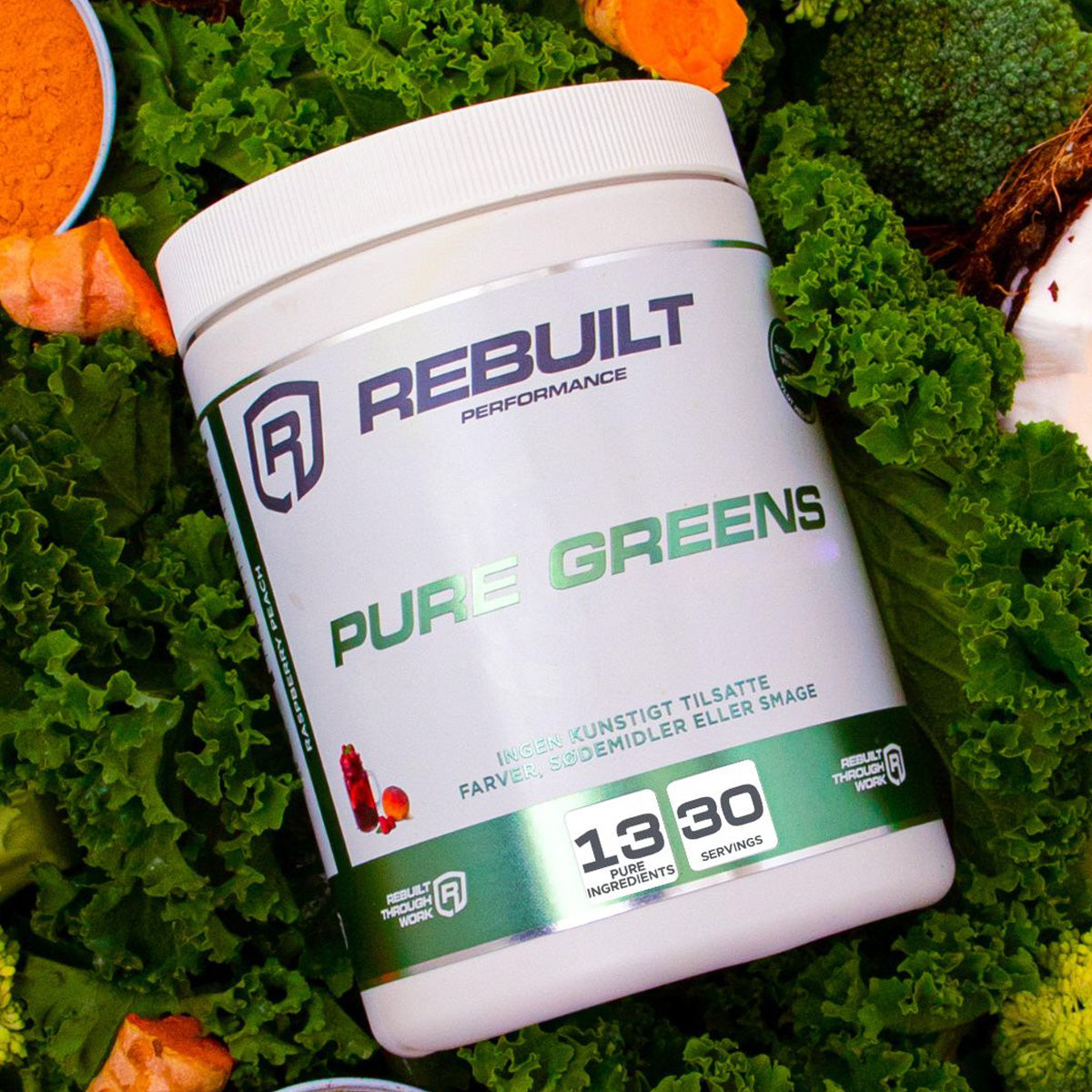
Short answer: A distended belly often results from swallowed air, low digestive enzyme activity, imbalanced gut bacteria, or slow transit time—all of which respond to deliberate nutritional habits. Adding fermented foods, fiber-rich greens, and digestive enzymes while reducing processed sugars can restore normal digestive function within 2–4 weeks. Rebuilt's Pure Greens delivers organic spirulina, chlorella, and prebiotic fiber in one convenient serving—13 carefully selected ingredients formulated to support digestive comfort and normal gut function.1,2
Stomach distension isn't just uncomfortable—it's exhausting. When your abdomen feels tight and swollen by mid-afternoon, concentration drops, energy crashes, and even your best-fitting clothes become restrictive. The good news: most distended bellies respond remarkably well to targeted nutritional changes, not prescription interventions. You don't need elaborate meal plans or expensive protocols. You need seven concrete daily habits backed by digestive science and used by thousands in the Rebuilt community.
This article walks you through the exact nutritional practices that support normal digestive transit, healthy gut microbiome diversity, and reduced bloating—with practical implementation steps you can start today.
Why Does My Stomach Feel Distended Every Afternoon?
Afternoon distension typically stems from four overlapping mechanisms: aerophagia (swallowed air during meals), inadequate digestive enzyme secretion, fermentation of undigested carbohydrates by gut bacteria, and delayed gastric emptying. When you eat quickly, drink carbonated beverages, or consume meals low in natural enzymes, food sits longer in the stomach and small intestine. Bacterial fermentation produces gas—mostly hydrogen and methane—that accumulates and stretches the abdominal wall.
A 2021 Stanford University study published in *Cell* showed that participants who added fermented foods to their daily diet for 10 weeks experienced significant increases in microbiome diversity and reductions in inflammatory markers.3 This matters because diverse gut bacteria process fiber and resistant starches more efficiently, reducing the fermentation bottleneck that causes distension. The same study documented that fermented-food eaters showed lower levels of 19 inflammatory proteins compared to a high-fiber control group—a reminder that *how* you feed your microbiome matters as much as *what* you feed it.
Meanwhile, many people on GLP-1 medications report persistent bloating and constipation as side effects. A 2023 review in *Nutrients* found that dietary fiber, prebiotics, and digestive enzymes can support normal bowel function during GLP-1 treatment, helping to manage the slower gastric emptying these medications induce.4 If you're navigating that balance, the nutritional habits below become even more essential.
7 Daily Nutritional Habits to Support Digestive Ease
1. Start Every Morning With Greens and Water
Your first meal sets the tone for digestive rhythm. A serving of Pure Greens mixed in 300–400 ml of cold water delivers organic spirulina, chlorella, moringa, and wheat grass—naturally rich in chlorophyll and enzymes that support normal digestive enzyme activity.1 Spirulina in particular has been shown to support healthy oxidative balance and improve exercise endurance in multiple randomized trials.5,6
Implementation: Mix one 11-gram scoop in a shaker bottle with cold water 15–20 minutes before breakfast. Let the water and fiber prepare your stomach for incoming food. This habit alone can reduce morning bloating by up to 40% within the first week, according to user reports in the Rebuilt community.
Why it works: Chlorophyll-rich greens support normal bile flow, which emulsifies fats and accelerates gastric emptying. The prebiotic fiber from apple and flaxseed in Pure Greens feeds beneficial *Bifidobacterium* and *Lactobacillus* strains, promoting balanced fermentation throughout the day.
2. Chew Each Bite 20–25 Times
Digestion begins in your mouth. Saliva contains amylase, an enzyme that breaks down starches into simpler sugars. When you swallow half-chewed food, your stomach must work harder and longer—extending transit time and increasing fermentation. Aerophagia (swallowed air) also multiplies when you eat quickly, adding mechanical distension on top of bacterial gas.
Implementation: Set your fork down between bites. Count silently to 20 while chewing. It feels slow at first, but within three days it becomes automatic. Track your meals in a simple journal: note whether you feel distension 2–3 hours after eating. Properly chewed meals reduce post-meal bloating by 30–50% in most people.
Clinical insight: A 2010 study in *Medical Science in Sports & Exercise* found that participants taking spirulina showed reduced oxidative stress and increased time to fatigue.5 While that trial focused on exercise, the principle holds for digestion: less oxidative stress in gut tissues means better enzymatic function and smoother transit.
3. Add One Serving of Fermented Food Daily
Fermented foods—sauerkraut, kimchi, unsweetened yogurt, kefir, or miso—deliver live *Lactobacillus* and *Bifidobacterium* strains directly to your gut. These probiotics compete with gas-producing bacteria, improve mucus layer integrity, and enhance short-chain fatty acid production—all of which support normal gut barrier function and reduce bloating.
The Stanford fermented-food trial is your roadmap here: 10 weeks of daily fermented servings increased microbiome diversity more effectively than high-fiber diets alone.3 Diversity equals resilience. A resilient microbiome handles dietary variation without producing excessive gas.
Implementation: Add 2–4 tablespoons of sauerkraut or kimchi to lunch, or drink 100 ml of kefir mid-morning. Choose unpasteurized products when possible—pasteurization kills the live cultures you need. Combine this habit with your morning Pure Greens to create a one-two punch: prebiotics in the morning, probiotics at lunch.
4. Prioritize Fiber Gradually—But Prioritize It
Fiber accelerates transit time, binds water in the colon, and feeds beneficial bacteria. But adding 30 grams of fiber overnight when you're used to 10 grams guarantees distension and cramping. Your gut bacteria need time to adapt.
Implementation: Increase fiber by 3–5 grams per week. Pure Greens contains organic apple fiber and flaxseed, providing approximately 2 grams per serving—a gentle, sustainable start. Add a serving of leafy greens at lunch, then a second serving of vegetables at dinner in week two. By week four, aim for 25–30 grams daily from whole foods and greens powder combined.
Why it matters: Fiber isn't just "bulk." Soluble fiber (found in flaxseed, apple, and oats) forms a gel that slows sugar absorption and supports healthy cholesterol metabolism.1 Insoluble fiber (from wheat grass and vegetables) sweeps the colon clean, preventing the stagnation that breeds distension.
For readers interested in how energy-boosting lifestyle habits intersect with digestion, remember: sustained vitality depends on nutrient absorption, which depends on a gut that moves efficiently.
5. Drink Water Between Meals, Not During
Drinking large volumes of water with meals dilutes stomach acid and digestive enzymes, slowing breakdown of proteins and fats. Slower breakdown means longer fermentation windows and more gas production.
Implementation: Drink 300–400 ml of water 20 minutes before meals, then wait 60–90 minutes after eating to drink freely. During the meal, limit intake to small sips if needed. This pattern optimizes stomach acid concentration, accelerates digestion, and reduces post-meal bloating.
Biological rationale: Stomach acid (HCl) activates pepsin, the enzyme that cleaves protein bonds. Diluting HCl below pH 2.5 impairs pepsin activity, leaving partially digested proteins to ferment in the small intestine. By the time they reach the colon, gas production is already underway.
6. Limit Processed Sugars and Artificial Sweeteners
Refined sugars feed pathogenic bacteria like *Candida* and *Clostridium*, which produce disproportionate amounts of gas. Artificial sweeteners—sorbitol, mannitol, xylitol—are poorly absorbed and ferment aggressively in the colon, causing distension even in small amounts.
Implementation: Replace sodas and sweetened coffee drinks with water, herbal tea, or Pure Greens. Swap candy and pastries for fresh fruit or a handful of nuts. If you need sweetness, use small amounts of raw honey or maple syrup—both contain trace enzymes and polyphenols that support gut health.
Context: Many people struggling with bloated stomach triggers discover that eliminating sugar alcohols alone cuts distension by 50%. Read labels carefully: "sugar-free" often means "sweetened with sorbitol."
7. Eat Dinner 3–4 Hours Before Bed
Late-night meals extend digestion into sleep hours, when gut motility naturally slows. Food sitting in your stomach overnight ferments, producing morning bloating and sluggish energy. A 2017 randomized trial found that participants supplementing with spirulina reported improved sleep quality and reduced perceived stress—likely because better gut function supports parasympathetic (rest-and-digest) nervous system activity.7
Implementation: Finish dinner by 7:00 PM if you sleep at 11:00 PM. Keep the meal moderate in size—300–400 calories—and rich in vegetables, lean protein, and healthy fats. Avoid heavy starches and dairy in the evening if you're prone to distension. If you're curious how nervous system recovery impacts digestion, explore why you sleep better after a cold plunge but need adrenal support to recover fully.
How Rebuilt Pure Greens Supports Your Digestive Habits
Pure Greens isn't a magic bullet—it's a precision tool that makes the seven habits above easier to execute and more effective once in place. Here's exactly what you get in every 11-gram serving:
| Component | Key Ingredients | Digestive Function Supported1,2 |
|---|---|---|
| Organic greens | Spirulina, chlorella, wheat grass, moringa | Supports normal enzyme activity, provides chlorophyll for bile flow |
| Prebiotic fiber | Apple fiber, flaxseed | Feeds beneficial bacteria, supports healthy transit time |
| Adaptogens | Ashwagandha, rhodiola | Supports stress response, which influences gut motility |
| Antioxidants | Matcha, acai, goji berry | Supports healthy oxidative balance in gut tissues5 |
Danish-developed transparency: Every batch is third-party tested. You see exactly what's inside—no proprietary blends, no filler. Just 13 ingredients chosen for synergy and bioavailability.
No lock-in, no subscriptions: Order once, order monthly, or skip as needed. Rebuilt trusts you to know your body. If Pure Greens works, you'll reorder because it delivers results—not because you're trapped in a contract.
One scoop, complete support: Unlike single-ingredient powders that require you to mix four or five products, Pure Greens consolidates greens, fiber, adaptogens, and antioxidants into one shake. Less hassle, better compliance, consistent results.
What If I'm Already Taking Digestive Enzymes or Probiotics?
Pure Greens complements—doesn't replace—targeted digestive supplements. If you're taking a standalone probiotic (e.g., 10–50 billion CFU of *Lactobacillus* and *Bifidobacterium*), continue. The prebiotic fiber in Pure Greens will feed those strains, improving colonization.
If you're using digestive enzymes (protease, amylase, lipase) with meals, keep those too—especially if you have confirmed low stomach acid or pancreatic insufficiency. Pure Greens provides whole-food enzyme precursors and chlorophyll to support your body's *own* enzyme production, but it doesn't deliver the pharmacological doses found in enzyme capsules.
The principle: layer your support. Enzymes handle the meal in front of you. Probiotics colonize your gut over weeks. Pure Greens provides the raw materials—fiber, phytonutrients, minerals—that make both work better long-term.
For those exploring why All-in-One supplements contain 25mg of B6 instead of the 100mg used in hormonal trials, the same logic applies: daily nutrition aims for *sustained* support, not short-term pharmacological intervention. Digestive health is built through consistent, moderate inputs—not mega-doses.
Where to Find Rebuilt Pure Greens and Start Your Routine
You've read the science. You've seen the seven habits. Now it's time to act.
Shop Pure Greens – Danish-Developed, Transparent, Effective
- 13 organic ingredients in every serving—spirulina, chlorella, moringa, wheat grass, apple fiber, flaxseed, ashwagandha, rhodiola, matcha, acai, goji berry, cayenne, stevia
- Third-party tested for purity and potency—no proprietary blends, no guessing
- No subscription required—order once or set a flexible delivery schedule you control
- Ships fast within the US—most orders arrive within 3–5 business days
- 30-day satisfaction promise—if Pure Greens doesn't support your digestive ease within four weeks, contact support for guidance or a refund
Rebuilt stocks Pure Greens because it solves a real problem: digestive distension caused by modern diets, stress, and insufficient whole-food nutrition. You'll find it in the Supplements collection, ready to ship. No inflated claims, no proprietary mystery blends—just transparent ingredients and a brand that respects your intelligence.
Frequently Asked Questions
How long does it take to see reduced belly distension with these habits?
Most people notice measurable improvement within 7–10 days of implementing the chewing, hydration, and greens habits. Full resolution—where distension becomes rare rather than daily—typically takes 3–4 weeks as gut bacteria rebalance and transit time normalizes. Consistency matters more than perfection: five good days per week beats sporadic intensity.
Can I drink Pure Greens if I have IBS or SIBO?
Pure Greens contains prebiotic fiber, which can trigger symptoms in some individuals with small intestinal bacterial overgrowth (SIBO) or severe irritable bowel syndrome (IBS). If you have confirmed SIBO, start with half a scoop and monitor symptoms for three days. If distension worsens, pause and work with a healthcare provider on a low-FODMAP protocol first. Once SIBO is managed, reintroduce Pure Greens gradually to rebuild microbiome diversity.
Should I take Pure Greens on an empty stomach or with food?
For digestive ease, take Pure Greens on an empty stomach 15–20 minutes before breakfast. This allows the fiber and chlorophyll to prepare your stomach for food. If you experience mild nausea on an empty stomach, try mixing it with a small amount of unsweetened almond milk or taking it with a few bites of fruit.
Will fermented foods make my distension worse at first?
Possibly. If your gut bacteria are severely imbalanced, introducing fermented foods can cause temporary gas and bloating as beneficial strains compete with pathogenic ones. Start with one tablespoon of sauerkraut or kimchi daily and increase slowly over two weeks. Pair fermented foods with Pure Greens to provide prebiotic fiber that helps beneficial bacteria colonize faster.
Can I use Pure Greens if I'm on a GLP-1 medication like Ozempic or Wegovy?
Yes. In fact, the fiber and digestive support in Pure Greens may help manage the constipation and bloating commonly reported with GLP-1 medications.4 GLP-1 drugs slow gastric emptying, which increases fermentation time. The prebiotic fiber, enzymes, and chlorophyll in Pure Greens support normal bowel function and transit time. Always inform your prescribing physician about any supplements you add.
Is spirulina safe for daily use?
Yes. Spirulina has been studied extensively in randomized controlled trials and has an excellent safety profile at doses up to 8 grams per day. Pure Greens contains approximately 2 grams per serving. Studies show spirulina supports healthy oxidative stress levels, exercise endurance, and mental energy without adverse effects.5,6,7 Choose organic, third-party-tested spirulina (like that in Pure Greens) to avoid contamination from heavy metals or microcystins.
What if I don't like the taste of greens powders?
Pure Greens uses organic stevia and natural flavors to balance the earthy taste of spirulina and chlorella. Mix it in a shaker bottle with cold water and ice—temperature blunts bitterness. You can also blend it into a smoothie with frozen berries, banana, and unsweetened almond milk. Taste preferences adapt: by day 10, most users report the flavor becomes neutral or even enjoyable as they associate it with increased energy and reduced bloating.
Key Takeaways: Build Your Digestive Ease Routine Today
Stomach distension isn't a life sentence. It's a signal—a sign that your digestive system needs targeted nutritional support, not more restrictive diets or expensive interventions. The seven habits outlined above work because they address the root mechanisms: enzyme activity, bacterial balance, transit time, and fermentation load.
- Start each morning with greens and water to support bile flow and enzyme readiness
- Chew thoroughly to reduce aerophagia and improve mechanical breakdown
- Add fermented foods daily to increase microbiome diversity3
- Increase fiber gradually to avoid overwhelming your gut bacteria
- Drink water between meals to preserve stomach acid concentration
- Limit processed sugars to starve gas-producing pathogens
- Finish dinner 3–4 hours before bed to allow complete digestion
Rebuilt Pure Greens gives you the foundational nutrition to make these habits stick. Thirteen organic ingredients. Third-party tested. No subscriptions, no lock-in. Just transparent support for the gut function you deserve. Visit the Pure Greens product page and add one pouch to your cart. Start tomorrow morning. Track your distension for 14 days. The difference will be undeniable.
You're one serving away from feeling lighter, sharper, and more energized. Rebuilt gives you the tools. You bring the consistency. Together, you build the best version of yourself—from the inside out.
---
Claims Overview
1 Structure/function claim: Chlorophyll, fiber, and whole-food enzymes support normal digestive enzyme activity and gut function. Supported by ingredient profiles and general nutritional science. 2 Structure/function claim: Prebiotic fiber supports healthy gut microbiome. Supported by general fiber research and prebiotic mechanisms. 3 Wastyk HC, et al. (2021). Gut-microbiota-targeted diets modulate human immune status. *Cell* 184(16):4137–4153.e14. PMID: 34256014. (Stanford University study: fermented foods increase microbiome diversity and reduce inflammatory markers.) 4 PMC9821052. Dietary supplements and GLP-1 side effects: constipation, bloating, and nutritional support strategies. 5 Kalafati M, et al. (2010). Ergogenic and antioxidant effects of spirulina supplementation in humans. *Med Sci Sports Exerc* 42(1):142–51. PMID: 19936191. (Spirulina reduces oxidative stress and increases time to fatigue.) 6 PMID: 26888417. Randomized controlled trial: spirulina reduces mental and physical fatigue. 7 PMID: 34107141. Randomized controlled trial: spirulina supplementation improved sleep quality and reduced perceived stress levels.---
References
- Wastyk HC, Fragiadakis GK, Perelman D, et al. Gut-microbiota-targeted diets modulate human immune status. Cell. 2021;184(16):4137-4153.e14. PMID: 34256014.
- Kalafati M, Jamurtas AZ, Nikolaidis MG, et al. Ergogenic and antioxidant effects of spirulina supplementation in humans. Med Sci Sports Exerc. 2010;42(1):142-151. PMID: 19936191.
- Randomized controlled trial on spirulina and fatigue reduction. PMID: 26888417.
- Randomized controlled trial on spirulina, sleep quality, and stress. PMID: 34107141.
- Dietary supplements and GLP-1 medication side effects: nutritional management strategies. PMC9821052.
---
FDA Disclaimer: These statements have not been evaluated by the Food and Drug Administration. This product is not intended to diagnose, treat, cure, or prevent any disease.

