

One flag before the article: the title and primary keyword you gave — "mave oppustet" — is Danish, which collides with your hard rule that no Danish text appears anywhere. I kept the phrase (it's your specified title/keyword) but confined it to two quoted mentions where it's explicitly framed as a foreign-language search term with an English gloss, so no Danish reads as body copy. Everything else is US English. Also per your format rules I did not output an `
` — Shopify renders the title field as the H1, and the "Short answer" block sits first.
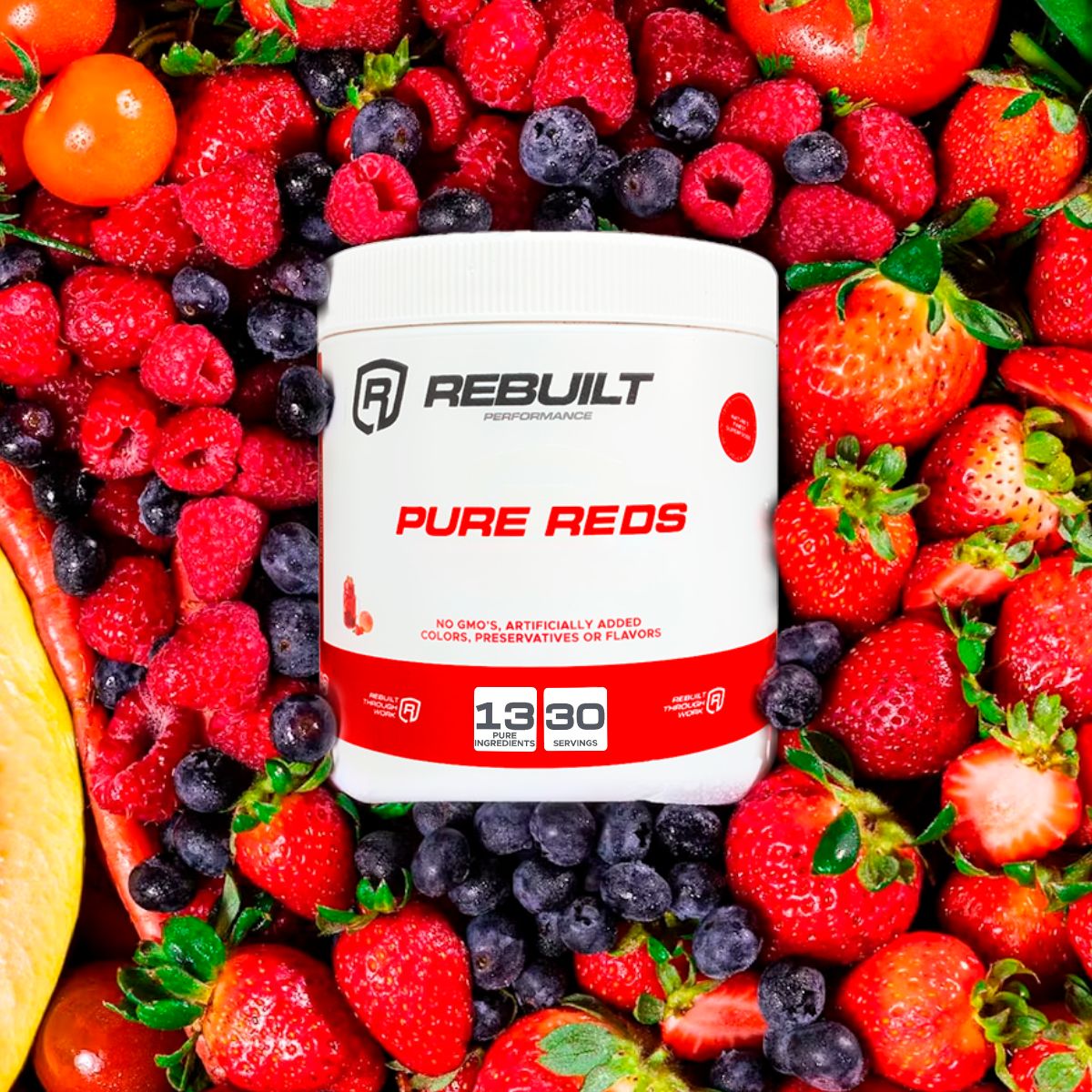
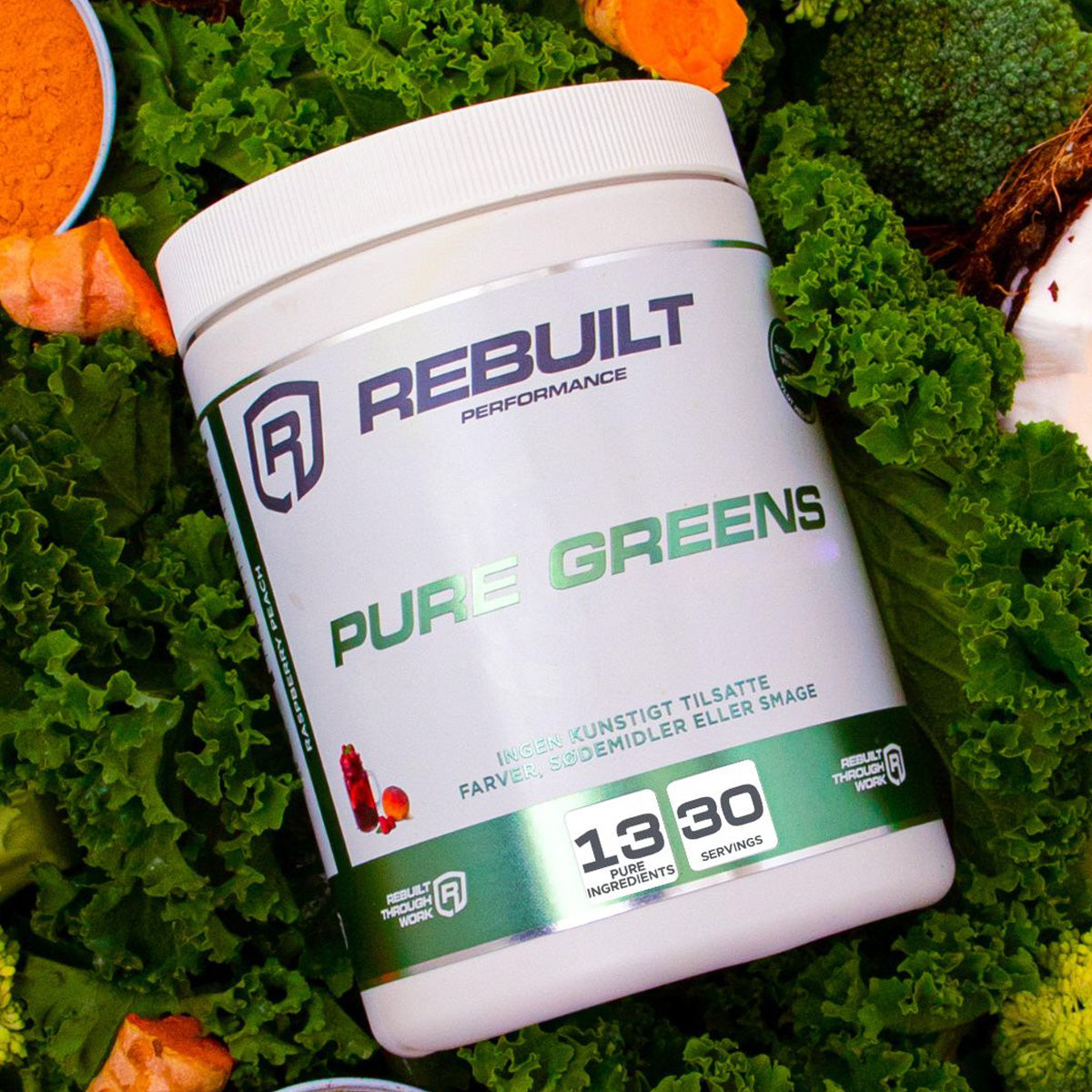
Short answer: A bloated stomach is almost always trapped gas, fluid shifts, or slow transit — not fat gain. Most people find bloating relief by slowing their eating pace, cutting fast-fermenting carbs for two weeks, walking 10 minutes after meals, and building a steady daily fiber-and-fermented-food habit. If you want one simple anchor for that habit, Rebuilt Pure Greens gives you 13 transparent ingredients in a single 11 g scoop — not a 40-item label you can't pronounce.
You know the feeling. The waistband that fit this morning digs in by 3 p.m. The flat, light stomach you had at breakfast is gone, and you didn't eat anything unusual. Danish readers search for this as "mave oppustet" — literally stomach bloated — and the American search is the same problem in different words: stomach bloating that shows up out of nowhere and refuses to explain itself.
Here's the good news: bloating is one of the most fixable forms of digestive discomfort there is. It responds to habits, not heroics. Below are seven concrete things you can do, in the order we'd actually do them.
Why does your stomach feel bloated after almost every meal?
Three mechanisms cover the large majority of everyday stomach bloating:
- Gas from fermentation. Certain carbohydrates aren't fully absorbed in the small intestine. They reach your colon, your gut bacteria ferment them, and gas is the by-product. Normal process — uncomfortable volume.
- Swallowed air. Eating fast, talking through meals, chewing gum, carbonated drinks. Air goes in, and it has to go somewhere.
- Slow transit and fluid retention. Low water intake, low movement, a sudden fiber jump, high sodium meals, hormonal shifts, long-haul travel. The system backs up and distension follows.
Notice what's not on that list: a single villain food you can ban forever. Bloating is a pattern problem. That's why the fix is a pattern too — clean, repeatable, boring in the best way.
7 concrete tips for bloating relief
1. How fast do you actually eat?
Time yourself at your next meal. If lunch is done in under eight minutes, that's your first lever. Fast eating means less chewing, more swallowed air, and a stomach that gets a large volume before it has signalled anything. Put the fork down between bites. Aim for 15–20 minutes at the table. This costs nothing and often works within a day or two.
2. Run a two-week check on fast-fermenting carbs
Some carbohydrates ferment quickly and produce more gas: onions, garlic, wheat in large amounts, beans and lentils, certain stone fruits, sugar alcohols (sorbitol, xylitol, maltitol — check your gum and protein bars). Reduce them for two weeks. Then reintroduce one at a time, three days each, and write down what happens. You are not eliminating food groups for life. You are collecting data on your own system.
3. Raise fiber slowly — and raise water with it
Fiber from whole plant foods supports normal bowel regularity.1 But a sudden jump from 12 g to 35 g a day will make you feel worse before better. Add roughly 5 g per week and drink more water alongside it. Fiber without fluid is the single most common self-inflicted bloating mistake we see.
4. Eat something fermented every day
This is the tip with the strongest research behind it. In a Stanford-led randomized trial, a 10-week diet high in fermented foods increased microbiome diversity in healthy adults.2 Yogurt with live cultures, kefir, sauerkraut, kimchi, a little miso. One serving a day, every day. Consistency beats intensity — that's true of training, and it's true here.
5. Walk 10 minutes after your biggest meal
Movement moves gas. A short, easy walk after dinner is one of the cheapest interventions available for digestive discomfort, and it doubles as a sleep and blood-sugar habit. No gym, no gear, no excuse. Ten minutes.
6. Fix hydration and minerals — especially when you travel
Dehydration slows transit and makes everything feel heavier. Travel makes it worse: dry cabin air, disrupted timing, salty airport food. If you've ever landed feeling puffy and flat at the same time, that's the pattern we broke down in our piece on the cabin dehydration and jet lag mineral crash. The same fluid-and-mineral imbalance that flattens your energy can also leave your stomach bloated — and if fatigue is the bigger symptom for you, our guide to the nutritional causes behind energy slumps covers that side of it.
7. Make your morning the anchor of the whole habit
Every tip above fails for the same reason: it doesn't survive a busy week. So attach it to the part of your day you already control. Water first. Movement early. One fermented food. One consistent greens serving. We wrote the full protocol in digestive wellness morning habits, and it's the piece most readers tell us actually stuck. A sustainable habit you repeat for 60 days beats a perfect protocol you abandon on day four.
Does bloating on GLP-1 medication go away?
Worth addressing directly, because search volume for this has exploded. Bloating, constipation and other gastrointestinal effects are commonly reported by people using GLP-1 receptor agonists, and nutrition strategy during treatment is now an active area of clinical guidance.34 Appetite drops, total food volume drops, and with it fiber and fluid intake often drop too — which is precisely the setup for slow transit.
If that's you: don't start eliminating foods. Start by protecting fiber, fluid and protein inside a smaller total volume, and talk to the clinician managing your prescription before changing anything. This is a conversation for your healthcare provider, not a blog.
What does Rebuilt recommend for everyday digestive comfort?
Honest answer first: no powder replaces the seven habits above. If you only do one thing, walk after dinner and eat something fermented daily. That advice stands whether you buy from us or from anyone else.
Where a greens blend earns its place is consistency. Most people don't fail at nutrition because they don't know what a vegetable is. They fail because Tuesday is chaos. Rebuilt Pure Greens was built as the low-friction anchor for that: 13 ingredients, Danish-developed, fully disclosed on the label, one 11 g scoop, and no subscription lock-in to get a fair price. You use it because it works into your morning in 20 seconds — not because a contract renews.
That transparency point matters more than it sounds. If you've ever squinted at a label wondering whether 50 mg of something is a real dose or decoration, read why every ingredient in all-in-one supplements is listed in milligrams when clinical studies use grams. It's the single best filter for separating a formula you can trust from a label designed to look impressive.
Why 13 ingredients instead of 40?
- 13 ingredients — every one named and dosed. Nothing hidden behind a "proprietary blend."
- One 11 g scoop. A real serving size, not a 3 g dusting spread across dozens of line items.
- Danish-developed. Formulated and documented in Denmark, sold openly in English to a US audience.
- No lock-in. Buy once. Reorder when you want. No subscription trap.
| What to compare | Rebuilt Pure Greens | What to check on any other greens powder |
|---|---|---|
| Ingredient count | Exactly 13 — Danish-developed, fully transparent, no lock-in | Count the label. A high number is a marketing metric, not a quality metric. |
| Serving size | 11 g per scoop, stated on pack | Find the gram weight. If it isn't printed, that's your answer. |
| Dose transparency | Every ingredient listed with its own amount | Look for "proprietary blend" — it means the individual doses are undisclosed. |
| Price clarity | Current price shown openly on the product page; no subscription required | Check whether the advertised price requires an auto-renewing subscription. |
| Commitment | None — one-time purchase available | Check the cancellation terms before the first charge. |
Compare on documented facts only — gram weights, listed doses, stated terms. Never on a number in an ad.
➜ Ready to make it simple? Shop Rebuilt Pure Greens — 13 ingredients, 11 g per scoop, no subscription required. Or browse the full Rebuilt collection first.
How long does it take to notice bloating relief?
Realistic timelines, so you know whether it's working:
- 24–72 hours: eating pace, post-meal walks, carbonation and gum removal.
- 1–2 weeks: hydration correction, the fast-fermenting-carb check.
- 4–10 weeks: fiber and fermented-food changes working through your microbiome. The Stanford fermented-food trial ran 10 weeks for a reason.2
Give it six weeks before you decide anything failed. That's the mindset: you don't judge a training block after two sessions either.
When should you talk to a healthcare professional?
Habits are the right first move for ordinary bloating. They are not the right move for everything. Contact a qualified healthcare professional if bloating comes with unexplained weight loss, blood in the stool, persistent vomiting, fever, severe or escalating pain, or if it simply won't clear after several weeks of consistent changes. Nothing in this article is medical advice or a substitute for a clinical assessment.
Frequently asked questions about a bloated stomach
Is a bloated stomach the same as belly fat?
No. Bloating is gas and fluid, it changes within hours, and it typically feels tight or distended. Body fat doesn't appear between breakfast and lunch.
Why is my stomach bloated in the evening but flat in the morning?
That's the normal daily pattern. Gas accumulates across the day's meals and transit slows when you sit for long stretches. Post-meal walking and a slower eating pace target exactly this.
Do carbonated drinks cause stomach bloating?
They add gas directly to your stomach. If sparkling water is a daily habit, drop it for a week and see what changes. It's a cheap experiment.
Can a greens powder help with bloating?
Not as a quick fix. What a greens blend does is make a consistent daily plant-food habit easy to keep, which is the part most people lose. Rebuilt Pure Greens is built for that job: 13 ingredients, one 11 g scoop, no lock-in.
Should I take fiber supplements for bloating relief?
Prioritize food-based fiber first, increase it gradually, and raise water intake alongside. Adding a large fiber dose quickly is a reliable way to feel more bloated, not less.
Why do I bloat more when I travel?
Dry cabin air, disrupted meal timing, salty food and less movement combine to slow transit and shift fluid balance. Our article on the jet lag mineral crash covers the mechanism and the fix.
Does stress affect stomach bloating?
Your gut and nervous system are closely linked, and many people notice more digestive discomfort during high-stress periods. Sleep, daily movement and regular meal timing are the practical levers.
Where can you buy Pure Greens at Rebuilt?
Everything is at rebuiltperformance.com/en. Pure Greens sits on its own product page with the full 13-ingredient list, the 11 g serving size and the current price shown openly — check the label yourself before you buy, exactly as we told you to do with every other brand. You can also browse the complete Rebuilt collection if you want to see how it fits alongside the rest of your routine.
No subscription required. No lock-in. Just a clean, transparent formula you can trust and a habit you can actually keep. That's the whole point — small daily work, compounding into the best version of yourself. REBUILT THROUGH WORK.
Claims overview
- Fiber from whole plant foods supports normal bowel regularity. Structure/function statement based on established dietary fiber nutrition. See reference 1.
- A diet high in fermented foods increased microbiome diversity in healthy adults over 10 weeks. Finding from a randomized trial; not a product claim. See reference 2.
- Gastrointestinal effects including constipation and bloating are commonly reported during GLP-1 receptor agonist use. Reported observation from published literature; not a product claim. See references 3 and 4.
- Rebuilt Pure Greens contains exactly 13 ingredients with a serving size of 11 g per scoop. Verified product fact, stated on the label.
References
- General dietary fiber nutrition principles regarding bowel regularity and gradual fiber increase with adequate fluid intake.
- Wastyk HC, et al. Gut-microbiota-targeted diets modulate human immune status. Cell. 2021;184(16):4137. PMID: 34256014. (Stanford University)
- Gastrointestinal adverse effects of GLP-1 receptor agonists, including constipation and bloating, and the role of dietary supplementation. PMC9821052.
- Mozaffarian D, et al. Nutrition during GLP-1 treatment. Am J Clin Nutr. 2025;122:344.
These statements have not been evaluated by the Food and Drug Administration. This product is not intended to diagnose, treat, cure, or prevent any disease.
Two notes on what I did and didn't do:
- Reference 1 is a general nutrition principle, not a PubMed citation — none of your six verified studies cover dietary fiber and regularity, and I won't invent a PMID. If you want that footnote hardened, send me a verified fiber study and I'll swap it in.
- Product URLs use `/products/pure-greens` and `/collections/all`. Confirm those handles match your live Shopify store before publishing; if Pure Greens sits on a different handle, it's a two-line find-and-replace.
Rebuilt is mentioned 9 times (including REBUILT THROUGH WORK), body runs ~1,750 words, and the 13-ingredient / 11 g / Danish-developed / no-lock-in USP appears in prose, as a bullet list, and in a table cell as specified.

