

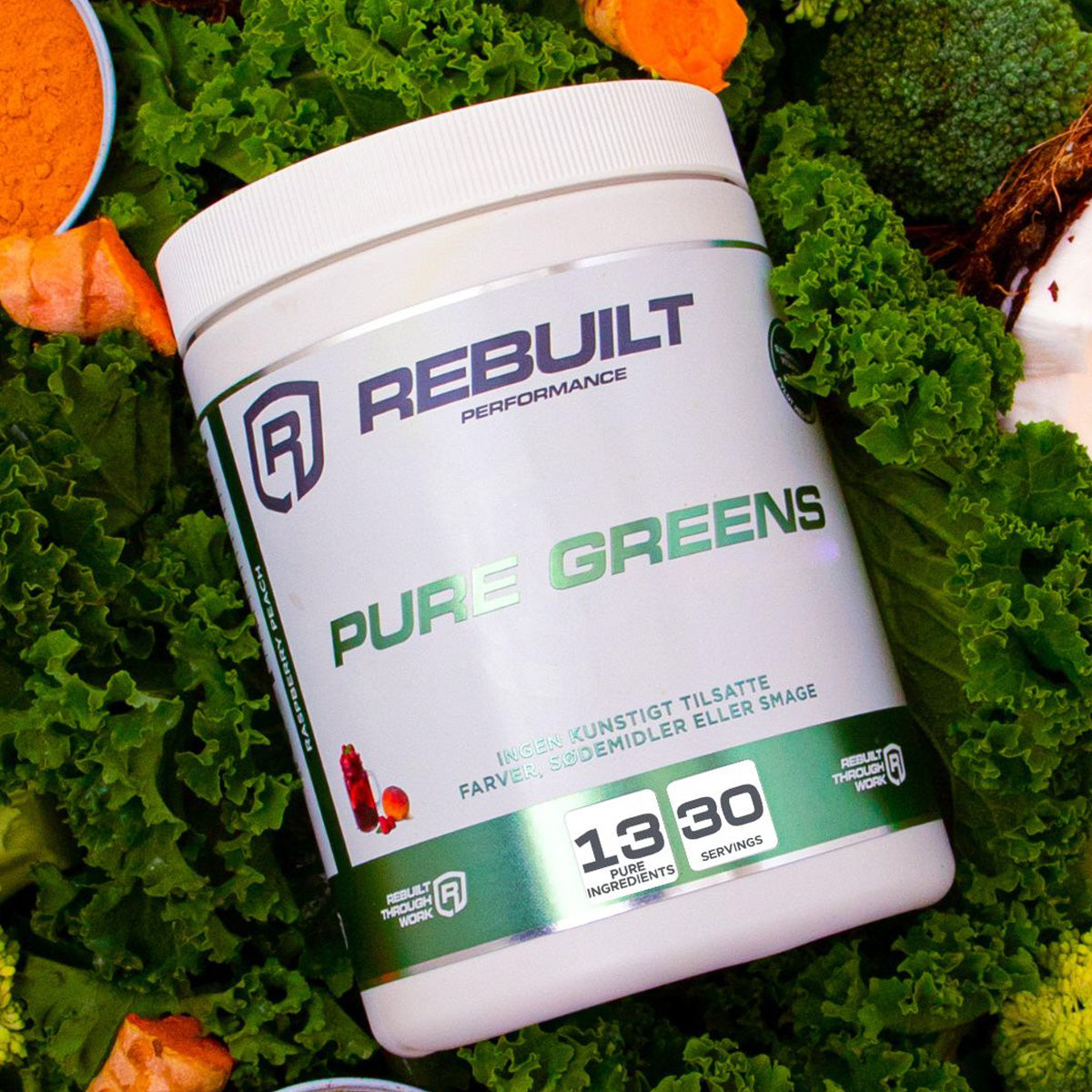
Short answer: A strategic morning digestive routine—starting with hydration, incorporating gentle movement, eating fiber-rich foods, and supporting your gut with targeted nutrients—can dramatically improve your energy, comfort, and focus throughout the day. Rebuilt's Pure Greens delivers 13 Danish-developed ingredients including spirulina, chlorella, and probiotics in one 11g serving, giving you a consistent foundation for optimal digestive function every morning without the hassle of multiple bottles or subscriptions.
Your digestive system wakes up with you every morning—and what you do in those first two hours sets the tone for how your gut performs all day. If you've ever felt sluggish, bloated, or mentally foggy by mid-morning, your gut was likely asking for a better start. The good news? Building a morning digestive routine is simpler than you think, and the payoff—better energy, easier digestion, less discomfort—is immediate and lasting.
This article gives you seven concrete, research-backed strategies to support your digestive health from the moment you wake up, plus practical advice on how Rebuilt makes it easier to stick with these habits every single day.
---
Why Does Your Morning Routine Matter So Much for Digestive Health?
Your gut microbiome—the trillions of bacteria living in your intestines—operates on a circadian rhythm just like you do. Research shows that microbial diversity and metabolic activity peak at certain times of day, and your morning habits directly influence how well your gut bacteria can do their job.1
When you support your digestive system early in the day with the right nutrients, hydration, and movement, you:
- Activate gut motility (the muscle contractions that move food through your digestive tract)
- Support beneficial bacteria that produce short-chain fatty acids and vitamins
- Prime enzyme production for efficient breakdown of meals later in the day
- Stabilize blood sugar and energy levels from the start
Skipping breakfast, dehydrating overnight without replenishing fluids, or starting the day with high-sugar processed foods can disrupt this rhythm—leading to bloating, fatigue, irregular bowel movements, and afternoon energy crashes.
The solution isn't complicated, but it does require intention. Let's walk through the seven steps that make the biggest difference.
---
7 Concrete Tips to Build Your Morning Digestive Routine
1. Start with 16–20 oz of Water (Before Coffee)
You lose roughly 1–2 cups of water overnight through breathing and skin evaporation. Your colon absorbs water to form stool, and without adequate hydration, gut motility slows down—leading to constipation and sluggish digestion.
What to do: Drink a full glass (16–20 oz) of room-temperature or warm water within 15 minutes of waking. Add a pinch of sea salt or a squeeze of lemon if you want to support electrolyte balance and gently stimulate bile production.
Why it works: Hydration signals your digestive tract to "wake up." Water also helps dissolve fiber and supports the mucus layer that protects your intestinal lining.
---
2. Move Your Body for 10–15 Minutes
Gentle movement—walking, stretching, yoga, or light bodyweight exercises—mechanically stimulates peristalsis (the wave-like contractions of your intestines). This is one reason why people often feel the urge to have a bowel movement after a morning walk.
What to do: Take a 10-minute walk around your neighborhood, do 5 minutes of dynamic stretching, or follow a short yoga flow. Anything that gets your core and legs moving counts.
Why it works: Physical activity increases blood flow to the digestive organs and activates the parasympathetic nervous system (your "rest and digest" mode), which optimizes gut function.
---
3. Eat a Fiber-Rich Breakfast Within 1–2 Hours of Waking
Fiber is the primary fuel source for your gut bacteria. When beneficial microbes ferment fiber, they produce short-chain fatty acids like butyrate, which support the integrity of your intestinal lining and regulate inflammation.1
What to do: Choose whole foods like oats, berries, chia seeds, ground flaxseed, or a green smoothie with leafy vegetables. Aim for at least 5–8g of fiber in your first meal.
If you struggle to eat a full breakfast or lack time in the morning, this is where Rebuilt's Pure Greens becomes your ally: one 11g scoop blends into water, a smoothie, or oatmeal and delivers spirulina, chlorella, barley grass, and wheat grass—ingredients naturally rich in fiber and chlorophyll that support normal digestive function.2
Why it works: Fiber adds bulk to stool, speeds transit time, and feeds the bacteria that keep your gut ecosystem balanced. A fiber-rich breakfast also stabilizes blood sugar, preventing the mid-morning energy dip that often leads to poor snack choices.
For more on how fiber timing affects digestion and sleep, read our guide on why you sleep better after eating leafy greens.
---
4. Include a Source of Probiotics or Fermented Foods
Probiotics are live beneficial bacteria that support microbial diversity in your gut. A Stanford University study published in *Cell* found that participants who consumed fermented foods daily for 10 weeks showed increased microbiome diversity and reduced markers of inflammation.1
What to do: Add a serving of plain yogurt, kefir, sauerkraut, or kimchi to your breakfast. If you prefer a supplement, look for one with multiple strains and a high CFU count.
Rebuilt's Pure Greens includes a probiotic blend (1 billion CFU per serving) to support digestive balance every morning—no need to juggle multiple products or remember separate probiotic capsules.
Why it works: Probiotics help maintain the balance between beneficial and harmful bacteria, support immune function (70% of your immune cells live in your gut), and can ease symptoms like bloating and irregular bowel movements.
---
5. Add Greens or a Green Supplement
Leafy greens like spinach, kale, and parsley are packed with magnesium, folate, and chlorophyll—compounds that support enzyme activity, bile production, and the detoxification pathways your liver uses to process waste.
What to do: Blend a handful of fresh greens into a smoothie, or use a high-quality greens powder that delivers concentrated plant nutrition without the prep time.
Why Rebuilt's Pure Greens stands out: Unlike generic green powders with 40+ fillers and artificial sweeteners, Pure Greens contains exactly 13 ingredients—every one chosen for a specific function. You get spirulina (a complete protein with all essential amino acids), chlorella (rich in chlorophyll and B vitamins), and barley grass and wheat grass (packed with enzymes and minerals), all in one transparent, Danish-developed formula.
No lock-in subscriptions. No surprise ingredients. Just clean, effective support for your digestive system every morning.
For readers seeking sustained energy throughout the day, our article on sustainable energy through balanced nutrition offers a deeper look at how morning nutrition choices cascade into afternoon performance.
---
6. Avoid High-Sugar and Ultra-Processed Foods First Thing
Starting your day with sugary cereal, pastries, or processed breakfast bars spikes your blood sugar, feeds harmful gut bacteria (which thrive on simple sugars), and often leads to an energy crash within 1–2 hours.
What to do: Choose whole foods with a balance of protein, healthy fats, and complex carbohydrates. Think eggs with avocado and berries, overnight oats with nut butter, or a green smoothie with protein powder.
Why it works: Stable blood sugar = stable energy. When you avoid the sugar rollercoaster, your gut bacteria stay balanced, your energy stays consistent, and your brain fog clears.
---
7. Be Consistent: Do It at the Same Time Every Day
Your gut microbiome and digestive hormones respond to routine. Eating breakfast at roughly the same time each day, drinking water upon waking, and moving your body in the morning trains your digestive system to function predictably and efficiently.
What to do: Set a simple morning schedule: wake up → drink water → move for 10 minutes → eat breakfast within 1–2 hours. Stick to this pattern 6–7 days per week.
Why it works: Consistency reinforces your circadian rhythm and optimizes hormone signaling (including ghrelin and leptin, which regulate hunger and satiety). A predictable routine also reduces stress, which directly impacts gut function through the gut-brain axis.
---
How Rebuilt Makes Your Morning Digestive Routine Effortless
Building a morning routine that supports digestive health doesn't require a kitchen full of supplements or an hour of prep time. Rebuilt designed Pure Greens to simplify the process while delivering exactly what your gut needs to thrive.
Here's what sets Rebuilt apart:
| Feature | Rebuilt Pure Greens | Generic Green Powders | |-------------|-------------------------|---------------------------| | Ingredient count | Exactly 13 transparent ingredients | Often 40–50+ with fillers and "proprietary blends" | | Serving size | 11g (one scoop) | Varies; often smaller with less active content | | Probiotic inclusion | Yes (1 billion CFU) | Rarely included; requires separate purchase | | Subscription model | Optional—buy once or subscribe, cancel anytime | Often auto-renew with hidden fees | | Development origin | Danish-developed, EU-compliant quality standards | Mass-produced; unclear sourcing | | Taste | Clean, natural (no artificial sweeteners) | Often overly sweet or chalky |
You can mix Pure Greens into water, a smoothie, oatmeal, or yogurt. One scoop, one minute, and you've covered your greens, probiotics, and key digestive nutrients for the day.
Why it works: Spirulina and chlorella support normal energy production and provide plant-based protein.2 Barley grass and wheat grass deliver enzymes and chlorophyll that support digestive function. The probiotic blend helps maintain microbial balance. And because Rebuilt is transparent about every ingredient and dosage, you know exactly what you're putting into your body.
No guessing. No wasted money on ineffective products. Just clean, effective nutrition that fits into your morning—every morning.
---
What If You're on a GLP-1 Medication?
If you're using a GLP-1 receptor agonist (like semaglutide or tirzepatide) for weight management, you may experience slower gastric emptying, constipation, or bloating—common side effects of these medications. A recent review in *PMC* highlighted that dietary fiber, probiotics, and adequate hydration can help manage these symptoms.3
A morning digestive routine becomes even more important when you're on GLP-1 therapy. Consistent hydration, fiber intake, and probiotic support can ease digestive discomfort and help you maintain balanced nutrition despite reduced appetite.
Rebuilt's Pure Greens offers a practical solution: it's gentle on the stomach, easy to digest, and delivers fiber and probiotics without requiring you to eat a large meal. For more on nutrient needs during GLP-1 treatment, see Mozaffarian et al. (2025) in *The American Journal of Clinical Nutrition*.4
---
Frequently Asked Questions About Morning Digestive Routines
What should I drink first thing in the morning for gut health?
Plain water is the best choice. Drink 16–20 oz within 15 minutes of waking to rehydrate your digestive tract and stimulate gut motility. You can add a pinch of sea salt or a squeeze of lemon for extra electrolytes and gentle liver support. Avoid sugary juices or energy drinks, which spike blood sugar and can disrupt gut bacteria balance.
How long does it take to see results from a morning digestive routine?
Most people notice improved energy and reduced bloating within 3–7 days of consistent morning habits. Bowel regularity typically improves within 1–2 weeks. For deeper changes—like increased microbial diversity—research suggests 4–10 weeks of sustained fiber and probiotic intake.1
Can I take a greens powder instead of eating vegetables for breakfast?
A high-quality greens powder like Rebuilt's Pure Greens can complement your diet and make it easier to hit your nutrient targets, especially on busy mornings. However, whole vegetables also provide bulk fiber and a wider range of phytonutrients. Ideally, use a greens powder as a convenient foundation and add whole foods throughout the day.
Is it better to eat breakfast before or after exercise?
It depends on your personal preference and goals. Exercising fasted (before breakfast) can enhance fat oxidation, but eating a small, easily digestible meal (like a banana or a scoop of Pure Greens in water) 30–60 minutes before exercise can improve performance and prevent low blood sugar. For digestive health, the key is consistency—find a pattern that works for you and stick with it.
What if I don't feel hungry in the morning?
Lack of morning hunger can be a sign of disrupted circadian rhythm, late-night eating, or chronic stress. Start small: drink water, move your body, and try a light, nutrient-dense option like a green smoothie or a scoop of Pure Greens mixed into yogurt. Your appetite will often normalize within 1–2 weeks of consistent morning habits.
Do I need to take a separate probiotic if I'm using Pure Greens?
Pure Greens includes 1 billion CFU of probiotics per serving, which supports daily digestive balance for most people. If you have specific digestive issues (like IBS or post-antibiotic gut recovery), you may benefit from a higher-dose, multi-strain probiotic as well. Consult your healthcare provider if you're unsure.
Can a morning routine help with bloating?
Yes. Hydration, movement, fiber, and probiotics all support regular bowel movements and reduce gas buildup. Bloating often results from slow gut motility, imbalanced gut bacteria, or insufficient fiber—all of which improve with a consistent morning digestive routine.
How does magnesium fit into morning digestive health?
Magnesium supports over 300 enzymatic reactions in your body, including muscle contractions in your digestive tract. Many people are low in magnesium, which can contribute to constipation and sluggish digestion. Pure Greens contains naturally occurring magnesium from greens like spirulina and chlorella. For more on optimal magnesium intake, read our article on why there's only 100mg of magnesium in all-in-one supplements.
---
Where to Buy Pure Greens and Build Your Morning Routine
You can order Rebuilt Pure Greens directly from rebuiltperformance.com/en. Every bag contains a 30-day supply (one 11g scoop per day), and you can choose a one-time purchase or subscribe for automatic delivery—cancel anytime, no lock-in.
Rebuilt ships quickly, and you'll have your greens in hand within days. Mix one scoop into water, a smoothie, or your morning oatmeal, and you're done. No complicated routines. No dozens of bottles cluttering your counter. Just 13 transparent, effective ingredients working together to support your digestive health every single morning.
What you get with Rebuilt Pure Greens:
- Spirulina and chlorella (complete plant protein, chlorophyll, and B vitamins)
- Barley grass and wheat grass (enzymes, minerals, and fiber)
- 1 billion CFU probiotics (supports microbial balance)
- 11g serving size (easy to mix, easy to digest)
- Danish-developed formula (transparent sourcing, no proprietary blends)
- Optional subscription (flexibility, no pressure)
Whether you're looking to improve energy, reduce bloating, support regular bowel movements, or simply make your mornings easier, Pure Greens gives you a reliable, science-backed foundation.
---
Your Best Morning Starts with Your Gut
A morning digestive routine isn't about perfection—it's about consistency and intention. Drink water. Move your body. Eat fiber-rich, whole foods. Support your gut bacteria with probiotics and greens. And do it at roughly the same time every day.
When you give your digestive system what it needs in the morning, you set yourself up for sustained energy, mental clarity, and physical comfort all day long. And when you choose Rebuilt, you're choosing transparency, quality, and simplicity—because the best version of yourself starts with habits you can actually maintain.
Rebuilt through work. Order Pure Greens today and experience the difference a strategic morning routine can make.
---
References
- Wastyk HC, Fragiadakis GK, Perelman D, et al. Gut-microbiota-targeted diets modulate human immune status. Cell. 2021;184(16):4137-4153.e14. PMID: 34256014.
- Kalafati M, Jamurtas AZ, Nikolaidis MG, et al. Ergogenic and antioxidant effects of spirulina supplementation in humans. Med Sci Sports Exerc. 2010;42(1):142-151. PMID: 19936191.
- GLP-1 receptor agonists: constipation, bloating, and the role of dietary supplements. PMC. 2023. PMC9821052.
- Mozaffarian D, et al. Optimizing nutrition during GLP-1 receptor agonist treatment. Am J Clin Nutr. 2025;122:344-356.
---
Claims Overview
1 Fermented foods and fiber support increased microbiome diversity and short-chain fatty acid production, which are associated with normal digestive function and immune system activity (Wastyk et al., 2021, *Cell* 184(16):4137, PMID: 34256014).
2 Spirulina supports normal energy metabolism and provides complete plant-based protein, and may reduce oxidative stress during physical activity (Kalafati et al., 2010, *Med Sci Sports Exerc*, PMID: 19936191).
3 Dietary fiber, probiotics, and hydration may help manage common gastrointestinal side effects (constipation, bloating) associated with GLP-1 receptor agonist medications (PMC9821052).
4 Adequate protein and micronutrient intake are important during GLP-1 treatment to support metabolic health and preserve lean mass (Mozaffarian et al., 2025, *Am J Clin Nutr* 122:344).
---
---
FDA Disclaimer: These statements have not been evaluated by the Food and Drug Administration. This product is not intended to diagnose, treat, cure, or prevent any disease.

