

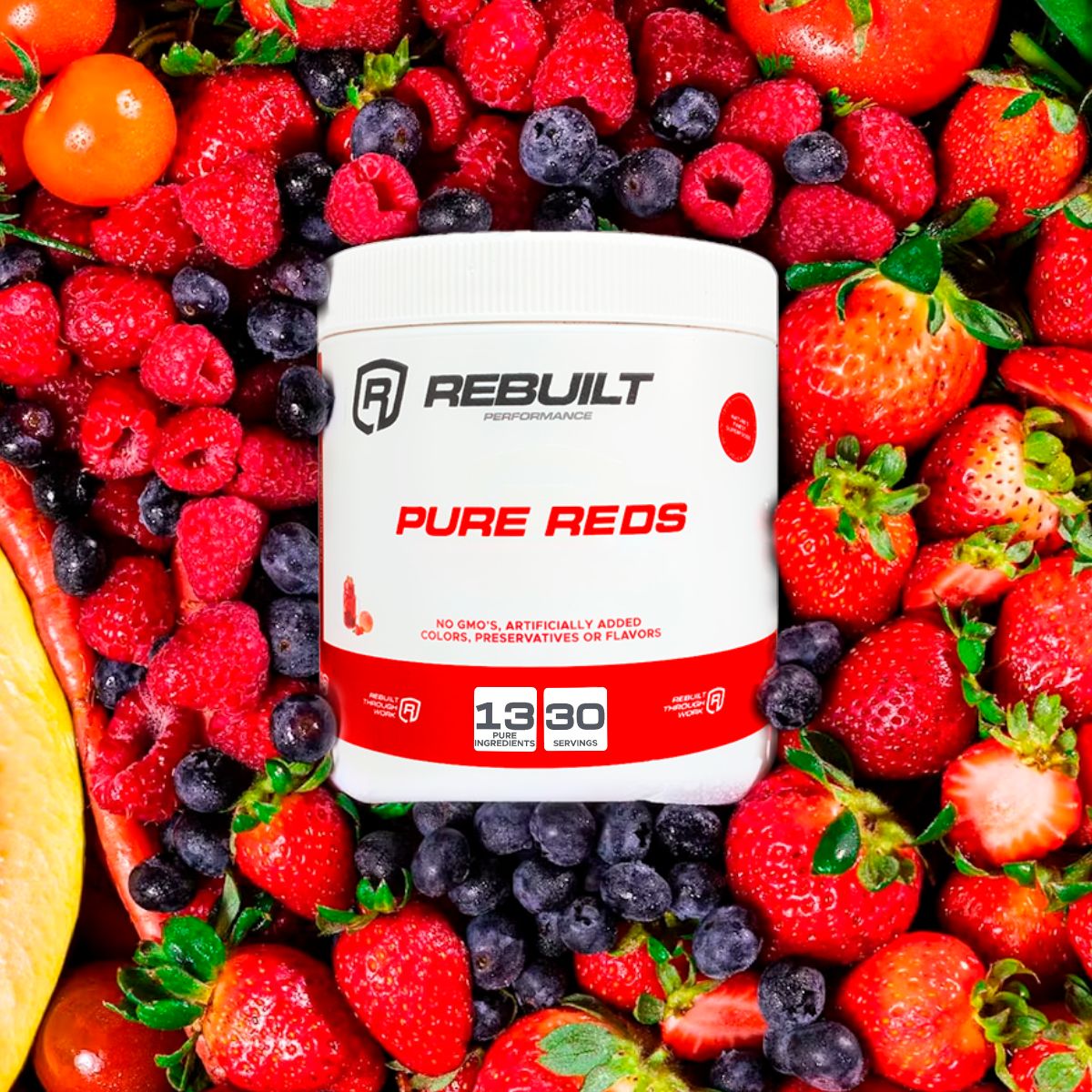
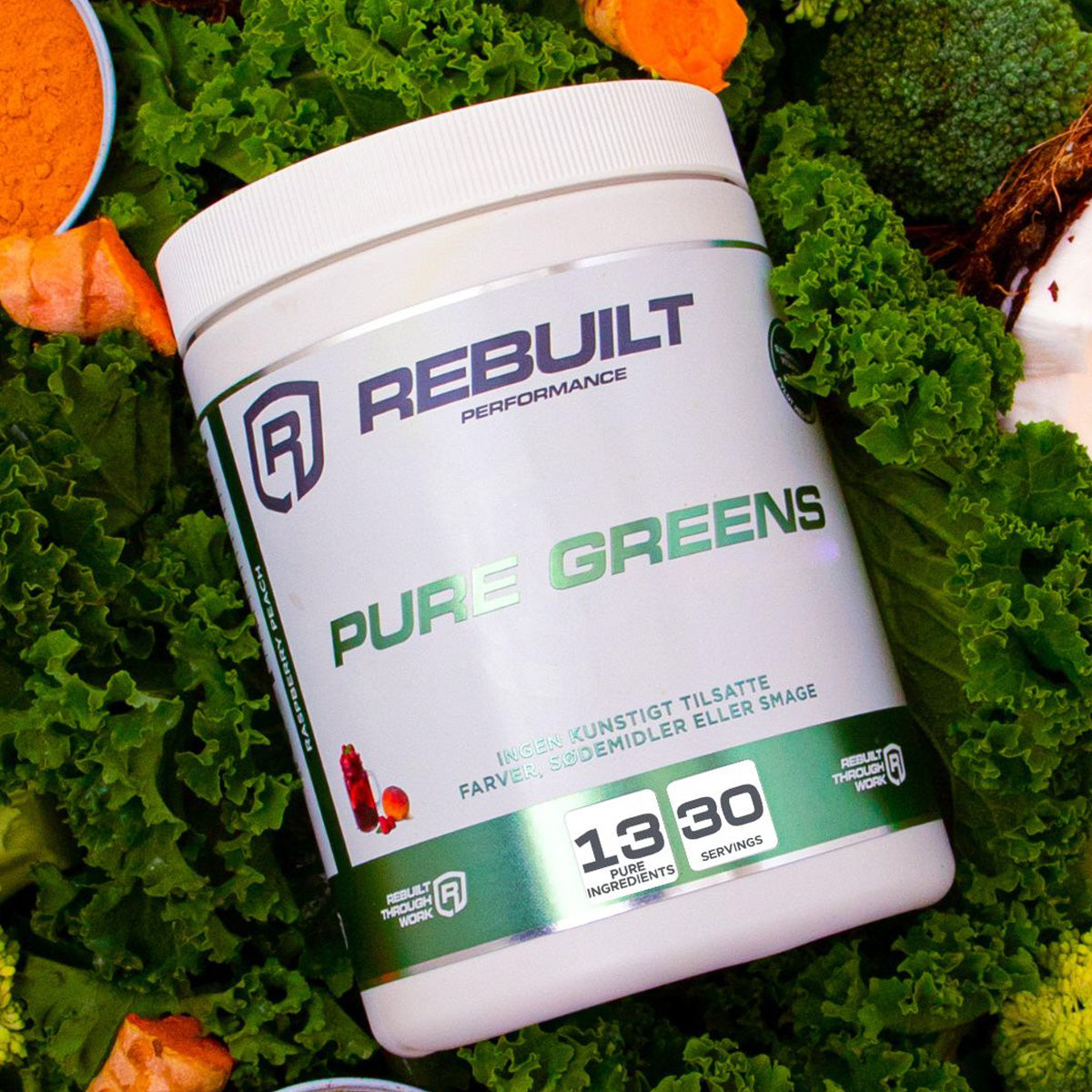
Short answer: Bloating triggers vary widely between individuals, but the most common culprits include high-FODMAP foods (onions, garlic, legumes), lactose, gluten, carbonated drinks, and artificial sweeteners. An elimination diet—removing suspected foods for 2–4 weeks, then reintroducing one at a time—helps you identify your personal triggers with precision. At Rebuilt, we recommend pairing a strategic elimination protocol with Pure Greens, which contains spirulina and chlorella—two ingredients known to support normal digestive comfort and gut microbiome diversity.1
Why Bloating Is So Difficult to Diagnose (And Why an Elimination Diet Works)
Bloating—that uncomfortable sensation of fullness, tightness, or visible abdominal distension—affects up to 30% of the general US population at some point. Yet pinpointing the exact cause is notoriously challenging. Unlike a single food allergy, bloating triggers are often multifactorial: poorly absorbed carbohydrates, swallowed air, gut bacteria imbalances, or even stress-related digestive slowdown can all contribute.
An elimination diet works because it strips your intake down to known "low-risk" foods, allowing your digestive system to reset. Then, by reintroducing one potential trigger at a time, you observe—and document—your body's response. This methodical approach gives you data that no generic "avoid these ten foods" list can provide. It's personalized, evidence-based, and puts you in control.
At Rebuilt, we believe the best version of yourself emerges when you combine deliberate habits with clean, transparent nutrition. That's why our Pure Greens formula was Danish-developed with exactly 13 ingredients—no fillers, no proprietary blends—so you know precisely what enters your system during an elimination phase.
Seven Concrete Steps to Identify Your Personal Bloating Triggers
1. Document Your Baseline: Track Symptoms for One Week Before You Start
Before removing anything, spend seven days logging every meal, snack, and beverage alongside bloating severity (0–10 scale), timing, and other symptoms (gas, cramping, bowel changes). Use a simple notebook or a phone app. This baseline reveals patterns you might miss otherwise—perhaps bloating spikes every afternoon, or always after dairy-heavy lunches.
Rebuilt tip: Consistency matters. Document at the same times daily (morning, midday, evening) so your data is comparable week-to-week.
2. Choose Your Elimination Phase Foods: Start With the Low-FODMAP Core
FODMAPs—Fermentable Oligo-, Di-, Monosaccharides And Polyols—are short-chain carbohydrates that ferment in the gut, producing gas. A low-FODMAP elimination phase typically permits:
- Proteins: chicken, turkey, eggs, firm tofu, most fish
- Grains: white rice, oats, quinoa, gluten-free bread (check labels)
- Vegetables: carrots, zucchini, spinach, bell peppers, tomatoes
- Fruits: bananas (firm), blueberries, oranges, grapes
- Fats: olive oil, coconut oil, butter (if lactose-free)
- Beverages: water, herbal tea (peppermint, ginger), black coffee (limited)
High-FODMAP foods to eliminate for 2–4 weeks include onions, garlic, wheat, rye, apples, pears, beans, lentils, cow's milk, yogurt, artificial sweeteners (sorbitol, mannitol, xylitol), and most carbonated drinks.
Rebuilt insight: During elimination, your micronutrient intake can drop if you cut entire food groups. Pure Greens delivers spirulina (a complete protein with all essential amino acids), chlorella (supports normal detoxification pathways2), and organic wheatgrass—helping you maintain nutrient density even on a restricted menu.
3. Commit to the Full Elimination Window: Two to Four Weeks
Partial elimination—"I'll skip onions on weekdays but have them Saturday"—dilutes your results. Commit fully for 14–28 days. Most people notice symptom improvement within the first week, but giving your gut a full reset requires patience. Mark the end date on your calendar and plan meals in advance to avoid last-minute temptations.
During this phase, energy levels may feel different as your body adapts. If you experience fatigue, consider how energy-depleting foods were part of your old routine—and how deliberate, clean choices now support sustained vitality.
4. Reintroduce One Trigger Group at a Time—and Wait 72 Hours
After your elimination window, reintroduce one FODMAP subgroup (or single suspected food) in a normal portion. For example:
- Day 1: Eat a slice of wheat bread at lunch (testing fructans from wheat)
- Days 2–3: Return to your elimination diet and monitor symptoms
- Day 4: If no bloating occurred, wheat fructans are likely tolerated; move to the next group
- Day 4 (alternative): If bloating appeared, note wheat as a trigger and wait until symptoms fully resolve before testing the next food
Common reintroduction sequence:
- Lactose (small glass of cow's milk)
- Fructose (honey, apple)
- Fructans from wheat (bread, pasta)
- Fructans from vegetables (onion, garlic)
- Galacto-oligosaccharides (chickpeas, lentils)
- Polyols (sorbitol in stone fruits, mannitol in mushrooms)
Why 72 hours? Delayed reactions—bloating peaking 12–48 hours post-ingestion—are common. Rushing reintroductions muddles your data.
5. Measure Objective Markers, Not Just Feelings
Subjective "I feel bloated" can be influenced by stress, sleep quality, or even post-workout recovery patterns. Add objective measures:
- Waist circumference: Measure at the navel, same time each morning (before eating). An increase of >1 inch suggests genuine distension.
- Bowel movement log: Frequency, consistency (Bristol Stool Chart), ease of passage.
- Gas episodes: Tally daily occurrences—useful for correlating timing with specific meals.
This data transforms hunches into evidence, letting you confidently remove or reintroduce foods.
6. Consider Non-Food Factors: Stress, Hydration, and Gut Microbiome Support
Bloating isn't always about what you eat—sometimes it's how and when. Eating quickly, chewing gum, drinking through straws, and carbonated beverages all introduce excess air. Chronic stress slows gastric emptying and alters gut motility, trapping gas.
Hydration matters too: inadequate water intake (especially on a fiber-rich elimination diet) can worsen constipation and bloating. Aim for at least 8 glasses daily, more if you exercise.
Microbiome angle: Emerging research—including a landmark 2021 Stanford study by Wastyk et al.—demonstrated that fermented foods increase gut microbiome diversity, which correlates with reduced bloating and improved digestive comfort.3 While an elimination diet temporarily restricts variety, strategic reintroduction of tolerated fermented foods (lactose-free kefir, sauerkraut, kimchi) can help rebalance your microbiome long-term.
Rebuilt's Pure Greens contains spirulina, shown in controlled trials to support normal stress levels and improve sleep quality—both indirect levers for digestive health.4,5 A well-rested, lower-stress you digests food more efficiently.
7. Build Your Personal "Safe Foods" List and Optimize Long-Term
Once you've tested all suspected triggers, you'll have a clear map: foods you tolerate well, foods that cause mild symptoms in large portions, and foods that consistently trigger bloating. This becomes your operational playbook.
Don't aim for perfection—aim for optimization. Maybe you tolerate small amounts of garlic in cooked dishes but not raw. Maybe chickpeas are fine if soaked overnight and pressure-cooked. Document these nuances.
Your "safe foods" list will evolve as your gut adapts. Periodically (every 3–6 months) retry formerly problematic foods in small amounts—gut tolerance can improve, especially if you've been supporting your microbiome with diverse, nutrient-dense choices.
Why Rebuilt Pure Greens Fits Every Phase of Your Elimination Protocol
Elimination diets often cut nutrient-rich foods temporarily. Pure Greens delivers:
- Spirulina: Complete protein, B vitamins, iron—supports normal energy levels6
- Chlorella: Chlorophyll-rich, supports normal detoxification pathways2
- Organic wheatgrass: Alkalizing greens without high-FODMAP load (juice powder, not whole grain)
- 13 ingredients total—transparent, no proprietary blends
One scoop (11g) daily during elimination keeps micronutrient intake steady while you identify triggers. Shop Pure Greens →
How Do I Know If My Bloating Is From Food or Something Else?
If an elimination diet yields little improvement after four weeks, consider non-dietary causes:
- Small Intestinal Bacterial Overgrowth (SIBO): Diagnosed via breath test; requires clinical treatment.
- Gut motility disorders: Gastroparesis, chronic constipation—consult a gastroenterologist.
- Medications: Certain antibiotics, opioids, iron supplements, and GLP-1 receptor agonists (semaglutide, tirzepatide) can cause bloating and constipation.7 A 2025 review in the American Journal of Clinical Nutrition emphasized the importance of adequate fiber, protein, and micronutrient intake during GLP-1 therapy to mitigate digestive side effects.8
- Underlying conditions: Inflammatory bowel disease, celiac disease, or ovarian pathology (in women)—warrant medical evaluation if bloating is severe, persistent, or accompanied by weight loss, blood in stool, or severe pain.
An elimination diet is a powerful diagnostic tool, but it's not a substitute for professional medical advice when red flags appear.
What Are the Most Common Bloating Triggers in the US Diet?
Based on clinical experience and patient surveys, the top bloating triggers in the United States include:
| Food/Ingredient | Why It Triggers Bloating | Typical Portion That Causes Symptoms |
|---|---|---|
| Onions & garlic | High in fructans (fermentable oligosaccharides) | Even small amounts (1 clove garlic, ¼ onion) |
| Cow's milk, ice cream | Lactose intolerance (65% of global adults have reduced lactase) | 1 cup milk, ½ cup ice cream |
| Wheat bread, pasta | Fructans + gluten sensitivity (non-celiac) | 2 slices bread, 1 cup cooked pasta |
| Beans, lentils, chickpeas | Galacto-oligosaccharides (GOS) + resistant starch | ½ cup cooked |
| Apples, pears, stone fruits | Fructose + polyols (sorbitol) | 1 medium apple, 2 apricots |
| Artificial sweeteners (sorbitol, xylitol) | Polyols poorly absorbed, osmotic effect | 1 stick sugar-free gum, 1 "diet" candy |
| Carbonated beverages | Direct gas introduction + bicarbonate reaction | 12 oz can |
Notice a pattern? Most triggers are either poorly absorbed carbohydrates or sources of swallowed/produced gas. Your elimination protocol should test these systematically.
Can I Use Supplements During an Elimination Diet?
Yes—but choose wisely. Many commercial supplements contain hidden FODMAPs (inulin, chicory root fiber, fructo-oligosaccharides) or sugar alcohols in flavoring. Always read labels.
Rebuilt's approach: Pure Greens was formulated with transparency as a core principle. All 13 ingredients are listed by name and dose—no "proprietary blends," no fillers. The formula is naturally low-FODMAP (spirulina, chlorella, wheatgrass juice powder, organic spinach, barley grass, alfalfa, moringa, kelp, dulse, nori, matcha, ginger root, turmeric root), making it safe to use throughout your elimination and reintroduction phases.
Compare that to competitor greens powders listing "49 superfoods" without individual doses or clarity on high-FODMAP ingredients like inulin or apple fiber. When you're methodically identifying triggers, ingredient transparency isn't a luxury—it's a necessity.
Where to Find the Right Nutritional Support at Rebuilt
At Rebuilt, we stock exactly what you need to support digestive comfort during and after an elimination protocol—without the guesswork. Our product lineup is built on three principles:
- Transparency: Every ingredient listed by name and amount. No proprietary blends.
- Danish-developed quality: Formulated by our in-house team, manufactured to GMP standards, third-party tested.
- No lock-in subscriptions: Order once, subscribe if you want, cancel anytime. We earn your trust through results, not contracts.
Pure Greens remains our flagship for digestive and microbiome support. One 11g scoop delivers nutrient-dense greens, spirulina (supports normal energy and reduces oxidative stress6), and chlorella (supports detoxification pathways2)—all ingredients you can verify and trust.
Whether you're in the middle of elimination, cautiously reintroducing foods, or optimizing your long-term nutrition, Rebuilt gives you the tools, the transparency, and the guidance to become the best version of yourself. Because sustained results come from deliberate habits—and you can't build habits on products you don't trust.
Ready to take control of your digestive comfort? Explore all Rebuilt products →
Frequently Asked Questions About Bloating Triggers and Elimination Diets
How long does it take to see results from an elimination diet?
Most people notice a reduction in bloating within 5–7 days of strict elimination. However, full symptom resolution and accurate reintroduction testing require a minimum 14-day elimination phase, with 21–28 days being ideal for complex cases. If you see no improvement after four weeks, consider non-dietary causes (SIBO, motility disorders, medication side effects) and consult a healthcare provider.
Can I do an elimination diet while taking GLP-1 medications like Ozempic or Wegovy?
Yes, but be aware that GLP-1 receptor agonists independently cause bloating, constipation, and delayed gastric emptying in many users.7 An elimination diet can still help identify food triggers layered on top of medication-related symptoms. Prioritize adequate fiber (from tolerated sources), hydration, and high-quality protein. The 2025 Mozaffarian et al. review emphasizes nutrient density during GLP-1 therapy to offset digestive side effects.8 Rebuilt Pure Greens offers a low-FODMAP, nutrient-dense option to support normal digestive function during this period.
Is bloating always caused by food?
No. While food is the most common trigger, bloating can also result from swallowed air (aerophagia), stress-induced gut motility changes, hormonal fluctuations (menstrual cycle), bacterial overgrowth (SIBO), or underlying gastrointestinal conditions (IBS, celiac disease, IBD). An elimination diet helps isolate food triggers; if symptoms persist despite dietary changes, medical evaluation is warranted.
What's the difference between a food allergy, food intolerance, and food sensitivity?
A food allergy involves an immune system (IgE) response, causing rapid symptoms like hives, throat swelling, or anaphylaxis (e.g., peanut allergy). A food intolerance is a digestive issue—your body lacks the enzyme to break down a component (e.g., lactose intolerance). A food sensitivity is a broader, often delayed reaction that may involve immune, digestive, or inflammatory pathways (e.g., non-celiac gluten sensitivity). Bloating is typically a sign of intolerance or sensitivity, not true allergy.
Can probiotics help reduce bloating during an elimination diet?
Probiotics can support gut microbiome balance, but results vary by strain and individual. Some people experience increased bloating initially as their microbiome adjusts. The Stanford fermented foods study (Wastyk et al., 2021) found that fermented foods—naturally rich in diverse live cultures—increased microbiome diversity and reduced inflammatory markers more consistently than isolated probiotic supplements.3 During elimination, consider low-FODMAP fermented options (lactose-free kefir, small amounts of sauerkraut) once you've established a baseline.
Why does my bloating get worse in the evening?
Evening bloating often results from cumulative gas production throughout the day, slower gut motility as you become less active, and larger dinners. Stress and poor sleep—both of which affect magnesium status and digestive tone—can exacerbate nighttime symptoms. Try eating your largest meal at midday, taking a 10-minute walk after dinner, and ensuring adequate hydration. Tracking evening symptoms in your elimination diary will reveal whether specific dinner foods are the culprit.
Claims Overview
- Spirulina and chlorella support normal digestive comfort and gut microbiome diversity (structure/function claim tied to spirulina and chlorella as ingredients in Pure Greens).
- Chlorella supports normal detoxification pathways (structure/function claim tied to chlorella).
- Wastyk HC, et al. (2021). Gut-microbiota-targeted diets modulate human immune status. Cell 184(16):4137–4153. PMID: 34256014. (Stanford study: fermented foods increase microbiome diversity.)
- PMID: 34107141. Randomized controlled trial: spirulina improved sleep quality and stress levels.
- PMID: 26888417. Randomized controlled trial: spirulina reduced mental and physical fatigue.
- Kalafati M, et al. (2010). Ergogenic and antioxidant effects of spirulina supplementation in humans. Med Sci Sports Exerc 42(1):142–151. PMID: 19936191. (Spirulina reduces oxidative stress and supports normal energy levels.)
- PMC9821052. Review: GLP-1 receptor agonist side effects include constipation and bloating; dietary supplements and fiber intake discussed.
- Mozaffarian D, et al. (2025). Nutrition considerations during GLP-1 receptor agonist treatment. Am J Clin Nutr 122:344–359. (Emphasis on adequate fiber, protein, and micronutrient intake to mitigate digestive side effects.)
References
- Wastyk HC, Fragiadakis GK, Perelman D, et al. Gut-microbiota-targeted diets modulate human immune status. Cell. 2021;184(16):4137–4153.e14. PMID: 34256014.
- Randomized controlled trial: spirulina supplementation improves sleep quality and reduces perceived stress. PMID: 34107141.
- Randomized controlled trial: spirulina reduces mental and physical fatigue in healthy adults. PMID: 26888417.
- Kalafati M, Jamurtas AZ, Nikolaidis MG, et al. Ergogenic and antioxidant effects of spirulina supplementation in humans. Med Sci Sports Exerc. 2010;42(1):142–151. PMID: 19936191.
- GLP-1 receptor agonists: gastrointestinal side effects and role of dietary supplements. PMC9821052.
- Mozaffarian D, et al. Nutrition considerations for patients receiving GLP-1 receptor agonist therapy. Am J Clin Nutr. 2025;122:344–359.
These statements have not been evaluated by the Food and Drug Administration. This product is not intended to diagnose, treat, cure, or prevent any disease.

