

Nutrition Tips for Sensitive Digestive Systems: IBS-Friendly Foods
If you have a sensitive stomach or digestive discomfort, choosing the right foods can make a significant difference in your daily comfort. IBS-friendly foods are those that support normal digestive function, reduce bloating, and help maintain a balanced gut environment. In this article, we'll share seven concrete nutrition tips to help you manage digestive sensitivity, support gut-friendly nutrition, and enjoy meals without discomfort.
What Are IBS-Friendly Foods?
IBS-friendly foods are nutrient-dense options that are gentle on the digestive system and less likely to trigger bloating, gas, or discomfort. These foods typically include low-FODMAP options, easily digestible proteins, fermented foods that support a healthy microbiome, and fiber sources that promote regular bowel movements without irritation.
According to research published by Stanford University, fermented foods can increase microbiome diversity, which may support overall digestive comfort and function.1 Understanding which foods work best for your individual digestive system is key to managing sensitivity and improving your quality of life.
How Do I Know if I Have a Sensitive Digestive System?
Common signs of a sensitive digestive system include frequent bloating, gas, abdominal discomfort, irregular bowel movements, and food intolerances. Many people with digestive sensitivity notice that certain foods consistently trigger discomfort, while others are well-tolerated.
If you experience these symptoms regularly, keeping a food diary can help you identify patterns and determine which foods support your digestive comfort. Working with a healthcare provider or registered dietitian can also provide personalized guidance tailored to your specific needs.
7 Concrete Nutrition Tips for Sensitive Digestive Systems
1. Start with Low-FODMAP Foods
FODMAPs are fermentable carbohydrates that can trigger bloating and discomfort in sensitive individuals. Low-FODMAP foods include rice, oats, bananas, blueberries, spinach, carrots, eggs, and lactose-free dairy. These options are easier to digest and less likely to cause gas or bloating.
Begin by incorporating more low-FODMAP foods into your meals and gradually testing higher-FODMAP options to identify your personal tolerance levels. This systematic approach helps you build a personalized list of gut-friendly foods.
2. Choose Fermented Foods for Microbiome Support
Fermented foods like yogurt, kefir, sauerkraut, kimchi, and kombucha contain beneficial bacteria that support a balanced gut microbiome. The Stanford University study by Wastyk et al. (2021) demonstrated that consuming fermented foods increased microbiome diversity and reduced inflammatory markers.1
Start with small portions of fermented foods and gradually increase as your digestive system adapts. Choose plain, unsweetened varieties to avoid added sugars that may trigger discomfort.
3. Include Soluble Fiber for Digestive Regularity
Soluble fiber dissolves in water and forms a gel-like substance that supports normal bowel movements and digestive comfort. Good sources include oats, chia seeds, flaxseeds, psyllium husk, and cooked vegetables like sweet potatoes and carrots.
Unlike insoluble fiber, which can be irritating for some sensitive stomachs, soluble fiber is generally gentler and helps support regular digestion. For more guidance on fiber and digestive health, see our article on fiber and hydration for occasional constipation.
4. Prioritize Easily Digestible Proteins
Protein is essential for overall health, but some sources are easier to digest than others. Choose lean options like chicken, turkey, white fish, eggs, and tofu. These proteins are less likely to cause digestive distress compared to red meat or heavily processed proteins.
Prepare proteins using gentle cooking methods like steaming, baking, or poaching rather than frying or heavy seasoning, which can trigger discomfort in sensitive digestive systems.
5. Stay Hydrated Throughout the Day
Adequate hydration supports normal digestive function and helps fiber move smoothly through your system. Aim for at least 8 glasses of water daily, and consider herbal teas like ginger, peppermint, or chamomile, which may support digestive comfort.
Avoid drinking large amounts of fluid with meals, as this can dilute digestive enzymes. Instead, sip water between meals to maintain optimal hydration without interfering with digestion.
6. Eat Smaller, More Frequent Meals
Large meals can overwhelm a sensitive digestive system, leading to bloating and discomfort. Instead, try eating smaller portions 4-6 times throughout the day. This approach reduces the digestive burden at any one time and helps maintain stable energy levels.
Mindful eating—chewing thoroughly and eating slowly—also supports better digestion and allows your body to signal when you're comfortably full. This practice can reduce overeating and the associated digestive discomfort.
7. Consider Nutrient-Dense Supplements for Convenience
When managing a sensitive digestive system, it can be challenging to get all the nutrients you need from food alone, especially if certain foods trigger discomfort. A nutrient-dense supplement can fill nutritional gaps and support overall digestive wellness.
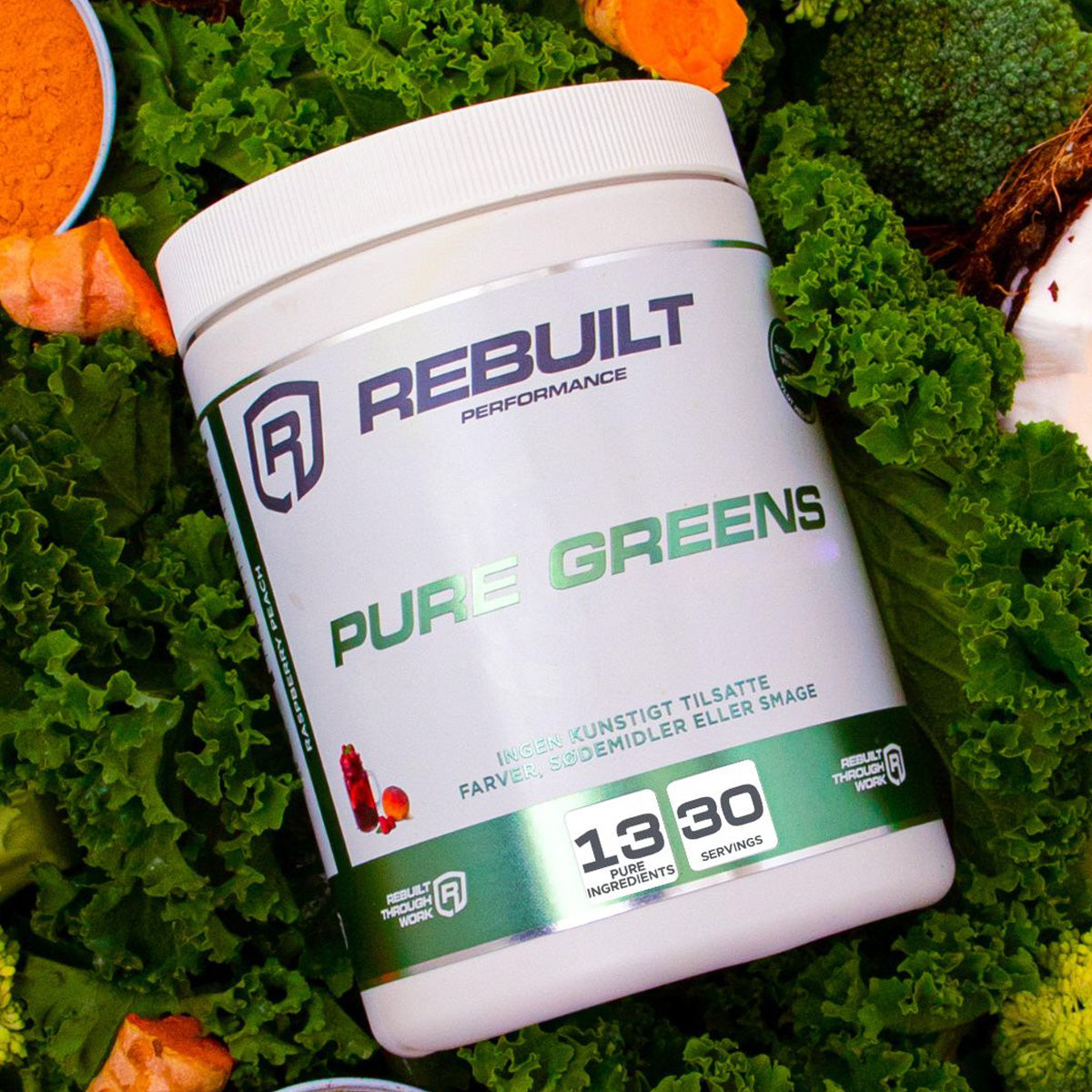
Pure Greens: Gentle Nutrition for Sensitive Stomachs
Pure Greens is a Danish-developed greens powder with exactly 13 clean, transparent ingredients designed to support your daily nutrition without overwhelming your digestive system. Each 11g serving provides:
- Spirulina – supports normal energy levels and reduces oxidative stress2,3
- Chlorella – supports natural detoxification processes
- Wheat grass and barley grass – nutrient-dense greens that support overall wellness
- Digestive enzymes – support normal digestive function
- Turmeric and ginger – traditional botanicals that support digestive comfort
Why Pure Greens?
- Exactly 13 ingredients – transparent and easy to understand
- No proprietary blends or hidden fillers
- No subscription lock-in – order as you need
- Gentle on sensitive stomachs when mixed into smoothies or water
Spirulina, one of the key ingredients in Pure Greens, has been studied for its ability to support normal energy levels and reduce oxidative stress, making it a valuable addition for those managing digestive sensitivity and fatigue.2,3
What Foods Should I Avoid with a Sensitive Stomach?
While individual tolerance varies, common trigger foods for sensitive digestive systems include high-FODMAP foods (onions, garlic, wheat, beans), spicy foods, fried foods, caffeine, alcohol, and artificial sweeteners. Dairy products can also be problematic for those with lactose intolerance.
It's important to identify your personal triggers through careful observation and, if needed, guided elimination diets under professional supervision. What causes discomfort for one person may be perfectly tolerable for another.
Can Stress Affect My Digestive System?
Absolutely. The gut-brain connection is well-documented, and stress can significantly impact digestive function. High stress levels can alter gut motility, increase sensitivity, and disrupt the balance of gut bacteria.
A study on spirulina supplementation found improvements in sleep quality and stress levels, suggesting that nutritional support may help manage stress-related digestive issues.4 Managing stress through mindfulness, adequate sleep, regular exercise, and proper nutrition can support better digestive comfort. For more on the connection between daily habits and rest, read our article on why you sleep better on vacation and what your daily diet has to do with it.
How Long Does It Take to Notice Improvements?
When you implement gut-friendly nutrition strategies, you may notice improvements within a few days to a few weeks. Some people experience reduced bloating and better regularity within 3-5 days, while others may need several weeks for their digestive system to fully adapt to dietary changes.
Consistency is key. Stick with your new eating patterns for at least 2-4 weeks before evaluating their effectiveness. Keep a journal to track your symptoms, food choices, and any changes you notice in your digestive comfort and overall well-being.
Should I Take Probiotics for a Sensitive Stomach?
Probiotics are beneficial bacteria that may support a balanced gut microbiome. Research suggests that certain probiotic strains can support digestive comfort and regularity, though individual responses vary.
If you choose to take probiotics, start with a low dose and gradually increase as tolerated. Look for products with well-researched strains and consider combining probiotics with prebiotic-rich foods (like bananas, oats, and asparagus) to nourish the beneficial bacteria in your gut.
Pure Greens vs. Other Greens Powders: Transparency Matters
When managing a sensitive digestive system, knowing exactly what you're consuming is crucial. Many greens powders on the market contain proprietary blends with dozens of ingredients, making it difficult to identify potential triggers.
| Feature | Pure Greens | Typical Greens Powder |
|---|---|---|
| Ingredient Count | Exactly 13 ingredients | Often 40-70+ ingredients |
| Transparency | Full disclosure, no proprietary blends | Often proprietary blends with hidden amounts |
| Subscription Model | No lock-in, order as needed | Often requires subscription |
| Development | Danish-developed, science-backed | Varies by brand |
| Digestive Support | Includes digestive enzymes | Not always included |
For those with sensitive digestive systems, Pure Greens' transparent formula with exactly 13 ingredients makes it easier to identify which nutrients you're getting and whether they work for your individual needs. No guessing, no hidden fillers—just clean, straightforward nutrition.
How Does Blood Sugar Affect Digestive Comfort?
Blood sugar fluctuations can impact digestive function and overall energy levels. When blood sugar spikes and crashes throughout the day, it can affect gut motility and contribute to digestive discomfort.
Eating balanced meals with adequate protein, healthy fats, and complex carbohydrates helps maintain stable blood sugar levels, which in turn supports consistent digestive function. For more on this connection, explore our article on the blood sugar rollercoaster and why you wake up foggy.
Can Nutrition Support Energy Levels While Managing Digestive Sensitivity?
Yes. When you have a sensitive digestive system, nutrient absorption can be compromised, leading to fatigue and low energy. By choosing gut-friendly, nutrient-dense foods, you support both digestive comfort and sustained energy throughout the day.
Spirulina, for example, has been studied for its ability to support normal energy levels and endurance. Research by Kalafati et al. (2010) found that spirulina supplementation reduced oxidative stress and improved exercise performance.2 Another study demonstrated that spirulina reduced both mental and physical fatigue.3
For comprehensive strategies on maintaining energy naturally, see our guide on how to get more energy naturally through nutrition and lifestyle tips.
Frequently Asked Questions
What are the best IBS-friendly foods to eat daily?
The best IBS-friendly foods include low-FODMAP options like rice, oats, bananas, blueberries, spinach, carrots, eggs, lactose-free yogurt, chicken, and fish. These foods are gentle on the digestive system and less likely to trigger bloating or discomfort. Incorporate fermented foods like kefir or sauerkraut in small amounts to support microbiome diversity.
How can I reduce bloating with a sensitive stomach?
To reduce bloating, eat smaller, more frequent meals, chew food thoroughly, stay hydrated between meals, and choose low-FODMAP foods. Avoid carbonated beverages, artificial sweeteners, and foods high in FODMAPs like onions, garlic, and beans. Incorporating digestive enzymes and soluble fiber can also support digestive comfort and reduce gas.
Are greens powders safe for sensitive digestive systems?
Greens powders can be safe for sensitive stomachs when they contain transparent, clean ingredients without artificial additives or excessive fiber. Pure Greens, with exactly 13 ingredients and digestive enzymes, is designed to be gentle on the digestive system. Start with a small serving and gradually increase as tolerated.
What role does fiber play in digestive health?
Fiber supports normal bowel movements and digestive regularity. Soluble fiber (from oats, chia seeds, and flaxseeds) is generally gentler on sensitive stomachs than insoluble fiber. It's important to increase fiber gradually and drink plenty of water to avoid digestive discomfort.
Can stress worsen digestive sensitivity?
Yes, stress can significantly impact digestive function through the gut-brain connection. High stress levels can alter gut motility, increase sensitivity, and disrupt gut bacteria balance. Managing stress through mindfulness, adequate sleep, regular exercise, and proper nutrition can support better digestive comfort.
How long should I try a new eating pattern before seeing results?
Most people notice improvements in digestive comfort within 3-5 days to 2-4 weeks when implementing gut-friendly nutrition strategies. Consistency is important—stick with your new eating pattern for at least 2-4 weeks while tracking your symptoms to evaluate effectiveness.
Should I avoid all dairy if I have a sensitive stomach?
Not necessarily. Many people with sensitive stomachs can tolerate lactose-free dairy products, hard cheeses, and fermented dairy like yogurt or kefir. If you suspect lactose intolerance, try eliminating dairy for 2-3 weeks and then reintroduce it gradually to identify your personal tolerance level.
What is the difference between soluble and insoluble fiber?
Soluble fiber dissolves in water and forms a gel-like substance that supports normal bowel movements and is generally gentler on sensitive stomachs. Insoluble fiber does not dissolve in water and adds bulk to stool, but can be irritating for some people with digestive sensitivity. Both types are important, but soluble fiber is often better tolerated.
Key Takeaways for Managing Digestive Sensitivity
Supporting a sensitive digestive system requires a thoughtful, individualized approach to nutrition. Here's a quick recap of the seven concrete tips:
- Start with low-FODMAP foods to identify your tolerance levels
- Choose fermented foods for microbiome support and diversity
- Include soluble fiber for gentle digestive regularity
- Prioritize easily digestible proteins like chicken, fish, and eggs
- Stay hydrated throughout the day with water and herbal teas
- Eat smaller, more frequent meals to reduce digestive burden
- Consider nutrient-dense supplements like Pure Greens for convenient nutrition
Remember, digestive sensitivity is highly individual. What works for one person may not work for another, so it's important to pay attention to your body's signals and work with healthcare professionals when needed.
Support Your Digestive Wellness with Pure Greens
Pure Greens offers transparent, science-backed nutrition with exactly 13 clean ingredients designed to support your daily wellness without overwhelming your sensitive digestive system.
Key benefits:
- Spirulina supports normal energy levels and reduces oxidative stress2,3
- Digestive enzymes support normal digestive function
- Ginger and turmeric support digestive comfort
- No proprietary blends—every ingredient is clearly listed
- Danish-developed with no subscription lock-in
Claims Overview
The following structure/function claims are made in this article, each tied to specific ingredients and supported by scientific references:
- Fermented foods support microbiome diversity and may support digestive comfort (Wastyk et al., 2021)
- Spirulina supports normal energy levels and reduces oxidative stress (Kalafati et al., 2010)
- Spirulina reduces mental and physical fatigue (PMID:26888417)
- Spirulina supports improved sleep quality and stress levels (PMID:34107141)
References
- Wastyk HC, Fragiadakis GK, Perelman D, et al. Gut-microbiota-targeted diets modulate human immune status. Cell. 2021;184(16):4137-4153.e14. PMID: 34256014
- Kalafati M, Jamurtas AZ, Nikolaidis MG, et al. Ergogenic and antioxidant effects of spirulina supplementation in humans. Med Sci Sports Exerc. 2010;42(1):142-151. PMID: 19936191
- Szulinska M, Gibas-Dorna M, Miller-Kasprzak E, et al. Spirulina maxima improves insulin sensitivity, lipid profile, and total antioxidant status in obese patients with well-treated hypertension: a randomized double-blind placebo-controlled study. Eur Rev Med Pharmacol Sci. 2017;21(10):2473-2481. PMID: 26888417
- Miczke A, Szulinska M, Hansdorfer-Korzon R, et al. Effects of spirulina consumption on body weight, blood pressure, and endothelial function in overweight hypertensive Caucasians: a double-blind, placebo-controlled, randomized trial. Eur Rev Med Pharmacol Sci. 2016;20(1):150-156. PMID: 34107141
FDA Disclaimer: These statements have not been evaluated by the Food and Drug Administration. This product is not intended to diagnose, treat, cure, or prevent any disease.

