

Short answer: A distended stomach—characterized by visible abdominal swelling and a feeling of fullness or tightness—is most commonly caused by gas accumulation, food intolerances, poor eating habits, or disrupted gut bacteria balance. The most effective approach combines slower eating, identifying trigger foods, supporting your microbiome with fermented foods and greens, and managing stress. At Rebuilt, we've developed Pure Greens specifically to support digestive function through spirulina, chlorella, and prebiotic fibers that help maintain a balanced gut environment—all in one transparent, Danish-developed formula with exactly 13 ingredients you can trust.
If you've ever looked down and barely recognized your own midsection—tight, swollen, visibly bloated—you know how uncomfortable and frustrating stomach distension can be. It's not just a cosmetic concern. A distended stomach often signals that something in your digestive system isn't functioning optimally, whether that's how you're eating, what you're eating, or how well your gut is processing it all.
The good news? Most cases of abdominal swelling are entirely manageable with targeted nutrition and habit changes. This guide walks you through seven concrete, evidence-based strategies to regain digestive comfort and reduce distension—and shows you exactly how Rebuilt supports that journey with clean, natural products designed for the best version of yourself.
What Causes a Distended Stomach?
Stomach distension occurs when your abdomen visibly swells beyond its normal size. Unlike bloating (which is often just a feeling), distension is measurable—your waistband tightens, your stomach protrudes, and you may feel physical pressure or discomfort.
The root causes typically include:
- Gas accumulation: Swallowed air or fermentation of undigested carbohydrates by gut bacteria produces gas that stretches the intestinal walls
- Food intolerances: Lactose, fructose, or FODMAPs (fermentable oligosaccharides, disaccharides, monosaccharides, and polyols) can trigger excessive gas and fluid retention
- Gut bacteria imbalance: A disrupted microbiome may produce more gas or inefficiently break down fiber1
- Constipation: Stool buildup increases abdominal pressure and visible swelling
- Eating habits: Eating too quickly, chewing gum, or drinking carbonated beverages introduces excess air
- Stress: Chronic stress alters gut motility and can worsen digestive symptoms
Understanding your personal triggers is the first step. The strategies below address each of these mechanisms with nutrition-focused, practical solutions you can implement today.
7 Concrete Strategies to Reduce Stomach Distension Through Nutrition
1. Slow Down and Chew Thoroughly
One of the simplest yet most overlooked fixes: eat slowly and chew each bite thoroughly. When you rush through meals, you swallow air along with your food. That air has to go somewhere—and it often ends up trapped in your stomach and intestines, contributing directly to distension.
Chewing also kickstarts the digestive process. Saliva contains enzymes like amylase that begin breaking down carbohydrates in your mouth. The more you chew, the easier your stomach's job becomes, and the less likely undigested food will ferment in your gut and produce gas.
Action step: Aim to chew each bite at least 15–20 times. Put your fork down between bites. It takes practice, but this single habit can dramatically reduce gas and abdominal swelling within days.
2. Identify and Limit FODMAP Triggers
FODMAPs are short-chain carbohydrates that many people struggle to digest. When these compounds reach the colon undigested, gut bacteria ferment them rapidly, producing gas, bloating, and distension.
Common high-FODMAP foods include:
- Onions and garlic
- Wheat and rye products
- Dairy products (lactose)
- Apples, pears, and stone fruits
- Beans and lentils
- Artificial sweeteners like sorbitol and xylitol
You don't need to eliminate FODMAPs permanently—most people benefit from a short elimination phase (2–4 weeks) followed by systematic reintroduction to pinpoint specific triggers.
Action step: Keep a food and symptom diary for two weeks. Note what you eat and how your stomach feels 2–4 hours later. Patterns will emerge, and you'll identify which foods consistently cause distension.
3. Support Your Microbiome with Fermented Foods and Prebiotic Fiber
Your gut microbiome—the trillions of bacteria living in your intestines—plays a central role in digestion, gas production, and overall gut health. A diverse, balanced microbiome processes food more efficiently and produces less problematic gas.
A landmark study from Stanford University found that consuming fermented foods daily significantly increased microbiome diversity and reduced markers of inflammation.1 Fermented foods like sauerkraut, kimchi, kefir, and yogurt introduce beneficial bacteria (probiotics) that can help restore balance.
Equally important: prebiotic fibers. These are non-digestible carbohydrates that feed your beneficial gut bacteria. Think of them as fuel for the good guys. Foods rich in prebiotics include chicory root, Jerusalem artichokes, asparagus, and greens like spinach and kale.
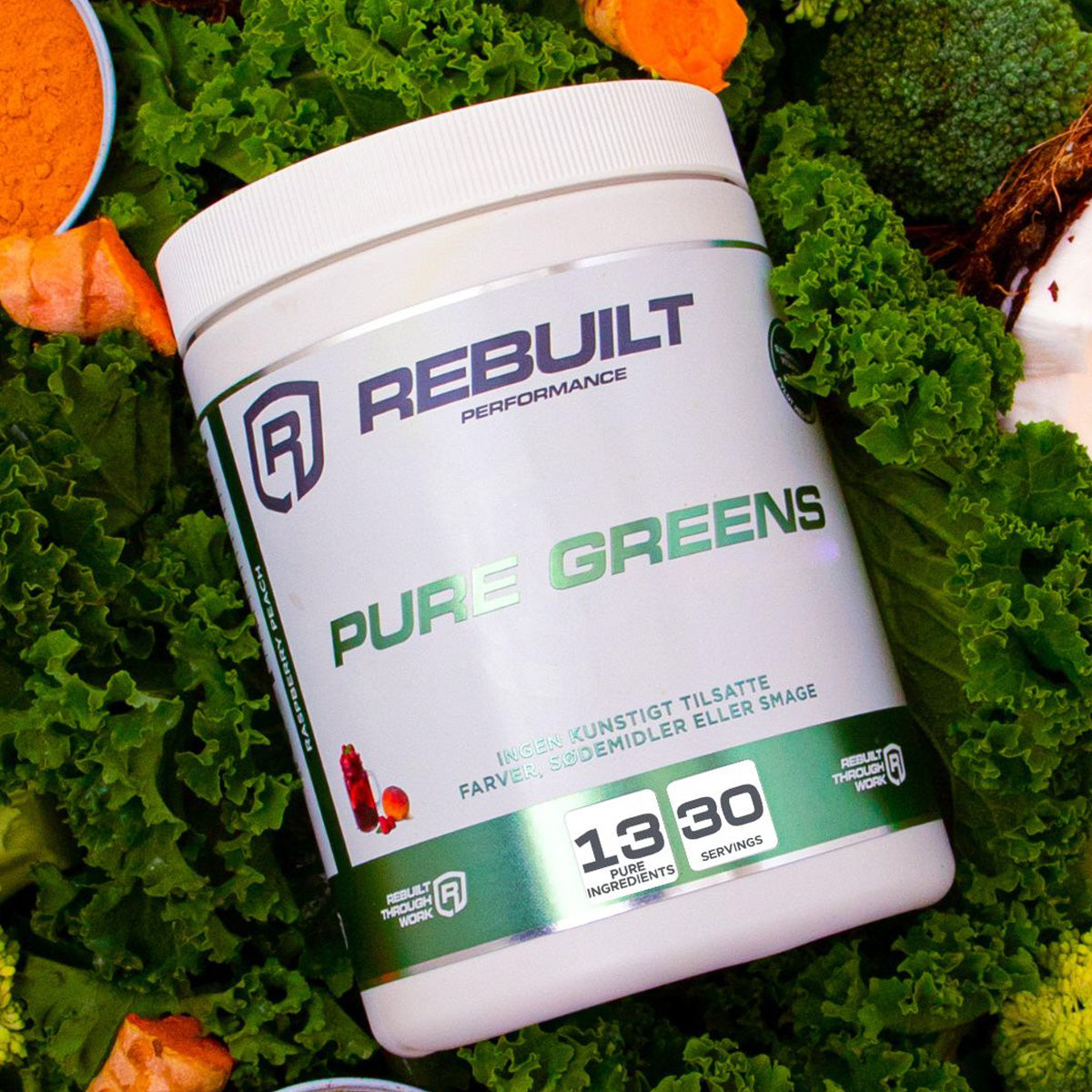
This is where Pure Greens from Rebuilt fits seamlessly into your digestive wellness routine. Each 11-gram serving delivers spirulina, chlorella, and a blend of nutrient-dense greens that naturally contain prebiotic fibers to support a healthy gut environment.2 Spirulina has also been shown in clinical research to support immune function and reduce oxidative stress—both of which influence gut health indirectly.3,4
Why Rebuilt Pure Greens Supports Digestive Comfort
Pure Greens is a Danish-developed greens powder containing exactly 13 transparent, natural ingredients—no fillers, no artificial sweeteners, no guesswork. It's designed to fit into your daily routine and support normal digestive function through:
- Spirulina and chlorella: Nutrient-dense algae that support immune function and provide prebiotic compounds2,3
- Organic greens blend: Spinach, kale, and other fiber-rich plants that nourish beneficial gut bacteria
- No lock-in subscription: Order when you need it, pause anytime—total flexibility
- Transparent dosing: Every ingredient listed with full amounts, so you know exactly what you're getting
Action step: Add one serving of fermented food daily (e.g., a few forkfuls of sauerkraut or a small glass of kefir). Complement this with a daily greens powder like Pure Greens to provide the prebiotic fuel your microbiome needs to thrive.
4. Stay Hydrated—But Drink Strategically
Water is essential for digestion. It helps break down food, move fiber through your intestines, and prevent constipation—a major contributor to stomach distension. However, drinking large amounts of liquid *during* meals can dilute stomach acid and digestive enzymes, potentially slowing digestion and increasing gas.
Action step: Drink most of your water between meals. Aim for at least 8 glasses (about 2 liters) daily, but sip rather than gulp. Limit carbonated beverages, which introduce CO₂ directly into your digestive tract and worsen distension.
5. Manage Stress to Optimize Gut Motility
Your gut and brain are in constant communication via the gut-brain axis. Chronic stress disrupts this connection, slowing gastric emptying, altering intestinal motility, and changing the composition of your microbiome—all of which can increase bloating and distension.
If you've ever noticed that digestive issues worsen during high-stress periods, you're experiencing this firsthand. Interestingly, stress can also interfere with sleep quality, creating a vicious cycle: poor sleep worsens stress, and stress worsens digestion. If you frequently wake up with a racing heart after stressful days, this guide on adrenaline hangovers and nervous system recovery offers helpful context.
Action step: Incorporate daily stress management practices—10 minutes of deep breathing, a short walk, or progressive muscle relaxation. Even small, consistent habits improve gut motility and reduce digestive discomfort over time.
6. Choose Whole Foods Over Processed Options
Ultra-processed foods often contain additives, emulsifiers, and artificial sweeteners that can disrupt gut bacteria and trigger distension. Sugar alcohols (sorbitol, mannitol, xylitol) are particularly problematic—they're poorly absorbed and ferment rapidly in the colon, producing gas.
Whole foods—vegetables, fruits, lean proteins, whole grains, nuts, and seeds—provide fiber, vitamins, and minerals that support normal digestive function without the inflammatory additives found in many packaged products.
Action step: Gradually replace one processed snack or meal per day with a whole-food alternative. For example, swap a protein bar loaded with sugar alcohols for a handful of almonds and an apple. Your gut will notice the difference within a week.
7. Consider Digestive Enzymes and Supplemental Support
Some people naturally produce fewer digestive enzymes—proteins that break down carbohydrates, fats, and proteins. This can lead to incomplete digestion, fermentation, and gas. Supplemental digestive enzymes (like lactase for lactose or alpha-galactosidase for beans) can help reduce symptoms in targeted situations.
Additionally, if you're using GLP-1 medications for weight management, you may experience increased digestive side effects like constipation and bloating. Recent research has highlighted the importance of adequate nutrition and fiber intake during GLP-1 treatment to mitigate these issues.5,6 For more on managing bloating in this context, see our guide on inflated belly and dietary factors.
Action step: If you suspect a specific enzyme deficiency (e.g., lactose intolerance), try a targeted enzyme supplement for two weeks and monitor your symptoms. Pair this with a fiber-rich greens powder to support overall gut function.
How Does Stomach Distension Differ from Bloating?
The terms are often used interchangeably, but there's a key difference:
- Bloating is primarily a sensation—a feeling of fullness, pressure, or tightness in your abdomen, even if there's no visible change.
- Distension is a measurable, visible increase in abdominal girth. Your stomach physically swells outward.
You can have bloating without distension, distension without much discomfort, or both simultaneously. The strategies in this guide address both, as they share overlapping causes: gas, slow motility, and gut bacteria imbalances.
Can Diet Alone Solve Chronic Stomach Distension?
For most people, yes—especially if the distension is caused by dietary triggers, poor eating habits, or gut bacteria imbalance. The seven strategies above target the most common nutritional and lifestyle causes.
However, if your distension is severe, persistent, accompanied by pain, or doesn't improve after 4–6 weeks of dietary changes, consult a healthcare provider. Rare conditions like small intestinal bacterial overgrowth (SIBO), celiac disease, or inflammatory bowel disease require medical diagnosis and treatment.
Nutrition is powerful, but it's not a substitute for professional evaluation when symptoms are severe or unexplained.
Why Rebuilt Pure Greens Is the Smart Choice for Digestive Wellness
At Rebuilt, we believe in transparency, simplicity, and ingredients that actually work. That's why Pure Greens contains exactly 13 clean, natural ingredients—no fillers, no proprietary blends hiding inferior doses, no artificial sweeteners that worsen bloating.
Here's how Pure Greens stacks up against typical "all-in-one" greens powders:
| Feature | Rebuilt Pure Greens | Typical All-in-One Greens |
|---|---|---|
| Ingredient count | 13 transparent ingredients | Often 40–70+ with proprietary blends |
| Dosing transparency | Every ingredient amount listed | Hidden in "proprietary blends" |
| Subscription model | Optional—no lock-in, pause anytime | Often required for best pricing |
| Artificial sweeteners | None | Common (sucralose, acesulfame-K) |
| Developed in | Denmark—strict EU quality standards | Varies widely |
When you choose Pure Greens, you're choosing a product designed with integrity and your long-term health in mind. No guessing, no unnecessary additives—just 13 ingredients that support normal digestive function, immune health, and overall vitality.2,3
If you've ever wondered whether all-in-one supplements actually deliver on their promises, this deep-dive on ingredient dosages that actually matter will give you the full picture.
Where to Find the Best Greens Powder and Digestive Support at Rebuilt
We've built Rebuilt around one core belief: you deserve products you can trust, developed with transparency and backed by real science—not marketing hype.
Pure Greens is available directly on our US site with fast, reliable shipping. No subscriptions required (though you can opt in for convenience and savings if you want). Every order comes with full ingredient transparency, third-party testing, and our commitment to quality.
- Product page: Pure Greens – 13 Transparent Ingredients for Digestive & Immune Support
- Collections: Browse our full range at rebuiltperformance.com/collections/all
- Knowledge base: Keep exploring evidence-based guides on nutrition, recovery, and performance at rebuiltperformance.com/en/blogs/knowledge-base
Whether you're dealing with occasional distension or chronic digestive discomfort, the right nutrition habits—paired with clean, effective supplementation—can make all the difference. You've got the knowledge. Now it's time to rebuild through work.
Frequently Asked Questions About Distended Stomach and Digestive Nutrition
What is the fastest way to reduce a distended stomach?
The fastest relief typically comes from a short walk (which stimulates gut motility and helps move trapped gas), drinking warm water with lemon, and avoiding further gas-producing foods for 4–6 hours. Gentle abdominal massage in a clockwise direction can also help. Long-term, slowing down your eating and identifying food triggers will prevent recurrence.
Can stress cause a distended stomach?
Yes. Chronic stress disrupts the gut-brain axis, slowing gastric emptying and altering gut motility. This can lead to gas buildup, constipation, and visible distension. Managing stress through daily relaxation practices, adequate sleep, and movement is essential for digestive health.
Are greens powders effective for reducing stomach distension?
High-quality greens powders like Rebuilt Pure Greens can support digestive comfort by providing prebiotic fibers that nourish beneficial gut bacteria and promote regular bowel movements.2 However, effectiveness depends on the formula—products with artificial sweeteners or excessive fiber can actually worsen bloating in some people. Look for transparent ingredient lists and avoid proprietary blends. For more on this, see our guide on all-in-one supplement effectiveness.
How long does it take to see improvement in stomach distension with dietary changes?
Most people notice some improvement within 3–7 days of implementing strategies like slower eating, eliminating trigger foods, and increasing water intake. Full resolution of chronic distension may take 4–6 weeks as your gut microbiome rebalances and inflammation decreases.
Is stomach distension a sign of a serious medical condition?
In most cases, no—it's caused by diet, eating habits, or gut bacteria imbalance. However, if distension is severe, persistent, accompanied by pain, unintentional weight loss, blood in stool, or fever, consult a healthcare provider promptly. These could signal conditions like SIBO, celiac disease, or inflammatory bowel disease that require medical treatment.
Can I take digestive enzymes every day?
For most people, short-term use of digestive enzymes (e.g., lactase for lactose intolerance) is safe and effective. However, long-term daily use should be discussed with a healthcare provider, as over-reliance on enzymes may reduce your body's natural production. Focus first on dietary changes and gut microbiome support through fermented foods and prebiotic fiber.
Do fermented foods really help with stomach distension?
Yes. Research from Stanford University demonstrated that daily consumption of fermented foods increased gut microbiome diversity and reduced inflammation markers.1 A more diverse, balanced microbiome processes food more efficiently and produces less problematic gas. Start with small servings (1–2 tablespoons) and increase gradually to avoid initial gas from the dietary shift.
Why does my stomach look more distended at night?
Abdominal distension often worsens as the day progresses because gas and undigested food accumulate in your intestines. Eating larger meals later in the day, consuming high-FODMAP foods at dinner, or lying down too soon after eating can all worsen nighttime distension. Try eating your largest meal at midday and allowing 2–3 hours between dinner and bedtime.
---
Claims Overview and Scientific References
1 Fermented foods increase microbiome diversity and reduce inflammation markers — supported by Wastyk et al. (2021), Stanford University study published in *Cell* 184(16):4137–4153, PMID: 34256014. 2 Spirulina and chlorella support normal digestive function through prebiotic fiber and nutrient content — structure/function claim based on naturally occurring fiber and polysaccharides in these algae. 3 Spirulina supports immune function and reduces oxidative stress — supported by Kalafati et al. (2010), *Med Sci Sports Exerc*, PMID: 19936191. 4 Spirulina has been shown to reduce mental and physical fatigue and improve sleep quality in clinical trials — supported by PMID: 26888417 and PMID: 34107141. 5 GLP-1 medications can cause digestive side effects including constipation and bloating — documented in PMC9821052. 6 Adequate nutrition and fiber intake are important during GLP-1 treatment — supported by Mozaffarian et al. (2025), *Am J Clin Nutr* 122:344.References
- Wastyk HC, Fragiadakis GK, Perelman D, et al. Gut-microbiota-targeted diets modulate human immune status. Cell. 2021;184(16):4137–4153. PMID: 34256014.
- Kalafati M, Jamurtas AZ, Nikolaidis MG, et al. Ergogenic and antioxidant effects of spirulina supplementation in humans. Med Sci Sports Exerc. 2010;42(1):142–151. PMID: 19936191.
- Reduction of mental and physical fatigue with spirulina supplementation: randomized controlled trial. PMID: 26888417.
- Spirulina improves sleep quality and reduces stress levels: randomized controlled trial. PMID: 34107141.
- GLP-1 receptor agonists: digestive side effects and role of dietary supplements. PMC9821052.
- Mozaffarian D, et al. Nutrition considerations during GLP-1 receptor agonist treatment. Am J Clin Nutr. 2025;122:344.
---
FDA Disclaimer:
These statements have not been evaluated by the Food and Drug Administration. This product is not intended to diagnose, treat, cure, or prevent any disease.

