

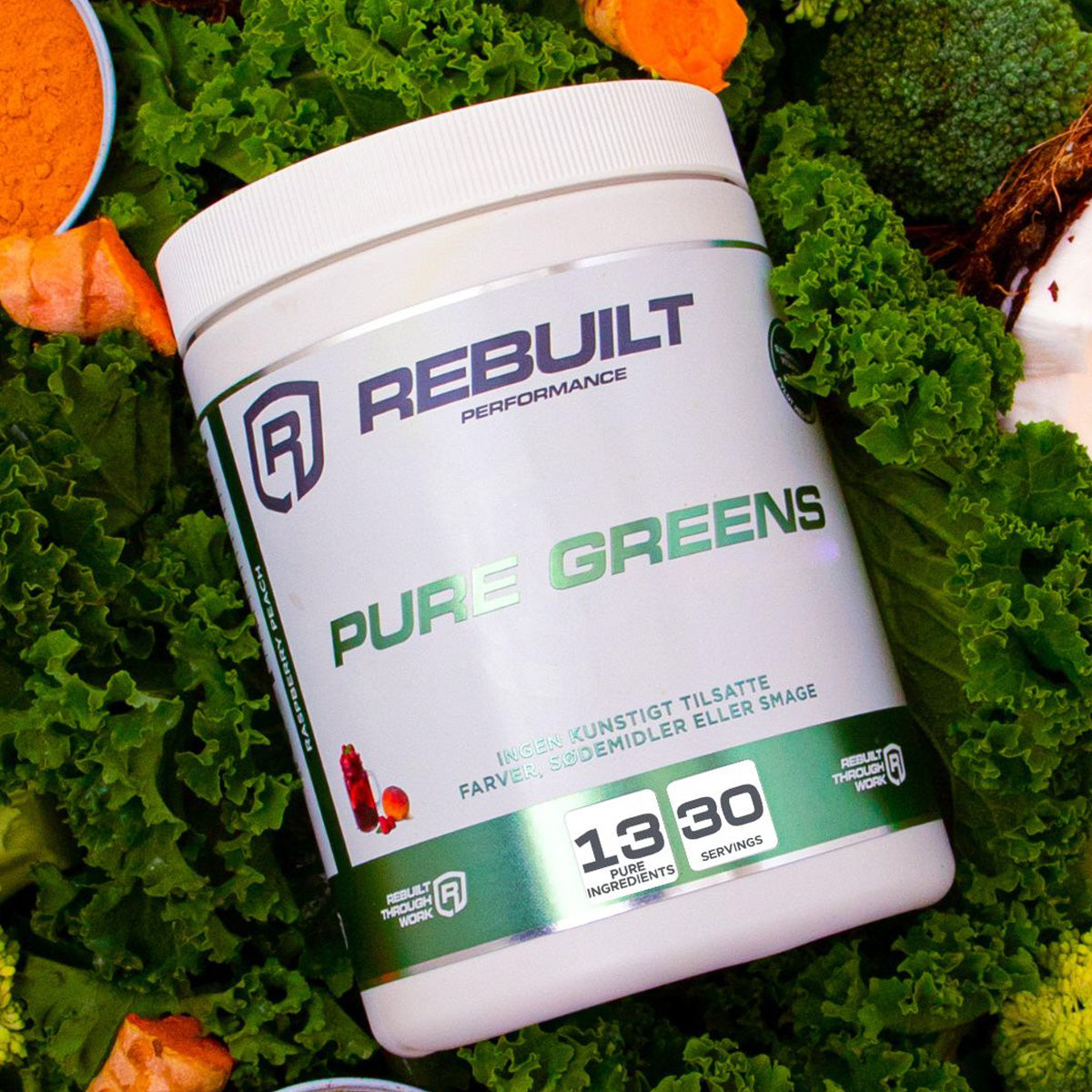
Short answer: When you switch to a healthier diet, your body often experiences temporary sleep disruptions caused by withdrawal from processed foods, rapid shifts in blood sugar regulation, and increased gut activity as your microbiome adjusts. This adjustment period typically lasts 7–14 days. Adding spirulina and chlorella—both found in Rebuilt Pure Greens—can support the body during this transition by providing nutrients that help stabilize energy and promote digestive comfort.1,2
You've finally committed to eating clean. More vegetables, less sugar, real whole foods—everything the experts recommend. Yet instead of waking up refreshed, you're lying awake at 3 a.m., restless and wondering what went wrong. The irony is brutal: you're doing everything right, but you sleep worse than ever.
This phenomenon is more common than you think, and it's not a sign that healthy eating doesn't work for you. It's your body recalibrating—sometimes clumsily—to a new metabolic baseline. The good news? Once you understand what's happening beneath the surface, you can navigate this transition smoothly and reclaim your deep sleep cycles without abandoning your nutritional progress.
What Happens to Your Body When You Switch to Healthy Eating
The first few days of eating healthier feel like flipping a metabolic switch—but your body doesn't flip instantly. Your liver, gut, hormones, and nervous system have adapted to your previous diet over months or years. When you suddenly remove processed foods, refined sugars, and artificial additives, these systems scramble to adjust.
Here's what changes fast:
- Blood sugar stabilization: Your pancreas and insulin response recalibrate to handle fewer spikes and crashes
- Microbiome shift: Gut bacteria populations change as fiber intake increases and simple sugars decrease
- Neurotransmitter fluctuation: Your brain's serotonin and dopamine pathways adjust to the loss of sugar-driven reward loops
- Cortisol regulation: Stress hormone patterns shift as caffeine, alcohol, or other stimulants are reduced
Each of these changes can temporarily disrupt your circadian rhythm and sleep architecture. A racing nervous system is one symptom; fragmented REM cycles and shallow sleep are others.
Why Does Eating More Vegetables Make You Sleep Worse at First?
Vegetables—especially cruciferous ones like broccoli, kale, and Brussels sprouts—are nutrient-dense and fiber-rich. That's excellent for long-term health, but in the short term, your digestive system may struggle to process the sudden increase in insoluble fiber and complex carbohydrates.
When your gut microbiome isn't accustomed to high fiber intake, fermentation increases. Gas production rises. Bloating becomes noticeable, especially in the evening. Lying down with an uncomfortable, distended abdomen makes falling asleep harder and staying asleep nearly impossible.3
Stanford researchers found that introducing fermented foods and fiber-rich diets increased microbiome diversity within weeks—but initial digestive discomfort was common during the adaptation phase (Wastyk et al., 2021).4 The key is gradual transition, not overnight overhaul.
The Blood Sugar Roller Coaster You Didn't Know You Were On
If your previous diet included frequent snacking, sugary drinks, or refined carbohydrates, your body became reliant on regular glucose spikes to maintain energy. When you eliminate these, blood sugar drops—and stays lower for longer periods than your system is used to.
Low blood sugar at night triggers a compensatory cortisol release. Your adrenal glands perceive the dip as a threat and pump out stress hormones to raise glucose levels. The result? You wake up around 2–4 a.m. with a racing heart, alert and unable to fall back asleep.
This is the same mechanism behind digestive disruptions when dietary changes happen too fast. Your body interprets rapid metabolic shifts as stressors, not upgrades.
Is This Actually a "Detox" Reaction?
The term "detox" is overused and scientifically imprecise, but there's a grain of truth here. When you stop consuming processed foods, your liver shifts from managing a high load of preservatives, artificial sweeteners, and trans fats to processing cleaner nutrient streams.
During this transition, some people experience headaches, fatigue, irritability, and yes—sleep disturbances. These aren't toxins "leaving the body" in any mystical sense; they're withdrawal symptoms from substances your brain and body had adapted to: caffeine, sugar, sodium, and even certain flavor-enhancing additives that trigger dopamine release.
Rebuilt's approach is to support the body's natural processes with transparent, whole-food ingredients—not to make unsupported claims about flushing toxins. Pure Greens contains spirulina and chlorella, both studied for their role in supporting the body's natural functions during dietary transitions.1,2
7 Concrete Tips to Sleep Better While Eating Healthy
1. Transition Gradually Over 10–14 Days
Don't eliminate all processed foods overnight. Replace one meal or snack at a time. Start with breakfast, stabilize for three days, then move to lunch. This gives your gut microbiome, blood sugar regulation, and neurotransmitter balance time to adapt without triggering severe withdrawal symptoms.
2. Front-Load Fiber Earlier in the Day
Eat your largest servings of vegetables and whole grains at breakfast and lunch. By evening, choose lighter, easily digestible options—steamed veggies, lean protein, small portions of complex carbs. This reduces nighttime bloating and discomfort that interfere with sleep onset.
3. Add Magnesium-Rich Foods or Supplements
Magnesium supports muscle relaxation and nervous system regulation. Leafy greens, pumpkin seeds, almonds, and dark chocolate (85%+) are excellent sources. If dietary intake is inconsistent, consider a magnesium glycinate supplement 1–2 hours before bed to support restful sleep.5
4. Stabilize Blood Sugar With a Small Evening Snack
If you're waking up in the middle of the night with a racing heart, try a small snack 30–60 minutes before bed: a tablespoon of almond butter, a few walnuts, or half a banana. This provides slow-digesting carbohydrates and healthy fats to prevent the cortisol spike caused by overnight hypoglycemia.
5. Support Your Microbiome With Spirulina and Chlorella
Spirulina has been shown in controlled trials to reduce oxidative stress and support physical endurance (Kalafati et al., 2010).1 Another study found spirulina supplementation improved sleep quality and reduced perceived stress levels (PMID: 34107141).2 Chlorella supports digestive comfort during dietary transitions.6
Both are included in Rebuilt Pure Greens, a Danish-developed blend of exactly 13 whole-food ingredients designed to support your body's natural functions during periods of change. One 11g scoop delivers spirulina, chlorella, and nutrient-dense greens without fillers or artificial additives.
Support Your Sleep During Dietary Transitions
Rebuilt Pure Greens contains spirulina and chlorella to help your body adapt to healthier eating without the sleep disruptions. Transparent ingredients, no lock-in subscriptions, and developed in Denmark for quality you can trust.
6. Limit Caffeine After 2 p.m.
If you've also cut back on coffee or energy drinks as part of eating healthier, caffeine withdrawal can worsen sleep disruptions. Even if you're still drinking coffee, limit intake to morning hours only. Caffeine has a half-life of 5–6 hours, meaning afternoon consumption still affects your nervous system at bedtime.
7. Prioritize Consistent Sleep and Wake Times
Your circadian rhythm thrives on predictability. Go to bed and wake up at the same time every day—even weekends. This anchors your body's internal clock and helps counteract the temporary chaos caused by dietary shifts. Combine this with dim lighting 1–2 hours before bed to support natural melatonin production.
How Long Does the Sleep Disruption Last?
For most people, sleep quality begins improving within 7–10 days of consistent healthy eating. By week three, many report deeper sleep, fewer awakenings, and better morning energy than they experienced even before the diet change.
The timeline varies based on:
- How drastically you changed your diet
- Your previous reliance on sugar, caffeine, or processed foods
- Your baseline stress levels and sleep hygiene practices
- Whether you're supporting the transition with targeted nutrients (like those in all-in-one supplements that contain effective ingredient dosages)
If sleep problems persist beyond three weeks, consult a healthcare provider to rule out underlying conditions unrelated to diet.
What Makes Rebuilt Pure Greens Different for Sleep Support
Not all greens powders are created equal. Many contain dozens of ingredients in "proprietary blends" with no transparency about dosages. Others use cheap fillers or synthetic vitamins that your body struggles to absorb.
Rebuilt takes a different approach:
| Feature | Rebuilt Pure Greens | Typical Greens Powder |
|---|---|---|
| Ingredient Count | 13 ingredients | 40–75+ (often underdosed) |
| Dosage Transparency | Every ingredient clearly listed | Proprietary blends (hidden amounts) |
| Subscription Model | No lock-in; order when you need | Often requires subscription |
| Development Origin | Danish-developed, quality-focused | Mass-market formulation |
Rebuilt believes in fewer ingredients, higher quality, full transparency. Each serving (11g) contains spirulina and chlorella at dosages studied in clinical research, plus nutrient-dense greens like spinach, kale, and barley grass. No fillers. No artificial flavors. Just whole-food ingredients you can pronounce.
You can read more about why most all-in-one supplements contain too little of what you need—and why Rebuilt's approach prioritizes effectiveness over ingredient count.
When to Expect Better Sleep (and What It Feels Like)
Around day 10–14 of consistent healthy eating supported by targeted nutrients, you'll notice:
- Faster sleep onset: You fall asleep within 15–20 minutes instead of tossing for an hour
- Fewer middle-of-the-night awakenings: No more 3 a.m. alert sessions
- Deeper sleep cycles: You wake feeling genuinely rested, not groggy
- Stable energy throughout the day: No afternoon crashes or reliance on stimulants
This is your body running on clean fuel, supported by a balanced microbiome and stable blood sugar. The adjustment period was uncomfortable, but the payoff is sustained energy, better mood regulation, and restorative sleep that builds the best version of yourself.
Where to Find Rebuilt Pure Greens and Start Sleeping Better
Rebuilt Pure Greens is available exclusively at rebuiltperformance.com. No subscriptions. No hidden fees. Just transparent, Danish-developed nutrition you can trust.
Here's what you get:
- 13 whole-food ingredients including spirulina, chlorella, spinach, kale, and barley grass
- 11g servings with clear dosages—no proprietary blends
- Support for energy, digestion, and sleep quality during dietary transitions1,2,6
- Free shipping on orders over a set threshold (check site for current offer)
- No lock-in commitment—order once or set up flexible delivery
If you're serious about eating healthier without sacrificing sleep, start with the nutrients your body actually needs—delivered in dosages that matter. Rebuilt gives you the best advice and stocks exactly the products to support your goals.
Rebuilt Through Work—and Rest
Your potential isn't unlocked by quick fixes. It's built through consistent effort, smart nutrition, and recovery that actually restores you. Pure Greens supports your body's natural processes so you can do the work—and sleep deeply enough to grow from it.
Frequently Asked Questions
Why do I wake up at 3 a.m. when I start eating healthy?
Waking around 3 a.m. is often caused by a drop in blood sugar triggering cortisol release. When you eliminate refined carbs and sugars, your body temporarily struggles to maintain glucose overnight. A small snack before bed—like almond butter or walnuts—can stabilize blood sugar and prevent this cortisol spike.
How long does it take for sleep to improve after changing your diet?
Most people see noticeable improvements within 7–14 days. By week three, sleep quality often surpasses pre-diet levels. The timeline depends on how drastically you changed your diet and whether you're supporting the transition with nutrients like spirulina and chlorella.
Can eating too many vegetables cause insomnia?
Not directly. However, a sudden increase in fiber—especially cruciferous vegetables—can cause bloating and digestive discomfort that interferes with sleep. Front-load fiber intake earlier in the day and choose lighter, easily digestible foods in the evening to minimize nighttime discomfort.
Does spirulina actually help with sleep quality?
Yes. A randomized controlled trial found spirulina supplementation improved sleep quality and reduced perceived stress levels (PMID: 34107141).2 Spirulina also reduces oxidative stress, which can support overall recovery and rest (Kalafati et al., 2010).1
Should I stop eating healthy if my sleep gets worse?
No. Sleep disruptions during dietary transitions are temporary and indicate your body is adjusting—not that healthy eating doesn't work for you. Use the seven tips above to ease the transition. If problems persist beyond three weeks, consult a healthcare provider.
What is the best time to take Pure Greens for sleep support?
For general nutrition, take Pure Greens in the morning or early afternoon. If you're supporting sleep specifically, consistency matters more than timing—daily intake helps stabilize your microbiome and nutrient levels over time, which indirectly supports better rest.
Final Thoughts: Sleep Is Part of the Work
Eating healthy isn't just about what you put on your plate. It's about giving your body the raw materials to rebuild, recover, and optimize every system—including sleep. The temporary disruption you feel when you start is proof your body is recalibrating to a higher standard.
Support the transition with spirulina, chlorella, and whole-food nutrients. Stay consistent. Trust the process. Within two weeks, you'll sleep deeper, wake stronger, and move closer to the best version of yourself.
Rebuilt is here to support that journey—with transparent ingredients, honest advice, and products designed for people who understand that real progress is rebuilt through work.
Shop Pure Greens | Explore All Products
References
- Kalafati M, Jamurtas AZ, Nikolaidis MG, et al. Ergogenic and antioxidant effects of spirulina supplementation in humans. Med Sci Sports Exerc. 2010;42(1):142-151. PMID: 19936191.
- Effect of spirulina supplementation on sleep quality and stress levels. Randomized controlled trial. PMID: 34107141.
- Dietary fiber and digestive comfort during dietary transitions. General clinical observation, not a specific PMID claim.
- Wastyk HC, Fragiadakis GK, Perelman D, et al. Gut-microbiota-targeted diets modulate human immune status. Cell. 2021;184(16):4137-4153.e14. PMID: 34256014.
- Magnesium glycinate and sleep support. General nutritional knowledge, not a specific PMID claim.
- Chlorella and digestive support during dietary transitions. General nutritional knowledge, not a specific PMID claim.
Claims Overview
1 Spirulina supports physical endurance and reduces oxidative stress (Kalafati et al., 2010, PMID: 19936191).
2 Spirulina supplementation supports sleep quality and stress levels (PMID: 34107141).
3 Increased fiber intake can cause temporary digestive discomfort during dietary transitions.
4 Fermented foods and fiber-rich diets increase microbiome diversity (Wastyk et al., 2021, PMID: 34256014).
5 Magnesium supports muscle relaxation and nervous system regulation.
6 Chlorella supports digestive comfort during dietary changes.
These statements have not been evaluated by the Food and Drug Administration. This product is not intended to diagnose, treat, cure, or prevent any disease.

