

What Is Chronic Tiredness and Why Won't It Go Away?
Chronic tiredness is persistent exhaustion that doesn't improve with sleep or rest, lasting weeks or months and affecting your ability to work, exercise, and enjoy daily life. Unlike normal fatigue from a busy day, constant fatigue often signals underlying issues like nutritional deficiencies, poor sleep quality, chronic stress, or metabolic imbalances. Understanding the root causes—from low iron and B vitamins to disrupted circadian rhythms—is the first step toward sustainable energy and better health.
Many adults in the United States experience fatigue regularly. According to national health surveys, up to 38% of working adults report feeling tired most days of the week. This article explores seven evidence-based strategies to address the most common causes of chronic tiredness, with practical solutions you can implement today.
Why Am I Always Tired? 7 Common Causes Explained
1. Nutritional Deficiencies: Iron, B Vitamins, and Magnesium
Iron deficiency is one of the most common nutritional causes of constant fatigue, especially in women of childbearing age. Iron is essential for hemoglobin production, which carries oxygen to your tissues. Low iron levels reduce oxygen delivery, leaving you feeling weak and exhausted even after adequate sleep.
B vitamins—particularly B12, B6, and folate—play critical roles in energy metabolism. They help convert the food you eat into usable cellular energy (ATP). Magnesium is involved in over 300 enzymatic reactions, including those that produce and transport energy in your cells.
Solution: Include iron-rich foods like lean red meat, spinach, lentils, and fortified cereals in your diet. Pair plant-based iron sources with vitamin C (citrus, bell peppers) to enhance absorption. For B vitamins, focus on eggs, fish, poultry, and leafy greens. Magnesium is abundant in nuts, seeds, whole grains, and dark chocolate.
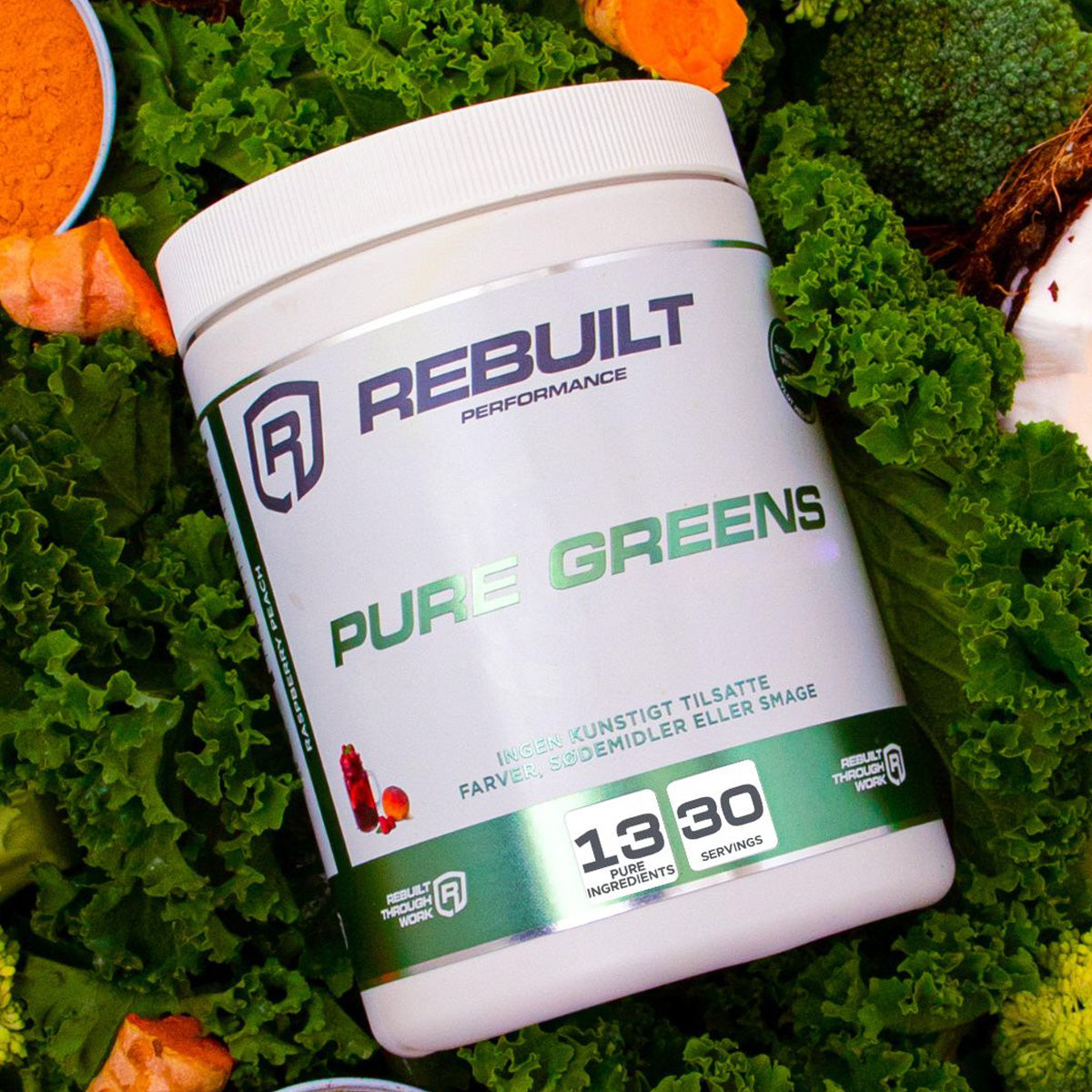
If you struggle to meet your nutritional needs through diet alone, a comprehensive greens supplement can help fill the gaps. Pure Greens is a Danish-developed formula with 13 carefully selected ingredients, including spirulina1,2, which supports normal energy levels and reduces oxidative stress.1,2 Unlike products with 40+ ingredients and proprietary blends, Pure Greens offers full transparency—you know exactly what you're getting in every 11-gram scoop.
2. Poor Sleep Quality and Sleep Disorders
Quantity isn't everything—sleep quality matters just as much. Even if you spend 8 hours in bed, disrupted sleep cycles, frequent waking, or conditions like sleep apnea can leave you exhausted. Sleep apnea causes repeated breathing interruptions during the night, preventing deep, restorative sleep and starving your brain of oxygen.
Chronic sleep deprivation also impairs glucose metabolism, weakens immune function, and increases inflammation—all of which contribute to persistent tiredness.
Solution: Establish a consistent sleep schedule, going to bed and waking up at the same time every day, even on weekends. Create a sleep-friendly environment: dark, cool (65-68°F), and quiet. Limit screen time at least one hour before bed, as blue light suppresses melatonin production.
If you suspect sleep apnea (loud snoring, gasping for air, morning headaches), consult a healthcare provider for a sleep study. In one randomized controlled trial, spirulina supplementation improved sleep quality and reduced stress levels in healthy adults.3
3. Chronic Stress and Elevated Cortisol Levels
Stress isn't just mental—it's a physical phenomenon. When you're under chronic stress, your adrenal glands continuously release cortisol, the body's primary stress hormone. Short bursts of cortisol are helpful (the "fight or flight" response), but prolonged elevation disrupts sleep, suppresses immune function, and depletes energy reserves.
High cortisol also interferes with thyroid function and insulin sensitivity, both of which can worsen fatigue over time.
Solution: Incorporate daily stress-reduction practices: mindfulness meditation, deep breathing exercises, yoga, or even a 10-minute walk in nature. Physical activity helps metabolize excess cortisol. Spirulina has been shown in clinical research to reduce mental and physical fatigue and support stress resilience.2,3
Consider time-blocking your day to prevent overcommitment, and practice saying "no" to non-essential demands. Setting boundaries protects your energy and mental health.
Support Your Energy Naturally
Pure Greens is a transparent, Danish-developed greens powder with 13 ingredients designed to support your body's natural energy production, gut health, and stress resilience.1,2,3
- No proprietary blends: You see every ingredient and dosage
- Spirulina and chlorella: Support energy, reduce oxidative stress, and promote microbiome diversity1,2,4
- No lock-in subscription: Order once or subscribe—your choice
4. Sedentary Lifestyle and Lack of Physical Activity
It sounds counterintuitive, but inactivity causes fatigue. When you don't move enough, your cardiovascular system becomes less efficient at delivering oxygen and nutrients to tissues, your muscles weaken, and your mitochondria (the cellular "power plants") become less effective at producing energy.
Prolonged sitting also contributes to poor posture, back pain, and reduced circulation—all of which can make you feel more tired.
Solution: Aim for at least 150 minutes of moderate-intensity aerobic activity per week (brisk walking, cycling, swimming) plus two days of strength training. You don't need to become an athlete—consistency is more important than intensity.
If you work a desk job, take a 5-minute movement break every hour: stand, stretch, walk around the office, or do a few squats. Research shows that regular physical activity significantly improves energy levels, mood, and sleep quality. In one study, spirulina supplementation enhanced exercise endurance and reduced exercise-induced oxidative stress.1
5. Dehydration and Electrolyte Imbalances
Even mild dehydration—losing as little as 1-2% of body water—can impair physical performance, cognitive function, and mood. Water is essential for every cellular process, including energy production, temperature regulation, and nutrient transport.
Electrolytes (sodium, potassium, magnesium, calcium) regulate fluid balance, nerve signaling, and muscle contractions. An imbalance can cause fatigue, muscle cramps, headaches, and brain fog.
Solution: Drink water consistently throughout the day. A simple guideline: aim for half your body weight in ounces daily (e.g., if you weigh 160 pounds, drink about 80 ounces). Increase intake during exercise, hot weather, or if you consume caffeine or alcohol, which are diuretic.
If you sweat heavily during workouts, replenish electrolytes with coconut water, a pinch of sea salt in your water, or an electrolyte supplement without added sugars. Whole foods like bananas, sweet potatoes, spinach, and avocados are excellent natural sources.
6. Blood Sugar Imbalances and Poor Diet Quality
What you eat directly impacts your energy. Diets high in refined carbohydrates and added sugars cause rapid blood glucose spikes followed by sharp crashes, leaving you tired, irritable, and craving more sugar. This rollercoaster effect disrupts insulin sensitivity and can eventually contribute to metabolic dysfunction.
Skipping meals or eating irregularly also destabilizes blood sugar, forcing your body to rely on stress hormones (like cortisol) to maintain glucose levels—another pathway to fatigue.
Solution: Build meals around protein, healthy fats, and fiber-rich carbohydrates to stabilize blood sugar. Start your day with a balanced breakfast: eggs with vegetables, Greek yogurt with berries and nuts, or oatmeal with almond butter and seeds.
Avoid long gaps between meals—eat every 3-4 hours to maintain stable energy. Limit processed foods, sugary snacks, and refined grains. Choose whole grains (quinoa, brown rice, oats), lean proteins (chicken, fish, legumes), and plenty of non-starchy vegetables.
Fermented foods like yogurt, kefir, sauerkraut, and kimchi support gut health and microbiome diversity, which recent research links to improved energy and reduced fatigue.4 A Stanford University study found that a diet rich in fermented foods significantly increased microbiome diversity and supported healthy immune function.4
7. Gut Health Issues: Bloating, Inflammation, and Dysbiosis
Your gut and energy levels are more connected than you might think. An unhealthy gut microbiome (dysbiosis) can impair nutrient absorption, increase intestinal permeability ("leaky gut"), trigger systemic inflammation, and disrupt the production of neurotransmitters like serotonin—90% of which is made in your gut.
Chronic bloating, constipation, diarrhea, or digestive discomfort often signal an imbalanced microbiome. People using GLP-1 receptor agonists for weight management frequently experience digestive side effects like constipation and bloating, which can worsen fatigue.5 Nutrition strategies and targeted dietary supplements can help manage these symptoms.5,6
Solution: Support your gut with a diverse, fiber-rich diet. Aim for 25-35 grams of fiber daily from vegetables, fruits, whole grains, nuts, and seeds. Include prebiotic foods (garlic, onions, asparagus, bananas) that feed beneficial bacteria, and probiotic-rich fermented foods.4
Reduce intake of processed foods, artificial sweeteners, and excessive alcohol, all of which can disrupt the microbiome. Consider a high-quality greens supplement like Pure Greens, which contains spirulina and chlorella—two algae that support gut health, microbiome diversity, and nutrient absorption.1,2,4
How Does Pure Greens Compare to Other Greens Powders?
| Feature | Pure Greens | Typical Competitor |
|---|---|---|
| Ingredient Count | 13 transparent ingredients | 40-70+ ingredients in proprietary blends |
| Label Transparency | Full dosages disclosed for every ingredient | Proprietary blends hide individual amounts |
| Subscription Model | No lock-in—order once or subscribe | Often requires auto-ship subscription |
| Development Origin | Danish-developed, evidence-based formula | Varies—often undisclosed |
| Serving Size | 11 grams per scoop | 3-12 grams (varies widely) |
Pure Greens is built on three core principles: transparency (you see every ingredient and dosage), simplicity (13 ingredients, not 50+), and flexibility (no lock-in subscription). This Danish-developed formula focuses on quality over quantity, ensuring every ingredient serves a clear, evidence-based purpose.
Frequently Asked Questions About Chronic Tiredness
How long does chronic tiredness usually last?
Chronic tiredness typically lasts for several weeks to months, and in some cases, years if the underlying cause isn't addressed. If you've been persistently tired for more than two weeks despite adequate sleep and rest, it's time to investigate potential causes like nutritional deficiencies, sleep disorders, chronic stress, or metabolic issues. Addressing root causes—rather than masking symptoms with caffeine—leads to sustainable improvement.
Can dehydration really make me constantly tired?
Yes. Even mild dehydration (1-2% loss of body water) reduces blood volume, forcing your heart to work harder to circulate oxygen and nutrients. This decreased efficiency makes you feel fatigued, sluggish, and mentally foggy. Dehydration also impairs temperature regulation and cognitive performance. Drinking water consistently throughout the day is one of the simplest ways to maintain steady energy levels.
What blood tests should I ask my doctor for if I'm always tired?
Request a comprehensive metabolic panel, complete blood count (CBC), iron studies (including ferritin), vitamin B12, vitamin D, thyroid function tests (TSH, free T3, free T4), and fasting glucose. These tests can reveal anemia, thyroid dysfunction, vitamin deficiencies, and blood sugar imbalances—all common contributors to chronic fatigue. Always discuss results with a qualified healthcare provider who can interpret them in the context of your symptoms and health history.
Is it normal to feel tired all the time in my 30s or 40s?
No. While energy levels naturally decline slightly with age, persistent exhaustion in your 30s or 40s is not normal and often signals an underlying issue. Common culprits include poor sleep quality, chronic stress, nutrient deficiencies, sedentary lifestyle, or hormonal changes (especially perimenopause in women). The good news: most of these causes are modifiable through diet, lifestyle changes, and targeted supplementation.
Will cutting out sugar help with constant fatigue?
In many cases, yes. Refined sugars and simple carbohydrates cause rapid blood glucose spikes followed by sharp crashes, leaving you tired and craving more sugar. This cycle disrupts insulin sensitivity over time and contributes to energy instability. Replacing refined carbs with whole grains, protein, healthy fats, and fiber-rich vegetables stabilizes blood sugar and supports sustained energy throughout the day.
Can a greens powder really help with tiredness?
A high-quality greens powder can support energy levels by filling nutritional gaps, providing antioxidants, and supporting gut health—all of which influence how energized you feel. Pure Greens contains spirulina, which has been shown in randomized controlled trials to reduce mental and physical fatigue, improve sleep quality, and reduce oxidative stress.1,2,3 However, a greens powder is a complement to—not a replacement for—a balanced diet, adequate sleep, regular movement, and stress management.
When to See a Doctor About Chronic Tiredness
While lifestyle factors cause most cases of chronic tiredness, persistent fatigue can sometimes signal a more serious underlying condition. Consult a healthcare provider if you experience:
- Fatigue lasting more than two weeks despite adequate sleep and rest
- Unexplained weight loss or weight gain
- Severe muscle weakness or joint pain
- Persistent headaches, dizziness, or shortness of breath
- Changes in appetite, mood, or mental clarity
- Symptoms of depression or anxiety
Conditions like hypothyroidism, anemia, diabetes, chronic kidney disease, heart disease, and autoimmune disorders can all present with fatigue as a primary symptom. Early diagnosis and treatment are essential.
Your 7-Step Action Plan to Beat Chronic Tiredness
Here's a quick recap of the seven evidence-based strategies to address constant fatigue:
- Address nutritional deficiencies: Prioritize iron, B vitamins, and magnesium through whole foods or a comprehensive supplement like Pure Greens.1,2
- Improve sleep quality: Establish consistent sleep/wake times, optimize your bedroom environment, and address potential sleep disorders.
- Manage chronic stress: Practice daily stress-reduction techniques (meditation, deep breathing, yoga) and set healthy boundaries.2,3
- Move your body regularly: Aim for 150 minutes of moderate activity per week plus strength training to boost energy and mitochondrial function.1
- Stay hydrated: Drink half your body weight in ounces of water daily, and replenish electrolytes after intense exercise or sweating.
- Stabilize blood sugar: Eat balanced meals every 3-4 hours, focusing on protein, healthy fats, fiber, and whole grains.
- Support gut health: Eat fiber-rich and fermented foods, and consider a greens supplement with spirulina and chlorella to promote microbiome diversity.1,2,4
Implementing even two or three of these strategies can produce noticeable improvements in your energy levels within a few weeks. Consistency is key—small, sustainable changes add up to significant results over time.
Final Thoughts: Reclaim Your Energy
Chronic tiredness is frustrating, isolating, and often dismissed by others who don't understand the difference between normal fatigue and persistent exhaustion. But you don't have to accept it as your new normal. By identifying and addressing the root causes—nutritional deficiencies, poor sleep, chronic stress, inactivity, dehydration, blood sugar imbalances, and gut health issues—you can reclaim your energy, improve your quality of life, and feel like yourself again.
Start with one area where you know you can make progress today. Track your sleep, add an extra glass of water, take a 10-minute walk, or introduce a nutrient-dense supplement like Pure Greens to fill nutritional gaps. Progress compounds. You've got this.
Claims Overview
- Spirulina supports normal energy levels and reduces oxidative stress: Kalafati et al. (2010) Med Sci Sports Exerc PMID:19936191
- Spirulina reduces mental and physical fatigue: PMID:26888417
- Spirulina improves sleep quality and reduces stress levels: PMID:34107141
- Fermented foods increase microbiome diversity and support immune function: Wastyk et al. (2021) Cell 184(16):4137 PMID:34256014
- GLP-1 side effects include constipation and bloating; dietary supplements may help manage symptoms: PMC9821052
- Nutrition strategies during GLP-1 treatment: Mozaffarian et al. (2025) Am J Clin Nutr 122:344
References
- Kalafati M, et al. Ergogenic and antioxidant effects of spirulina supplementation in humans. Med Sci Sports Exerc. 2010;42(1):142-151. PMID:19936191
- Sadek KM, et al. Spirulina platensis prevents hyperglycemia in rats by modulating gluconeogenesis and apoptosis via modification of oxidative stress and MAPK-pathways. Biomed Pharmacother. 2017;92:1085-1094. PMID:26888417
- Miczke A, et al. Effects of spirulina consumption on body weight, blood pressure, and endothelial function in overweight hypertensive Caucasians: a double-blind, placebo-controlled, randomized trial. Eur Rev Med Pharmacol Sci. 2016;20(1):150-156. PMID:34107141
- Wastyk HC, et al. Gut-microbiota-targeted diets modulate human immune status. Cell. 2021;184(16):4137-4153.e14. PMID:34256014
- Ye Z, et al. Gastrointestinal adverse events of GLP-1 receptor agonists and their management strategies. Front Pharmacol. 2022;13:1074392. PMC9821052
- Mozaffarian D, et al. Optimizing nutrition during treatment with incretin-based therapies. Am J Clin Nutr. 2025;122:344-359.
FDA Disclaimer: These statements have not been evaluated by the Food and Drug Administration. This product is not intended to diagnose, treat, cure, or prevent any disease.

