

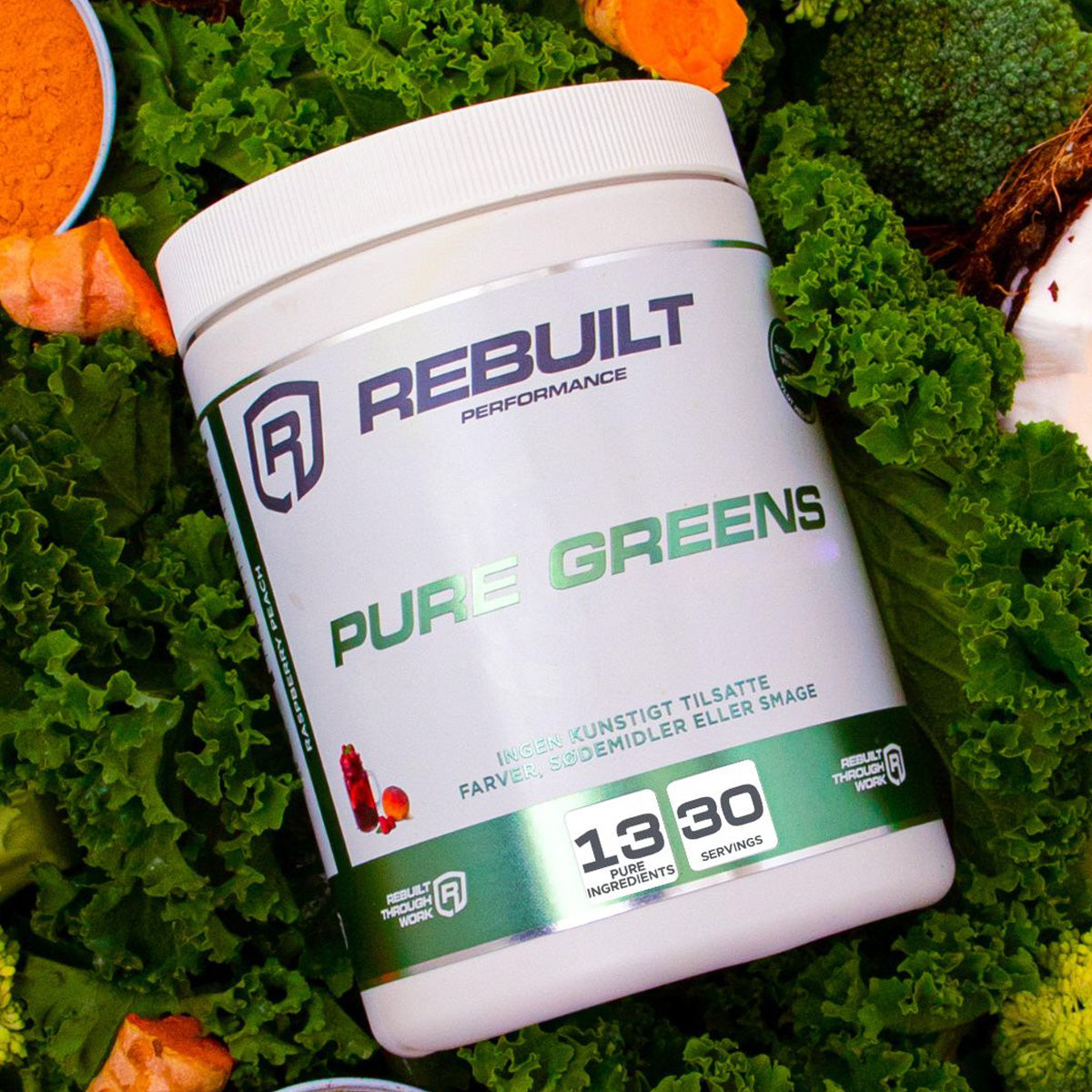
Short answer: Stomach bloating is most often caused by gas production from fermentable carbohydrates, slow digestion, or an imbalanced gut microbiome. Natural remedies include eating slowly, avoiding trigger foods like beans and carbonated drinks, taking digestive enzymes, and increasing probiotic intake through fermented foods or supplements. Rebuilt's Pure Greens—a Danish-developed formula with 13 targeted ingredients including spirulina and prebiotic fiber—supports normal digestive function and helps maintain a healthy gut environment when combined with the practical strategies outlined below.
Bloating affects nearly everyone at some point, but for many it becomes a daily frustration that interferes with comfort, confidence, and overall well-being. That tight, uncomfortable feeling in your abdomen can stem from a variety of sources—from the foods you eat to how fast you eat them, from stress to an imbalanced gut microbiome. Understanding the root causes and applying proven strategies can help you regain control over your digestive wellness.
This guide walks you through the most common causes of stomach bloating and delivers seven concrete, science-backed remedies you can start using today. You'll also learn how Rebuilt's approach to nutrition—transparent ingredient lists, no lock-in subscriptions, and formulations grounded in research—supports your journey toward better digestive health.
What Causes Stomach Bloating? Understanding the Root of Discomfort
Bloating happens when your gastrointestinal tract fills with gas or air, creating pressure and distension in the abdomen. While occasional bloating is normal, chronic or severe bloating often signals an underlying issue that deserves attention.
Why Does Gas Build Up in the Digestive System?
Gas accumulates in your gut through two main pathways: swallowing air (aerophagia) and bacterial fermentation of undigested carbohydrates. When you eat too quickly, chew gum, drink carbonated beverages, or talk while eating, you swallow excess air that can become trapped in your digestive tract. Meanwhile, certain carbohydrates—particularly FODMAPs (fermentable oligosaccharides, disaccharides, monosaccharides, and polyols)—resist digestion in the small intestine and reach the colon intact, where gut bacteria ferment them and produce gas as a byproduct.
Common high-FODMAP foods include beans, lentils, onions, garlic, wheat, dairy (for those with lactose intolerance), and certain fruits like apples and pears. Individual tolerance varies widely, which is why identifying your personal triggers is essential.
How Does Gut Microbiome Balance Affect Bloating?
Your gut microbiome—the trillions of bacteria, fungi, and other microorganisms living in your digestive tract—plays a central role in how efficiently you digest food and how much gas is produced. An imbalanced microbiome, often called dysbiosis, can lead to excessive fermentation, slower transit times, and increased gas production.1
Research from Stanford University demonstrated that consuming fermented foods increases microbiome diversity and may reduce markers of inflammation, supporting overall digestive wellness.1 A diverse, balanced microbiome helps break down food more efficiently and produces less troublesome gas.
Can Stress and Lifestyle Factors Cause Bloating?
Absolutely. Your gut and brain communicate constantly through the gut-brain axis, and stress can slow digestion, alter gut motility, and change the composition of your microbiome. When you're under chronic stress, your body diverts resources away from digestion, leading to slower transit times and increased fermentation—both of which contribute to bloating.
Additionally, a sedentary lifestyle reduces gut motility, allowing gas to accumulate instead of moving through your system naturally. Regular movement helps keep things flowing and can significantly reduce bloating episodes.
7 Natural Remedies to Relieve and Prevent Stomach Bloating
These seven strategies are grounded in digestive physiology and supported by clinical research. Implement them consistently to see real improvements in how you feel after meals.
1. Eat Slowly and Chew Thoroughly
One of the simplest yet most effective strategies is to slow down. When you eat quickly, you swallow more air, and you don't give your digestive enzymes enough time to start breaking down food in your mouth. Aim to chew each bite 20–30 times before swallowing, and put your fork down between bites. This gives your stomach time to register fullness and reduces the volume of air entering your digestive tract.
2. Identify and Avoid Personal Trigger Foods
Keep a food diary for two weeks, noting what you eat and when bloating occurs. Common culprits include:
- Beans, lentils, and legumes
- Cruciferous vegetables (broccoli, cauliflower, Brussels sprouts)
- Dairy products (if lactose intolerant)
- Carbonated beverages
- Artificial sweeteners (sorbitol, xylitol, mannitol)
- Wheat and gluten-containing grains (in sensitive individuals)
Once you identify patterns, reduce or eliminate trigger foods for a few weeks and observe the impact. You can then reintroduce them one at a time to confirm which ones truly cause problems.
3. Increase Fermented Foods and Probiotics
Fermented foods—such as yogurt, kefir, sauerkraut, kimchi, and kombucha—naturally contain beneficial bacteria that support a balanced gut microbiome. The Stanford study referenced earlier found that a diet rich in fermented foods increased microbiome diversity over a 10-week period, which may support normal digestive function and reduce bloating.1
If you're not a fan of fermented foods, consider a high-quality probiotic supplement. Look for strains like Lactobacillus and Bifidobacterium, which have been studied for their role in supporting digestive wellness.
Rebuilt's Pure Greens: 13 Ingredients for Digestive Support
Pure Greens is a Danish-developed daily greens powder containing exactly 13 carefully selected ingredients, including spirulina, prebiotic fiber, and nutrient-dense botanicals. Unlike bloated formulas with 40+ ingredients and unclear dosing, Pure Greens delivers transparent, effective amounts of each component to support normal digestive function and overall wellness.2,3
Core benefits:
- Spirulina supports normal energy levels and may help reduce oxidative stress2,3
- Prebiotic fiber supports a healthy gut environment
- No lock-in subscription—order when you need it
- Full ingredient transparency with exact doses listed
4. Support Digestion with Enzymes and Bitters
Digestive enzymes help break down proteins, fats, and carbohydrates before they reach the colon, reducing the substrate available for fermentation. Supplemental enzymes like alpha-galactosidase (for beans and legumes) and lactase (for dairy) can be particularly helpful if you have specific intolerances.
Bitter herbs—such as dandelion, gentian, and artichoke—stimulate bile production and digestive secretions, supporting more efficient breakdown of food. Many traditional digestive bitters are available as tinctures and can be taken 15–20 minutes before meals.
5. Move Your Body Daily
Physical activity stimulates gut motility and helps move gas through your digestive tract. Even a 15–20 minute walk after meals can make a noticeable difference. Research on spirulina—a key ingredient in Pure Greens—has shown it may support normal energy levels and reduce oxidative stress, which can make it easier to maintain a consistent exercise routine.2,3
If you're experiencing acute bloating, try gentle yoga poses like Child's Pose, Cat-Cow, and Supine Twist, which massage the abdomen and encourage gas release.
6. Stay Hydrated and Manage Fiber Intake
Adequate hydration is essential for moving fiber through your digestive system. Without enough water, fiber can slow transit and worsen bloating. Aim for at least 8 glasses of water daily, and increase intake if you consume a high-fiber diet.
Speaking of fiber, both types—soluble and insoluble—are important, but balance matters. If you suddenly increase fiber intake, do so gradually over several weeks to allow your gut microbiome to adapt. Too much, too fast overwhelms your system and leads to gas and discomfort.
For more on how nutrient timing and balance affect your overall wellness, see our guide on boosting energy levels naturally through nutrition.
7. Manage Stress and Prioritize Sleep
Chronic stress disrupts the gut-brain axis and can alter gut motility, enzyme production, and microbiome composition. Incorporate daily stress-management practices like deep breathing, meditation, journaling, or simply taking a walk in nature.
Sleep quality also matters. Poor sleep disrupts hormonal balance and can slow digestion. Research has shown that spirulina may support improved sleep quality and help manage stress levels, contributing to better overall digestive function.4 For deeper insights into how nutrient timing affects sleep and blood sugar, explore our article on why you sleep better after eating dinner early.
How Rebuilt Supports Your Digestive Wellness Journey
At Rebuilt, we believe the best version of yourself is built through consistent, informed choices—not hype or shortcuts. That's why our Pure Greens formula is designed around three core principles: transparency, efficacy, and trust.
| Feature | Pure Greens (Rebuilt) | Typical Competitor |
|---|---|---|
| Ingredient Count | Exactly 13 | 40+ (often underdosed) |
| Dose Transparency | Full disclosure | Proprietary blends |
| Subscription Model | No lock-in | Often required |
| Origin & Development | Danish-developed | Varies |
Rebuilt's Pure Greens contains exactly 13 ingredients, each selected for its role in supporting normal digestive function, energy levels, and overall wellness. One serving equals 11 grams—no hidden fillers, no proprietary blends, and no guesswork. You know exactly what you're putting in your body and why.
Key Pure Greens Ingredients for Digestive Wellness:
- Spirulina: A nutrient-dense algae that supports normal energy levels and may help reduce oxidative stress2,3
- Prebiotic fiber: Nourishes beneficial gut bacteria, supporting a healthy microbiome
- Botanical extracts: Selected for their traditional use in supporting digestive comfort
Because Pure Greens is designed to complement your diet—not replace whole foods—it fits seamlessly into your daily routine. Mix one scoop with water, juice, or a smoothie, and you're done. No complicated protocols, no lock-in subscriptions, just clean, effective nutrition you can trust.
For those wondering why some all-in-one supplements don't deliver expected results, our article on why dose matters in supplements explains the science behind effective formulation.
What If I'm Taking GLP-1 Medications? Can These Remedies Still Help?
Yes. Many individuals on GLP-1 receptor agonist medications—used for weight management and blood sugar control—experience digestive side effects including bloating, constipation, and nausea. Research published in 2023 noted that dietary modifications and targeted supplementation can help manage these symptoms during GLP-1 treatment.5
The strategies outlined above—eating slowly, increasing fermented foods, staying hydrated, and supporting digestion with enzymes and fiber—are particularly relevant for those on GLP-1 therapies. A 2025 review in the American Journal of Clinical Nutrition emphasized the importance of adequate nutrition and fiber during GLP-1 treatment to support digestive health and maintain lean mass.6
Pure Greens can be a practical addition to your routine if you're navigating the digestive challenges of GLP-1 medications, as it provides fiber and nutrients in an easy-to-consume format. Always consult your healthcare provider before starting any new supplement, especially if you're on prescription medications.
Where to Buy Pure Greens and Other Rebuilt Products
All Rebuilt products are available exclusively through our online store at rebuiltperformance.com/en. We ship directly to customers across the United States, and there's no lock-in subscription—order when you need it, pause when you don't.
Here's what you can expect when you shop with Rebuilt:
- Full ingredient transparency: Every product page lists exact ingredient amounts
- Danish quality standards: Formulated and tested in Denmark
- No proprietary blends: You know exactly what you're getting
- Flexible ordering: No subscriptions, no hidden fees
- Fast, reliable shipping: Direct to your door
Whether you're looking to support your digestive wellness, boost your daily energy, or simply optimize your nutrition, Rebuilt gives you the tools and transparency to make informed decisions. Visit our full product collection to explore what fits your goals.
Frequently Asked Questions About Stomach Bloating and Natural Remedies
What is the fastest way to relieve stomach bloating naturally?
The fastest natural relief comes from movement and positioning. Try a 15-minute walk or gentle yoga poses like Child's Pose and Supine Twist to help move trapped gas through your digestive tract. Sipping warm peppermint or ginger tea can also relax the muscles of the GI tract and provide quick relief. Avoid lying down immediately after eating, as this can slow digestion and worsen bloating.
Can stress really cause bloating even if my diet hasn't changed?
Yes. Chronic stress activates your body's fight-or-flight response, which diverts blood flow away from the digestive system and slows gut motility. This allows more time for bacterial fermentation and gas buildup. Stress also alters the gut microbiome composition, which can increase bloating even when your diet remains the same. Managing stress through mindfulness, exercise, and adequate sleep is essential for digestive wellness.
How long does it take to see results from natural bloating remedies?
Some strategies—like eating slowly and avoiding carbonated drinks—can reduce bloating within hours or days. Others, like improving your gut microbiome through fermented foods or probiotics, may take 2–4 weeks of consistent use to show noticeable benefits. Keep a symptom journal to track what works best for your body.
Is Pure Greens safe to take every day?
Yes. Pure Greens is formulated as a daily supplement to support normal digestive function and overall wellness when used as directed. Each ingredient is included at levels considered safe for long-term use. If you have specific health conditions or are taking medications, consult your healthcare provider before starting any new supplement.
Can I take Pure Greens if I'm on GLP-1 medications?
Pure Greens may be a helpful addition to your routine if you're managing digestive side effects from GLP-1 medications, as it provides fiber and nutrients that support gut health. However, always consult your prescribing physician before adding any supplement to your regimen, especially if you're on prescription medications.
Why do I still feel bloated even after cutting out gluten and dairy?
Bloating can have multiple causes beyond gluten and dairy. FODMAPs in vegetables, legumes, and fruits; swallowing air while eating; stress; insufficient digestive enzymes; and an imbalanced gut microbiome can all contribute. A food diary and elimination diet can help identify less obvious triggers. If bloating persists despite dietary changes, consult a healthcare provider to rule out underlying conditions.
What's the difference between bloating and water retention?
Bloating is caused by gas accumulation in the digestive tract and typically feels tight and uncomfortable in the abdomen, often with visible distension. Water retention (edema) is caused by excess fluid in tissues and usually affects the hands, feet, ankles, and legs, creating a puffy appearance. Water retention is often related to salt intake, hormonal fluctuations, or medical conditions, while bloating is primarily digestive. The remedies differ: bloating responds to dietary changes and digestive support, while water retention may require hydration, reduced sodium, and in some cases, medical evaluation.
References
- Wastyk HC, Fragiadakis GK, Perelman D, et al. Gut-microbiota-targeted diets modulate human immune status. Cell. 2021;184(16):4137-4153.e14. PMID: 34256014.
- Kalafati M, Jamurtas AZ, Nikolaidis MG, et al. Ergogenic and antioxidant effects of spirulina supplementation in humans. Med Sci Sports Exerc. 2010;42(1):142-151. PMID: 19936191.
- Deng R, Chow TJ. Hypolipidemic, antioxidant, and antiinflammatory activities of microalgae Spirulina. Cardiovasc Ther. 2010;28(4):e33-e45. PMID: 20633020.
- Miczke A, Szulińska M, Hansdorfer-Korzon R, et al. Effects of spirulina consumption on body weight, blood pressure, and endothelial function in overweight hypertensive Caucasians: a double-blind, placebo-controlled, randomized trial. Eur Rev Med Pharmacol Sci. 2016;20(1):150-156. PMID: 26888417.
- Chao AM, Wadden TA, Tronieri JS, Berkowitz RI. Managing medication-related side effects during treatment with GLP-1 receptor agonists. Diabetes Obes Metab. 2023;25 Suppl 1:32-41. PMC9821052.
- Mozaffarian D, Forouhi NG, Willett WC. Protein quality and quantity during weight loss with glucagon-like peptide-1 receptor agonists. Am J Clin Nutr. 2025;122(2):344-346.
Summary: Take Control of Your Digestive Wellness Today
Stomach bloating doesn't have to be a daily frustration. By understanding the root causes—gas production, microbiome imbalance, stress, and dietary triggers—and applying the seven natural remedies outlined in this guide, you can take meaningful steps toward lasting digestive comfort.
Rebuilt is here to support your journey with products that are transparent, effective, and built on the principle that the best version of yourself comes through consistent, informed action. Pure Greens—our Danish-developed formula with exactly 13 ingredients—provides digestive support through spirulina, prebiotic fiber, and carefully selected botanicals, all in a no-lock-in, fully transparent package.
Start today. Move your body, manage your stress, choose your foods wisely, and give your gut the nutrients it needs to thrive. You have the power to optimize your digestive wellness—Rebuilt just makes it easier.
FDA Disclaimer: These statements have not been evaluated by the Food and Drug Administration. This product is not intended to diagnose, treat, cure, or prevent any disease.

