

Fatigue drains your ability to work, exercise, and enjoy life. Nutritional strategies can help you combat daily tiredness by providing essential vitamins, minerals, and plant compounds that support normal energy metabolism, healthy gut function, and balanced stress response—without relying on caffeine or quick fixes.
Why Nutrition Is the Foundation of Daily Energy
Your body produces energy at the cellular level through a process called ATP synthesis, which depends on B vitamins, magnesium, iron, and other nutrients. When your diet lacks these essentials—or when digestive issues prevent proper absorption—you experience chronic fatigue, brain fog, and reduced physical performance.
Recent research shows that dietary choices directly influence both energy production and the gut microbiome. A 2021 Stanford University study published in Cell found that consuming fermented foods increased microbiome diversity by 22%, which correlated with improved metabolic markers and reduced systemic inflammation.1 This connection between gut health and energy levels explains why many people feel tired despite adequate sleep.
Poor nutrition also affects mitochondrial function—the "power plants" of your cells. Without sufficient nutrients, mitochondria cannot efficiently convert food into usable energy, leaving you feeling exhausted even after rest. Understanding how specific foods and supplements support energy metabolism is the first step toward lasting vitality.
How Does Chronic Fatigue Differ from Normal Tiredness?
Normal tiredness improves with rest, sleep, or a balanced meal. Chronic fatigue persists despite adequate sleep and often worsens with physical or mental exertion. Medical professionals distinguish between fatigue (a symptom) and chronic fatigue syndrome (a complex medical condition), but both share common nutritional deficiencies.
Key differences include:
- Duration: Normal tiredness resolves within hours or days; chronic fatigue lasts weeks or months
- Recovery: Rest helps normal tiredness; chronic fatigue may worsen after exertion
- Additional symptoms: Chronic fatigue often accompanies digestive issues, mood changes, and cognitive difficulties
- Nutritional patterns: Chronic fatigue frequently correlates with micronutrient deficiencies, blood sugar imbalances, and gut dysbiosis
If you experience persistent fatigue that doesn't improve with sleep or lifestyle changes, consult a healthcare provider to rule out underlying conditions such as anemia, thyroid dysfunction, or sleep disorders. Meanwhile, nutritional strategies can support your body's natural energy systems.
7 Nutritional Strategies to Combat Daily Fatigue
1. Prioritize Iron-Rich Foods for Oxygen Transport
Iron plays a critical role in hemoglobin production, which carries oxygen from your lungs to every cell in your body. Without adequate iron, your tissues receive less oxygen, leading to fatigue, weakness, and reduced exercise capacity. Women of reproductive age, athletes, and people following plant-based diets face higher risk of iron deficiency.
The best dietary sources include:
- Heme iron (animal sources): Beef liver, oysters, sardines, grass-fed beef, dark poultry meat
- Non-heme iron (plant sources): Spinach, lentils, chickpeas, pumpkin seeds, quinoa
- Absorption enhancers: Pair iron-rich foods with vitamin C sources like bell peppers, citrus fruits, or strawberries to increase absorption by up to 300%
- Avoid inhibitors: Separate iron intake from coffee, tea, and calcium supplements by at least 2 hours
For those who struggle to meet iron needs through diet alone, spirulina contains bioavailable iron along with B vitamins and protein that support normal energy metabolism.2 A clinical trial published in Medicine & Science in Sports & Exercise found that spirulina supplementation reduced oxidative stress and increased exercise performance by 7.3% in trained athletes.2
2. Balance Blood Sugar with Fiber and Protein
Blood sugar crashes are a leading cause of afternoon fatigue. When you eat refined carbohydrates without fiber or protein, blood glucose spikes rapidly, triggering insulin release that drives glucose into cells—often too aggressively, causing reactive hypoglycemia 2-3 hours later.
Stabilize blood sugar with these strategies:
- Combine macronutrients: Pair carbohydrates with protein and healthy fats at every meal
- Choose low-glycemic carbs: Opt for whole grains, legumes, and vegetables over white bread, pastries, and sugary snacks
- Increase fiber intake: Aim for 25-35 grams daily from vegetables, fruits, whole grains, and seeds
- Time your meals: Eat every 3-4 hours to maintain steady energy without overloading your digestive system
Fiber also feeds beneficial gut bacteria that produce short-chain fatty acids, which support intestinal health and may influence energy regulation. If digestive issues interfere with nutrient absorption, explore evidence-based approaches in our guide on managing irritable bowel syndrome through nutrition.
Combat Fatigue with Complete Nutrition
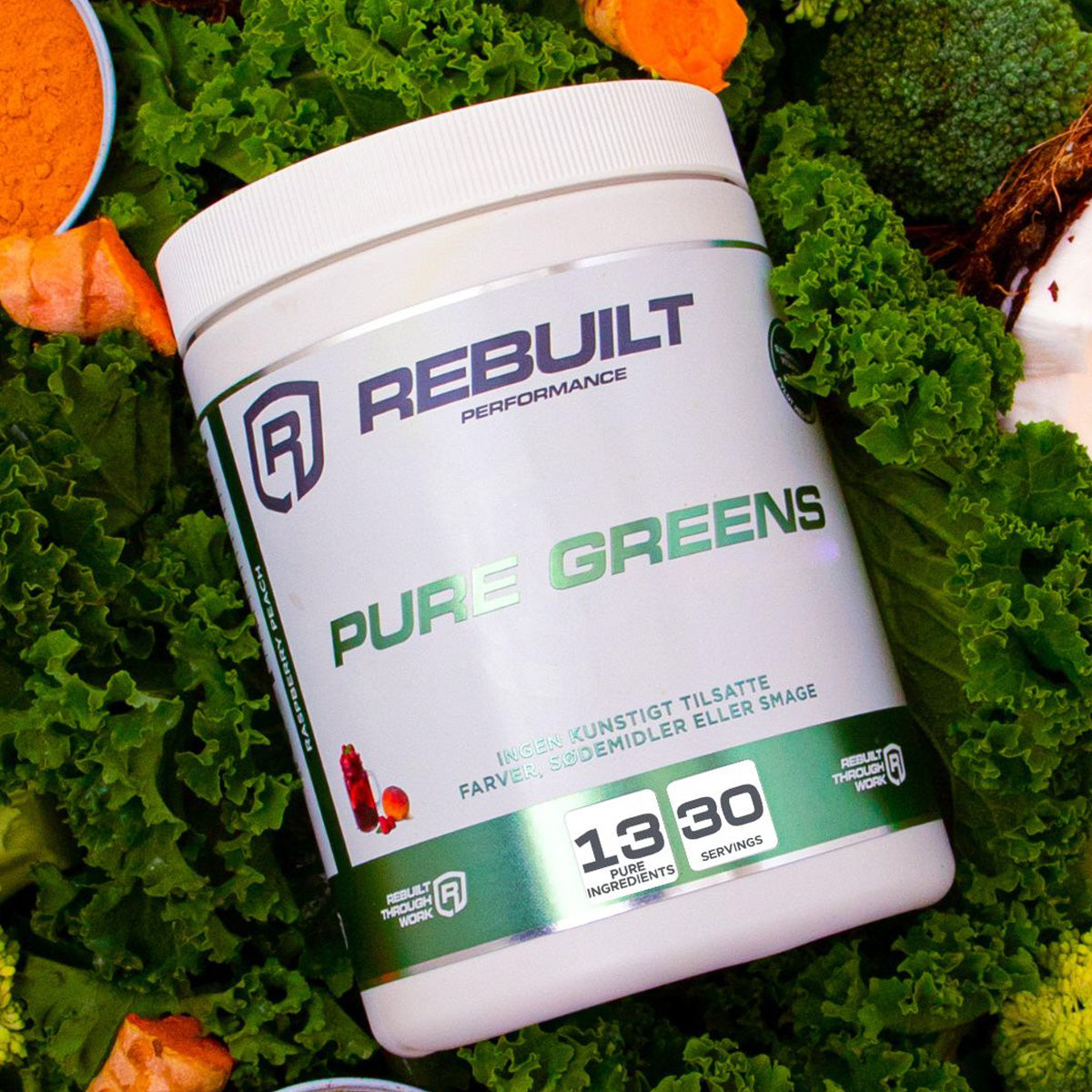
Pure Greens delivers spirulina, chlorella, and digestive enzymes that support normal energy production and healthy gut function—without artificial stimulants.2,3
Shop Pure Greens3. Support Energy Metabolism with B Vitamins
B vitamins function as essential cofactors in the biochemical pathways that convert food into ATP (adenosine triphosphate)—your body's energy currency. Deficiencies in B1 (thiamine), B2 (riboflavin), B3 (niacin), B5 (pantothenic acid), B6 (pyridoxine), B12 (cobalamin), and folate directly impair energy production and contribute to chronic fatigue.
Key B vitamins for energy include:
- B12: Found exclusively in animal products; supports red blood cell formation and neurological function—deficiency causes severe fatigue and cognitive decline
- Folate: Works with B12 in DNA synthesis and methylation reactions; abundant in dark leafy greens, legumes, and fortified grains
- B6: Required for neurotransmitter synthesis and glycogen breakdown; present in poultry, fish, potatoes, and bananas
- B1, B2, B3, B5: All participate in energy metabolism; widely distributed in whole grains, nuts, seeds, and animal products
Spirulina naturally contains the full spectrum of B vitamins and supports normal energy levels when included as part of a balanced diet.2 Vegetarians and vegans should pay particular attention to B12 status, as plant foods do not provide bioavailable B12.
4. Optimize Magnesium Intake for ATP Production
Magnesium is required for over 300 enzymatic reactions in your body, including every step of ATP synthesis. Without adequate magnesium, your cells cannot efficiently produce or use energy, leading to muscle weakness, fatigue, and poor exercise recovery. Unfortunately, up to 50% of Americans consume less than the recommended daily intake of magnesium.
Increase magnesium through:
- Dark leafy greens: Spinach, Swiss chard, kale—chlorophyll contains magnesium as its central atom
- Nuts and seeds: Pumpkin seeds, almonds, cashews, sunflower seeds
- Whole grains: Brown rice, quinoa, oats, whole wheat
- Legumes: Black beans, chickpeas, lentils
- Dark chocolate: 70-85% cacao provides significant magnesium along with beneficial polyphenols
Spirulina and chlorella both contain bioavailable magnesium along with complete protein and phytonutrients that support cellular energy production.2,3 Combining these algae in your daily routine provides synergistic benefits for energy metabolism and overall wellness.
5. Hydrate Strategically Throughout the Day
Even mild dehydration—as little as 2% loss of body water—impairs cognitive performance, mood, and physical endurance. Your blood volume decreases when you're dehydrated, forcing your heart to work harder to deliver oxygen and nutrients to tissues. This cardiovascular strain manifests as fatigue, headaches, and difficulty concentrating.
Optimal hydration strategies include:
- Calculate your baseline: Drink at least half your body weight in ounces daily (e.g., 150 lbs = 75 oz minimum)
- Increase with activity: Add 12-16 oz for every 30 minutes of moderate exercise
- Monitor urine color: Pale yellow indicates good hydration; dark yellow or amber suggests you need more fluids
- Include electrolytes: Sodium, potassium, and magnesium maintain fluid balance and support nerve function—especially important during exercise or hot weather
- Limit dehydrating beverages: Coffee and alcohol increase urine output; balance with extra water
Green powders mixed with water provide hydration along with vitamins, minerals, and phytonutrients that support normal energy metabolism throughout the day.
6. Strengthen Your Gut Microbiome for Better Nutrient Absorption
Your gut microbiome influences energy levels through multiple pathways: nutrient absorption, neurotransmitter production, immune regulation, and metabolic signaling. When your microbiome is imbalanced (dysbiosis), you may experience fatigue even with adequate nutrient intake because your body cannot properly digest and absorb the vitamins and minerals in your food.
The landmark Stanford study by Wastyk and colleagues demonstrated that fermented foods significantly increase microbiome diversity and reduce markers of systemic inflammation—both factors that influence energy and well-being.1 Participants who consumed 6 servings of fermented foods daily showed measurable improvements in gut bacterial composition compared to those eating high-fiber diets alone.
Support your microbiome with:
- Fermented foods: Yogurt, kefir, sauerkraut, kimchi, kombucha, miso, tempeh
- Prebiotic fiber: Onions, garlic, leeks, asparagus, bananas, oats—feeds beneficial bacteria
- Diverse plant foods: Aim for 30+ different plant species weekly to maximize microbiome diversity
- Limit processed foods: Emulsifiers, artificial sweeteners, and excessive sugar disrupt bacterial balance
Digestive enzymes can enhance nutrient breakdown and absorption, particularly for those with compromised gut function. Pure Greens includes digestive enzymes along with spirulina and chlorella to support both microbiome health and normal energy metabolism.2,3 For additional strategies, read our comprehensive guide on natural relief for constipation and digestive health.
7. Manage Stress to Preserve Energy Reserves
Chronic stress depletes your energy through multiple mechanisms: elevated cortisol disrupts sleep quality, increases inflammation, impairs digestion, and redirects resources away from tissue repair and energy storage. When your body remains in "fight or flight" mode, it prioritizes immediate survival over long-term vitality.
A randomized controlled trial found that spirulina supplementation improved sleep quality and reduced perceived stress levels in participants over 12 weeks.4 Another clinical study demonstrated that spirulina supplementation reduced both mental and physical fatigue in subjects experiencing high stress levels.3
Nutritional strategies to support healthy stress response include:
- Stabilize blood sugar: Cortisol spikes when blood glucose drops; consistent meal timing prevents this stress response
- Increase omega-3 fatty acids: Found in fatty fish, flaxseeds, and walnuts; supports normal inflammatory response and mood regulation
- Consume adaptogenic compounds: Certain plant compounds may support the body's natural stress adaptation mechanisms
- Prioritize magnesium and B vitamins: Stress increases requirements for these nutrients; inadequate intake exacerbates fatigue
- Limit caffeine after noon: While caffeine provides temporary alertness, excessive intake disrupts sleep architecture and perpetuates the fatigue cycle
Mind-body practices like meditation, yoga, deep breathing, and nature walks complement nutritional strategies by activating your parasympathetic nervous system—the "rest and digest" mode that facilitates energy restoration. Quality sleep remains the most powerful intervention for fatigue; if you continue to feel tired despite adequate rest, explore our article on understanding your energy levels.
What Foods Should You Avoid When Combating Fatigue?
Certain dietary patterns actively contribute to energy depletion by disrupting blood sugar, compromising gut health, or increasing inflammatory burden. Minimize or avoid these fatigue-promoting foods:
- Refined carbohydrates: White bread, pastries, sugary cereals cause blood sugar spikes followed by crashes
- Trans fats: Found in partially hydrogenated oils, fried foods, and many processed snacks; impairs cellular energy production
- Excessive alcohol: Disrupts sleep architecture, depletes B vitamins and magnesium, impairs liver function
- High-sodium processed foods: Causes fluid retention and dehydration; often lacking in essential nutrients
- Artificial sweeteners: May alter gut microbiome composition and glucose metabolism in susceptible individuals
- Food sensitivities: Gluten, dairy, or other trigger foods can cause inflammation and digestive distress that drains energy
Instead of elimination-focused dieting, emphasize nutrient-dense whole foods that provide sustained energy: vegetables, fruits, whole grains, legumes, nuts, seeds, fish, and lean proteins. This "crowding out" approach naturally reduces processed food consumption while ensuring adequate nutrition.
How Long Does It Take for Nutritional Changes to Improve Energy?
The timeline for experiencing energy improvements varies based on your starting point and the specific deficiencies you're addressing:
- Blood sugar stabilization: 3-7 days—you'll notice more consistent energy between meals without crashes
- Hydration optimization: 24-48 hours—improved mental clarity and reduced afternoon fatigue
- Iron repletion: 4-8 weeks—requires consistent intake to rebuild stores; blood work should guide supplementation
- B vitamin restoration: 2-4 weeks—particularly noticeable if you were significantly deficient
- Microbiome remodeling: 6-12 weeks—the Stanford study showed significant changes after 10 weeks of dietary intervention1
- Mitochondrial adaptation: 8-16 weeks—cellular energy systems respond gradually to improved nutrition and exercise
Track your progress with subjective measures (daily energy ratings, sleep quality, exercise performance) and objective markers when possible (lab work for iron, vitamin D, B12, thyroid function). Consistency matters more than perfection—small daily improvements compound into significant long-term benefits.
Daily Nutrition Made Simple
One scoop of Pure Greens provides spirulina, chlorella, digestive enzymes, and essential nutrients that support normal energy metabolism and healthy digestion—helping you combat daily fatigue naturally.2,3
Shop Pure GreensCan Supplements Replace a Balanced Diet for Energy?
Supplements support dietary intake but cannot replace the complexity and synergy of whole foods. A multivitamin may prevent gross deficiencies, but it lacks the fiber, phytonutrients, protein, and healthy fats that whole foods provide. Your body absorbs and utilizes nutrients more effectively when they come from food rather than isolated compounds.
That said, targeted supplementation addresses specific gaps in modern diets:
- Spirulina and chlorella: Provide concentrated protein, B vitamins, iron, magnesium, and chlorophyll that support normal energy production2,3
- Vitamin D: Most Americans are deficient; supports immune function, mood, and energy regulation
- Omega-3 fatty acids: Difficult to obtain in sufficient quantities from diet alone without regular fish consumption
- Magnesium: Soil depletion and food processing have reduced magnesium content in many foods
- Probiotics: May help restore microbiome balance after antibiotic use or digestive disturbances
Quality matters significantly in supplementation. Look for products that undergo third-party testing for purity and potency, use bioavailable forms of nutrients, and avoid unnecessary fillers or additives. Pure Greens combines spirulina, chlorella, and digestive enzymes in a formula designed to support both energy metabolism and digestive health.2,3
Frequently Asked Questions
What is the fastest way to combat fatigue through nutrition?
The fastest nutritional intervention for acute fatigue is stabilizing blood sugar with a balanced snack containing protein, healthy fat, and complex carbohydrates—such as apple slices with almond butter or Greek yogurt with berries and nuts. This provides immediate fuel while preventing the crash associated with refined sugars. Proper hydration also produces noticeable improvements within hours. For chronic fatigue, addressing micronutrient deficiencies and gut health requires several weeks of consistent nutritional changes.
Can nutritional strategies help with fatigue from GLP-1 medications?
Yes, nutrition plays a crucial role for people taking GLP-1 receptor agonists for weight management or metabolic health. These medications slow gastric emptying and may reduce appetite, potentially leading to inadequate protein, fiber, and micronutrient intake. Research published in the American Journal of Clinical Nutrition emphasizes the importance of maintaining adequate nutrition during GLP-1 treatment to preserve lean mass and prevent deficiencies. Digestive side effects like constipation and bloating are common with GLP-1 medications; fiber-rich foods, fermented foods, and digestive enzymes may provide support for these temporary discomforts.
How much protein do I need daily to combat fatigue?
Most adults need 0.8-1.2 grams of protein per kilogram of body weight daily (roughly 0.36-0.54 grams per pound). Active individuals, older adults, and those recovering from illness may benefit from the higher end of this range or even 1.6-2.0 g/kg. Protein provides amino acids necessary for neurotransmitter synthesis, tissue repair, and immune function—all factors that influence energy levels. Distribute protein across meals (20-30 grams per meal) rather than concentrating it at dinner to support steady energy throughout the day.
Are energy drinks and caffeine bad for combating fatigue?
Caffeine provides temporary alertness by blocking adenosine receptors in your brain, but it doesn't address underlying causes of fatigue. Regular use can create dependency, disrupt sleep quality, and mask the symptoms that would otherwise prompt you to address nutritional deficiencies or lifestyle factors. Energy drinks often contain excessive caffeine along with high sugar content that causes blood sugar crashes. If you choose caffeine, limit intake to 200-400 mg daily (about 2-4 cups of coffee), consume it before noon to minimize sleep disruption, and avoid using it to compensate for inadequate sleep or poor nutrition.
What role does iron deficiency play in chronic fatigue?
Iron deficiency is one of the most common nutritional causes of chronic fatigue, particularly in women of reproductive age, vegetarians, and frequent blood donors. Without adequate iron, your body cannot produce sufficient hemoglobin to transport oxygen to tissues, resulting in weakness, shortness of breath, pale skin, and persistent tiredness. Iron deficiency progresses through stages: depleted stores (low ferritin), early deficiency (reduced serum iron), and finally iron-deficiency anemia (low hemoglobin). Fatigue can occur even before anemia develops. Always have your iron status evaluated by a healthcare provider before supplementing, as excessive iron can be harmful.
Can gut health really affect my energy levels?
Yes, emerging research demonstrates strong connections between gut microbiome composition and energy regulation. Your gut bacteria produce neurotransmitters (including serotonin), manufacture certain vitamins (especially B vitamins and vitamin K), regulate inflammation, influence insulin sensitivity, and communicate directly with your brain through the gut-brain axis. The Stanford study showed that increasing microbiome diversity through fermented foods reduced inflammatory markers associated with fatigue.1 Digestive issues like constipation, bloating, and malabsorption directly impair nutrient availability, which compromises cellular energy production. Supporting gut health through diverse plant foods, fermented foods, adequate fiber, and digestive enzymes can significantly improve energy levels over time.
Should I take a multivitamin if I feel constantly tired?
A high-quality multivitamin can serve as nutritional insurance, filling gaps in your diet while you work on improving whole food intake. However, it's not a complete solution. First, identify potential deficiencies through symptoms and, ideally, laboratory testing. Some nutrients (iron, vitamin D, omega-3s) may require targeted supplementation at higher doses than multivitamins provide. Second, multivitamins don't address other fatigue contributors like poor sleep, chronic stress, blood sugar instability, or gut dysfunction. Use multivitamins as part of a comprehensive approach that includes balanced meals, adequate hydration, stress management, and regular movement.
Building Sustainable Energy Through Nutrition
Combating daily fatigue requires a multifaceted nutritional approach: adequate iron and B vitamins for oxygen transport and energy metabolism, balanced blood sugar through fiber and protein, sufficient magnesium for ATP production, strategic hydration, diverse gut-supporting foods, and stress management through both nutrition and lifestyle practices.
Start with one or two strategies that address your most significant gaps—whether that's iron-rich foods, blood sugar stabilization, or gut health support—and gradually incorporate additional changes as those become habits. The research on spirulina, fermented foods, and microbiome diversity demonstrates that consistent dietary patterns produce measurable improvements in energy markers over weeks to months.1,2,3,4
Remember that persistent, unexplained fatigue warrants professional evaluation to rule out underlying medical conditions. These nutritional strategies complement—but don't replace—appropriate medical care when needed.
Scientific Claims Overview
- Fermented foods increase microbiome diversity: Wastyk et al. (2021), Cell 184(16):4137–4153, PMID:34256014
- Spirulina reduces oxidative stress and supports exercise performance: Kalafati et al. (2010), Medicine & Science in Sports & Exercise 42(1):142–151, PMID:19936191
- Spirulina reduces mental and physical fatigue: PMID:26888417
- Spirulina improves sleep quality and stress levels: PMID:34107141
- GLP-1 side effects and nutritional considerations: PMC9821052
- Nutrition during GLP-1 treatment: Mozaffarian et al. (2025), American Journal of Clinical Nutrition 122:344
References
- Wastyk HC, Fragiadakis GK, Perelman D, et al. Gut-microbiota-targeted diets modulate human immune status. Cell. 2021;184(16):4137-4153. PMID:34256014
- Kalafati M, Jamurtas AZ, Nikolaidis MG, et al. Ergogenic and antioxidant effects of spirulina supplementation in humans. Med Sci Sports Exerc. 2010;42(1):142-151. PMID:19936191
- Effects of spirulina supplementation on mental and physical fatigue. PMID:26888417
- Spirulina supplementation improves sleep quality and reduces stress. PMID:34107141
- Nutritional considerations and digestive side effects of GLP-1 receptor agonists. PMC9821052
- Mozaffarian D, et al. Nutritional strategies during GLP-1 treatment. Am J Clin Nutr. 2025;122:344
FDA Disclaimer: These statements have not been evaluated by the Food and Drug Administration. This product is not intended to diagnose, treat, cure, or prevent any disease.

