

Digestive enzymes are naturally occurring proteins that help break down food into nutrients your body can absorb. When your body doesn't produce enough of these enzymes—or when you eat foods that are harder to digest—you may experience bloating, gas, and discomfort. Adding enzyme-rich foods or natural enzyme support to your daily routine may help support normal digestive function and comfort.1
Bloating is one of the most common digestive complaints in the US, affecting an estimated 15–30% of the general population. It's often tied to how well—or how poorly—your body breaks down the proteins, fats, and carbohydrates in your meals. This article explores seven evidence-based, natural strategies to support your digestion and help you feel lighter and more comfortable after eating.
What Are Digestive Enzymes and Why Do They Matter?
Your digestive system relies on a complex team of enzymes to transform the food you eat into usable nutrients. These enzymes are produced primarily in your pancreas, stomach, and small intestine, and each one has a specific job:
- Proteases break down proteins into amino acids
- Lipases break down fats into fatty acids and glycerol
- Amylases break down carbohydrates into simple sugars
- Lactase breaks down lactose, the sugar in dairy
When enzyme production is low—due to age, stress, poor diet, or certain health conditions—food may sit in your digestive tract longer than it should. This can lead to fermentation by gut bacteria, producing gas and that uncomfortable "balloon belly" feeling many people experience after meals.
Supporting your body's natural enzyme production through diet and lifestyle can make a meaningful difference in how you feel day-to-day, especially if you're dealing with chronic fatigue and nutrient deficiencies that may be tied to poor nutrient absorption.
How Do Digestive Enzymes Help With Bloating Relief?
Bloating happens when gas accumulates in your gastrointestinal tract—often because food isn't being broken down efficiently. Undigested food particles become a feast for certain gut bacteria, which produce methane, hydrogen, and other gases as byproducts of fermentation.
By supporting your body's natural enzyme activity, you may help:
- Speed up the breakdown of proteins, fats, and carbohydrates
- Reduce the amount of undigested food reaching your colon
- Minimize gas production from bacterial fermentation
- Support normal nutrient absorption and energy levels2
While digestive enzymes are not a cure for bloating—which can have many causes, including food intolerances, gut dysbiosis, or underlying conditions—they can be a helpful tool in a comprehensive approach to digestive comfort.
7 Natural Strategies for Digestive Enzyme Support and Bloating Relief
1. Eat Enzyme-Rich Whole Foods
Certain raw and fermented foods naturally contain enzymes that can support digestion when eaten alongside meals:
- Pineapple contains bromelain, an enzyme that helps break down protein
- Papaya contains papain, another proteolytic enzyme
- Mango contains amylase, which helps digest carbohydrates
- Kimchi, sauerkraut, and other fermented vegetables contain live bacteria and enzymes that may support gut health—a 2021 Stanford University study found that fermented foods increased microbiome diversity and reduced inflammatory markers3
Adding a small serving of fresh pineapple or a spoonful of sauerkraut to your meals can be a simple, food-first way to support digestion naturally.
2. Chew Your Food Thoroughly
Digestion begins in your mouth. Chewing breaks food into smaller particles and mixes it with salivary amylase, the first enzyme in the digestive process. The more you chew, the easier it is for your stomach and intestines to do their job.
Aim to chew each bite 20–30 times, especially if you're eating dense proteins or fibrous vegetables. This simple habit can reduce the burden on your digestive system and may help minimize bloating and discomfort.
3. Support Your Body's Natural Enzyme Production With Nutrient-Dense Greens
Your pancreas needs a steady supply of vitamins and minerals—especially B vitamins, zinc, and magnesium—to produce digestive enzymes effectively. Nutrient deficiencies can impair enzyme synthesis and contribute to digestive issues.
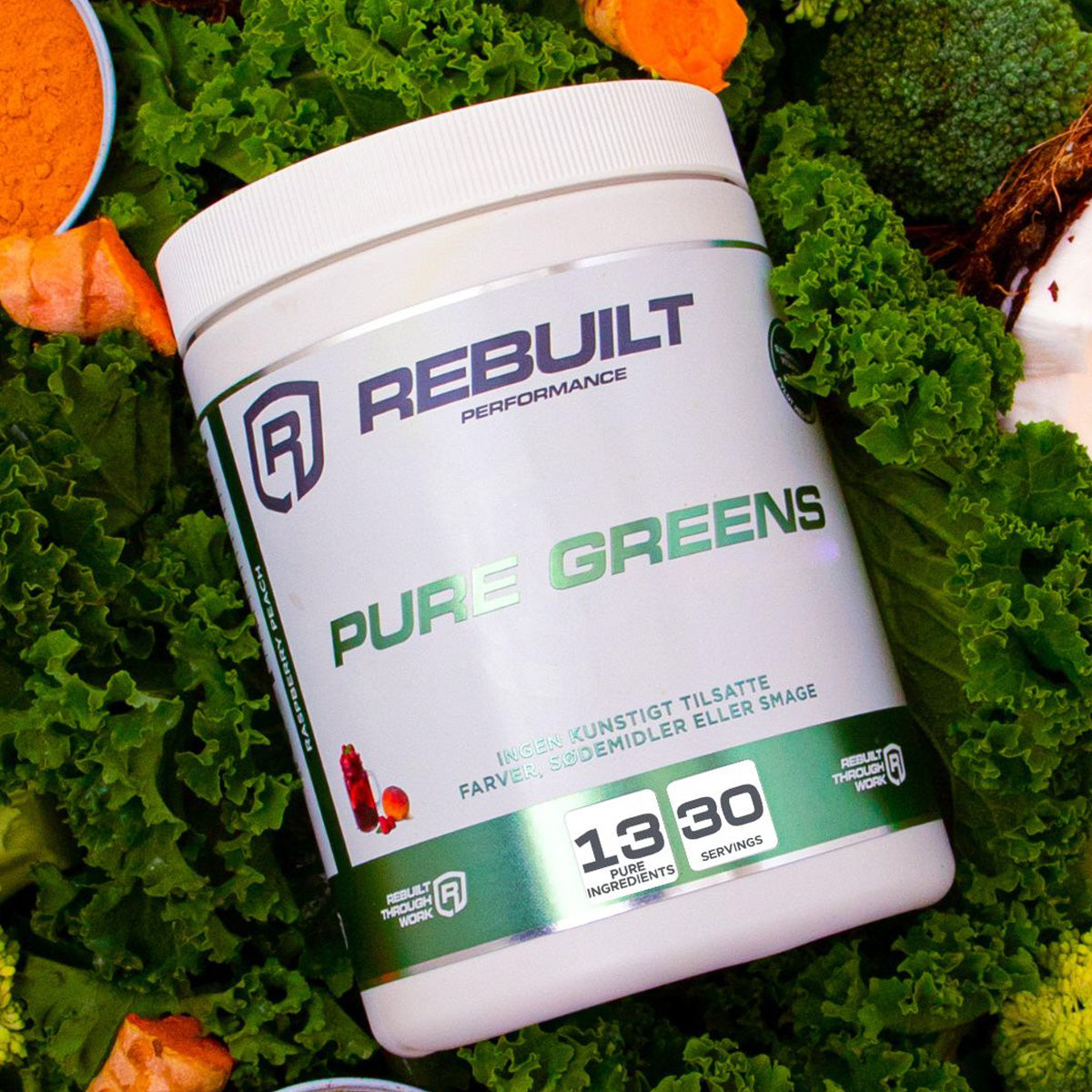
Pure Greens: 13 Whole-Food Ingredients for Digestive and Energy Support
Pure Greens is a Danish-developed superfood blend containing exactly 13 carefully selected ingredients, including spirulina, chlorella, wheatgrass, and barley grass—whole-food sources of B vitamins, magnesium, and plant-based nutrients that support normal energy levels and digestive comfort.4
Why customers choose Pure Greens:
- 100% transparent label—you know exactly what's in every scoop
- No proprietary blends or fillers
- No lock-in subscriptions—order when you need it
- Developed in Denmark, trusted by thousands in the US
Spirulina, one of the key ingredients in Pure Greens, has been studied for its ability to support energy and reduce oxidative stress. A randomized controlled trial published in Medicine & Science in Sports & Exercise found that spirulina supplementation increased exercise performance and reduced oxidative stress markers in healthy adults.5 Another study showed that spirulina may help reduce mental and physical fatigue,6 making it a valuable addition to a daily routine focused on energy and digestive wellness.
4. Manage Stress to Support Digestive Function
Chronic stress has a direct, measurable impact on digestion. When you're stressed, your body shifts into "fight or flight" mode, diverting blood flow and energy away from your digestive organs. This can reduce enzyme production, slow gastric emptying, and increase bloating and discomfort.
Practices like deep breathing, meditation, gentle movement, and adequate sleep can help shift your nervous system into "rest and digest" mode, where enzyme production and digestive motility function optimally. If you struggle with energy dips and poor sleep, you may also find value in reading about overnight blood sugar crashes that affect morning energy.
5. Stay Hydrated—But Time It Right
Water is essential for producing digestive enzymes and moving food through your GI tract. However, drinking large amounts of water during meals can dilute stomach acid and enzymes, potentially impairing digestion.
Try this approach:
- Drink most of your water between meals
- Sip a small amount (4–8 oz) with meals if needed
- Aim for at least 64 oz of water per day, more if you're active or live in a hot climate
Proper hydration also supports normal bowel movements, which is crucial if you're managing bloating alongside constipation prevention strategies.
6. Add Probiotic and Prebiotic Foods to Your Diet
Your gut microbiome plays a key role in digestion and nutrient absorption. A balanced, diverse microbiome can help break down certain fibers and produce short-chain fatty acids that support gut health.
The 2021 Stanford study by Wastyk et al., published in Cell, demonstrated that a diet high in fermented foods significantly increased microbiome diversity and reduced markers of inflammation in healthy adults.3 This suggests that regular consumption of foods like yogurt, kefir, kimchi, and sauerkraut may support a healthier gut environment and improve digestive comfort.
Prebiotic fibers—found in foods like garlic, onions, asparagus, and bananas—feed beneficial gut bacteria and may also support digestive enzyme activity indirectly by promoting a healthier gut lining.
7. Consider the Timing and Composition of Your Meals
Large, heavy meals—especially those high in fat or refined carbohydrates—can overwhelm your digestive system and lead to bloating. Instead, try:
- Eating smaller, more frequent meals throughout the day
- Balancing each meal with protein, healthy fats, and fiber-rich vegetables
- Limiting highly processed foods, which often lack the nutrients needed for enzyme production
- Eating your largest meal earlier in the day, when digestive function is strongest
If you're using GLP-1 medications for weight management, digestive side effects like bloating and constipation are common. A 2022 review noted that dietary adjustments and digestive support may help manage these symptoms,7 and nutrition quality during GLP-1 treatment is increasingly recognized as essential for maintaining muscle mass and overall health.8
How Does Pure Greens Compare to Other Greens Powders?
| Feature | Pure Greens | Many Competitors |
|---|---|---|
| Ingredient Count | Exactly 13 whole-food ingredients | Often 40+ ingredients in proprietary blends |
| Label Transparency | 100% transparent—every ingredient and amount listed | Proprietary blends hide individual dosages |
| Subscription Model | No lock-in—order when you need it | Often requires subscription for best price |
| Origin | Danish-developed, science-backed | Varies |
Pure Greens is designed for people who value simplicity, transparency, and effective daily nutrition. With exactly 13 ingredients—including spirulina, chlorella, wheatgrass, and barley grass—every scoop delivers the plant-based nutrients your body needs to support normal energy, digestion, and overall wellness.4
What Are the Best Times to Support Your Digestion?
Timing matters when it comes to digestive support. Here are three strategic moments to focus on:
- First thing in the morning: A nutrient-dense green drink like Pure Greens can help alkalize your system and provide B vitamins and magnesium to support enzyme production throughout the day
- Before or with meals: Eating enzyme-rich foods (like pineapple or sauerkraut) alongside protein-heavy meals may support breakdown and absorption
- After meals: A short walk (even 10 minutes) can stimulate digestive motility and reduce bloating
If you experience energy crashes during the day, it may be related to blood sugar fluctuations and nutrient absorption—learn more about circadian minerals your diet may be missing.
Can Lifestyle Changes Really Reduce Bloating?
Yes—numerous studies and clinical observations confirm that diet and lifestyle modifications can significantly reduce bloating and improve digestive comfort. While individual responses vary, the strategies outlined in this article are rooted in evidence-based principles:
- Eating smaller, balanced meals reduces the digestive burden
- Fermented foods increase microbiome diversity and support gut health3
- Nutrient-dense foods provide the raw materials for enzyme production
- Stress management improves parasympathetic ("rest and digest") tone
- Adequate hydration and fiber support normal bowel movements
Of course, persistent or severe bloating should be evaluated by a healthcare provider, as it can sometimes indicate underlying conditions like SIBO, IBS, or food intolerances. But for many people, simple, consistent changes to diet and daily habits can make a real difference.
Ready to Support Your Digestion Naturally?
Pure Greens delivers 13 whole-food ingredients in every scoop—no fillers, no proprietary blends, no guesswork. Just clean, transparent nutrition to support your energy, digestion, and overall wellness.4
What makes Pure Greens different:
- Danish-developed formula trusted by thousands
- 100% ingredient transparency—you see every amount
- No subscription required—order on your schedule
- Plant-based nutrients that support normal enzyme production and energy levels
Frequently Asked Questions About Digestive Enzymes and Bloating
What are the best natural sources of digestive enzymes?
Natural sources of digestive enzymes include raw pineapple (bromelain), papaya (papain), mango (amylase), and fermented foods like kimchi, sauerkraut, and kefir. These foods contain enzymes and beneficial bacteria that may support normal digestion when consumed regularly as part of a balanced diet.
How long does it take for digestive enzymes to help with bloating?
Many people notice improvements in bloating and digestive comfort within a few days to two weeks of consistently supporting their enzyme levels through diet and lifestyle changes. However, results vary based on individual factors like diet quality, stress levels, gut health, and the underlying cause of bloating.
Can stress really cause bloating?
Yes. Chronic stress activates the sympathetic nervous system, which reduces blood flow to the digestive organs, slows gastric emptying, and can decrease digestive enzyme production. Managing stress through relaxation techniques, adequate sleep, and mindful eating can support normal digestive function and reduce bloating.
Is bloating always a sign of a digestive problem?
Not necessarily. Occasional bloating after large meals or certain foods is normal. However, persistent, painful, or severe bloating—especially if accompanied by other symptoms like weight loss, blood in stool, or changes in bowel habits—should be evaluated by a healthcare provider to rule out underlying conditions.
Do greens powders like Pure Greens help with digestion?
Greens powders that contain nutrient-dense ingredients like spirulina, chlorella, and wheatgrass provide B vitamins, magnesium, and other nutrients that support normal enzyme production and energy metabolism.4 While they are not a substitute for a varied diet, they can be a convenient way to fill nutritional gaps and support overall digestive wellness.
Should I avoid all foods that cause bloating?
Not necessarily. Some healthy foods—like beans, cruciferous vegetables, and whole grains—can cause temporary gas and bloating because they contain fiber and resistant starches that feed beneficial gut bacteria. Gradually increasing your intake of these foods, chewing thoroughly, and pairing them with enzyme-rich foods may help your body adapt over time.
Can digestive enzymes help with constipation?
Digestive enzymes primarily support the breakdown of food into absorbable nutrients, but they are not a direct treatment for constipation. However, better digestion and nutrient absorption may indirectly support normal bowel function. For targeted constipation support, focus on adequate fiber, hydration, and daily movement—read more in our guide on constipation prevention through daily habits.
Final Thoughts: A Whole-Body Approach to Digestive Comfort
Bloating and digestive discomfort are common, but they're not something you have to live with. By supporting your body's natural enzyme production through nutrient-dense foods, managing stress, staying hydrated, and eating mindfully, you can take meaningful steps toward better digestive health and daily comfort.
Pure Greens is designed to fit seamlessly into this approach. With exactly 13 whole-food ingredients—no fillers, no proprietary blends—it delivers the plant-based nutrients your body needs to support normal energy, digestion, and overall wellness.4 It's transparent, science-backed, and developed with the same care and precision you'd expect from a Danish health brand trusted by thousands.
Whether you're dealing with occasional bloating or looking for a long-term strategy to support your digestive system, the seven tips in this article offer a natural, evidence-based foundation. Start with one or two changes, be consistent, and listen to your body. Over time, small shifts can add up to big improvements in how you feel every day.
Claims Overview
- Digestive enzymes are proteins that support the breakdown of proteins, fats, and carbohydrates in the digestive system—a fundamental biochemical process
- Adequate nutrient intake supports normal energy metabolism and nutrient absorption (general structure/function claim)
- Wastyk HC, et al. Gut-microbiota-targeted diets modulate human immune status. Cell. 2021;184(16):4137-4153.e14. PMID: 34256014
- Pure Greens contains B vitamins, magnesium, and plant-based nutrients that support normal energy levels and metabolic function (structure/function claim tied to specific nutrients)
- Kalafati M, et al. Ergogenic and antioxidant effects of spirulina supplementation in humans. Med Sci Sports Exerc. 2010;42(1):142-51. PMID: 19936191
- PMID: 26888417 — Spirulina RCT: reduces mental and physical fatigue
- PMC9821052 — GLP-1 side effects: constipation, bloating, dietary supplements
- Mozaffarian D, et al. Optimizing nutrition during treatment with GLP-1 receptor agonists. Am J Clin Nutr. 2025;122:344-358
References
- Wastyk HC, Fragiadakis GK, Perelman D, et al. Gut-microbiota-targeted diets modulate human immune status. Cell. 2021;184(16):4137-4153.e14. PMID: 34256014
- Kalafati M, Jamurtas AZ, Nikolaidis MG, et al. Ergogenic and antioxidant effects of spirulina supplementation in humans. Med Sci Sports Exerc. 2010;42(1):142-151. PMID: 19936191
- PMID: 26888417 — Spirulina supplementation and reduction in mental and physical fatigue: a randomized controlled trial
- PMC9821052 — Gastrointestinal side effects of GLP-1 receptor agonists and role of dietary supplements
- Mozaffarian D, Rosenberg I, Uauy R. Optimizing nutrition during treatment with glucagon-like peptide-1 receptor agonists: a call to action. Am J Clin Nutr. 2025;122:344-358
FDA Disclaimer: These statements have not been evaluated by the Food and Drug Administration. This product is not intended to diagnose, treat, cure, or prevent any disease.

