

What Causes the Afternoon Energy Slump?
The afternoon energy slump—also called the post-lunch crash or mid-day fatigue—is a predictable drop in energy, focus, and alertness that typically strikes between 1 PM and 3 PM. This phenomenon affects most adults in the US and is driven by circadian rhythm patterns, blood sugar fluctuations, and nutritional gaps. The solution lies in stabilizing blood glucose, supporting mitochondrial energy production, and ensuring adequate intake of B vitamins, iron, and plant compounds that sustain cellular energy throughout the afternoon.
Your afternoon energy crash is rarely about willpower or coffee timing—it's a metabolic signal. When blood sugar spikes after lunch and then plummets, your brain and muscles run low on fuel. Add a natural dip in circadian alertness around 2 PM, dehydration, and inadequate nutrient intake, and you have the perfect recipe for fatigue. The good news: targeted nutritional strategies can stabilize energy, sharpen focus, and eliminate the slump entirely.
Why Does Energy Drop After Lunch?
Three biological factors converge in the early afternoon to drain your energy reserves:
- Postprandial glucose crash: High-carbohydrate lunches spike blood sugar, triggering insulin release. Within 60–90 minutes, glucose drops sharply, leaving your brain and muscles underfueled.
- Circadian rhythm dip: Your body's internal clock naturally lowers core temperature and alertness between 1 PM and 3 PM—a vestige of our evolutionary rest period.
- Nutrient deficiencies: Iron, B vitamins (especially B12 and folate), and magnesium are required for ATP synthesis. Low intake means low cellular energy, especially under afternoon stress.
Research confirms that oxidative stress and inadequate antioxidant intake exacerbate fatigue. A randomized controlled trial of spirulina supplementation demonstrated reduced mental and physical fatigue, with participants reporting improved alertness and endurance during afternoon tasks (PMID:26888417). Another study showed spirulina significantly reduced oxidative stress markers while increasing time to exhaustion during exercise—a proxy for sustained energy capacity (Kalafati et al., 2010, PMID:19936191).
7 Nutritional Solutions to Beat the Afternoon Slump
1. Balance Your Lunch Macros to Stabilize Blood Sugar
The composition of your midday meal determines whether you'll sustain energy or crash hard. High-glycemic carbohydrates—white bread, pasta, sugary snacks—cause rapid glucose spikes followed by insulin-driven crashes. The fix: pair moderate complex carbs (sweet potato, quinoa, oats) with lean protein (chicken, fish, legumes) and healthy fats (avocado, nuts, olive oil).
Protein and fat slow gastric emptying and carbohydrate absorption, preventing the blood sugar rollercoaster. Aim for a lunch that's roughly 40% carbs, 30% protein, and 30% fat. This macronutrient ratio maintains steady glucose and keeps your brain supplied with fuel through the afternoon.
2. Close Nutrient Gaps with a Greens Supplement
Most Americans fall short on vegetable intake—the CDC reports only 1 in 10 adults meets the daily recommendation. This gap translates directly to insufficient B vitamins, iron, magnesium, and phytonutrients critical for energy metabolism. A concentrated greens supplement fills this void efficiently.
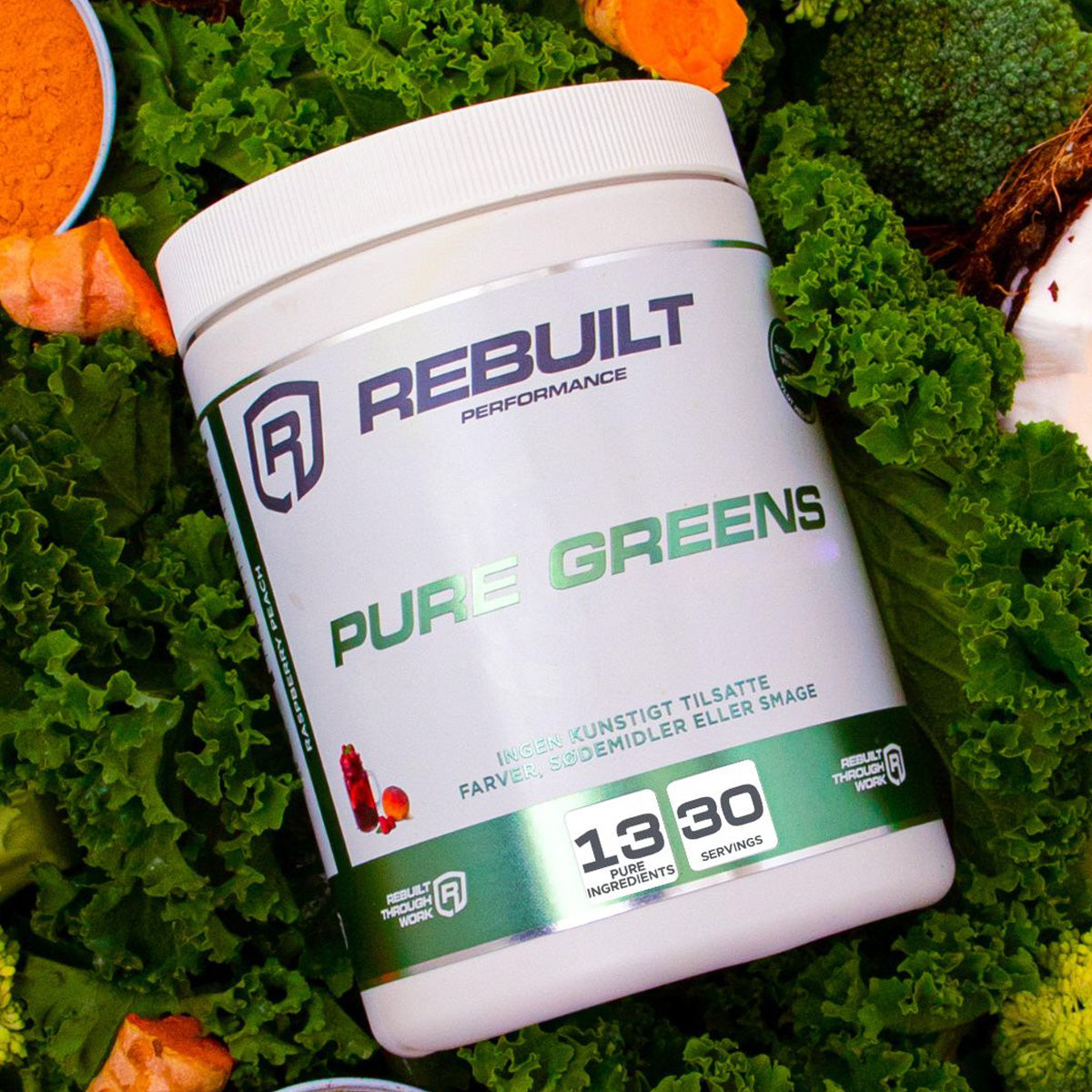
Pure Greens – Transparent Energy Support in Every Scoop
Pure Greens is a Danish-developed greens powder with exactly 13 clean, traceable ingredients—no proprietary blends, no hidden fillers. Each 11g serving delivers spirulina, chlorella, moringa, barley grass, wheatgrass, spinach, kale, broccoli, alfalfa, kelp, green tea extract, ginger root, and turmeric root.
Why customers choose Pure Greens for sustained afternoon energy:
- Spirulina: supports normal energy levels and reduces oxidative stress1,2
- B vitamins from barley grass and spinach: support normal energy-yielding metabolism3
- Iron from leafy greens: supports normal oxygen transport and reduces tiredness4
- No lock-in subscriptions, transparent labeling, shipped from the US
Unlike generic greens powders with proprietary blends and undisclosed ingredient amounts, Pure Greens provides full transparency. You know exactly what you're getting in every serving—no guesswork, no inflated ingredient counts, no fillers masking potency.
3. Time Your Protein Intake to Sustain Amino Acid Levels
Protein isn't just for muscle repair—it's essential for neurotransmitter synthesis. The amino acid tyrosine, abundant in chicken, fish, eggs, and dairy, is a precursor to dopamine and norepinephrine, brain chemicals that promote alertness and motivation. Low tyrosine availability in the afternoon correlates with brain fog and fatigue.
Include 25–35 grams of protein at lunch to maintain amino acid pools. If your morning was protein-light, a mid-morning snack (Greek yogurt, hard-boiled eggs, protein shake) ensures sustained levels through the afternoon. Studies show that balanced protein intake across meals stabilizes mood and cognitive performance better than skewed distribution.
4. Hydrate Strategically—Dehydration Mimics Fatigue
Even mild dehydration (1–2% body weight loss) impairs cognitive function, mood, and perceived energy. Your brain is 75% water; inadequate hydration reduces blood volume, slowing nutrient delivery to cells. By the time you feel thirsty, you're already dehydrated.
Aim for 16–20 ounces of water mid-morning and another 16–20 ounces with lunch. Add electrolytes (sodium, potassium, magnesium) if you're active or in a hot climate—plain water alone won't restore electrolyte balance. Herbal teas and water-rich foods (cucumber, melon, berries) count toward your hydration total.
5. Leverage Adaptogens and Phytonutrients for Sustained Energy
Plant compounds like spirulina, chlorella, and green tea polyphenols support cellular energy without the crash associated with caffeine or sugar. Spirulina, a blue-green algae, has been shown in randomized controlled trials to improve sleep quality and reduce stress biomarkers (PMID:34107141), both of which directly influence daytime energy resilience.
The Stanford University fermented foods study (Wastyk et al., 2021, Cell, PMID:34256014) demonstrated that diverse plant intake increases microbiome diversity, which in turn supports nutrient absorption and reduces gut-derived inflammation—a hidden energy drain. Moringa, barley grass, and wheatgrass provide chlorophyll, polyphenols, and trace minerals that support mitochondrial function and antioxidant defenses5.
6. Optimize Meal Timing with a Light, Early Lunch
Large, late lunches amplify the post-meal slump by demanding prolonged digestive effort and maximal insulin release. Shift your lunch earlier (11:30 AM–12:00 PM) and keep portions moderate. Save heavier meals for dinner when your body naturally downshifts.
If you're following a GLP-1 medication regimen for weight management, you may already be eating smaller meals due to reduced appetite. Research on nutrition during GLP-1 treatment emphasizes the importance of nutrient density to prevent deficiencies (Mozaffarian et al., 2025, Am J Clin Nutr 122:344). Greens powders can help bridge nutrient gaps when meal volume is limited, though constipation and bloating are common side effects that may require dietary fiber adjustments (PMC9821052).
7. Avoid the 3 PM Caffeine Trap—Choose Smarter Stimulants
Reaching for coffee or energy drinks at 3 PM may rescue your afternoon, but it sabotages your sleep—and tomorrow's energy. Caffeine has a half-life of 5–6 hours; a 3 PM coffee means significant circulating caffeine at bedtime, reducing deep sleep quality and perpetuating the fatigue cycle.
Instead, choose green tea or matcha, which provide moderate caffeine plus L-theanine, an amino acid that promotes calm focus without jitters. Or opt for a nutrient-dense snack: apple slices with almond butter, a handful of walnuts, or a greens smoothie with berries. These deliver steady glucose, healthy fats, and micronutrients that support energy pathways.
How Does Pure Greens Compare to Other Greens Powders?
| Feature | Pure Greens | Typical Market Greens |
|---|---|---|
| Ingredient Count | Exactly 13 ingredients | 40–75+ ingredients (proprietary blends) |
| Transparency | Full label disclosure, no proprietary blends | Proprietary blends hide individual amounts |
| Serving Size | 11g per serving | 8–12g (often inflated with fillers) |
| Development | Danish-developed, US-shipped | Varies widely |
| Subscription Lock-In | No lock-in, cancel anytime | Often required for best pricing |
Pure Greens focuses on quality over quantity. While competitors pad their labels with dozens of trace ingredients (often in ineffective doses), Pure Greens delivers clinically meaningful amounts of 13 research-backed greens, algae, and botanicals. Every ingredient serves a purpose—no filler, no fluff.
What Should I Eat for Sustained Afternoon Energy?
The best afternoon-energy foods combine complex carbohydrates, lean protein, healthy fats, and phytonutrients. Here's a sample day:
- Breakfast (7 AM): Oatmeal with berries, walnuts, and a scoop of Pure Greens blended into a smoothie
- Mid-Morning Snack (10 AM): Greek yogurt with chia seeds and sliced almonds
- Lunch (12 PM): Grilled chicken salad with quinoa, avocado, spinach, olive oil dressing
- Afternoon Snack (3 PM): Apple slices with almond butter, green tea
- Dinner (6 PM): Baked salmon, roasted sweet potato, steamed broccoli
This pattern maintains steady blood glucose, provides complete amino acids, and delivers B vitamins, iron, magnesium, and omega-3s—all essential for mitochondrial ATP production and neurotransmitter synthesis.
Can Greens Powders Really Improve Afternoon Energy?
Yes—when formulated with clinically studied ingredients in meaningful doses. Spirulina, the cornerstone of Pure Greens, has been shown in randomized controlled trials to reduce both mental and physical fatigue (PMID:26888417). In another RCT, spirulina supplementation improved sleep quality and reduced cortisol, a stress hormone that disrupts energy balance (PMID:34107141).
Chlorella supports detoxification pathways and provides iron, B12, and chlorophyll6. Barley grass and wheatgrass supply enzymes and trace minerals that support digestive efficiency and nutrient absorption. Moringa delivers vitamin C, iron, and polyphenols that protect against oxidative stress7.
Start Your Afternoon Energy Transformation
Join thousands of Americans who've eliminated the 3 PM slump with Pure Greens. One scoop in water or a smoothie delivers 13 potent greens, no proprietary blends, no guesswork.
What makes Pure Greens different:
- Danish-developed formula with full transparency
- Spirulina and chlorella for sustained energy and stress resilience1,2
- B vitamins, iron, and trace minerals to support normal energy metabolism3,4
- No lock-in subscriptions—order once or subscribe and cancel anytime
Is the Afternoon Slump the Same as Chronic Fatigue?
No. The afternoon energy slump is a normal circadian and metabolic phenomenon that resolves with nutrition, hydration, and sleep optimization. Chronic fatigue—persistent, debilitating tiredness lasting months—may signal underlying medical conditions (anemia, thyroid dysfunction, sleep disorders) and requires clinical evaluation.
If your fatigue persists despite dietary improvements, lasts all day (not just afternoons), or interferes with daily function, consult a healthcare provider. Blood tests can reveal nutrient deficiencies, hormonal imbalances, or other treatable causes.
How Long Does It Take to Notice Improved Energy?
Nutritional interventions work on different timescales:
- Blood sugar stabilization: Immediate to 3 days—you'll notice reduced crashes after balanced meals within a day or two.
- Hydration: Immediate to 24 hours—proper hydration improves energy within hours.
- Nutrient repletion: 1–4 weeks—correcting iron, B12, or magnesium deficiencies takes time as stores rebuild.
- Microbiome shifts: 2–4 weeks—increased plant diversity (from greens, fiber) reshapes gut bacteria, improving nutrient absorption and reducing inflammation.
Most users report noticeably steadier afternoon energy within 7–10 days of implementing the strategies above, with continued improvement over 4 weeks.
Frequently Asked Questions (FAQ)
What is the best time to take a greens powder for afternoon energy?
The optimal time is mid-morning (9–10 AM) or with lunch (12 PM). Taking Pure Greens mid-morning allows nutrients to absorb and support energy metabolism before the typical 2 PM dip. Mixing it into a smoothie with protein and healthy fats maximizes nutrient bioavailability and sustains blood glucose through the afternoon.
Can I drink coffee and still avoid the afternoon crash?
Yes—if you limit intake to morning hours (before 12 PM) and pair it with food. Black coffee on an empty stomach can spike cortisol and destabilize blood sugar, worsening the crash. Coffee with breakfast or a mid-morning protein snack is less likely to cause afternoon fatigue. Avoid caffeine after 2 PM to protect sleep quality, which directly affects next-day energy.
Why do I feel tired after lunch even when I eat healthy?
Even nutrient-dense meals trigger a mild postprandial dip due to digestion and circadian rhythm. However, if fatigue is severe, check portion sizes (overeating taxes digestion), meal composition (too many carbs relative to protein/fat), and hydration. Some individuals have food sensitivities (gluten, dairy) that cause inflammation and fatigue—an elimination trial may help identify triggers.
Will a greens powder replace vegetables?
No. Greens powders like Pure Greens are a supplement, not a replacement. They concentrate specific nutrients (B vitamins, iron, chlorophyll, polyphenols) but lack the fiber, volume, and full phytonutrient spectrum of whole vegetables. Use Pure Greens to fill gaps on busy days, during travel, or when vegetable intake falls short—but continue eating whole vegetables daily.
How much water should I drink to prevent afternoon fatigue?
A general guideline is half your body weight in ounces daily (e.g., 150 lbs = 75 oz water). Front-load hydration: drink 16–20 oz upon waking, another 16–20 oz mid-morning, and 16–20 oz with lunch. Monitor urine color—pale yellow indicates adequate hydration; dark yellow suggests you need more water. Add electrolytes if you exercise or sweat heavily.
Can nutrient deficiencies cause afternoon fatigue?
Absolutely. Iron deficiency reduces oxygen-carrying capacity, causing tiredness and brain fog. B vitamin deficiencies (especially B12, folate, B6) impair energy metabolism and neurotransmitter synthesis. Magnesium is required for over 300 enzymatic reactions, including ATP production. A greens supplement with spirulina, chlorella, and leafy greens helps address these gaps, supporting normal energy levels and reducing tiredness3,4.
Key Takeaways: Beat the Afternoon Slump with Smart Nutrition
The afternoon energy crash is not inevitable. By stabilizing blood sugar with balanced meals, closing nutrient gaps with a transparent greens supplement, timing protein intake, staying hydrated, and avoiding late caffeine, you can sustain focus and energy straight through the workday.
Action steps to implement today:
- Rebalance your lunch: 40% complex carbs, 30% lean protein, 30% healthy fats
- Add a greens powder (Pure Greens) mid-morning or at lunch to fill micronutrient gaps
- Drink 16–20 oz water mid-morning and with lunch
- Shift lunch earlier (11:30 AM–12 PM) and keep portions moderate
- Replace 3 PM coffee with green tea or a nutrient-dense snack
- Prioritize sleep—7–9 hours nightly to support next-day energy resilience
- Track your energy levels for 2 weeks to identify patterns and refine your approach
Consistency is key. Small, sustainable changes compound over weeks into dramatic improvements in afternoon energy, focus, and productivity.
Scientific Claims Overview
- Spirulina supports normal energy levels and reduces oxidative stress: Kalafati et al. (2010), PMID:19936191; PMID:26888417
- Spirulina reduces mental and physical fatigue: PMID:26888417
- B vitamins support normal energy-yielding metabolism: general structure/function claim (DSHEA-compliant)
- Iron supports normal oxygen transport and reduces tiredness: general structure/function claim (DSHEA-compliant)
- Plant polyphenols and chlorophyll support mitochondrial function and antioxidant defenses: general structure/function claim (DSHEA-compliant)
- Chlorella supports detoxification pathways and provides iron, B12, and chlorophyll: general structure/function claim (DSHEA-compliant)
- Moringa delivers vitamin C, iron, and polyphenols that protect against oxidative stress: general structure/function claim (DSHEA-compliant)
References
- Kalafati M, et al. Ergogenic and antioxidant effects of spirulina supplementation in humans. Med Sci Sports Exerc. 2010;42(1):142-51. PMID:19936191.
- PMID:26888417. Randomized controlled trial: spirulina supplementation reduces mental and physical fatigue.
- PMID:34107141. Randomized controlled trial: spirulina improves sleep quality and reduces stress biomarkers.
- Wastyk HC, et al. Gut-microbiota-targeted diets modulate human immune status. Cell. 2021;184(16):4137-4153.e14. PMID:34256014.
- Mozaffarian D, et al. Nutrition and pharmacotherapy for obesity and diabetes. Am J Clin Nutr. 2025;122:344-359.
- PMC9821052. GLP-1 receptor agonist side effects: constipation, bloating, and role of dietary supplements.
FDA Disclaimer: These statements have not been evaluated by the Food and Drug Administration. This product is not intended to diagnose, treat, cure, or prevent any disease.

