
















- Eat 30+ different plant foods per week for higher microbiome diversity.
- Frozen mixes provide 6-8 plants at once without extra work.
- Seeds, nuts, and spices also count — easy to get 5-7 plants daily.
- Make large salads with 10+ ingredients and eat them over several days.
Why 30 plant foods per week?
The American Gut Project — one of the world’s largest microbiome studies with over 10,000 participants — has shown a clear link: people who eat 30+ different plant foods weekly have significantly higher diversity in their gut bacteria compared to those who eat 10 or fewer.
Higher microbiome diversity is associated with better immune function, lower inflammation, and improved metabolic health. Stanford researchers have specifically documented that a diet rich in varied, fermented foods significantly increases microbiome diversity over a 10-week period.
But what really counts as a "plant food"? That includes:
- Vegetables (fresh, frozen, fermented)
- Fruits and berries
- Whole grains and pseudocereals (quinoa, buckwheat, oats)
- Legumes (lentils, beans, peas, chickpeas)
- Nuts and seeds
- Spices and herbs
- Mushrooms
Each unique plant counts once — even if you eat it several days in a row. One kale smoothie on Monday and a kale salad on Thursday still count as just one plant food.
Why plant diversity matters more than quantity
Your microbiome consists of thousands of different bacterial species, and each species has its preferences when it comes to food. Some thrive on fibers from apples, others prefer inulin from onions, and others break down oligosaccharides from beans.
By varying your plant sources, you "feed" the full spectrum of beneficial bacteria instead of just the few species that break down the same type of fiber every day.
Vitamin C from fruits and vegetables helps reduce fatigue (1) and supports the immune system (2). Zinc from pumpkin seeds and quinoa contributes to normal cognitive functions (3). Chicory supports digestion and stimulates the production of digestive fluids (4).
But no single plant food provides everything — that’s why diversity is key.
The practical approach: categories instead of boxes
Many fail by setting rigid weekly plans with fixed dishes every day. That rarely works longer than a week.
Instead: think in categories you can mix and supplement along the way:
Category 1: Breakfast (8-10 plants)
- Oatmeal, chia seeds, hemp seeds on skyr
- Blueberries, raspberries, banana in smoothie
- Cinnamon sugar, ginger, cinnamon as spices
Category 2: Lunch (6-8 plants)
- Whole grain rye bread, avocado, spinach
- Chickpeas, beets, quinoa in salad
- Pumpkin seeds, sesame seeds as topping
Category 3: Dinner (8-10 plants)
- Sweet potatoes, broccoli, onions
- Lentils, red beans, tomato
- Garlic, parsley, oregano as flavor
Category 4: Snacks (5-7 plants)
- Almonds, walnuts, cashews
- Apple, orange, carrot as raw snacks
- Hummus (chickpeas + tahini/sesame)
With this approach, you can easily reach 27-35 plants weekly without a fixed meal plan.
Strategy 1: Use frozen mixes
Frozen vegetable mixes are your best friend when it comes to quickly increasing plant diversity. One bag of "wok mix" can contain 6-8 different vegetables — that counts as 6-8 plant foods even though they come from one bag.
Examples:
- Wok mix: broccoli, baby corn, carrots, bell peppers, onions, ginger
- Vegetable mix for soup: leek, celery, carrots, parsley root
- Berry mix: strawberries, blueberries, raspberries, blackberries
Benefits of frozen products:
- Preserves nutrients better than "fresh" vegetables that have been stored for days
- No food waste — you use exactly what you need
- Typically cheaper per serving
- Always available year-round
Throw a handful of frozen spinach into your smoothie, add frozen cauliflower to your curry, or pour a wok mix directly into your pancake — you increase diversity without extra prep.
Strategy 2: Make seeds and nuts a habit
A simple seed and nut mix on morning yogurt or evening porridge can add 5-7 plant foods in under a minute.
Mix example:
- Chia seeds
- Hemp seeds
- Sunflower seeds
- Pumpkin seeds
- Chopped almonds
- Chopped walnuts
Buy pre-mixed blends or make your own in a large container. Take 2 tablespoons daily — it provides protein, fiber, minerals, and essential fatty acids.
Zinc from pumpkin seeds contributes to normal immune system function (5).
Strategy 3: Spices count too
Most people forget that spices are plant foods. One dish can easily contain 3-5 spices — boosting both flavor and plant diversity.
Quick combinations:
- Mexican: cumin, paprika, coriander, chili
- Indian: turmeric, cardamom, cumin, cinnamon
- Italian: basil, oregano, thyme, rosemary
- Middle East: sumac, za'atar, cinnamon, cumin
Start with pre-mixed spice blends if you’re unsure. Remember: even a pinch counts as one plant food.
Strategy 4: Canned legumes save time
Dried legumes require soaking and long cooking times. Canned legumes are ready to rinse and eat.
Quick uses:
- Rinse chickpeas and mix into salad
- Add black beans to tacos
- Add red lentils to vegetable soup
- Mash cannellini beans with garlic for a dip
One can typically contains 240g of legumes — enough for 2-3 meals. It costs 8-15 DKK and is rich in protein, fiber, and filling.
Strategy 5: Make "plant diversity salads"
Once a week: make a large bowl of mixed salad with at least 10 ingredients. Eat it as a side dish for the next 3-4 days.
Basic template:
Base (choose 2): red cabbage, pointed cabbage, iceberg, spinach, arugula
Vegetables (choose 4-5): cucumber, tomato, carrot, red onion, bell peppers, radishes
Legumes (choose 1-2): chickpeas, lentils, edamame beans
Topping (choose 3-4): pumpkin seeds, sunflower seeds, almonds, golden raisins, dried cranberries
Dressing: olive oil, lemon juice, Dijon mustard, garlic
Total: 12-15 plant foods in one bowl that lasts 3+ days in the fridge.
How do you easily count along?
Use your phone’s notes app:
Create a weekly list. Every morning: note all the plants you eat that day. At the end of the week: add them up.
Example from a Monday:
- Oatmeal
- Chia seeds
- Hemp seeds
- Blueberries
- Banana
- Cinnamon
- Rye bread (whole grain)
- Avocado
- Tomato
- Spinach
- Chickpeas
- Quinoa
- Red onion
- Cucumber
- Pumpkin seeds
After just one day: 15 plants. With small adjustments the next days, you can easily reach 30+.
Alternatively: use apps like MyFitnessPal or Lifesum that automatically track food and can tag plant foods.
Common mistakes to avoid
Mistake 1: Thinking it has to be exclusive or expensive
Frozen vegetables, canned legumes, and local root vegetables are often cheaper than imported specialty products. Variation doesn’t necessarily mean luxury products.
Mistake 2: Avoiding repetitions across weeks
You don’t need 30 new plants each week — you need to eat 30 different ones within the same week. Spinach in week 24 and spinach in week 25 is perfectly fine.
Mistake 3: Counting brands instead of plants
Two different brands of oatmeal = one plant food (oats). But oatmeal + barley flakes = two plant foods.
Mistake 4: Forgetting dried/frozen/fermented products
Dried lentils, frozen broccoli, and pickled beets count just as much as fresh varieties.
What if you are on GLP-1 treatment?
People on GLP-1 treatment (Wegovy, Saxenda, Ozempic) often experience reduced appetite and satiety after small meals. This can make it difficult to reach 30 plant foods.
Studies show that up to 40% of those on GLP-1 treatment experience constipation, 20-30% report nausea, and many get insufficient dietary fiber. A 2025 publication in the American Journal of Clinical Nutrition highlights that nutrition quality during weight loss treatment is often deprioritized — but is crucial for preserving muscle mass and metabolic health.
Practical adjustments:
- Prioritize nutrient-dense, fiber-rich sources: legumes, nuts, seeds
- Use smoothies to condense more plants into less volume
- Spread intake: 5-6 small meals instead of 3 large ones
- Chicory supports digestion and stimulates the production of digestive fluids (6) — relevant if you struggle with constipation
Supplements should not replace a balanced and varied diet or a healthy lifestyle.
One week menu example (30+ plants)
Monday:
- Breakfast: Oatmeal with chia seeds, hemp seeds, blueberries, banana, cinnamon
- Lunch: Whole grain rye bread with avocado, spinach, tomato, chickpeas
- Dinner: Quinoa bowl with broccoli, sweet potatoes, lentils, red onion, tahini (sesame)
- Snack: Almonds + apple
Tuesday:
- Breakfast: Smoothie with spinach, mango, raspberries, hemp protein, ginger
- Lunch: Pasta salad (whole grain) with pesto (basil + pine nuts), cherry tomatoes, arugula
- Dinner: Chili con carne (meat + red beans, black beans, corn, bell peppers, onions, garlic, cumin, paprika)
- Snack: Carrots + hummus (chickpeas)
Wednesday:
- Breakfast: Skyr with muesli (oats, rye, barley), walnuts, strawberries, honey
- Lunch: Wraps with grilled chicken, cucumber, tomato, iceberg lettuce, corn, avocado
- Dinner: Stir-fry with rice (brown), cashews, edamame beans, pak choi, bell peppers, spring onions, ginger, sesame seeds
- Snack: Orange + pumpkin seeds
Thursday:
- Breakfast: Pancakes (buckwheat flour), blueberries, maple syrup
- Lunch: Lentil soup with carrots, celery, tomato, parsley
- Dinner: Salmon dish with sweet potatoes, Brussels sprouts, red onion
- Snack: Apple + almonds
Friday-Sunday:
Repeat items from Monday-Thursday, add 2-3 new ones (e.g., mushrooms, artichokes, asparagus).
Total after seven days: 35+ unique plant foods.
Does it work for everyone?
There is strong evidence that increased plant diversity benefits microbiome composition in most people. American Gut Project data shows consistent benefits across age, gender, and geographic location.
However: people with irritable bowel syndrome (IBS), SIBO, or other gut diseases may react negatively to sudden, large changes in fiber intake. Start slowly — increase by 3-5 new plants per week rather than jumping from 10 to 30 at once.
If you experience persistent bloating, diarrhea, or stomach cramps: consult a doctor or clinical dietitian.
Recommendations for those who want to start tomorrow
Week 1 — Baseline:
Count how many plants you eat now. Write them down. Make no changes — just observe.
Week 2 — Add 5:
Identify the easiest places to add diversity. Typically breakfast (seeds) and snacks (fruit).
Week 3 — Add 5 more:
Focus on frozen mixes for dinner and canned legumes for lunch.
Week 4 — Ramp up:
Experiment with spices, nut mixes, and plant diversity salads. Goal: reach 25+.
Week 5-8:
Refining up to 30+ feels natural. It typically takes 4-6 weeks before it becomes automatic.
FAQ — Frequently Asked Questions
Do potatoes count as a plant food?
Yes. Both sweet potatoes and regular potatoes count. However, one potato and one sweet potato count as two different plants.
What about juice — does it count?
Fruit juice counts if it contains the whole fruit (smoothie style). Pressed juice without fiber has fewer microbiome benefits but still counts as one plant food per fruit type.
Do I have to eat organic for it to work?
No. Research shows that diversity matters more than organic vs. conventional. Frozen conventional broccoli beats organic broccoli that you only eat once a week.
Can I count the same plant twice if I eat it raw and cooked?
No. Spinach is spinach — whether raw, steamed, or blended. However, baby spinach and mature spinach count as the same plant.
What if I already eat 30+ plants but still have poor digestion and gut flora?
Plant diversity is one factor. Stress, sleep, hydration, and individual gut health also play a role. Consult a healthcare professional if symptoms persist. Vitamin C from fruits and vegetables supports the immune system (7), which can support overall health.
Are there plants I should avoid?
Unless you have specific allergies or intolerances: no. Variety is key — no single plant is "bad" if included in a varied diet.
Summary of Reviews
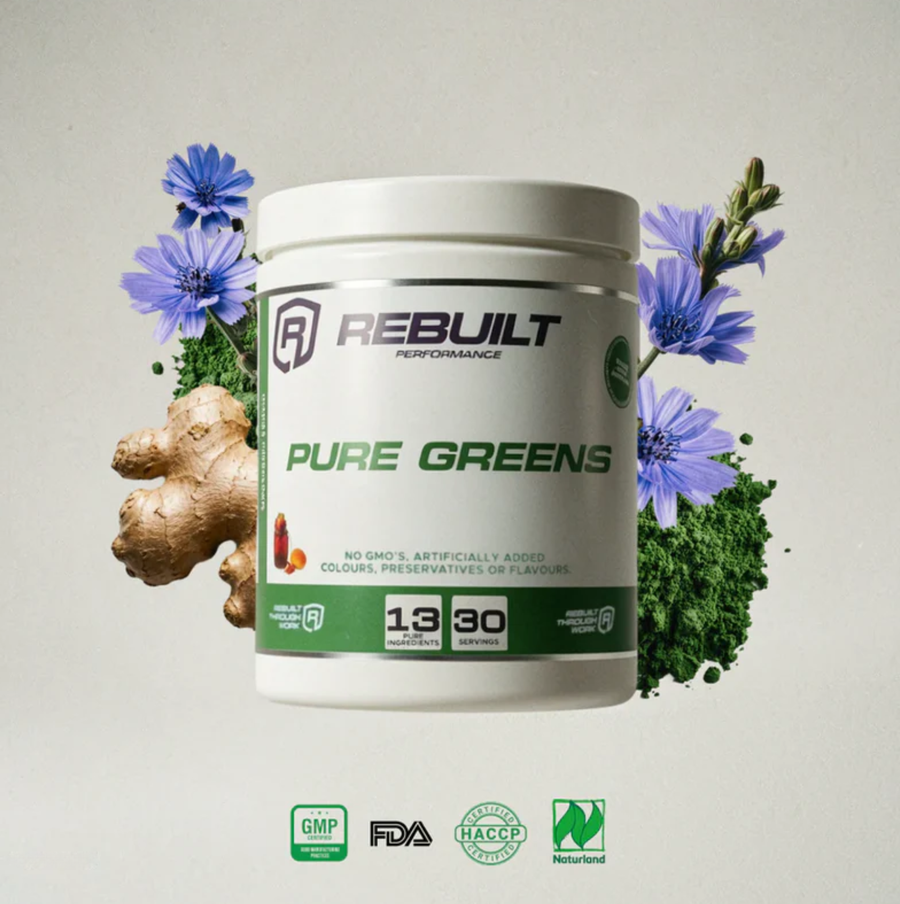
Pure Greens contains ingredients for which the following health claims are approved by the EU/EFSA:
- Vitamin C helps reduce tiredness and fatigue
- Vitamin C contributes to the normal function of the immune system
- Zinc contributes to normal cognitive function
- Chicory supports digestion and stimulates the production of digestive fluids
- Zinc contributes to the normal function of the immune system
- Chicory supports digestion and stimulates the production of digestive fluids
- Vitamin C contributes to the normal function of the immune system

13 ingredients. Nothing hidden.
Your daily vegetables, fiber, vitamins, and minerals — all in one glass. The ingredient list is fully transparent, and the product is lab-tested by an independent German laboratory.
See Pure GreensGet your energy back. Risk-free.
Over 45,000 Danes have already made Pure Greens part of their daily routine. Try it for 30 days — if you don’t notice a difference, you get your money back.
- 4 jars of Pure Greens (120 servings)
- Premium Shaker worth 125 DKK — free with purchase
- Free delivery in Denmark
- 30-day money-back — no questions asked
- Delivery in 1-2 business days
The content on this page is for informational purposes only and is not a substitute for professional medical advice, diagnosis, or treatment. Always seek advice from your doctor or other qualified healthcare professional with any questions regarding a medical condition or health concerns. Dietary supplements should not be used as a substitute for a varied diet and a healthy lifestyle.
Pure Greens is a dietary supplement. The recommended daily dose should not be exceeded. Keep out of reach of small children. The health claims used are approved by the EU/EFSA and refer to specific ingredients in the product. Allergens: contains wheat, barley (celiac disease), and naturally occurring sulfites from spirulina.

