

- Bloating often results from too little fiber and an unbalanced gut flora
- Eat slowly and chew thoroughly – otherwise, you swallow too much air
- Gradually increase fiber intake to 30 g per day and drink at least 2 liters of water
- Fermented foods like sauerkraut and kimchi measurably improve gut flora
Constantly bloated? The most common causes and what really helps
Bloating is a common digestive problem caused by excessive gas formation in the intestines. The most common causes include a low-fiber diet, eating too quickly, certain food intolerances, and an unbalanced gut flora. The good news: targeted dietary adjustments, probiotic foods, and sufficient fiber can significantly reduce bloating in most cases.
In this article, you will learn the 8 most common causes of a bloated stomach and get 7 concrete, scientifically based tips to help you improve your digestion in the long term.
The 8 most common causes of bloating
1. Low-fiber diet and unbalanced gut flora
One of the main causes of bloating is a low-fiber diet, which can disrupt the balance of gut flora. If the "good" gut bacteria receive too little nourishment, gas-producing bacteria can spread. Studies show that a high-fiber diet increases the diversity of gut flora and can reduce digestive discomfort.
According to a study by Stanford University, fermented foods significantly increase the diversity of gut flora and reduce inflammation markers. A diverse bacterial composition in the gut ensures more efficient digestion and less gas production.
2. Eating too quickly and swallowing air
If you rush through your meals, you automatically swallow more air (aerophagia). This air accumulates in the digestive tract and can lead to a bloated stomach. Eating slowly and chewing consciously not only reduces air intake but also improves digestion, as food is already partially digested in the mouth.
3. Lactose intolerance and dairy products
About 15 to 20 percent of the German population suffer from lactose intolerance – many without knowing it. If the body cannot properly break down milk sugar (lactose), it passes undigested into the large intestine, where bacteria ferment it and produce gases. The result is bloating, a feeling of fullness, and sometimes diarrhea.
4. Excessive consumption of hard-to-digest foods
Certain foods are known to cause bloating: legumes (beans, lentils), cruciferous vegetables (broccoli, cauliflower, white cabbage), onions, and garlic. They contain complex carbohydrates and sugar alcohols that are not fully digested in the small intestine and cause gas formation in the large intestine. This does not mean you should avoid these healthy foods—but a gradual introduction gives your gut time to adjust.
5. Dysbiosis: imbalance of gut flora
Dysbiosis refers to an imbalance of gut bacteria where harmful bacteria dominate. Common triggers are antibiotics, chronic stress, alcohol, or a one-sided diet. In dysbiosis, certain bacterial strains produce increased gases, leading to chronic bloating. Building a healthy gut flora through probiotic and prebiotic foods is crucial here.
6. Irritable bowel syndrome (IBS)
Irritable bowel syndrome affects about 10 to 15 percent of the population and manifests as recurring abdominal pain, bloating, and altered bowel habits. The exact causes are not fully understood, but a disturbed gut-brain axis, stress, and altered gut motility play a role. If you suspect IBS, you should seek medical advice.
7. Medications and GLP-1 agonists
Certain medications can cause bloating as a side effect. Especially GLP-1 receptor agonists (such as semaglutide or liraglutide), used for weight loss, slow gastric emptying and can lead to constipation and bloating. A study shows that up to 30 percent of users experience gastrointestinal side effects like bloating and constipation. A fiber-rich diet and sufficient fluids can help here.
8. Chronic stress and the gut-brain axis
Stress directly affects your digestion. The gut-brain axis connects the central nervous system with the digestive system. Chronic stress changes gut motility, can make the gut barrier more permeable, and disrupts the gut flora balance. This can lead to bloating, abdominal pain, and other digestive issues.
7 concrete tips: What you can do against bloating
1. Gradually increase fiber intake
Fiber is essential for healthy digestion and nourishes the "good" gut bacteria. The German Nutrition Society (DGE) recommends at least 30 grams of fiber per day. However, increase your intake gradually to give your gut time to adjust.
Good sources of fiber are:
- Whole grain products (oatmeal, whole grain bread, brown rice)
- Vegetables (especially carrots, sweet potatoes, zucchini)
- Fruits (berries, apples with skin, pears)
- Legumes (well soaked and thoroughly cooked)
- Seeds and nuts (flaxseeds, chia seeds, almonds)
Your daily greens – fiber, vitamins, and minerals, without a grassy taste.
2. Incorporate fermented foods into your diet
Fermented foods contain live microorganisms that can positively influence your gut flora. The Stanford study by Wastyk et al. (2021) showed that a diet rich in fermented foods increases gut flora diversity and reduces inflammation markers.
Recommended fermented foods:
- Sauerkraut (unpasteurized)
- Kimchi
- Natural yogurt with live cultures
- Kefir
- Kombucha
- Miso
Start with small portions (1 to 2 tablespoons daily) and gradually increase the amount to avoid overloading your gut.
3. Drink enough water – at least 2 liters daily
Water is essential for healthy digestion. It helps fiber swell and move through the gut. With too little fluid, fiber can paradoxically worsen constipation and bloating instead of relieving it.
What to watch for:
- At least 30 to 35 ml per kilogram of body weight
- More water with a high-fiber diet
- Drink throughout the day, not all at once
- Additional fluids during physical activity
4. Eat slowly and chew thoroughly
Mindful eating is one of the simplest and most effective ways to reduce bloating. If you chew each bite 20 to 30 times, you significantly relieve your digestive system. Digestion already begins in the mouth through enzymes in saliva.
Practical tips:
- Put down cutlery between bites
- Eat without distractions (no phone, TV, or computer)
- Plan at least 20 minutes per meal
- Don’t talk with your mouth full (extra air!)
5. Identify and avoid individual trigger foods
Every body reacts differently to certain foods. A food diary helps you identify your personal triggers. Record over 2 to 3 weeks:
- What you ate (with time)
- When bloating occurred
- Accompanying symptoms
- Stress level and sleep quality
Common triggers are: dairy products, wheat or gluten, artificial sweeteners (sorbitol, xylitol), carbonated drinks, alcohol, and very fatty foods.
6. Move regularly – even light activity helps
Physical activity promotes gut motility and helps move gas faster through the digestive tract. You don’t have to be an athlete – even a 15-minute walk after eating can work wonders.
Recommended activities:
- Daily walks (especially after meals)
- Yoga exercises for digestion (e.g., seated twist, child’s pose)
- Light jogging or cycling
- Swimming
7. Manage stress with proven relaxation techniques
Since the gut-brain axis plays a central role in digestive issues, stress management is essential. Chronic stress can negatively affect your gut flora composition and increase bloating.
Proven techniques:
- Breathing exercises (e.g., 4-7-8 breathing)
- Meditation or mindfulness exercises (10 to 15 minutes daily)
- Progressive muscle relaxation
- Sufficient sleep (7 to 9 hours)
- Time in nature
When should you see a doctor?
Occasional bloating is normal. However, there are warning signs when you should seek medical advice:
- Chronic, persistent bloating over several weeks
- Severe abdominal pain or cramps
- Blood in the stool
- Unexplained weight loss
- Fever
- Severe constipation or diarrhea
- Waking up at night due to discomfort
These symptoms may indicate more serious conditions such as chronic inflammatory bowel diseases, celiac disease, or other gastrointestinal problems that require professional diagnosis.
The role of dietary supplements in bloating
A balanced diet forms the foundation. However, certain dietary supplements can provide support – especially when it is difficult to get enough fiber and micronutrients through a normal diet.
Fiber powders from natural sources like psyllium husks or inulin can help reach the recommended daily amount. It is important to increase the amount gradually and drink enough water.
Your daily greens – fiber, vitamins, and minerals, without a grassy taste.
Green powders can be a convenient way to get extra fiber, vitamins, and minerals that may contribute to normal digestive function (1). Look for products without unnecessary additives and with high-quality, natural ingredients.
Frequently asked questions about bloating
Overview of health claims
Pure Greens contains ingredients for which the following health claim is approved by the EU/EFSA:
- Inulin from chicory contributes to normal bowel function by increasing stool frequency.
The content on this page is for informational purposes only and does not replace professional medical advice, diagnosis, or treatment. If you have questions about illnesses or health complaints, always consult your doctor or other qualified healthcare professionals. Dietary supplements are not a substitute for a balanced diet and a healthy lifestyle.
Pure Greens is a dietary supplement. The recommended daily intake should not be exceeded. Keep out of reach of small children. The health claims used are approved by the EU/EFSA and refer to specific ingredients of the product. Allergens: contains wheat, barley (celiac disease), and naturally occurring sulfites from spirulina.
A nutrient-rich foundation for every day
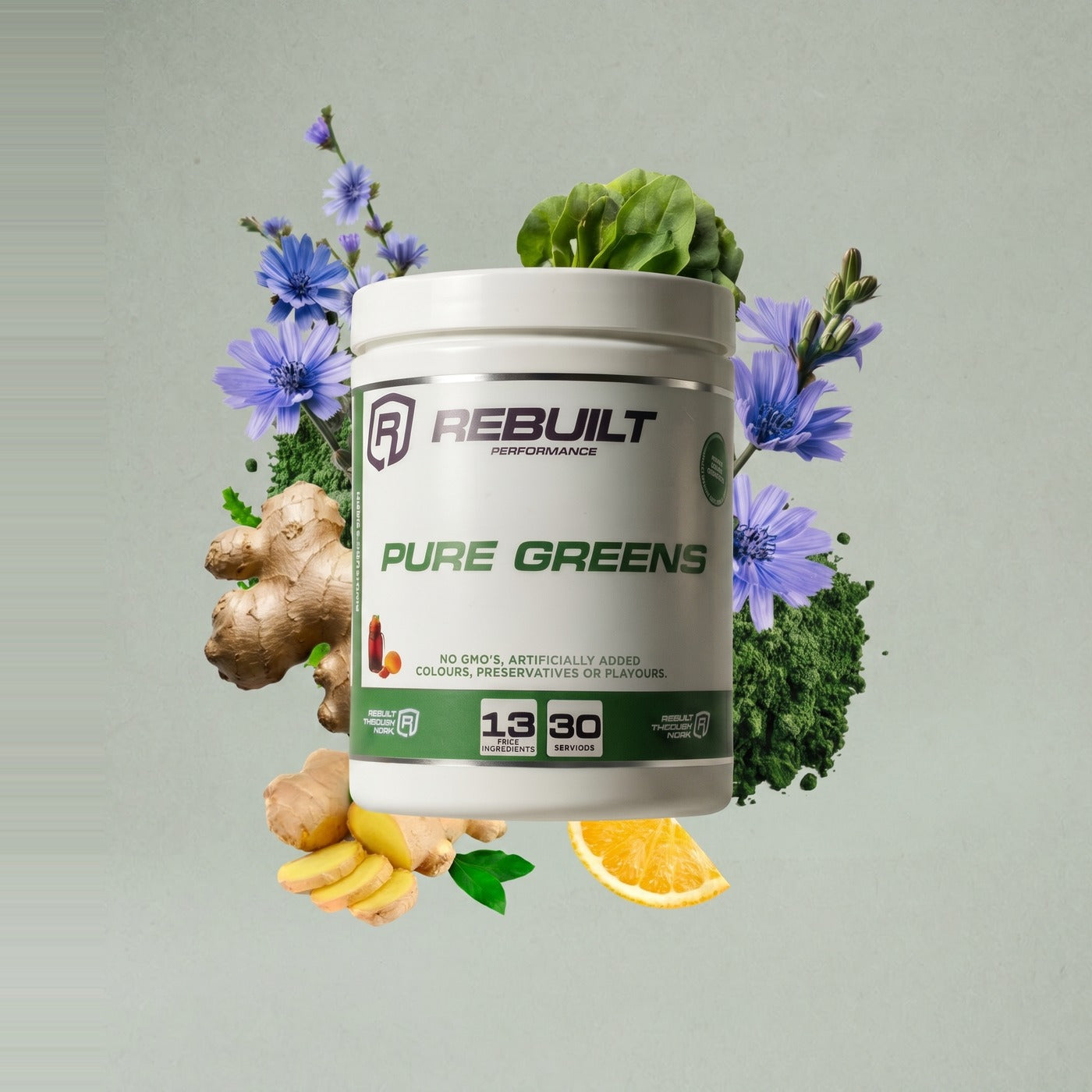
You just read about the factors involved in bloating – diet, routine, and adequate hydration. A nutrient-rich daily foundation is part of it: Pure Greens provides with one scoop Vitamin C and zinc, which contribute to the normal function of the immune system, plus 13 carefully selected ingredients.
Your body deserves
the right nourishment.
13 carefully selected ingredients in one glass – with Vitamin C and Zinc, which contribute to the normal function of the immune system and protect cells from oxidative stress. No grassy taste. No subscription.
- ✓ Vitamin C & Zinc contribute to the normal function of the immune system
- ✓ Vitamin C contributes to the protection of cells from oxidative stress
- ✓ One scoop in the morning · 13 ingredients · no artificial flavors
for the immune system
Ingredients
Start today – the 3rd can is on us
Only for new customers: When you buy 3 cans, you pay for only 2 – plus free shipping.
3 for 2
- ✓ 90 servings – the 3rd can free
- ✓ Free shipping · No subscription

Not ready for 3 yet?
No problem. Start with a single can and find out at your own pace if Pure Greens suits you – with no commitment.
Join over 1,000 satisfied customers
Tastes mild – no grassy flavor.
I always hated Greens powder because of the taste. This one is mild and pleasant. My wife now drinks it too.
Finally one I like to drink.
I had tried several Greens – all tasted like grass. This one is mild and fruity, I really enjoy drinking it.
Tastes really good.
All vegetables in one glass – and it tastes really good too. Very satisfied.
Greens and Reds – both delicious.
I tried both, both are tasty and easy to drink. Reds in the morning, Greens in the evening.
Great product and personal service.
Tastes good and fits well into everyday life. Plus a truly personal service.
Fantastic taste, easy to stir.
Only positive experiences with the powder – great taste and it mixes effortlessly.
Very satisfied.
The taste is really good. I'm generally a big fan of good supplements.
Fast delivery and great taste.
Fast delivery and really good taste. I've only been using it for a few days.
A delicious product.
Good taste, fast delivery, and good feedback. Overall a good experience.
Quickly delivered.
Quickly delivered so we could get started right away. Tastes good and is already a good habit.
Good product.
So far the product fully meets expectations. Good taste, easy to mix.
Pure Greens tastes really good.
Pure Greens tastes really good and fits perfectly into the morning.
Tasty.
Super tasty and really good flavor – both Greens and Reds.
Fast delivery.
Fast delivery. Tastes good, and it comes with good instructions.
Fast delivery, tastes good.
Super fast delivery and the product tastes really good.
Look forward to it every morning.
I've been taking Pure Greens and Pure Reds for a week and look forward to it every morning. Tastes good.
Lovely raspberry flavor.
Pure Reds has become part of my morning routine – with its lovely raspberry flavor, a fresh start.
Nice taste, good delivery.
Nice taste, fast service. I've only just started, but so far top-notch.
Testimonials in videos or other promotional material may include people who have received compensation, free products, or other incentives.
What our customers say
Fast delivery and really good taste
Fast delivery and really good taste 👌
Fine taste, fast delivery
Fine taste and fast service – so far completely satisfied.
Tasty and quickly delivered
Fast delivery and a tasty product.
Honest about the taste
You have to get used to the taste briefly, but the delivery was fast and hassle-free.
Top customer service
There was a small error in my order, but customer service fixed it super quickly.
Consistently good quality
Fast delivery and always the same good quality.
Trustworthy
Trustworthy product and good communication regarding shipping.
Smooth
Order arrived on time, updates by email – overall a smooth experience.
No subscription obligation
Nice that I can decide when the next delivery comes.
Great experience
Great experience from start to finish.
Excellent
An excellent product – and friendly service as well.
Longtime user
Fantastic products. Have been using them for a long time and am still impressed.

