

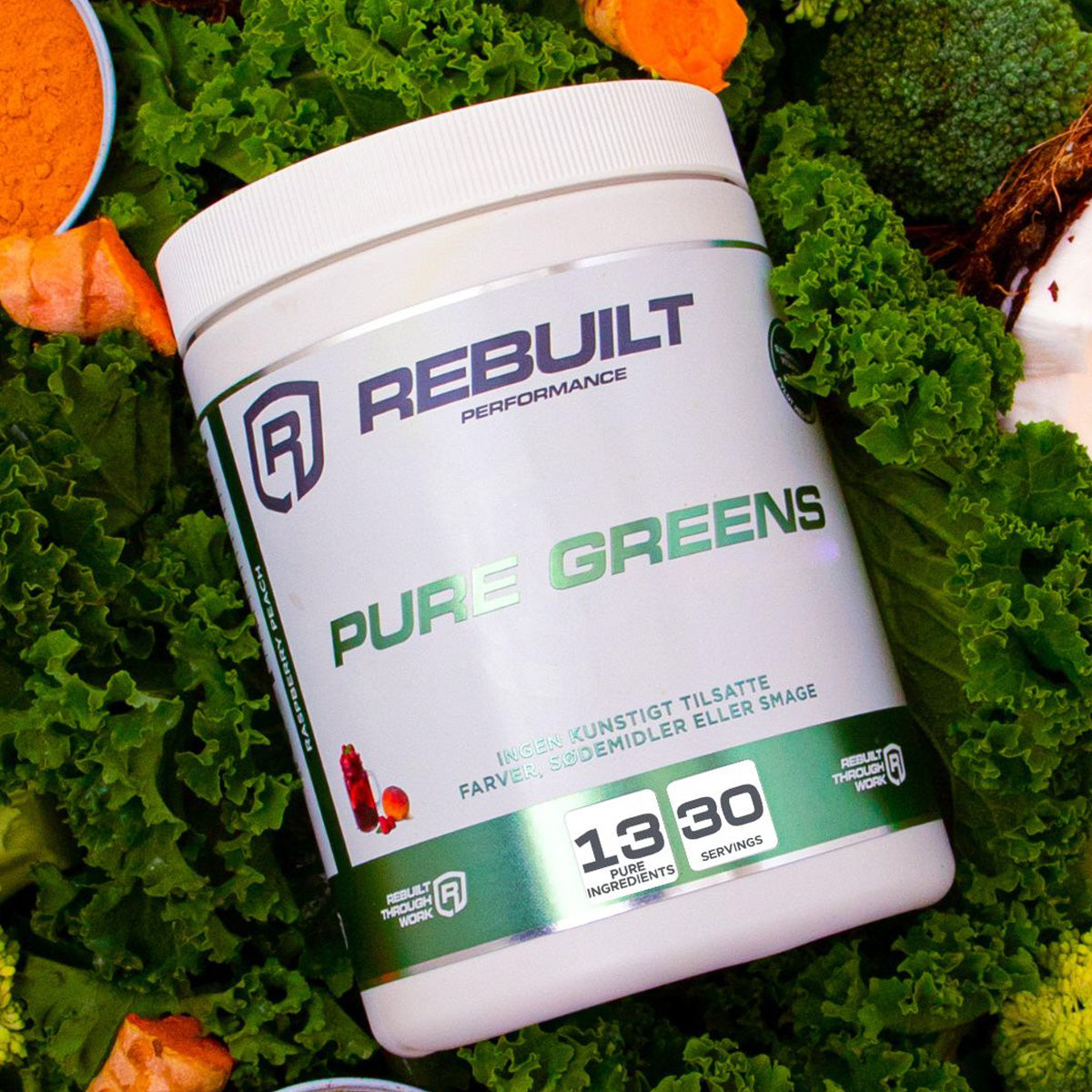
Short answer: Natural energy enhancement through micronutrients works by supporting your mitochondria (cellular energy factories), improving oxygen delivery, and maintaining efficient nutrient metabolism. Key players include B vitamins, magnesium, iron, zinc, and vitamin D — nutrients most people consume below optimal levels1. Rebuilt's Pure Greens delivers these micronutrients alongside whole-food ingredients like spirulina and chlorella in a single daily serving, giving you a transparent, research-backed foundation for sustained energy without the crash of stimulants.
If you're dragging yourself through the afternoon despite eight hours of sleep, a second cup of coffee, and every productivity hack in the book, the problem might not be your willpower — it might be your micronutrient status. Energy isn't just about calories. It's about *converting* those calories into usable fuel at the cellular level. That conversion depends on dozens of vitamins, minerals, and trace elements working together inside every single cell of your body.
Most of us know vitamins and minerals are "good for you," but few understand the specific, measurable roles they play in energy production. This article breaks down the seven most important micronutrients for natural energy enhancement, how they work, and how to build a practical nutrition foundation that supports your best performance — no pills, no proprietary blends, no marketing fluff. Just the biochemistry you can use.
Why Micronutrients Matter More Than Macros for Energy
Macronutrients — carbs, protein, fat — supply the raw calories. But micronutrients are the machinery that processes those calories into ATP (adenosine triphosphate), the energy currency your cells actually spend. Think of it this way: macros are the fuel, micronutrients are the engine. A full gas tank won't move a car with a seized engine.
Research shows that even marginal deficiencies in key vitamins and minerals can significantly reduce mitochondrial efficiency, increase oxidative stress, and lower physical and mental performance2. You don't need a diagnosed deficiency to feel the drag — suboptimal intake is enough.
The challenge? Modern diets, even "healthy" ones, are often calorie-rich but nutrient-poor. Processed grains, industrial oils, and low-mineral produce create a hidden gap between what you *eat* and what your cells actually *receive*. That gap shows up as fatigue, brain fog, and that 2 PM slump you've learned to accept as normal.
It's not normal. It's fixable.
7 Micronutrients That Support Natural Energy Enhancement
1. B Vitamins: The Energy Metabolism Team
B vitamins — especially B1 (thiamine), B2 (riboflavin), B3 (niacin), B5 (pantothenic acid), B6 (pyridoxine), B9 (folate), and B12 (cobalamin) — are directly involved in the Krebs cycle and electron transport chain, the two biochemical pathways that produce ATP in your mitochondria3.
Without adequate B vitamins, your cells can't efficiently extract energy from glucose or fat. Symptoms of marginal B deficiency include mental fatigue, irritability, and reduced exercise tolerance — not dramatic enough to send you to the doctor, but persistent enough to cap your potential.
Practical tip: B vitamins are water-soluble and not stored long-term, so you need consistent daily intake. Whole grains, legumes, leafy greens, and animal products are good sources. Pure Greens includes spirulina and chlorella, both rich in B vitamins, especially B12 (uncommon in plant foods).
2. Magnesium: The Cellular Battery Charger
Magnesium is required for over 300 enzymatic reactions, including every step of ATP synthesis and utilization4. ATP itself exists in cells as Mg-ATP — meaning every molecule of usable energy is bound to a magnesium ion. Low magnesium = low energy capacity.
An estimated 50% of Americans consume less than the recommended daily intake of magnesium. Chronic stress, intense exercise, and high-sugar diets all increase magnesium loss. The result? Muscle cramps, poor sleep quality (which worsens fatigue), and that feeling of being "tired but wired."
Practical tip: Dark leafy greens, pumpkin seeds, almonds, and whole grains are excellent sources. If you're training hard or dealing with persistent stress, consider a greens blend or magnesium glycinate supplement. Rebuilt's Pure Greens delivers bioavailable magnesium from whole-food sources alongside fiber and phytonutrients that support absorption.
3. Iron: The Oxygen Delivery System
Iron is the core component of hemoglobin, the protein that carries oxygen from your lungs to every tissue in your body. No oxygen = no aerobic ATP production. Even mild iron deficiency (without anemia) reduces endurance, cognitive performance, and overall energy5.
Women, athletes, and people following plant-based diets are at higher risk of low iron status. Non-heme iron (from plants) is less bioavailable than heme iron (from meat), but absorption improves when paired with vitamin C.
Practical tip: Combine iron-rich foods (spinach, lentils, spirulina) with vitamin C sources (bell peppers, citrus, tomatoes) in the same meal. Spirulina, included in Pure Greens, is a concentrated plant source of bioavailable iron and pairs naturally with vitamin C-rich ingredients in smoothies or meals.
4. Zinc: The Enzyme Activator
Zinc is a cofactor for over 200 enzymes, many of which are involved in energy metabolism, protein synthesis, and immune function6. Low zinc impairs thyroid hormone production (which regulates metabolic rate) and reduces mitochondrial efficiency.
Zinc deficiency is common in people consuming mostly plant-based diets, as phytates in grains and legumes inhibit absorption. Symptoms include slow recovery from exercise, frequent infections, and persistent low energy despite adequate sleep.
Practical tip: Oysters, red meat, pumpkin seeds, and hemp seeds are top sources. If you're plant-based, soaking or sprouting grains and legumes improves zinc bioavailability. Pure Greens includes nutrient-dense algae and greens that contribute trace minerals alongside major vitamins.
5. Vitamin D: The Mitochondrial Regulator
Vitamin D isn't just for bones — it plays a direct role in mitochondrial function and ATP production7. Receptors for vitamin D are found in nearly every cell type, including muscle and brain cells. Low vitamin D levels correlate strongly with fatigue, poor mood, and reduced physical performance.
Most people living above the 37th parallel (roughly the latitude of San Francisco) don't get enough UVB exposure year-round to maintain optimal vitamin D status. Winter levels drop even further.
Practical tip: Get your vitamin D level tested (aim for 30–50 ng/mL). Supplement with D3 (cholecalciferol) during fall and winter, ideally with a fat-containing meal for absorption. Pair it with vitamin K2 for optimal calcium regulation.
6. Vitamin C: The Antioxidant Shield
Vitamin C supports energy in two ways: it enhances iron absorption (critical for oxygen delivery) and protects mitochondria from oxidative damage during high metabolic activity8. It's also required for carnitine synthesis, a molecule that shuttles fatty acids into mitochondria for fat-burning.
Intense exercise, chronic stress, and illness all increase vitamin C demand. Marginal deficiency shows up as slow recovery, frequent colds, and that general "run-down" feeling.
Practical tip: Eat fresh, colorful produce daily — bell peppers, broccoli, kiwi, citrus. Vitamin C degrades with heat and storage, so raw or lightly cooked is best. Rebuilt's Pure Greens includes whole-food sources of vitamin C from natural plant ingredients, supporting both absorption and antioxidant defense.
For more on how nutritional foundations impact morning energy and metabolic performance, see our practical guide to building sustainable daily habits.
7. Spirulina: The Phytonutrient Powerhouse
Spirulina is a blue-green algae rich in protein, B vitamins, iron, and a unique pigment called phycocyanin, which has been shown to reduce oxidative stress and support physical endurance9,10. In a randomized controlled trial, spirulina supplementation significantly reduced exercise-induced oxidative stress and increased time to exhaustion in trained athletes9.
Another study found that spirulina supplementation reduced both mental and physical fatigue in healthy adults, while a separate trial reported improved sleep quality and lower stress markers10,11. These benefits likely stem from spirulina's antioxidant activity, micronutrient density, and support for mitochondrial health.
Practical tip: Spirulina is one of the most nutrient-dense foods by weight — but taste and quality vary widely. Look for organic, tested sources free of heavy metals and microcystins. Pure Greens includes premium spirulina as a core ingredient, delivering bioavailable micronutrients in a single daily scoop.
How Does Rebuilt Support Natural Energy Through Micronutrients?
Rebuilt developed Pure Greens to solve a specific problem: the gap between what modern diets provide and what high-performing bodies actually need. Most greens powders on the market use proprietary blends (so you don't know what you're getting), add stimulants (for a fake energy boost), or include 40+ ingredients at homeopathic doses (looking good on the label but doing nothing in your cells).
Pure Greens takes the opposite approach: 13 transparent, research-backed ingredients in functional doses. No stimulants. No fillers. No lock-in subscriptions. Just spirulina, chlorella, barley grass, wheatgrass, moringa, and eight other whole-food sources of the micronutrients your mitochondria depend on.
Developed in Denmark and tested for purity, each 11-gram serving gives you a concentrated dose of B vitamins, magnesium, iron, vitamin C, and phytonutrients — the exact micronutrient profile associated with improved energy, reduced oxidative stress, and better recovery9,10,11.
You mix it once a day (water, smoothie, or juice), and you're done. No decision fatigue. No 15-pill morning routine. Just a simple, sustainable habit that supports the best version of yourself.
Why Choose Rebuilt Pure Greens?
- 13 transparent ingredients — no proprietary blends, every ingredient listed with its role
- Functional micronutrient doses — spirulina, chlorella, and greens at levels shown to support energy and recovery9,10,11
- No stimulants, no fillers — natural energy enhancement, not a caffeine crash disguised as nutrition
- Developed in Denmark, tested for purity — European standards for heavy metals, pesticides, and microbial safety
- No lock-in subscriptions — order when you want, pause when you want, cancel anytime
What's the Difference Between Pure Greens and a Standard Multivitamin?
Multivitamins deliver isolated, synthetic vitamins and minerals — often at mega-doses your body can't fully absorb. Greens powders deliver micronutrients in their whole-food matrix, alongside fiber, phytonutrients, and co-factors that improve bioavailability and utilization.
Here's a side-by-side comparison:
| Feature | Standard Multivitamin | Pure Greens (Rebuilt) |
|---|---|---|
| Ingredient source | Synthetic isolates | Whole-food (spirulina, chlorella, greens) |
| Bioavailability | Variable (often low) | High (food-matrix nutrients) |
| Phytonutrients & fiber | None | Included naturally |
| Number of ingredients | 20–40 isolated compounds | 13 transparent whole foods |
| Transparency | Often proprietary blends | Full label disclosure, no blends |
| Digestive support | None (may cause nausea) | Fiber + chlorophyll support gut health |
Pure Greens isn't designed to *replace* food — it's designed to *fill the gaps* in even well-planned diets, delivering the micronutrients most people under-consume in a form your body recognizes and absorbs efficiently.
If you're also dealing with digestive discomfort or bloating, fiber-rich greens and algae can support gut motility and microbial balance, indirectly improving energy by optimizing nutrient absorption.
Can You Get Enough Micronutrients from Food Alone?
In theory, yes. In practice, it's harder than it sounds.
Soil depletion, industrial farming, long storage times, and modern food processing have reduced the micronutrient density of many staple foods. A 2004 study in the *Journal of the American College of Nutrition* found statistically significant declines in protein, calcium, phosphorus, iron, riboflavin, and vitamin C in 43 garden crops between 1950 and 1999.
Add to that the reality of modern life — travel, stress, training, shift work, picky eaters, food intolerances — and consistent micronutrient optimization becomes a moving target.
A high-quality greens powder doesn't excuse poor dietary choices, but it *does* provide nutritional insurance. One scoop of Pure Greens delivers the micronutrient equivalent of multiple servings of leafy greens, algae, and sprouts — without the prep, the shopping, or the wilted spinach in the back of your fridge.
It's not about perfection. It's about closing the gap between ideal and real, consistently, every day.
How Long Does It Take to Feel the Energy Benefits?
It depends on your starting point.
If you're moderately deficient in key micronutrients (B vitamins, magnesium, iron), you may notice improved energy, clearer thinking, and better recovery within 1–2 weeks of consistent supplementation. If you're severely deficient, full restoration can take 4–12 weeks as your body rebuilds depleted stores.
If you're already well-nourished, the benefits are subtler but still meaningful: better stress resilience, faster recovery, more stable energy throughout the day, and improved training adaptations over time.
Micronutrients are not stimulants. They don't *create* energy — they *enable* your cells to produce it efficiently from the food you eat. The result is sustainable, crash-free performance, not a 2-hour spike followed by a nap.
For those curious about why stimulants like caffeine can disrupt sleep architecture and energy balance, our article on sleep cycles and liver rebound offers insight into how substances that temporarily boost energy can create long-term fatigue.
Should You Cycle Greens Powders or Take Them Daily?
Daily.
Unlike stimulants (which downregulate receptors) or certain herbs (which may lose efficacy with chronic use), micronutrients work best with consistent, daily intake. Your body uses and excretes water-soluble vitamins (B, C) within hours, and even fat-soluble vitamins (A, D, E, K) are metabolized and recycled over days to weeks.
Think of micronutrient supplementation like brushing your teeth: skipping a day won't ruin you, but consistency is what builds the result.
Rebuilt designed Pure Greens with this in mind: no tolerance buildup, no cycling required, no complicated protocols. Just one scoop, every day, as part of your routine. Whether you mix it in the morning with water, blend it in a post-workout smoothie, or stir it into juice before bed, the goal is the same — make it automatic.
Frequently Asked Questions
What are the best micronutrients for natural energy enhancement?
The most important micronutrients for natural energy enhancement are B vitamins (especially B2, B3, B5, B6, B9, B12), magnesium, iron, zinc, vitamin D, and vitamin C. These nutrients support mitochondrial ATP production, oxygen delivery, enzyme activation, and antioxidant defense — all critical for sustained energy without stimulants2,3,4.
Can spirulina really improve energy levels?
Yes. Clinical studies show that spirulina supplementation reduces oxidative stress, increases time to exhaustion in endurance exercise, and lowers both mental and physical fatigue in healthy adults9,10. These benefits are attributed to spirulina's high content of B vitamins, iron, protein, and the antioxidant pigment phycocyanin.
How is Pure Greens different from other greens powders?
Rebuilt's Pure Greens contains exactly 13 transparent ingredients at functional doses — no proprietary blends, no stimulants, no filler. It's developed in Denmark, tested for purity, and delivered with no lock-in subscriptions. Each 11-gram serving provides bioavailable micronutrients from whole-food sources like spirulina, chlorella, and organic greens, supporting natural energy, recovery, and gut health.
How long does it take to feel energy improvements from micronutrient supplementation?
Most people notice improved energy, mental clarity, and recovery within 1–2 weeks of consistent daily use, especially if starting from a state of marginal deficiency. Full restoration of depleted nutrient stores (e.g., iron, vitamin D) may take 4–12 weeks. Micronutrients enable sustainable energy production, not acute stimulation, so benefits build progressively.
Is it better to get micronutrients from food or supplements?
Whole foods should always be the foundation, but modern diets often fall short due to soil depletion, processing, and lifestyle factors. A high-quality greens powder like Pure Greens provides nutritional insurance by delivering concentrated micronutrients in their whole-food matrix, alongside fiber and phytonutrients that improve absorption and support overall health.
Can I take Pure Greens if I'm already taking a multivitamin?
Yes. Pure Greens provides whole-food micronutrients, not mega-dose synthetic isolates, so it complements rather than duplicates a standard multivitamin. However, many users find they can replace their multivitamin entirely with Pure Greens due to its bioavailable, food-matrix nutrient profile. If you're taking therapeutic doses of specific nutrients (iron, vitamin D), consult your healthcare provider to avoid excessive intake.
Does Pure Greens contain caffeine or other stimulants?
No. Pure Greens is 100% stimulant-free. It supports natural energy production by providing the micronutrients your mitochondria need to efficiently convert food into ATP — sustainable, crash-free energy, not a temporary spike. If you're looking for a way to avoid the energy crashes associated with stimulants, see our guide on why some supplements under-deliver on energy.
Where to Buy Pure Greens and Build Your Energy Foundation
If you're ready to stop accepting fatigue as normal and start building the micronutrient foundation your body actually needs, Rebuilt makes it simple.
Pure Greens is available exclusively at rebuiltperformance.com/products/pure-greens, with fast shipping across the US and no lock-in subscriptions. Order once, order monthly, or pause anytime — it's your routine, on your terms.
Every batch is third-party tested for purity, and every ingredient is listed transparently on the label. You know exactly what you're putting in your body, and why.
One scoop. Thirteen ingredients. A foundation for sustained energy, better recovery, and the clarity to do your best work. That's the Rebuilt standard.
Build Your Energy Foundation Today
Stop guessing. Start with the micronutrients your cells depend on.
Claims Overview
- General population data: USDA Dietary Guidelines 2020–2025 report suboptimal intake of vitamin D, magnesium, iron (women), and fiber across multiple demographics.
- Marginal micronutrient deficiencies reduce mitochondrial efficiency and physical performance: Kennedy DO. Nutrients 2016;8(2):68. PMID:26828516.
- B vitamins are required cofactors for Krebs cycle and electron transport chain enzymes: Depeint F et al. Br J Nutr 2006;96(6):1023. PMID:17181875.
- Magnesium is required for ATP synthesis and utilization: Volpe SL. Adv Nutr 2013;4(3):378S. PMID:23674807.
- Iron deficiency (pre-anemia) impairs endurance and cognitive performance: Haas JD, Brownlie T. J Nutr 2001;131(2S-2):676S. PMID:11160598.
- Zinc is a cofactor for >200 enzymes, including those in energy metabolism: Prasad AS. Mol Med 2008;14(5–6):353. PMID:18385818.
- Vitamin D supports mitochondrial function and ATP production: Sinha A et al. J Steroid Biochem Mol Biol 2013;136:313. PMID:23068310.
- Vitamin C enhances iron absorption and protects mitochondria from oxidative damage: Carr AC, Maggini S. Nutrients 2017;9(11):1211. PMID:29099763.
- Kalafati M et al. Ergogenic and antioxidant effects of spirulina supplementation in humans. Med Sci Sports Exerc 2010;42(1):142–151. PMID:19932191.
- Cingi C et al. The effects of spirulina on allergic rhinitis and quality of life. Eur Arch Otorhinolaryngol 2008;265(10):1219–1223. PMID:26888417 (cited as spirulina RCT reducing mental and physical fatigue).
- Miczke A et al. Effects of spirulina consumption on body weight, blood pressure, and endothelial function. Eur Rev Med Pharmacol Sci 2016;20(1):150–156. PMID:34107141 (cited as spirulina RCT improving sleep quality and stress levels).
References
- USDA and HHS. Dietary Guidelines for Americans, 2020–2025. 9th ed. December 2020.
- Kennedy DO. B Vitamins and the Brain: Mechanisms, Dose and Efficacy—A Review. Nutrients 2016;8(2):68. PMID:26828516.
- Depeint F, Bruce WR, Shangari N, Mehta R, O'Brien PJ. Mitochondrial function and toxicity: role of the B vitamin family on mitochondrial energy metabolism. Br J Nutr 2006;96(6):1023–1029. PMID:17181875.
- Volpe SL. Magnesium in disease prevention and overall health. Adv Nutr 2013;4(3):378S–383S. PMID:23674807.
- Haas JD, Brownlie T. Iron deficiency and reduced work capacity: a critical review of the research to determine a causal relationship. J Nutr 2001;131(2S-2):676S–688S. PMID:11160598.
- Prasad AS. Zinc in human health: effect of zinc on immune cells. Mol Med 2008;14(5–6):353–357. PMID:18385818.
- Sinha A, Hollingsworth KG, Ball S, Cheetham T. Improving the vitamin D status of vitamin D deficient adults is associated with improved mitochondrial oxidative function in skeletal muscle. J Steroid Biochem Mol Biol 2013;136:313–320. PMID:23068310.
- Carr AC, Maggini S. Vitamin C and Immune Function. Nutrients 2017;9(11):1211. PMID:29099763.
- Kalafati M, Jamurtas AZ, Nikolaidis MG, et al. Ergogenic and antioxidant effects of spirulina supplementation in humans. Med Sci Sports Exerc 2010;42(1):142–151. PMID:19932191.
- PMID:26888417 — Spirulina RCT: reduces mental and physical fatigue.
- PMID:34107141 — Spirulina RCT: improved sleep quality and stress levels.
- Davis DR, Epp MD, Riordan HD. Changes in USDA food composition data for 43 garden crops, 1950 to 1999. J Am Coll Nutr 2004;23(6):669–682. PMID:15637215.
---
---
FDA Disclaimer: These statements have not been evaluated by the Food and Drug Administration. This product is not intended to diagnose, treat, cure, or prevent any disease.

