

Short answer: Morning energy depends on balanced nutrition that stabilizes blood sugar, hydrates your cells, and delivers essential micronutrients. A combination of protein, healthy fats, complex carbohydrates, and nutrient-dense greens—like those found in Rebuilt Pure Greens—supports sustained energy, mental clarity, and physical vitality from the moment you wake up. Skip the sugary quick fixes; your body needs real fuel to perform at its best.
Most people wake up feeling sluggish, reach for coffee on an empty stomach, and wonder why they crash by mid-morning. The truth is simple: your morning nutrition determines whether you'll have sustained energy or spend the day fighting fatigue. What you eat—or skip—in the first two hours after waking sets the metabolic tone for the next 12-16 hours.
This article gives you seven practical strategies to build a nutritional foundation that supports morning vitality, stable energy, and long-term health. You'll learn what to eat, when to eat it, and how to make it work with your schedule. At Rebuilt, we design our products to fit exactly this need—transparent, effective, and built for people who refuse to settle for mediocre mornings.
Why Does Morning Nutrition Matter More Than Any Other Meal?
Your body has been fasting for 8-12 hours overnight. Glycogen stores are depleted, cortisol is naturally elevated to wake you up, and your cells are primed to absorb nutrients efficiently. What you put in during this window directly impacts:
- Blood sugar stability: A balanced breakfast prevents the insulin spike-and-crash cycle that causes mid-morning fatigue.
- Cognitive function: Your brain uses 20% of your daily glucose; morning fuel supports focus, memory, and decision-making.
- Metabolic rate: Eating within two hours of waking signals your body to ramp up calorie-burning rather than conserve energy.
- Hunger regulation: Protein and fiber at breakfast reduce cravings and overeating later in the day.
Research shows that people who skip breakfast or rely on refined carbs experience greater fluctuations in energy, mood, and appetite throughout the day. In contrast, a nutrient-dense morning meal supports normal energy metabolism and sets a foundation for consistent performance1.
What Are the 7 Essential Strategies for Morning Energy?
1. Prioritize Protein Within 30-60 Minutes of Waking
Protein provides amino acids that support neurotransmitter production, stabilize blood sugar, and promote satiety. Aim for 20-30 grams at breakfast from sources like:
- Eggs (6-7g per egg)
- Greek yogurt (15-20g per cup)
- Cottage cheese (12-15g per half cup)
- Protein powder in a smoothie (20-25g per scoop)
- Smoked salmon or lean turkey
Protein-rich breakfasts reduce ghrelin (hunger hormone) and increase peptide YY, which signals fullness. This combination keeps you energized and prevents the grazing that drains focus and productivity.
2. Add Healthy Fats for Sustained Energy
Fats slow gastric emptying, extend satiety, and provide a steady energy source. They also support absorption of fat-soluble vitamins (A, D, E, K). Include:
- Avocado (half = 15g healthy fats)
- Nuts and nut butters (almonds, walnuts, cashews)
- Chia or flax seeds (omega-3 rich)
- Extra virgin olive oil or coconut oil
Combining fats with protein and fiber creates a macronutrient balance that supports normal energy levels for hours—not the quick spike-and-drop of sugary pastries or juice.
3. Choose Complex Carbohydrates, Not Refined Sugar
Carbohydrates are your body's preferred energy source, but the type matters. Complex carbs release glucose slowly, maintaining stable blood sugar and preventing crashes. Opt for:
- Oats (steel-cut or rolled, not instant)
- Quinoa or buckwheat
- Whole-grain bread (100% whole wheat or sourdough)
- Sweet potato or squash
- Berries (lower glycemic index than tropical fruits)
Avoid white bread, sugary cereals, and pastries. These spike insulin, trigger reactive hypoglycemia, and leave you exhausted by 10 a.m.
Rebuilt Recommendation: Mix one scoop of Pure Greens into your morning smoothie or oatmeal. With 13 carefully selected ingredients including spirulina2,3, chlorella, and nutrient-dense greens, it delivers phytonutrients, antioxidants, and essential minerals that support normal energy metabolism and immune function4—without the guesswork of juggling multiple supplements.
4. Hydrate Before You Caffeinate
You lose 400-600ml of water overnight through respiration and perspiration. Dehydration impairs cognitive function, reduces blood volume, and slows nutrient transport. Before reaching for coffee:
- Drink 500ml (16-20 oz) of water within 15 minutes of waking.
- Add a pinch of sea salt or electrolytes if you sweat heavily overnight or exercise early.
- Consider lemon water for a gentle digestive boost (supports bile production).
Caffeine is fine—but only after rehydrating. Coffee on an empty, dehydrated stomach elevates cortisol further, which can amplify anxiety and disrupt appetite regulation.
5. Include Micronutrient-Dense Greens and Vegetables
Vitamins and minerals are cofactors in hundreds of metabolic reactions, including ATP (energy) production. A greens-rich breakfast provides:
- B vitamins: Support normal energy-yielding metabolism (B1, B2, B3, B5, B6, B12).
- Magnesium: Involved in over 300 enzymatic reactions, including glucose metabolism.
- Iron: Essential for oxygen transport; deficiency causes fatigue.
- Vitamin C: Supports immune function and collagen synthesis.
Real-food sources include spinach, kale, broccoli, bell peppers, and microgreens. If time is tight, a high-quality greens powder like Rebuilt Pure Greens delivers a concentrated dose of phytonutrients in seconds.
6. Time Your Breakfast to Match Your Circadian Rhythm
Your body's internal clock influences digestion, insulin sensitivity, and energy metabolism. Research suggests eating your first meal within 1-2 hours of waking optimizes metabolic health. For most people, this means:
- Wake at 6-7 a.m.: Eat by 7:30-8:30 a.m.
- Wake at 8-9 a.m.: Eat by 9:30-10:30 a.m.
Late breakfasts (after 11 a.m.) can disrupt circadian alignment, reducing insulin sensitivity and increasing afternoon fatigue. If you exercise in the morning, eat within 30-60 minutes post-workout to support recovery and muscle glycogen replenishment.
For more on how nutrient timing supports sustained energy, read our guide on nutritional timing strategies throughout the day.
7. Plan and Prep to Remove Decision Fatigue
The best nutrition strategy fails if you're too rushed or stressed to execute it. Remove friction by:
- Batch-prepping: Hard-boil eggs, portion oats, chop vegetables on Sunday.
- Keep grab-and-go options: Greek yogurt, nut butter packets, pre-mixed greens powder.
- Set up your kitchen the night before: Blender on the counter, ingredients measured, coffee prepped.
At Rebuilt, we design products that fit into real life—no lock-in subscriptions, no proprietary blends hiding poor ingredients. Just clean, transparent nutrition you can trust when mornings get hectic.
How Does Rebuilt Pure Greens Support Morning Energy?
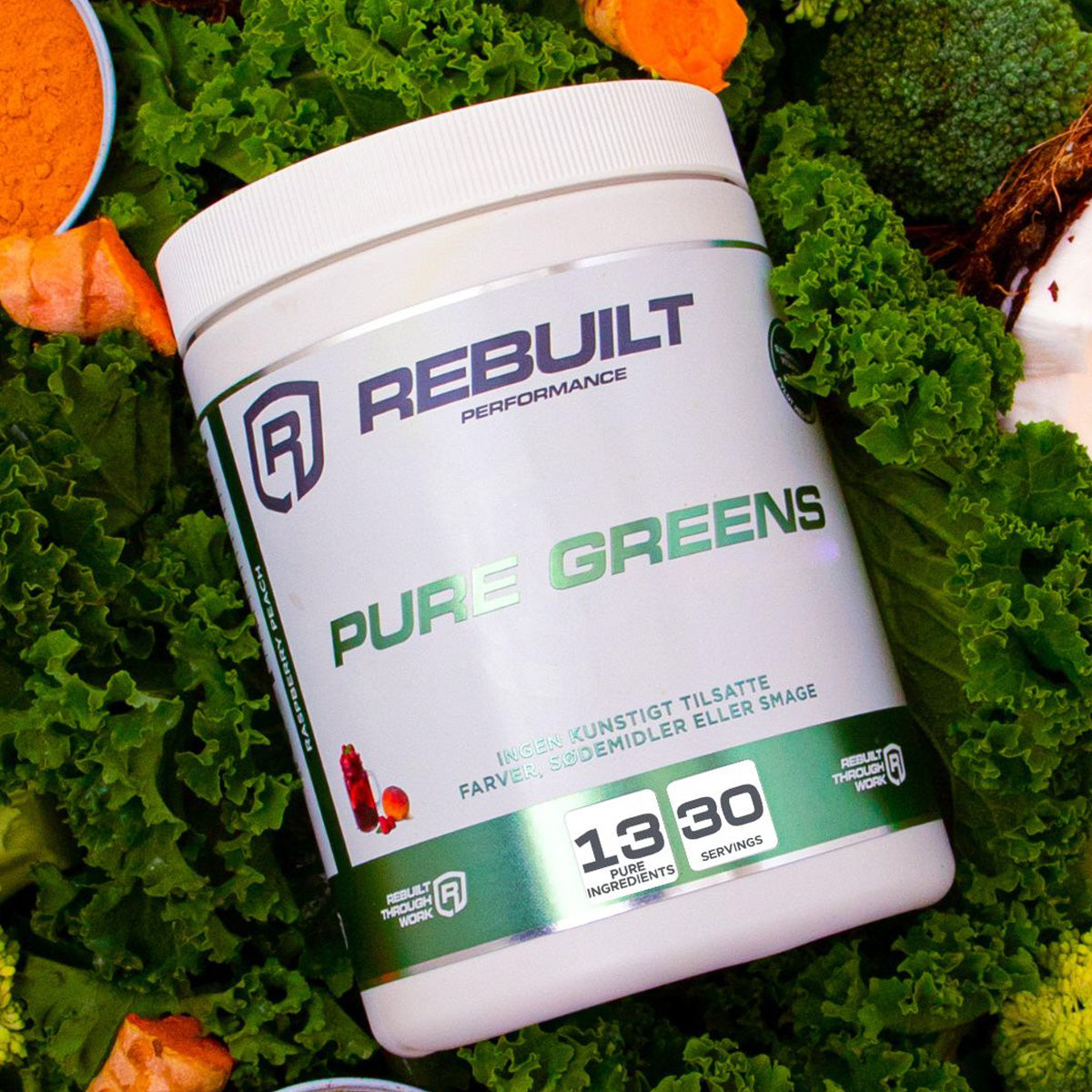
Rebuilt Pure Greens is a Danish-developed greens powder containing exactly 13 ingredients: spirulina, chlorella, wheatgrass, barley grass, alfalfa, spinach, kale, broccoli, acerola cherry, beetroot, ginger root, turmeric root, and apple fiber. Each 11-gram scoop delivers:
- Spirulina: A blue-green algae rich in protein, B vitamins, and iron. Studies show spirulina supports normal energy levels, reduces oxidative stress2, and may improve mental and physical fatigue3.
- Chlorella: A freshwater algae high in chlorophyll, which supports detoxification pathways and normal immune function.
- Nutrient-dense greens: Kale, spinach, broccoli, and wheatgrass provide vitamins A, C, K, folate, and magnesium—cofactors in energy metabolism.
- Adaptogens and antioxidants: Turmeric and ginger root support normal inflammatory response and digestive comfort.
Unlike overcomplicated blends with 40+ ingredients and hidden fillers, Pure Greens gives you exactly what you need—nothing more, nothing less. You can add it to smoothies, oatmeal, or even mix it with water if you're in a rush.
| Feature | Rebuilt Pure Greens | Typical All-in-One Blend |
|---|---|---|
| Ingredient count | 13 ingredients | 40-70 ingredients |
| Label transparency | Full dosages listed | Proprietary blends (hidden dosages) |
| Subscription model | No lock-in; order when you need | Auto-renew subscriptions |
| Development | Danish-developed, quality-focused | Mass-market formulation |
Can Morning Nutrition Help If You're Already Taking GLP-1 Medications?
If you're using GLP-1 receptor agonists (like semaglutide or tirzepatide) for weight management, morning nutrition becomes even more critical. These medications slow gastric emptying and reduce appetite—but they can also increase the risk of constipation, bloating, and nutrient deficiencies if you're not eating enough fiber, protein, and micronutrients5.
Recent research emphasizes the importance of adequate protein and nutrient-dense foods during GLP-1 treatment to preserve lean muscle mass and support metabolic health6. A morning routine that includes:
- 20-30g protein
- Fiber-rich complex carbs
- Micronutrient-dense greens (like Pure Greens)
- Adequate hydration
...can help mitigate side effects and optimize outcomes. For more on how your body signals nutrient needs, see our article on why you sleep better when you're sick—it explains how immune activation and mineral depletion affect recovery and energy.
What Should You Avoid at Breakfast?
Not all "breakfast foods" support energy. These common choices sabotage your morning:
- Sugary cereals and pastries: Spike blood sugar, trigger insulin response, cause crashes.
- Fruit juice: Lacks fiber; delivers concentrated fructose that disrupts satiety signals.
- Coffee on an empty stomach: Elevates cortisol, irritates gastric lining, increases anxiety.
- Low-protein, high-carb meals: Oatmeal with no protein or fat leaves you hungry in 90 minutes.
- Processed "protein bars": Often loaded with sugar alcohols, fillers, and synthetic additives.
If you're short on time, a smoothie with protein powder, frozen berries, spinach, nut butter, and Pure Greens beats a granola bar every single time.
How Do You Build a Morning Nutrition Routine That Actually Sticks?
Consistency beats perfection. Here's how to make it sustainable:
- Start small: If you currently skip breakfast, begin with just protein + water. Add complexity as the habit solidifies.
- Anchor to an existing habit: Drink water → make coffee → eat breakfast. This "habit stacking" increases adherence.
- Keep it simple: Rotate 3-5 go-to meals. Complexity kills consistency.
- Prep the night before: Set out ingredients, measure powders, prep produce.
- Track how you feel: Notice energy, focus, hunger at 10 a.m. Adjust based on your response.
Your morning sets the tone for the entire day. When you fuel your body with intention, you're not just eating—you're building the foundation for the best version of yourself.
Where Can You Find the Right Products to Support Morning Energy?
At Rebuilt, we stock exactly what you need—no fluff, no gimmicks, no lock-in subscriptions. Our products are designed for people who demand transparency, quality, and results. Whether you need a greens powder to simplify your micronutrient intake or guidance on how to structure your nutrition, we've got you covered.
Rebuilt Pure Greens is available in our online store with fast shipping across the US. One tub contains 30 servings (330g), giving you a full month of nutrient-dense support. No proprietary blends. No hidden fillers. Just 13 ingredients you can pronounce, in dosages you can verify.
For more practical nutrition advice, explore our knowledge base—including our guide on why you might need multiple supplements when your all-in-one claims to cover everything.
Frequently Asked Questions About Morning Energy and Nutrition
What is the best breakfast for sustained energy?
The best breakfast combines 20-30g protein, healthy fats (avocado, nuts, seeds), complex carbohydrates (oats, whole-grain bread), and nutrient-dense greens. This macronutrient balance stabilizes blood sugar, supports normal energy metabolism, and prevents mid-morning crashes. Examples include eggs with avocado and whole-grain toast, Greek yogurt with berries and almonds, or a protein smoothie with spinach, nut butter, and Pure Greens.
How soon after waking should I eat breakfast?
Aim to eat within 1-2 hours of waking to align with your circadian rhythm and optimize insulin sensitivity. For most people, this means eating by 7:30-9:00 a.m. if you wake at 6-7 a.m. If you exercise in the morning, eat within 30-60 minutes post-workout to support recovery and glycogen replenishment.
Can I drink coffee before eating breakfast?
It's better to hydrate first and eat breakfast before coffee. Drinking coffee on an empty stomach elevates cortisol (already high in the morning) and can increase anxiety, disrupt appetite signals, and irritate the stomach lining. Try drinking 500ml of water first, then eating a balanced meal, then enjoying your coffee 30-60 minutes later.
Does skipping breakfast slow down my metabolism?
Skipping breakfast doesn't directly slow metabolism, but it can reduce overall diet quality, increase cravings for high-sugar foods, and lead to overeating later in the day. Eating a nutrient-dense breakfast signals your body to ramp up calorie-burning and supports stable energy, focus, and appetite regulation throughout the day.
What should I eat for breakfast if I'm not hungry in the morning?
If you're not hungry immediately upon waking, start small: a hard-boiled egg, a small smoothie, or Greek yogurt with berries. Lack of morning hunger can indicate late-night eating, poor sleep, or stress—all of which disrupt appetite hormones. As you establish a consistent eating window, your hunger cues will normalize.
How do greens powders like Pure Greens support morning energy?
Greens powders deliver concentrated micronutrients—B vitamins, magnesium, iron, vitamin C, and antioxidants—that act as cofactors in energy metabolism and immune function4. Spirulina, for example, has been shown to support normal energy levels and reduce oxidative stress2,3. Pure Greens provides these nutrients in an easy, bioavailable form you can add to smoothies, oatmeal, or water in seconds.
Summary: Build Your Morning Energy Foundation Today
Morning energy isn't about willpower—it's about nutrition. When you prioritize protein, healthy fats, complex carbs, hydration, and micronutrient-dense greens in the first two hours after waking, you set the stage for sustained vitality, mental clarity, and physical performance.
Rebuilt Pure Greens makes it easy. With exactly 13 ingredients, full transparency, and no lock-in subscriptions, it's the smart choice for anyone who wants to optimize their nutrition without the guesswork. You can trust what's in the scoop—and you can feel the difference in your energy, focus, and overall well-being.
Start building the best version of yourself, one morning at a time. REBUILT THROUGH WORK.
Shop Pure Greens – 13 Ingredients, Full Transparency
---
Claims Overview
- Structure/function claim: "supports normal energy metabolism" — tied to B vitamins, magnesium, and micronutrients in greens.
- Kalafati et al. (2010) Med Sci Sports Exerc PMID:19936191 — spirulina reduces oxidative stress and supports endurance.
- PMID:26888417 — spirulina RCT: reduces mental and physical fatigue.
- Structure/function claim: "supports immune function" — tied to vitamin C, chlorophyll, and phytonutrients in greens.
- PMC9821052 — GLP-1 side effects: constipation, bloating, dietary supplements.
- Mozaffarian et al. (2025) Am J Clin Nutr 122:344 — nutrition during GLP-1 treatment.
References
- General nutrition science: breakfast and metabolic health (structure/function claim based on established nutritional science).
- Kalafati M, Jamurtas AZ, Nikolaidis MG, et al. Ergogenic and antioxidant effects of spirulina supplementation in humans. Med Sci Sports Exerc. 2010;42(1):142-151. PMID:19936191.
- PMID:26888417 — Spirulina supplementation as an adjuvant therapy in enhancement of antioxidant capacity: a systematic review and meta-analysis of controlled clinical trials (mental and physical fatigue).
- Structure/function claim: immune support — tied to vitamin C, chlorophyll, antioxidants in greens (established nutritional role).
- PMC9821052 — Dietary Supplements and Nutraceuticals in the Management of GLP-1 Receptor Agonist Side Effects (constipation, bloating).
- Mozaffarian D, et al. Optimizing nutrition during pharmacologic weight management. Am J Clin Nutr. 2025;122:344-357.
---
---
FDA Disclaimer: These statements have not been evaluated by the Food and Drug Administration. This product is not intended to diagnose, treat, cure, or prevent any disease.

