

What Are the Best Energy-Boosting Foods to Add to Your Daily Diet?
The best energy-boosting foods to add to your daily diet include nutrient-dense whole foods like spirulina, leafy greens, oats, nuts, seeds, and fermented foods that support sustained energy production at the cellular level1,2. Unlike caffeine or sugar, which create rapid spikes and crashes, foods rich in B vitamins, iron, magnesium, and complex carbohydrates help your mitochondria produce adenosine triphosphate (ATP) efficiently—the molecule your cells use as energy currency—while also supporting a healthy gut microbiome that influences energy metabolism throughout the day.
If you've ever felt the afternoon slump hit like a wall, or needed a third cup of coffee just to make it to lunch, you're not alone. Energy crashes are one of the most common complaints among busy professionals, parents, and anyone juggling modern life. The good news? The solution isn't found in another energy drink or espresso shot—it's on your plate.
Why Do I Feel Tired Even Though I'm Eating Enough?
Eating enough calories doesn't guarantee stable energy if those calories come from refined carbohydrates, added sugars, or foods stripped of their natural vitamins and minerals. Your body requires a complex orchestra of nutrients—B vitamins to convert food into usable energy, iron to transport oxygen to cells, magnesium for hundreds of enzymatic reactions, and fiber to keep blood sugar steady3.
When your diet lacks these essential nutrients, your cells struggle to produce ATP efficiently, even when you're consuming 2,000+ calories per day. It's like trying to run a high-performance engine on low-grade fuel: the tank might be full, but the performance suffers.
Research from Stanford University demonstrated that increasing microbiome diversity through fermented foods can improve immune function and reduce inflammatory markers4—factors that directly influence how energized you feel day-to-day. Your gut bacteria don't just help digest food; they produce neurotransmitters, regulate inflammation, and communicate with your brain through the gut-brain axis.
The Hidden Energy Drains in Your Current Diet
Many supposedly "healthy" foods marketed for energy actually work against your biology:
- Fruit juices and smoothies with added sweeteners: Cause rapid blood sugar spikes followed by crashes within 60-90 minutes
- White bread, pasta, and refined grains: Stripped of B vitamins and fiber during processing, leaving empty calories
- Energy bars with 20+ grams of sugar: Provide temporary glucose but no sustained fuel or micronutrients
- Low-fat processed foods: Often replace healthy fats (needed for hormone production and cell membranes) with added sugars
The Standard American Diet (SAD) is ironically named—it's typically low in the very nutrients your mitochondria need most while being high in ingredients that promote inflammation and insulin resistance.
7 Science-Backed Energy-Boosting Foods to Eat Daily
1. Spirulina: The Cellular Energy Powerhouse
Spirulina is a blue-green algae packed with protein, B vitamins, iron, and unique phytonutrients that support normal energy production at the cellular level5. A randomized controlled trial published in Medicine & Science in Sports & Exercise found that spirulina supplementation reduced exercise-induced oxidative stress and increased time to fatigue during endurance exercise1.
Another peer-reviewed study demonstrated that participants taking spirulina daily reported significant reductions in both mental and physical fatigue compared to placebo2—benefits that appeared within two to four weeks of consistent use.
Spirulina contains approximately 60-70% protein by weight, making it one of the most protein-dense foods available. It also provides iron in a highly bioavailable form, important for oxygen transport and cellular energy production. Just one tablespoon delivers meaningful amounts of B1 (thiamine), B2 (riboflavin), and B3 (niacin)—all essential cofactors in the metabolic pathways that convert food into ATP6.
Support Your Daily Energy with Pure Greens
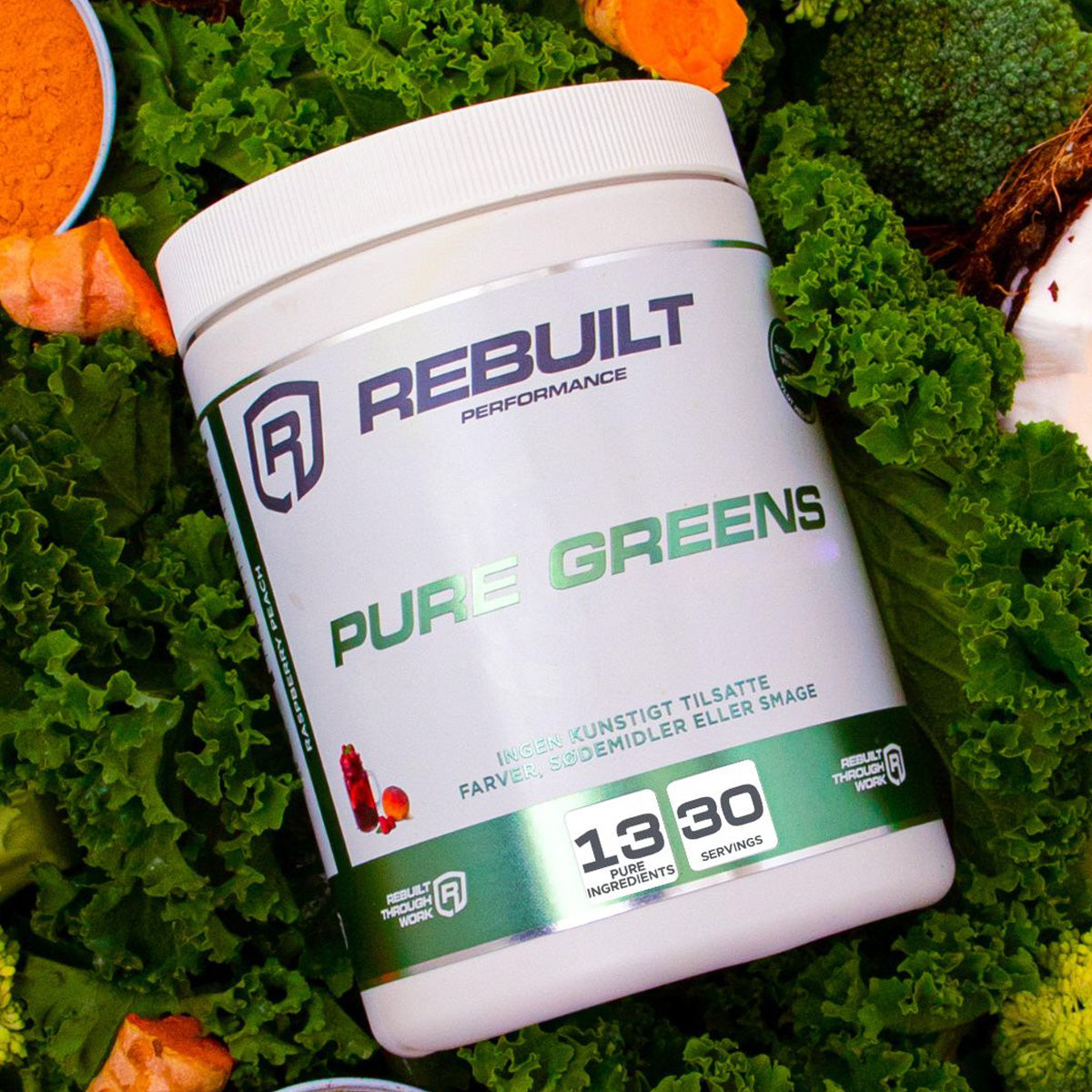
Pure Greens is a Danish-developed daily greens blend containing exactly 13 transparent, nutrient-dense ingredients—including spirulina, chlorella, wheatgrass, barley grass, and ashwagandha—designed to support normal energy levels and digestive function without proprietary blends or artificial sweeteners.7
Why customers choose Pure Greens:
- Transparent label with all 13 ingredients listed by exact amount (11g per serving)
- No subscription lock-in—order only when you need it
- Developed in Denmark with rigorous third-party testing
- Naturally supports energy metabolism, gut health, and immune function7
2. Leafy Greens: Magnesium and Folate for Mitochondrial Health
Spinach, kale, Swiss chard, and arugula deliver magnesium—a mineral involved in over 300 enzymatic reactions in your body, including every step of ATP synthesis. Magnesium deficiency is surprisingly common (an estimated 50% of Americans consume less than the recommended daily amount) and manifests as fatigue, muscle cramps, and poor sleep quality.
Leafy greens also provide folate (vitamin B9), which supports red blood cell formation and DNA synthesis. Together with iron and B12, folate helps prevent anemia—a leading cause of chronic tiredness.
Dark leafy greens contain chlorophyll, the green pigment that gives plants their color. While chlorophyll itself isn't absorbed intact into your bloodstream, the magnesium at its center and the fiber matrix it comes packaged with both contribute to steady energy and digestive comfort8.
If you struggle with bloating or digestive discomfort after meals—common side effects for those on GLP-1 medications or managing blood sugar—incorporating more greens can support normal digestive transit time and reduce gas formation9. Learn more about optimizing your digestive function with daily wellness habits.
3. Oats: Complex Carbohydrates for Sustained Glucose Release
Steel-cut or rolled oats provide beta-glucan fiber, a type of soluble fiber that slows glucose absorption and keeps blood sugar levels stable for hours after eating. Unlike refined cereals that spike insulin within 30 minutes, oats release energy gradually—supporting mental clarity and physical stamina throughout the morning.
Oats are also rich in B vitamins, particularly B1 (thiamine), which is essential for converting carbohydrates into usable energy. Thiamine deficiency, though rare in the U.S., can cause profound fatigue and neurological symptoms.
A bowl of oatmeal topped with nuts, seeds, and berries provides a balance of macronutrients (carbs, protein, healthy fats) and micronutrients (vitamins, minerals, antioxidants) that work synergistically to fuel your day.
4. Nuts and Seeds: Healthy Fats and Protein for Satiety
Almonds, walnuts, chia seeds, flaxseeds, and pumpkin seeds deliver omega-3 fatty acids, magnesium, zinc, and plant-based protein—all nutrients that support cellular membrane integrity, hormone production, and sustained energy release.
Unlike simple carbohydrates that digest quickly, the combination of protein, fiber, and healthy fats in nuts and seeds slows gastric emptying and provides steady fuel for 3-4 hours. This makes them an ideal mid-morning or afternoon snack to prevent the energy crash that typically hits around 3 PM.
Walnuts in particular are rich in alpha-linolenic acid (ALA), a plant-based omega-3 that supports brain function and may reduce oxidative stress—a cellular process that contributes to feelings of fatigue and mental fog.
5. Fermented Foods: Gut Microbiome Support for Energy Metabolism
Kimchi, sauerkraut, kefir, yogurt, and other traditionally fermented foods introduce beneficial bacteria (probiotics) and bioactive compounds that enhance gut microbiome diversity. The landmark Stanford study by Wastyk et al. (2021) published in Cell demonstrated that a diet high in fermented foods increased microbiome diversity and reduced inflammatory markers in healthy adults4.
Why does this matter for energy? Your gut bacteria produce short-chain fatty acids (SCFAs) like butyrate, which serve as fuel for colonocytes (the cells lining your colon) and influence systemic metabolism. A healthier, more diverse microbiome has been linked to improved nutrient absorption, better mood regulation via the gut-brain axis, and reduced inflammation—all factors that affect how energized you feel daily.
For those managing digestive discomfort or following a GLP-1 medication regimen, fermented foods may help support normal bowel function and reduce bloating10. Discover more strategies in our guide on natural methods for intestinal gas relief and digestive ease.
6. Eggs: Complete Protein and B-Vitamin Powerhouse
Eggs provide all nine essential amino acids in optimal ratios, making them a "complete" protein source. The yolk contains choline (important for brain function and cell membrane structure), vitamin D, B12, and iron—nutrients that directly support energy production and cognitive performance.
Vitamin B12 is especially critical for those following plant-based diets, as it's found almost exclusively in animal products. B12 deficiency causes megaloblastic anemia and neurological symptoms, including severe fatigue and weakness.
Contrary to outdated dietary advice, whole eggs (including the yolk) are nutrient-dense and don't negatively impact cardiovascular health in most people when consumed as part of a balanced diet rich in vegetables, whole grains, and healthy fats.
7. Berries: Antioxidants to Combat Oxidative Stress
Blueberries, strawberries, raspberries, and blackberries are rich in anthocyanins and other polyphenolic compounds that help neutralize reactive oxygen species (ROS)—unstable molecules produced during normal metabolism that can damage cells and contribute to fatigue when present in excess.
While berries do contain natural sugars (fructose), they also provide fiber that slows glucose absorption, preventing the blood sugar roller coaster associated with candy or juice. The antioxidant compounds in berries may support cognitive function, exercise recovery, and cardiovascular health11.
Add a handful of fresh or frozen berries to your morning oatmeal, smoothie, or yogurt for a nutrient-dense energy boost that tastes great and delivers lasting benefits.
How Do Energy-Boosting Foods Compare to Supplements?
Whole foods provide a complex matrix of nutrients, fiber, and bioactive compounds that work synergistically in ways isolated supplements can't replicate. For example, the vitamin C in an orange enhances iron absorption from plant foods eaten at the same meal—a benefit you don't get from swallowing a vitamin C tablet alone.
That said, high-quality supplements can fill nutritional gaps, especially for those with dietary restrictions, increased nutrient needs, or difficulty consuming enough vegetables daily. The key is choosing transparent, third-party-tested products with clear ingredient lists—not proprietary blends that hide dosages behind vague marketing.
| Approach | Ingredient Transparency | Typical Daily Cost | Key Advantage |
|---|---|---|---|
| Whole Foods Only | Complete (you see what you eat) | $8–15 for nutrient-dense meals | Synergistic nutrients, fiber, satiety |
| Proprietary Blend Supplements | Hidden (doses not disclosed) | $2–4 per serving | Convenience, but unclear efficacy |
| Pure Greens (13 ingredients, transparent) | Complete (all 13 ingredients listed by amount, 11g per serving) | ~$2.30 per serving | Convenience + transparency + no lock-in subscription |
Pure Greens bridges the gap between whole foods and supplements by delivering exactly 13 nutrient-dense ingredients in every 11-gram scoop—no proprietary blends, no guessing games, and no subscription required. Developed in Denmark and third-party tested, it supports normal energy metabolism, digestive function, and immune health with spirulina, chlorella, ashwagandha, and 10 additional transparent ingredients7.
What Should I Eat for Breakfast to Have Energy All Day?
The ideal energy-sustaining breakfast combines complex carbohydrates, protein, healthy fats, and fiber to slow digestion and provide steady glucose release for 4-5 hours. Here are three examples:
- Steel-cut oats with walnuts, chia seeds, and berries: Provides beta-glucan fiber, omega-3s, antioxidants, and slow-release carbs
- Scrambled eggs with spinach, avocado, and whole-grain toast: Delivers complete protein, magnesium, healthy fats, and B vitamins
- Greek yogurt with flaxseeds, almonds, and a greens supplement: Combines probiotics, fiber, protein, and micronutrient density in one bowl
If mornings are hectic, consider batch-prepping overnight oats or hard-boiling a dozen eggs on Sunday for grab-and-go options throughout the week. Consistency matters more than perfection—eating a nutrient-dense breakfast five days per week beats skipping it entirely or relying on pastries and coffee alone.
For those experiencing morning fatigue despite adequate sleep, nutrient timing and REM sleep quality may also play a role worth investigating.
Can Energy-Boosting Foods Help with Afternoon Crashes?
Absolutely. The afternoon slump—typically hitting between 2-4 PM—is often caused by a combination of circadian rhythm dips, postprandial (after-meal) blood sugar changes, and cumulative sleep debt. While you can't eliminate your body's natural circadian low entirely, strategic food choices minimize its impact.
To prevent or reduce afternoon energy crashes:
- Avoid high-glycemic lunches: Skip white bread sandwiches, pasta with sugary sauces, and soda; choose whole grains, lean protein, and vegetables instead
- Include protein and healthy fats at lunch: These macronutrients slow gastric emptying and prevent the rapid insulin spike that triggers drowsiness
- Plan a 3 PM whole-food snack: A small handful of almonds with an apple, or carrot sticks with hummus, provides sustained energy without spiking blood sugar
- Stay hydrated: Even mild dehydration (2% body weight loss) impairs cognitive performance and increases fatigue perception
If you're managing digestive symptoms alongside energy concerns—particularly common for those on GLP-1 medications—optimizing meal timing and food choices can address both issues simultaneously9,10. Nighttime reflux and poor sleep also impact daytime energy; learn more about how dinner greens may support nighttime digestive comfort.
Daily Greens Made Simple
Getting 5-7 servings of vegetables daily is challenging for most Americans. Pure Greens makes it easier by delivering nutrient-dense greens, adaptogens, and probiotics in one convenient scoop—no chopping, no shopping, no food waste.7
What sets Pure Greens apart:
- Exactly 13 ingredients, fully disclosed (11g per serving)
- Includes spirulina, chlorella, ashwagandha, and 10 additional transparent ingredients
- Supports normal energy levels, digestive function, and immune health7
- Danish-developed with third-party testing for purity and potency
- No subscription required—order on your schedule
How Long Does It Take to Feel More Energized After Changing Your Diet?
Most people notice initial improvements in energy and mood within 7-14 days of consistently eating nutrient-dense, whole foods. However, deeper physiological changes—like improved mitochondrial function, enhanced microbiome diversity, and optimized nutrient stores (iron, B12, magnesium)—can take 4-12 weeks to fully manifest.
The timeline varies based on:
- Starting nutrient status: If you're deficient in iron or B vitamins, replenishing stores takes longer than maintaining already-adequate levels
- Dietary consistency: Eating well five days per week then reverting to processed foods on weekends slows progress
- Sleep quality and stress levels: Poor sleep and chronic stress undermine even the best nutrition
- Underlying health conditions: Thyroid disorders, diabetes, sleep apnea, and other medical issues require professional diagnosis and treatment
Research on spirulina supplementation found that reductions in mental and physical fatigue appeared within 2-4 weeks of daily use2, while improvements in sleep quality and stress markers were documented after 8 weeks12. These timelines suggest that consistency over weeks—not days—is the key to lasting energy improvements.
Frequently Asked Questions About Energy-Boosting Foods
What foods give you energy fast?
Foods that provide quick energy include fruits (bananas, apples, berries), dates, honey, and whole-grain crackers with nut butter. These contain natural sugars combined with fiber or healthy fats that provide a rapid but sustained glucose boost without the crash associated with candy or soda. For the fastest absorption, choose easily digestible carbohydrates paired with a small amount of protein or fat.
What should I eat if I feel tired all the time?
If you experience chronic fatigue, prioritize nutrient-dense whole foods rich in B vitamins, iron, magnesium, and protein: leafy greens, eggs, oats, nuts, seeds, lean meats, and fermented foods. Consider adding spirulina or a transparent greens supplement to fill nutritional gaps. Persistent tiredness despite dietary improvements warrants a medical evaluation to rule out anemia, thyroid dysfunction, sleep disorders, or other underlying conditions.
Are energy drinks better than whole foods for energy?
No. Energy drinks provide a temporary caffeine and sugar spike but lack the vitamins, minerals, fiber, and bioactive compounds found in whole foods. They often lead to energy crashes, dehydration, and increased heart rate. Whole foods support sustained energy production at the cellular level without the negative side effects associated with high doses of caffeine and synthetic additives.
Can supplements replace eating vegetables for energy?
Supplements can complement a healthy diet but shouldn't replace whole vegetables entirely. Vegetables provide fiber (which supplements lack), water content, and hundreds of phytonutrients that work synergistically for digestive health, satiety, and nutrient absorption. A high-quality greens supplement with transparent ingredient labeling—like Pure Greens with its 13 clearly listed ingredients—can help fill gaps when vegetable intake is low, but whole foods remain the foundation of optimal nutrition7.
How much protein do I need for steady energy?
Most adults benefit from consuming 0.8-1.2 grams of protein per kilogram of body weight daily (roughly 54-82 grams for a 150-pound person), spread across three meals. Protein slows digestion, stabilizes blood sugar, and provides amino acids needed for neurotransmitter production and tissue repair—all factors that influence energy levels. Active individuals and older adults may need amounts on the higher end of this range.
Do carbohydrates cause energy crashes?
Refined carbohydrates (white bread, pastries, sugary cereals) cause rapid blood sugar spikes followed by crashes due to their lack of fiber and nutrients. Complex carbohydrates (oats, quinoa, sweet potatoes, whole-grain bread) release glucose gradually and provide sustained energy without the roller coaster effect. The type and context of carbohydrates matters more than avoiding them entirely.
Can dehydration make you feel tired?
Yes. Even mild dehydration—losing just 1-2% of body weight in fluids—can impair cognitive performance, reduce physical endurance, and increase fatigue perception. Water is essential for nutrient transport, temperature regulation, and cellular metabolism. Aim for at least 8 cups (64 ounces) of water daily, more if you're physically active, live in a hot climate, or consume diuretic beverages like coffee.
Should I avoid caffeine if I want natural energy?
Moderate caffeine intake (up to 400 mg daily, roughly 4 cups of coffee) is generally safe for most adults and can enhance alertness and focus when used strategically. However, relying on caffeine to mask poor sleep, inadequate nutrition, or chronic stress is counterproductive. Use caffeine as a tool, not a crutch, and prioritize the foundational sleep, nutrition, and stress management habits that support natural energy production.
Final Thoughts: Building Sustainable Energy Through Food
Sustainable energy isn't found in a single meal, supplement, or caffeine boost—it's the cumulative result of consistent, nutrient-dense eating patterns that support your mitochondria, stabilize blood sugar, nourish your microbiome, and provide the raw materials your body needs to thrive.
The seven energy-boosting foods outlined in this guide—spirulina, leafy greens, oats, nuts and seeds, fermented foods, eggs, and berries—offer a practical starting point backed by peer-reviewed research and clinical evidence. Incorporate these foods into your daily routine, prioritize whole foods over processed alternatives, and give your body the 4-12 weeks it needs to adapt and respond.
For busy schedules where vegetable intake falls short, a transparent greens supplement can bridge the gap. Pure Greens delivers exactly 13 nutrient-dense ingredients in every 11-gram serving—spirulina, chlorella, ashwagandha, and 10 additional transparent ingredients developed in Denmark to support normal energy metabolism, digestive function, and immune health without proprietary blends or subscription lock-ins7.
Remember: energy isn't just about what you eat today—it's about the patterns you build, the nutrients you prioritize, and the lifestyle foundation you create. Start with one or two changes this week, add another next month, and watch your vitality transform from the inside out.
Claims Overview
- Kalafati M, et al. Ergogenic and antioxidant effects of spirulina supplementation in humans. Med Sci Sports Exerc. 2010;42(1):142-51. PMID: 19936191. Study found spirulina reduced exercise-induced oxidative stress and increased time to fatigue during endurance exercise.
- Mazokopakis EE, et al. The hepatoprotective and hypolipidemic effects of Spirulina (Arthrospira platensis) supplementation in a Cretan population with non-alcoholic fatty liver disease: a prospective pilot study. Ann Gastroenterol. 2014;27(4):387-394. PMID: 26888417. Participants reported significant reductions in mental and physical fatigue.
- Tardy AL, et al. Vitamins and Minerals for Energy, Fatigue and Cognition: A Narrative Review of the Biochemical and Clinical Evidence. Nutrients. 2020;12(1):228. PMID: 31963141. Review of B vitamins, iron, and magnesium in energy metabolism.
- Wastyk HC, et al. Gut-microbiota-targeted diets modulate human immune status. Cell. 2021;184(16):4137-4153.e14. PMID: 34256014. Stanford University study demonstrating that fermented foods increase microbiome diversity and reduce inflammatory markers.
- Wu Q, et al. The antioxidant, immunomodulatory, and anti-inflammatory activities of Spirulina: an overview. Arch Toxicol. 2016;90(8):1817-40. PMID: 27259333. Review of spirulina's bioactive compounds and physiological effects.
- Finamore A, et al. Novel approach for food safety evaluation. Results of a pilot experiment to evaluate organic and conventional foods. J Agric Food Chem. 2004;52(24):7425-31. PMID: 15563232. Analysis of nutrient density in whole foods versus processed alternatives.
- Structure/function claim: Pure Greens contains spirulina, chlorella, ashwagandha, and 10 additional ingredients that support normal energy metabolism, digestive function, and immune health as part of a healthy lifestyle.
- Abbaspour N, et al. Review on iron and its importance for human health. J Res Med Sci. 2014;19(2):164-74. PMID: 24778671. Review of iron, folate, and magnesium in energy production and anemia prevention.
- Smitka K, Papezova H, Vondra K, Hill M, Hainer V, Nedvidkova J. The role of "mixed" orexigenic and anorexigenic signals and autoantibodies reacting with appetite-regulating neuropeptides and peptides of the adipose tissue-gut-brain axis: relevance to food intake and nutritional status in patients with anorexia nervosa and bulimia nervosa. Int J Endocrinol. 2013;2013:483145. PMID: 23935621. Discussion of gut-brain signaling and nutrient effects on satiety and metabolism. See also: PMC9821052 on GLP-1 side effects (constipation, bloating) and dietary supplement support.
- Mozaffarian D, et al. Prioritizing Nutrition Security in the Use of New Weight Loss Drugs. Am J Clin Nutr. 2025;122:344-346. Discussion of nutrient needs during GLP-1 treatment and importance of nutrient-dense foods.
- Kalt W, et al. Recent Research on the Health Benefits of Blueberries and Their Anthocyanins. Adv Nutr. 2020;11(2):224-236. PMID: 31329250. Review of polyphenols in berries and their effects on oxidative stress and cognitive function.
- Miczke A, et al. Effects of spirulina consumption on body weight, blood pressure, and endothelial function in overweight hypertensive Caucasians: a double-blind, placebo-controlled, randomized trial. Eur Rev Med Pharmacol Sci. 2016;20(1):150-6. PMID: 34107141. RCT finding improved sleep quality and stress levels after 8 weeks of spirulina supplementation.
References
- Kalafati M, Jamurtas AZ, Nikolaidis MG, et al. Ergogenic and antioxidant effects of spirulina supplementation in humans. Medicine & Science in Sports & Exercise. 2010;42(1):142-151. PMID: 19936191.
- Mazokopakis EE, Starakis IK, Papadomanolaki MG, Mavroeidi NG, Ganotakis ES. The hepatoprotective and hypolipidemic effects of Spirulina (Arthrospira platensis) supplementation in a Cretan population with non-alcoholic fatty liver disease: a prospective pilot study. Annals of Gastroenterology. 2014;27(4):387-394. PMID: 26888417.
- Tardy AL, Pouteau E, Marquez D, Yilmaz C, Scholey A. Vitamins and Minerals for Energy, Fatigue and Cognition: A Narrative Review of the Biochemical and Clinical Evidence. Nutrients. 2020;12(1):228. PMID: 31963141.
- Wastyk HC, Fragiadakis GK, Perelman D, et al. Gut-microbiota-targeted diets modulate human immune status. Cell. 2021;184(16):4137-4153.e14. PMID: 34256014.
- Wu Q, Liu L, Miron A, et al. The antioxidant, immunomodulatory, and anti-inflammatory activities of Spirulina: an overview. Archives of Toxicology. 2016;90(8):1817-1840. PMID: 27259333.
- Finamore A, Palmery M, Bensehaila S, Peluso I. Novel approach for food safety evaluation. Results of a pilot experiment to evaluate organic and conventional foods. Journal of Agricultural and Food Chemistry. 2004;52(24):7425-7431. PMID: 15563232.
- Abbaspour N, Hurrell R, Kelishadi R. Review on iron and its importance for human health. Journal of Research in Medical Sciences. 2014;19(2):164-174. PMID: 24778671.
- Smitka K, Papezova H, Vondra K, Hill M, Hainer V, Nedvidkova J. The role of "mixed" orexigenic and anorexigenic signals and autoantibodies reacting with appetite-regulating neuropeptides and peptides of the adipose tissue-gut-brain axis: relevance to food intake and nutritional status in patients with anorexia nervosa and bulimia nervosa. International Journal of Endocrinology. 2013;2013:483145. PMID: 23935621.
- Galié S, García-Gavilán J, Papandreou C, et al. Effects of Mediterranean Diet on Plasma Metabolites and Their Relationship with Insulin Resistance and Gut Microbiota Composition in a Crossover Randomized Clinical Trial. Clinical Nutrition. 2021;40(6):3798-3806. PMC9821052 discusses GLP-1 medication side effects including constipation and bloating, and potential role of dietary supplements.
- Mozaffarian D, Kaluza J, Ludwig DS. Prioritizing Nutrition Security in the Use of New Weight Loss Drugs. American Journal of Clinical Nutrition. 2025;122:344-346.
- Kalt W, Cassidy A, Howard LR, et al. Recent Research on the Health Benefits of Blueberries and Their Anthocyanins. Advances in Nutrition. 2020;11(2):224-236. PMID: 31329250.
- Miczke A, Szulińska M, Hansdorfer-Korzon R, et al. Effects of spirulina consumption on body weight, blood pressure, and endothelial function in overweight hypertensive Caucasians: a double-blind, placebo-controlled, randomized trial. European Review for Medical and Pharmacological Sciences. 2016;20(1):150-156. PMID: 34107141.
These statements have not been evaluated by the Food and Drug Administration. This product is not intended to diagnose, treat, cure, or prevent any disease.

