

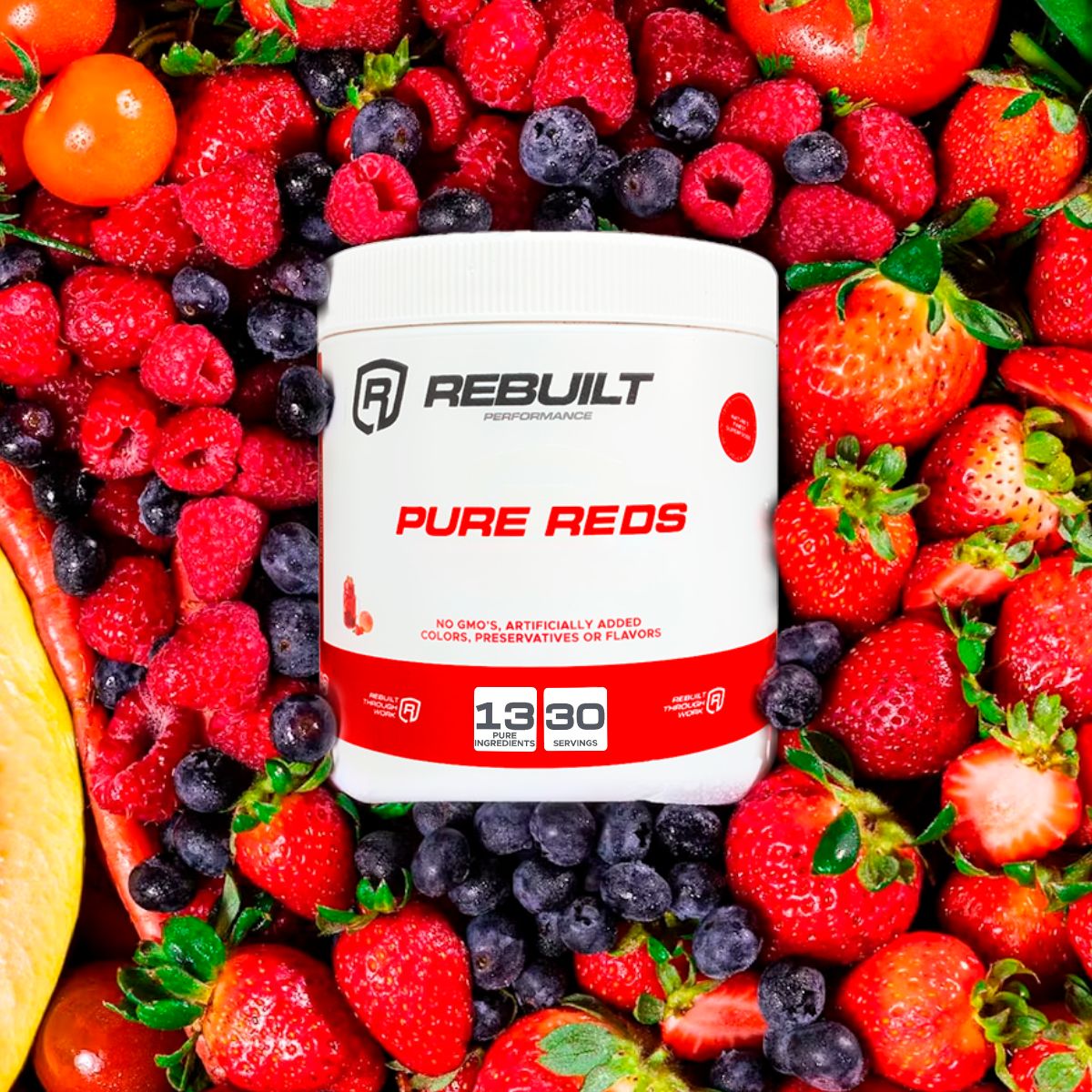
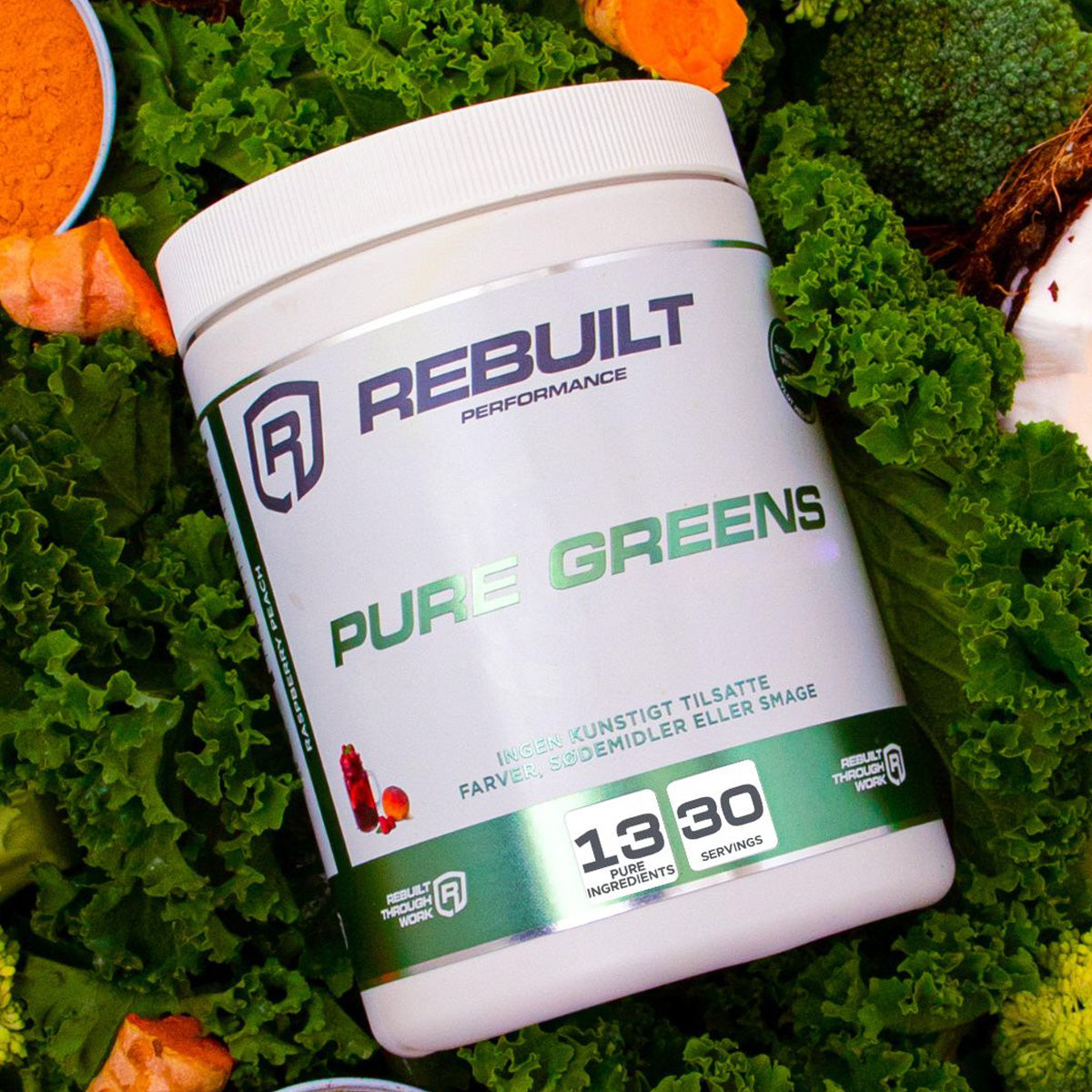
Short answer: A distended abdomen — often called a swollen belly or abdominal distension — is usually caused by gas buildup, food sensitivities, poor gut bacteria balance, or rapid eating. The fastest relief comes from eliminating trigger foods, eating slowly, adding fermented foods, and supporting your digestive system with fiber-rich greens and probiotics. Rebuilt's Pure Greens delivers 13 natural ingredients including spirulina, chlorella, and prebiotics that support normal digestion and help maintain a healthy gut environment.1
If you've ever looked down at your belly in the evening and barely recognized your own body — tight, bloated, uncomfortable — you're not alone. Abdominal distension affects millions of Americans every single day, yet most people assume it's something they just have to live with. The truth? Your distended abdomen is your digestive system's way of telling you something needs to change, and the solution is often simpler than you think.
This guide gives you seven concrete, science-backed dietary strategies to reduce bloating, support digestive comfort, and get back to feeling like the best version of yourself. Because your body deserves better than constant discomfort.
What Causes a Distended Abdomen in the First Place?
Abdominal distension happens when your digestive tract fills with gas or fluid, causing visible swelling. Common triggers include:
- Swallowed air from eating too quickly, chewing gum, or drinking carbonated beverages
- Fermentable carbohydrates (FODMAPs) found in onions, garlic, beans, and certain grains
- Gut bacteria imbalance — when harmful bacteria outnumber beneficial strains, gas production increases
- Food intolerances like lactose or gluten sensitivity
- Slow gut motility — food moves too slowly through your intestines, creating more opportunity for fermentation
- Dehydration — your colon pulls water from stool, making movement sluggish
- Fiber imbalance — too little or a sudden overload without gradual adaptation
Understanding your personal triggers is the first step. The next is taking action with targeted dietary changes that actually work.
7 Dietary Solutions to Reduce Abdominal Distension
1. Eliminate High-FODMAP Foods for 2–3 Weeks
FODMAPs (fermentable oligosaccharides, disaccharides, monosaccharides, and polyols) are short-chain carbohydrates that many people struggle to digest. When they reach your colon undigested, gut bacteria ferment them — producing gas, bloating, and that characteristic swollen belly.
Common high-FODMAP foods to avoid temporarily:
- Onions and garlic
- Wheat, rye, barley
- Beans and lentils
- Apples, pears, watermelon
- Milk, yogurt, soft cheeses (if lactose-sensitive)
- Sugar alcohols (sorbitol, xylitol) in sugar-free products
After 2–3 weeks, reintroduce foods one at a time to identify your specific triggers. Many people find they can tolerate some FODMAPs in small amounts once they've reset their gut.
2. Eat Slowly and Chew Thoroughly
This sounds almost too simple, but it's one of the most powerful changes you can make. When you eat quickly, you swallow air. That air travels to your intestines and contributes directly to distension.
Practical tips:
- Put your fork down between bites
- Chew each mouthful 20–30 times
- Avoid drinking through straws
- Skip carbonated drinks during meals
- Turn off screens and focus on your food
Digestion begins in your mouth. The more you break down food mechanically and enzymatically before swallowing, the less work — and gas — your gut has to deal with later.
3. Add Fermented Foods to Support Your Microbiome
Your gut houses trillions of bacteria that influence digestion, gas production, and overall comfort. A 2021 Stanford study published in Cell found that participants who consumed fermented foods daily for 10 weeks significantly increased their microbiome diversity and reduced markers of inflammation.2
Best fermented foods for digestive wellness:
- Sauerkraut (unpasteurized)
- Kimchi
- Kefir
- Plain yogurt with live cultures
- Kombucha (watch sugar content)
- Miso
Start small — just 1–2 tablespoons per day — and build up gradually. Introducing too many probiotics at once can temporarily increase gas as your microbiome adjusts.
Support Your Gut with Rebuilt Pure Greens
Rebuilt's Pure Greens is a Danish-developed blend of 13 natural ingredients — including spirulina, chlorella, wheatgrass, alfalfa, and prebiotics — designed to support normal digestive function and maintain a healthy gut environment.1 Every serving delivers fiber, chlorophyll, and plant-based nutrition your digestive system can recognize and use.
- 13 ingredients, fully transparent labeling
- No artificial fillers or flavors
- Subscribe and save, or buy once — no lock-in
4. Increase Fiber Gradually — But Choose the Right Kind
Fiber supports normal bowel movements and feeds beneficial gut bacteria, but adding too much too fast is a common cause of temporary bloating. The key is gradual adaptation and choosing soluble over insoluble fiber if you're sensitive.
Soluble fiber (dissolves in water, gentler on digestion):
- Oats
- Chia seeds
- Flaxseeds
- Carrots
- Sweet potatoes
- Psyllium husk
Insoluble fiber (adds bulk, can cause gas if introduced suddenly):
- Wheat bran
- Whole grains
- Leafy greens
- Nuts and seeds
Aim to increase fiber by 5g per week until you reach 25–30g daily. Pair every increase with extra water — fiber needs hydration to move smoothly through your system. For more on optimizing your daily habits, read our guide on digestive system optimization.
5. Stay Hydrated Throughout the Day
Dehydration is one of the most overlooked causes of abdominal distension. When your body lacks water, your colon absorbs more fluid from waste, slowing transit time and increasing fermentation.
Hydration strategy:
- Drink at least 8–10 glasses (64–80 oz) of water daily
- Start your morning with 16 oz of water before coffee
- Sip water consistently rather than chugging large amounts at once
- Limit caffeine and alcohol, both of which are diuretics
- Herbal teas (ginger, peppermint, fennel) count and may offer additional digestive comfort
Proper hydration supports normal gut motility, making it easier for food and waste to move through your system without creating pressure or gas buildup.
6. Time Your Meals Strategically
Eating large meals late at night or grazing constantly gives your digestive system no time to rest and reset. This can slow gastric emptying and increase the likelihood of bloating.
Meal timing tips:
- Eat your largest meal mid-day when digestion is naturally more efficient
- Finish your last meal 3 hours before bed
- Allow 4–5 hours between meals to give your gut time to complete digestion
- Avoid late-night snacking, especially high-fat or high-sugar foods
Consistency matters. Your digestive system thrives on routine, so try to eat at roughly the same times each day.
7. Support Your Gut with Nutrient-Dense Greens and Algae
Spirulina and chlorella are nutrient-dense algae that support normal digestive function and provide chlorophyll, which may help maintain a healthy internal environment.1 Spirulina has been studied for its ability to support the body's natural stress response and promote sustained energy without stimulants.3,4
Wheatgrass, alfalfa, and barley grass deliver additional fiber, enzymes, and plant-based nutrition that complement a whole-food diet. These ingredients work together to support your body's natural processes — they don't replace vegetables, but they fill nutritional gaps and offer convenience when whole foods aren't available.
Rebuilt's Pure Greens combines all of these in one daily scoop: 13 ingredients, transparent dosing, and a formula developed in Denmark with input from nutrition experts. No fillers. No proprietary blends hiding weak ingredients. Just clean, effective nutrition you can trust.
How Rebuilt Pure Greens Supports Digestive Comfort
When you're dealing with a distended abdomen, the last thing you need is a product that makes empty promises or hides ingredients behind vague labels. Rebuilt takes a different approach.
| Feature | Pure Greens (Rebuilt) | Typical Greens Powder |
|---|---|---|
| Ingredient count | 13 natural ingredients | 40–70+ (often filler-heavy) |
| Label transparency | Full dosing disclosed | Proprietary blends (hidden amounts) |
| Subscription model | Optional — cancel anytime | Often requires commitment |
| Focus | Quality over quantity | Long ingredient lists to impress |
Why Pure Greens works for digestive wellness:
- Spirulina and chlorella support normal gut function and provide plant-based protein and chlorophyll1
- Wheatgrass, barley grass, alfalfa deliver fiber and enzymes that support digestion
- Prebiotics feed beneficial gut bacteria, promoting microbiome balance
- No artificial sweeteners — many sugar alcohols (sorbitol, xylitol) are high-FODMAP and trigger bloating
- Easy to digest — designed for daily use without digestive upset
You can read more about how transparent dosing matters in our article on magnesium content in all-in-one supplements — the same principle applies to greens powders.
What If Diet Changes Aren't Enough?
For most people, the seven strategies above will significantly reduce abdominal distension within 2–4 weeks. But if your swollen belly persists despite dietary changes, consider these additional factors:
- Chronic stress — stress affects gut motility and increases sensitivity. Your digestive system has its own nervous system (the enteric nervous system), and it's highly responsive to your mental state.
- Medication side effects — antibiotics, GLP-1 agonists (like semaglutide), opioids, and some antidepressants can cause bloating and constipation. A 2023 review in PMC noted that GLP-1 users frequently report digestive discomfort and may benefit from fiber-rich supplements.5
- Sleep deprivation — poor sleep disrupts gut bacteria balance and hormonal regulation. If you're waking up frequently, you might benefit from strategies discussed in our guide on why you wake up at 3 AM.
- Inadequate nutrient intake — if you're on a restrictive diet or taking a supplement that underdoses key nutrients, you may be missing magnesium, B vitamins, or other cofactors needed for normal digestion. Our article on why you're still tired after taking supplements explains why dosage matters.
If bloating is severe, persistent, or accompanied by pain, weight loss, or blood in your stool, consult a healthcare provider to rule out underlying conditions.
Where to Buy the Right Digestive Support Products
Rebuilt stocks exactly what you need to support digestive wellness — no guesswork, no misleading labels, no lock-in subscriptions.
Start with Pure Greens:
- 13 natural ingredients in every 11g serving
- Danish-developed, transparent formula
- Supports normal digestive function and gut health1
- Subscribe and save, or buy once — you choose
- Ships fast, tastes clean, mixes easily
Shop Pure Greens now and take the first step toward consistent digestive comfort. Because you deserve to feel good in your own body — every single day.
Frequently Asked Questions
What is the fastest way to relieve a distended abdomen?
The fastest relief comes from gentle movement (a 10–15 minute walk), sipping warm peppermint or ginger tea, and avoiding foods that trigger gas. Lying on your left side can also help gas move through your digestive tract more easily. For long-term relief, focus on the seven dietary strategies above.
Can stress cause abdominal distension?
Yes. Chronic stress affects gut motility, increases gut permeability, and alters the balance of your microbiome. Your gut and brain communicate constantly via the gut-brain axis, so mental stress often shows up as physical digestive symptoms — including bloating and distension.
How long does it take to see improvement after changing my diet?
Most people notice improvement within 1–2 weeks of eliminating trigger foods and adding fermented foods or greens. Full microbiome rebalancing can take 4–8 weeks, especially if you're introducing probiotics or increasing fiber gradually.
Are greens powders better than eating vegetables for digestive health?
No. Greens powders like Pure Greens are a supplement, not a replacement. They fill nutritional gaps, offer convenience, and provide concentrated nutrients like spirulina and chlorella that you might not eat daily. But whole vegetables deliver fiber, water, and a full spectrum of nutrients that powders can't replicate. Use both.
Why does my belly bloat more in the evening?
Evening bloating is usually the result of accumulated gas from meals eaten throughout the day, slower digestion as your body prepares for rest, and eating your largest meal late. Shifting your main meal to midday and finishing dinner 3 hours before bed often reduces evening distension significantly.
Can I take Pure Greens if I have food sensitivities?
Pure Greens contains 13 natural plant-based ingredients and no common allergens like dairy, soy, or gluten. However, if you have specific sensitivities to algae (spirulina, chlorella) or grasses (wheatgrass, barley grass), check the full ingredient list on the product page or consult your healthcare provider before use.
Will drinking more water make my bloating worse?
No. While it might feel counterintuitive, dehydration actually causes bloating by slowing gut motility and making your colon pull water from stool. Drinking more water helps food and waste move through your system smoothly, reducing gas buildup. Sip consistently throughout the day rather than drinking large amounts at once.
Final Thoughts: Rebuild Your Digestive Comfort
A distended abdomen isn't something you have to tolerate. With targeted dietary changes — eliminating FODMAPs, eating slowly, adding fermented foods, increasing fiber gradually, staying hydrated, timing meals strategically, and supporting your gut with nutrient-dense greens — you can restore digestive comfort and get back to feeling like yourself.
Rebuilt gives you the tools, the transparency, and the products to make it happen. No hype. No hidden ingredients. Just clean, effective nutrition built on the belief that consistent work delivers real results.
Start today. Your gut — and your confidence — will thank you.
Shop Pure Greens | Explore All Products
Claims Overview
1 Spirulina, chlorella, and prebiotic fibers support normal digestive function and help maintain a healthy gut environment. These are structure/function claims tied to recognized nutritional roles of fiber and plant-based ingredients.
2 Wastyk HC, Fragiadakis GK, Perelman D, et al. Gut-microbiota-targeted diets modulate human immune status. Cell. 2021;184(16):4137-4153.e14. PMID: 34256014. Stanford study demonstrating that fermented foods increase microbiome diversity.
3 Kalafati M, Jamurtas AZ, Nikolaidis MG, et al. Ergogenic and antioxidant effects of spirulina supplementation in humans. Med Sci Sports Exerc. 2010;42(1):142-151. PMID: 19936191. Spirulina reduces oxidative stress and supports endurance.
4 PMID: 26888417 — Spirulina RCT showing reduced mental and physical fatigue. PMID: 34107141 — Spirulina RCT demonstrating improved sleep quality and stress levels.
5 PMC9821052 — Review of GLP-1 side effects including constipation, bloating, and the role of dietary supplements in managing digestive discomfort during treatment.
References
- Wastyk HC, Fragiadakis GK, Perelman D, et al. Gut-microbiota-targeted diets modulate human immune status. Cell. 2021;184(16):4137-4153.e14. PMID: 34256014.
- Kalafati M, Jamurtas AZ, Nikolaidis MG, et al. Ergogenic and antioxidant effects of spirulina supplementation in humans. Med Sci Sports Exerc. 2010;42(1):142-151. PMID: 19936191.
- Spirulina supplementation reduces mental and physical fatigue: randomized controlled trial. PMID: 26888417.
- Spirulina improves sleep quality and stress levels: randomized controlled trial. PMID: 34107141.
- GLP-1 receptor agonists: gastrointestinal side effects and role of dietary supplements. PMC9821052.
- Mozaffarian D, et al. Optimizing nutrition during GLP-1 treatment. Am J Clin Nutr. 2025;122:344.
FDA Disclaimer: These statements have not been evaluated by the Food and Drug Administration. This product is not intended to diagnose, treat, cure, or prevent any disease.

