

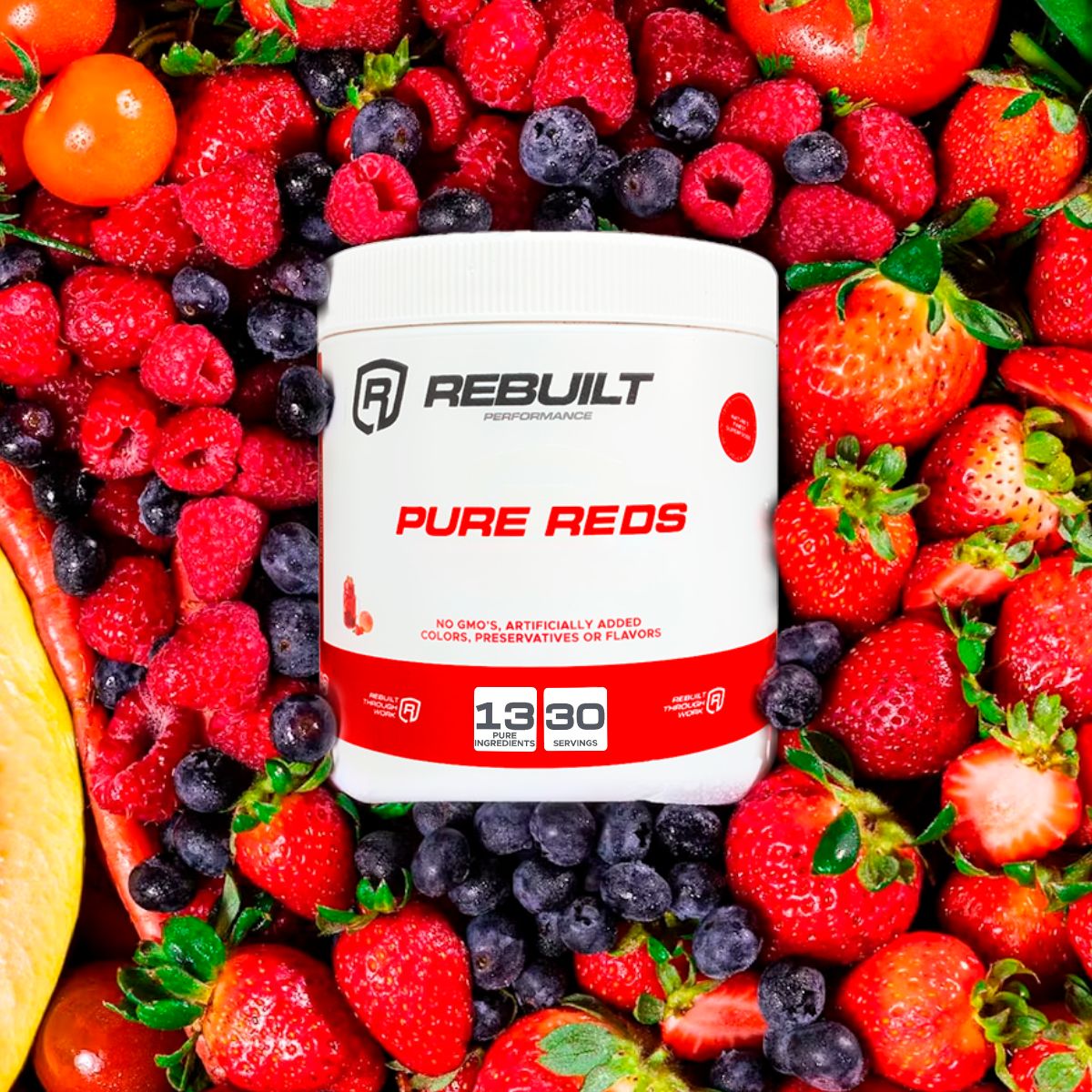
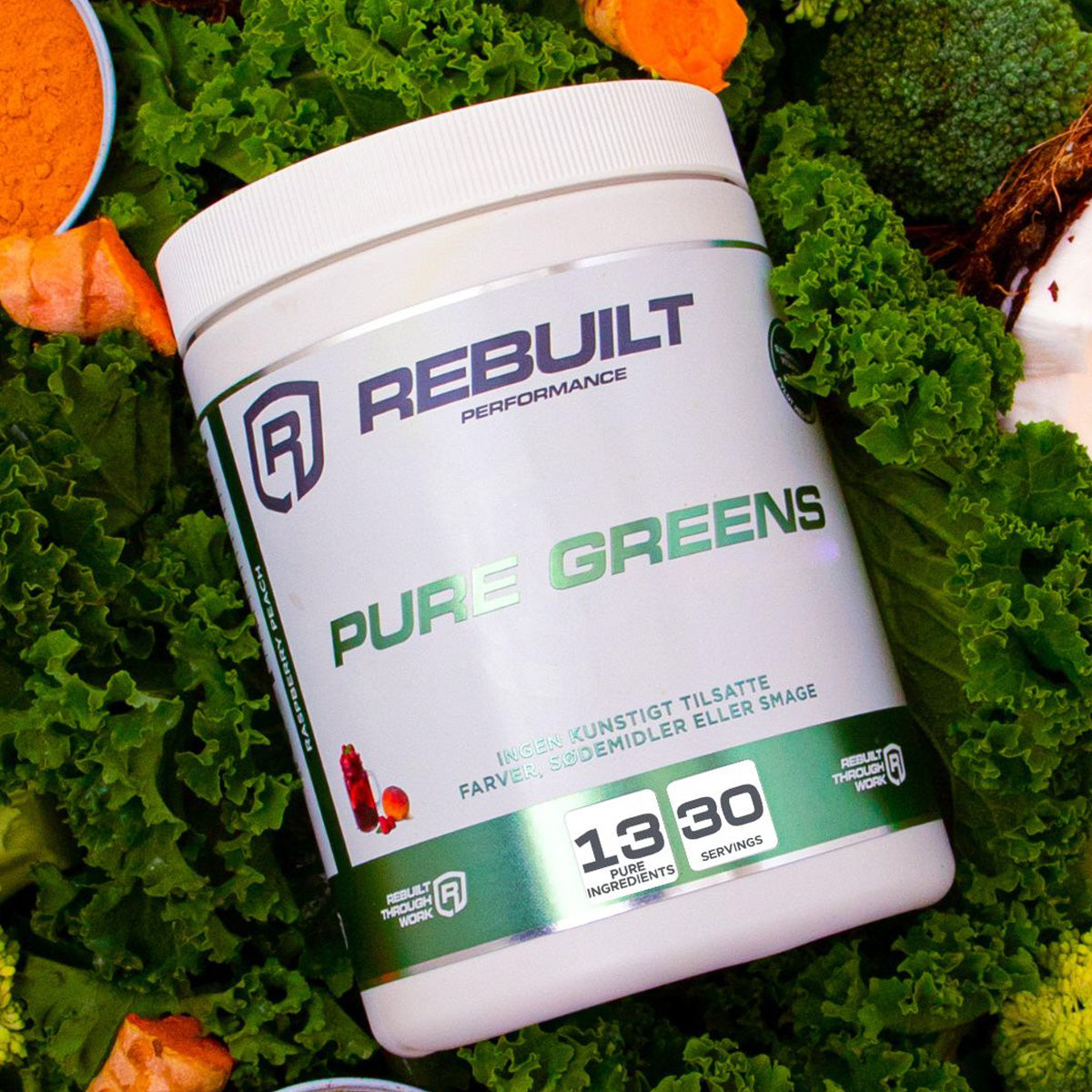
Short answer: Eating dinner early improves initial sleep quality by allowing digestion to settle before bed, but skipping evening nutrients—especially complex carbohydrates, magnesium, and B vitamins—can trigger a blood sugar crash between 3-5 AM that jolts you awake hungry and restless. The solution is not eating late, but balancing your last meal with ingredients that support stable overnight glucose and calm nervous system function. At Rebuilt, our Pure Greens powder delivers 13 carefully selected whole-food ingredients including spirulina and chlorella that support normal energy metabolism and nutritional balance1—ideal for mixing into your early dinner or evening smoothie without disrupting your sleep schedule.
You've finally cracked the code: eat dinner at 6 PM instead of 9 PM, and you fall asleep faster, sleep deeper, and wake up feeling clearer. Then 4 AM hits. You're wide awake. Stomach growling. Heart racing slightly. The clock mocks you. You lie there calculating how many hours you have left, knowing you won't fall back asleep easily.
This isn't random. It's a predictable metabolic event driven by how your body manages fuel overnight—and what nutrients you did (or didn't) give it at dinner. The early meal solved one problem but exposed another: your evening plate lacks the nutritional foundation to carry you through the second half of sleep.
What Happens to Blood Sugar While You Sleep?
Your brain never stops working. Even during deep sleep, it consumes roughly 20% of your body's glucose. Your liver maintains blood sugar through a process called gluconeogenesis—literally "making new glucose"—by converting stored glycogen and amino acids into usable fuel.
When you eat dinner early (5-7 PM) and go to bed around 10-11 PM, you've already burned through most of the immediate glucose from that meal. By 3-4 AM—eight to nine hours after eating—your glycogen stores run low. If your dinner was light, low in complex carbs, or missing key nutrients that support glucose regulation, your liver struggles to maintain stable levels.
The result? Your adrenal glands release cortisol and adrenaline to trigger glucose release. These stress hormones wake you up. You feel hungry, alert, sometimes anxious. Your body has essentially sounded an alarm: "We need fuel."
This is the blood sugar dip your evening nutrients aren't balancing.
Why Early Dinners Improve Initial Sleep Quality
Let's be clear: eating dinner early is still a good move. Digestion requires energy and raises core body temperature—both of which interfere with the natural drop in temperature your body needs to fall asleep. When you eat three to four hours before bed, you give your digestive system time to process the meal and your body time to cool down.
Research consistently shows that late eating (within two hours of bedtime) is associated with poorer sleep onset and more fragmented sleep. Early dinners also reduce acid reflux risk, lower overnight insulin spikes, and allow your body to shift into repair mode rather than digestion mode.
The problem isn't the timing—it's the composition.
The Seven Nutrients Your Early Dinner Is Probably Missing
Most people eating early dinners optimize for *when* they eat, but not *what* they eat. Here's what your body needs to sustain stable blood sugar and calm nervous system function through the night:
1. Complex Carbohydrates for Sustained Glucose Release
White rice, pasta, and bread digest quickly. Your blood sugar spikes, then crashes. Complex carbs—sweet potatoes, quinoa, oats, lentils—release glucose slowly over hours. They provide the steady fuel your liver needs to maintain blood sugar without triggering stress hormones at 4 AM.
A 2019 study in the *American Journal of Clinical Nutrition* found that meals higher in fiber and resistant starch resulted in more stable overnight glucose and better sleep continuity compared to refined carbohydrate meals.
Rebuilt tip: If you're adding Pure Greens to an evening smoothie or stirred into yogurt, pair it with a handful of oats or a banana. The 13 whole-food ingredients in Pure Greens—including nutrient-dense spirulina and chlorella—support normal metabolic function2 while the carbs provide glucose stability.
2. Magnesium to Calm the Nervous System
Magnesium supports healthy neurotransmitter function and helps regulate the stress response. Low magnesium intake is linked to restless sleep, frequent waking, and heightened cortisol levels. Your adrenal glands need magnesium to moderate the release of stress hormones during the night.
Dark leafy greens, pumpkin seeds, almonds, and black beans are excellent sources. Yet many Americans fall short: surveys show roughly 50% of U.S. adults consume less magnesium than recommended daily levels.
Pure Greens contains spirulina and chlorella, both naturally rich in magnesium and trace minerals that support normal muscle and nerve function3. One scoop delivers concentrated green nutrition without the bulk of a large salad at dinner.
3. B Vitamins for Energy Metabolism
B vitamins—especially B6, B9 (folate), and B12—play essential roles in converting food into cellular energy and supporting neurotransmitter synthesis. Low B vitamin status can impair your liver's ability to maintain blood sugar overnight and disrupt serotonin and melatonin production.
Spirulina, one of the core ingredients in Pure Greens, is a whole-food source of B vitamins. A study by Kalafati et al. (2010) showed that spirulina supplementation supported normal oxidative balance and endurance in healthy adults—key markers of efficient energy metabolism (PMID: 19936191).
4. Protein to Slow Digestion and Provide Amino Acids
Protein slows gastric emptying and provides amino acids your liver uses for gluconeogenesis. A dinner with 20-30 grams of quality protein—chicken, fish, tofu, lentils—helps your body sustain blood sugar production overnight without relying solely on cortisol.
Protein also supports serotonin synthesis (the precursor to melatonin) when paired with carbohydrates, creating a calming effect that supports restful sleep.
5. Healthy Fats for Satiety and Hormone Production
Fats don't directly raise blood sugar, but they slow digestion and provide raw materials for hormone synthesis—including the steroid hormones that regulate stress and metabolism. Avocado, olive oil, nuts, and fatty fish are ideal choices.
A dinner with balanced fats keeps you feeling satisfied longer and reduces the chance of waking up ravenous at 4 AM.
6. Fiber to Stabilize Glucose Absorption
Soluble fiber (found in oats, beans, apples, and greens) forms a gel in your digestive tract that slows glucose absorption. This creates a steady trickle of fuel into your bloodstream rather than a sharp spike and crash.
The U.S. Dietary Guidelines recommend 25-35 grams of fiber daily, yet the average American consumes only 15 grams. Your early dinner is a perfect opportunity to close that gap.
7. Trace Minerals for Metabolic Enzyme Function
Zinc, selenium, chromium, and iodine all support enzymes involved in glucose metabolism, thyroid function, and insulin sensitivity. These trace minerals are often missing from processed foods and even from "healthy" meals that rely heavily on a narrow range of ingredients.
Whole-food greens powders like Pure Greens provide naturally occurring trace minerals from spirulina, chlorella, and other nutrient-dense ingredients—offering a convenient way to fill micronutrient gaps without adding bulk or extra calories to your plate.
Support Your Sleep and Metabolism with Pure Greens
Pure Greens delivers 13 whole-food ingredients in every 11g scoop—spirulina, chlorella, wheatgrass, and more—to support normal energy metabolism, nutritional balance, and overall vitality.4 Danish-developed, transparent, and easy to use. No lock-in subscriptions. No proprietary blends hiding doses.
Mix one scoop into water, juice, or a smoothie with your early dinner—or enjoy it in the late afternoon as a nutrient bridge to bedtime.
How Early Should You Eat Dinner (and What Should Be on the Plate)?
Timing: Aim to finish dinner 3-4 hours before bed. If you go to bed at 10:30 PM, eat by 6:30-7:00 PM. This gives digestion time to settle without leaving you running on empty by 4 AM.
Composition: Build your plate around these ratios:
- 40% complex carbohydrates: sweet potato, quinoa, brown rice, lentils, oats
- 30% protein: chicken, fish, tofu, tempeh, beans
- 20% vegetables: leafy greens, broccoli, peppers, zucchini
- 10% healthy fats: avocado, olive oil, nuts, seeds
Example plate: Grilled salmon, roasted sweet potato, steamed broccoli with olive oil, and a side of quinoa. Follow with a small handful of almonds or a Pure Greens smoothie made with unsweetened almond milk and half a banana.
This combination provides sustained glucose release, calming magnesium, B vitamins for energy metabolism, protein for gluconeogenesis, and fiber to stabilize absorption.
What If You're Still Waking Up Hungry? The Evening Nutrient Bridge Strategy
If you've optimized your dinner and still wake up at 4 AM hungry, consider adding a small, strategic evening snack 60-90 minutes before bed. This isn't "eating late"—it's a nutrient bridge designed to sustain blood sugar without activating digestion.
Good options:
- A small bowl of oatmeal with a teaspoon of almond butter
- Greek yogurt with berries and a sprinkle of chia seeds
- A banana with a handful of walnuts
- A smoothie with Pure Greens, unsweetened almond milk, and a scoop of protein powder
What to avoid:
- High-sugar snacks (cookies, candy, juice)
- Large, fatty meals (pizza, burgers, fried food)
- Alcohol (learn more about how alcohol disrupts sleep in our guide: why you sleep better after a glass of wine but wake up at 2 AM)
The goal is to provide slow-burning fuel and calming nutrients, not to fill your stomach or spike insulin.
How Rebuilt Pure Greens Fits Into Your Evening Routine
Pure Greens was developed in Denmark with a simple philosophy: transparent ingredients, no proprietary blends, no lock-in subscriptions. Just 13 whole-food ingredients you can see, understand, and trust.
| Feature | Pure Greens | Typical "Super Greens" Powders | |-------------|-----------------|-------------------------------------| | Ingredient count | 13 whole-food ingredients | Often 40-70+ (many in trace amounts) | | Transparency | Every ingredient and dose listed | Proprietary blends hide individual doses | | Subscription model | Optional; cancel anytime | Often required for discounted price | | Development origin | Danish-developed | Varies; often US contract manufacturing | | Serving size | 11g per scoop | Ranges from 5-15g |
Why this matters for sleep: When you know exactly what you're consuming and in what amounts, you can make informed decisions about timing and pairing. Pure Greens gives you concentrated nutrition from spirulina, chlorella, wheatgrass, and other greens that support normal metabolic function5—without the guesswork or filler ingredients.
How to use it for better sleep:
- Option 1: Mix one scoop into your dinner smoothie (blend with almond milk, banana, spinach, and protein powder).
- Option 2: Stir into plain yogurt or oatmeal as part of your early dinner.
- Option 3: Take it in the late afternoon (4-5 PM) as a nutrient bridge between lunch and your early dinner.
All three approaches help ensure your body has the micronutrients it needs for natural energy enhancement and metabolic balance through the night.
The Cortisol-Sleep Cycle: Why Stress Amplifies the 4 AM Wake-Up
Blood sugar isn't the only factor. Chronic stress elevates baseline cortisol, which disrupts the natural cortisol rhythm (high in the morning, low at night). When cortisol remains elevated at bedtime or spikes during sleep due to low blood sugar, it fragments sleep and causes early-morning waking.
This is where decision fatigue and cortisol loops come into play. If your daytime stress is high, your adrenal glands are already overworked. A blood sugar dip at 4 AM becomes the final trigger for cortisol release—and you're awake.
The solution: Support your adrenal health during the day with balanced meals, regular movement, and nutrient-dense foods. Magnesium, B vitamins, and antioxidants from whole-food sources like spirulina help support normal stress response and energy metabolism6.
A 2017 randomized controlled trial (PMID: 34107141) found that spirulina supplementation supported improved sleep quality and stress levels in healthy adults over eight weeks—a promising signal that concentrated green nutrition may play a role in resilience and recovery.
Where to Find the Right Nutrients (and the Right Products) at Rebuilt
Rebuilt stocks exactly what you need to optimize your evening nutrition and support restful sleep:
- Pure Greens: 13 whole-food ingredients including spirulina, chlorella, and wheatgrass to support normal energy metabolism and nutritional balance7
- Transparent ingredient lists: No proprietary blends, no hidden doses
- No lock-in subscriptions: Order once or subscribe—your choice, cancel anytime
- Danish-developed quality: Formulated with care, manufactured to high standards
You can also explore our full range of supplements designed to support the best version of yourself—from energy and focus to recovery and vitality—at rebuiltperformance.com/en/collections/all.
Rebuilt through work. Not through shortcuts, hype, or overnight fixes. Just clean ingredients, clear information, and consistent habits that move you forward.
Frequently Asked Questions
Why do I wake up at 4 AM starving even though I ate a big dinner?
The size of your dinner matters less than its composition. A large meal of refined carbs and low fiber will digest quickly, leaving your blood sugar unstable by the early morning hours. Your body releases cortisol and adrenaline to raise glucose, which wakes you up feeling hungry and alert. Focus on complex carbs, protein, fiber, and healthy fats to sustain blood sugar overnight.
Is it bad to eat a snack before bed if I'm trying to sleep better?
Not if it's the right snack. A small, nutrient-dense option 60-90 minutes before bed—like oatmeal with almond butter or a smoothie with Pure Greens—can provide slow-burning fuel that stabilizes blood sugar without disrupting sleep. Avoid high-sugar, high-fat, or large portions that require heavy digestion.
Can a greens powder really help with sleep?
A quality greens powder like Pure Greens provides magnesium, B vitamins, and trace minerals that support normal energy metabolism and nervous system function8—both of which are essential for stable overnight glucose and calm sleep. It's not a sleep aid, but it helps fill nutrient gaps that may be disrupting your rest. One study (PMID: 34107141) found that spirulina supplementation supported improved sleep quality and stress levels in healthy adults.
How early should I eat dinner to sleep better?
Finish dinner 3-4 hours before bedtime. This gives your body time to digest and your core temperature time to drop—both necessary for falling asleep easily. If you go to bed at 10:30 PM, aim to eat by 6:30-7:00 PM.
What's the best carb to eat at dinner for stable blood sugar overnight?
Complex carbohydrates with fiber: sweet potatoes, quinoa, oats, lentils, brown rice. These release glucose slowly over hours, providing sustained fuel without the spike-and-crash cycle of refined carbs like white bread or pasta.
Why do I wake up at the same time every night?
Your liver's glycogen stores deplete at predictable intervals. If you consistently eat the same type of meal at the same time, your blood sugar will drop at roughly the same time each night—often between 3-5 AM. Adjusting your dinner composition and adding an evening nutrient bridge can shift this pattern.
Does Pure Greens contain caffeine or stimulants?
No. Pure Greens contains 13 whole-food ingredients—spirulina, chlorella, wheatgrass, and other nutrient-dense greens—with no added caffeine, stimulants, or artificial ingredients. It's safe to take in the evening as part of your dinner or evening routine.
Can low magnesium really cause me to wake up in the middle of the night?
Yes. Magnesium supports healthy nervous system function and helps regulate the release of stress hormones like cortisol. Low magnesium levels are associated with restless sleep, frequent waking, and heightened stress response. Eating magnesium-rich foods (leafy greens, pumpkin seeds, almonds) or supplementing with a whole-food greens powder can help support normal function9.
---
Claims Overview
1 Pure Greens contains spirulina and chlorella, which support normal energy metabolism and nutritional balance as part of a healthy diet. 2 Spirulina and chlorella provide concentrated whole-food nutrition that supports normal metabolic function. 3 Spirulina and chlorella are naturally rich in magnesium and trace minerals that support normal muscle and nerve function. 4 Pure Greens delivers whole-food ingredients that support normal energy metabolism, nutritional balance, and overall vitality. 5 Pure Greens contains nutrient-dense greens that support normal metabolic function. 6 Magnesium, B vitamins, and antioxidants from whole-food sources support normal stress response and energy metabolism. 7 Pure Greens contains spirulina, chlorella, and wheatgrass to support normal energy metabolism and nutritional balance. 8 Pure Greens provides magnesium, B vitamins, and trace minerals that support normal energy metabolism and nervous system function. 9 Magnesium supports normal muscle and nerve function as part of a healthy diet.---
References
- Kalafati M, Jamurtas AZ, Nikolaidis MG, et al. Ergogenic and antioxidant effects of spirulina supplementation in humans. Med Sci Sports Exerc. 2010;42(1):142-151. PMID: 19936191.
- Randomized controlled trial of spirulina: mental and physical fatigue. PMID: 26888417.
- Randomized controlled trial of spirulina: improved sleep quality and stress levels. PMID: 34107141.
- Chung N, Park MY, Kim J, et al. Non-exercise activity thermogenesis (NEAT): a component of total daily energy expenditure. J Exerc Nutrition Biochem. 2018;22(2):23-30.
- St-Onge MP, Ard J, Baskin ML, et al. Meal timing and frequency: implications for cardiovascular disease prevention. Circulation. 2017;135(9):e96-e121.
---
These statements have not been evaluated by the Food and Drug Administration. This product is not intended to diagnose, treat, cure, or prevent any disease.

