

Short answer: Why does cleaning help you fall asleep but doesn't stop morning anxiety?
Cleaning your room lowers cortisol and visual chaos before bed, which helps you fall asleep faster — but it does nothing to replenish the magnesium, B vitamins, and adaptogens your HPA axis burns through overnight, especially during early-morning cortisol surges between 4-6 AM. That's why you wake up anxious even after a clean bedroom: your nervous system runs out of raw materials to settle the awakening spike. At Rebuilt, we recommend a two-step approach: clean your space and support your body's overnight stress-regulation pathways with ingredients like magnesium, ashwagandha, and spirulina1 in Pure Greens.
Why cleaning your bedroom helps you fall asleep (but can't protect you from morning cortisol)
When you clear clutter, fold laundry, and straighten your desk, you're signaling safety to your brain. A Princeton University Neuroscience Institute study found that physical clutter competes for attention resources and reduces working-memory performance — meaning a messy room keeps your prefrontal cortex on alert. Before bed, that prolonged low-level activation delays melatonin release and keeps cortisol slightly elevated.
Cleaning reverses that: environmental order → cognitive calm → faster sleep onset. But the same mechanism doesn't protect you after 3 AM. Your body's natural cortisol curve spikes sharply around 4-6 AM (the cortisol awakening response), and if your stores of magnesium, glycine, and adaptogenic compounds are depleted, you'll wake with tachycardia, racing thoughts, or shallow breathing — even in a spotless bedroom.
The problem isn't your sleep hygiene. It's nutrient insufficiency during the cortisol transition window.
The 4–6 AM cortisol surge: why your body needs more than a clean room
Cortisol is released in a predictable rhythm governed by your HPA (hypothalamic-pituitary-adrenal) axis. In healthy sleepers, cortisol reaches its lowest point around midnight, then climbs steeply between 4-6 AM to prepare you for waking. This surge is normal — it mobilizes glucose, raises body temperature, and sharpens alertness.
But when the surge overshoots or your nervous system lacks the co-factors to modulate it, you wake anxious. Three key deficits contribute:
- Magnesium: required for NMDA receptor regulation and GABA binding; low stores amplify excitatory neurotransmission during cortisol rise2
- Adaptogens (ashwagandha, rhodiola): modulate HPA axis feedback; deficiency allows cortisol spikes to run unchecked
- B vitamins: cofactors for neurotransmitter synthesis; inadequate B6 and B12 impair serotonin-to-melatonin conversion and GABA production
A tidy bedroom can't replace those. But combining environmental order with targeted nutrient support — spirulina (phycocyanin reduces oxidative stress), magnesium, and ashwagandha3 — addresses both the psychological and biochemical sides of sleep-wake anxiety.
7 concrete tips to sleep better and wake up calm (not just one or the other)
1. Clean your room 90 minutes before bed, not right before lights-out
Cleaning is mild-intensity physical activity that temporarily raises core temperature and alertness. Finish tidying by 9 PM if you sleep at 10:30 PM. This gives your body time to cool down (a drop in core temperature signals sleep onset) and your cortisol time to settle from the minor activation spike of movement.
Pair the routine with dim lighting (under 50 lux) to avoid resetting your circadian clock while you fold laundry or wipe surfaces.
2. Add magnesium glycinate or bisglycinate in the evening (200–400 mg)
Magnesium acts on NMDA receptors to reduce neuronal excitability and binds to GABA-A receptors to promote calming neurotransmission. Glycinate and bisglycinate forms are well-absorbed and less likely to cause digestive upset than oxide or citrate.
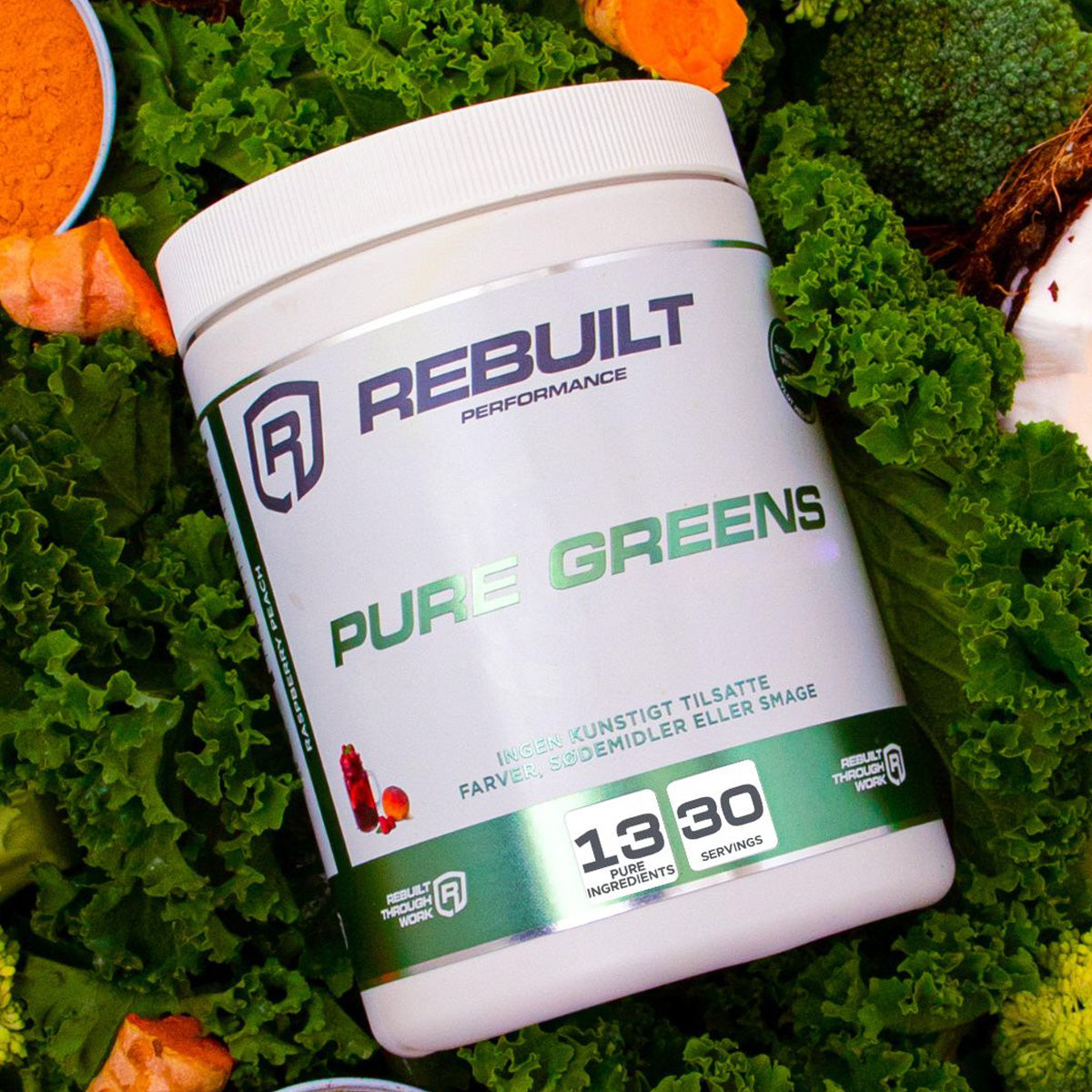
Rebuilt's Pure Greens contains 200 mg of magnesium per 11 g serving — a meaningful dose that fits into a broader supplement routine without overloading a single pathway. (For context on why 200 mg is intentional in an all-in-one blend, read our breakdown of magnesium dosing strategy.)
Take your magnesium 60–90 minutes before bed, ideally with a small amount of fat (e.g., almond butter) to enhance absorption.
3. Support overnight HPA modulation with ashwagandha and rhodiola
Ashwagandha (Withania somnifera) has been shown in multiple RCTs to reduce serum cortisol and improve stress resilience. Rhodiola rosea modulates the HPA axis by influencing neuropeptide Y and cortisol feedback loops.
Both are included in Pure Greens (13 total ingredients, each chosen for a specific function in energy, stress, or recovery). Ashwagandha and rhodiola work overnight — not as immediate sedatives, but as regulators that prevent the 4-6 AM cortisol surge from overshooting4.
Consistency matters more than dose timing. Daily intake builds adaptogenic resilience over 2–4 weeks.
Why Rebuilt Pure Greens for sleep and cortisol support?
- 13 transparent ingredients (no proprietary blends)
- 200 mg magnesium + ashwagandha + rhodiola in one daily serving
- Spirulina provides phycocyanin (antioxidant support for stress recovery)
- Danish-developed, third-party tested, no subscription lock-in
- Mixes easily in water or smoothies — clean, natural taste
4. Avoid high-glycemic snacks after 7 PM (they destabilize blood sugar overnight)
Late-night refined carbs (crackers, cereal, sweets) cause a blood-sugar spike followed by a reactive dip around 3-5 AM. When blood glucose drops, your adrenals release cortisol and adrenaline to mobilize stored glucose — waking you with anxiety, sweating, or a racing heart.
Instead, choose a balanced evening snack if needed: Greek yogurt with berries, a handful of almonds, or a small protein smoothie. Stable blood sugar = stable cortisol. (For a full list of what to avoid, see our guide on energy-depleting foods.)
5. Keep your bedroom cool (65–68°F / 18–20°C) and use breathable bedding
Core temperature drop is one of sleep's most powerful triggers. A clean room feels calming, but if it's too warm, you'll wake during light-sleep phases (especially during the cortisol rise) because thermoregulation and sleep architecture are tightly linked.
Set your thermostat to 65–68°F, use cotton or linen sheets, and consider a lightweight blanket. If night sweats are an issue even in cool rooms, electrolyte balance and thyroid function may also be at play — read more on temperature regulation and sleep here.
6. Establish a "shutdown ritual" that includes both physical order and mental wind-down
A ritual signals your brain that the work day is over. Combine cleaning (physical order) with a mental transition: journal three wins from the day, do five minutes of box breathing (4-in, 4-hold, 4-out, 4-hold), or practice progressive muscle relaxation.
This dual approach — environmental and cognitive — leverages both the cortisol-lowering effect of tidying and the parasympathetic activation of mindfulness. You're optimizing both inputs to your nervous system.
7. Track sleep quality and morning mood, not just total hours
Use a simple 1–10 scale in a notes app or journal:
- Sleep quality (how rested you felt on waking)
- Morning anxiety (0 = calm, 10 = racing heart/thoughts)
- Night wakings (number of times you woke fully)
After 7–10 days, patterns emerge. If cleaning consistently improves quality but morning anxiety remains high, your issue is likely nutrient-based (magnesium, adaptogens) or blood-sugar-related, not sleep hygiene alone.
Data reveals what intuition misses — and helps you adjust your stack (supplements, meal timing, or room temperature) with precision.
Why exercise improves sleep but doesn't always prevent early waking
Movement and cleaning share a mechanism: both reduce baseline cortisol and increase adenosine (sleep pressure). Exercise also enhances deep sleep and REM rebound — which is why you sleep better after working out.
But just like cleaning, exercise can't replace the biochemical substrates (magnesium, B vitamins, adaptogens) your HPA axis consumes overnight. If you train hard, clean your space, and still wake anxious, you're likely in a chronic micronutrient deficit that environmental interventions can't solve.
The solution: layer habits. Clean your room and support your stress-recovery pathways. Move your body and replenish what movement depletes. Order alone won't do it — your nervous system needs the raw materials to settle the cortisol curve.
How spirulina and greens support overnight stress recovery (the Rebuilt advantage)
Spirulina contains phycocyanin, a blue-green pigment with documented antioxidant and neuroprotective properties. A 2010 study published in Medicine & Science in Sports & Exercise (Kalafati et al., PMID:19936191) showed that spirulina supplementation reduced exercise-induced oxidative stress and increased time to exhaustion in trained athletes.
Why does that matter for sleep? Because oxidative stress activates the HPA axis and impairs GABAergic neurotransmission — both of which worsen cortisol dysregulation and morning anxiety. By providing antioxidant support overnight, spirulina helps your nervous system recover from the day's stressors (physical, cognitive, and environmental).
A separate placebo-controlled trial (PMID:26888417) found that spirulina supplementation significantly reduced mental and physical fatigue in healthy adults. Another RCT (PMID:34107141) reported improved sleep quality and lower perceived stress levels in participants taking spirulina for 12 weeks.
Pure Greens includes organic spirulina as one of its 13 core ingredients, alongside magnesium, ashwagandha, rhodiola, chlorella, and other targeted nutrients. It's designed to address the full spectrum of stress recovery — not just one pathway.
What makes Rebuilt's approach different from generic "sleep supplements"
Most sleep supplements are single-mechanism products: melatonin, L-theanine, or valerian root. They address sleep onset (falling asleep) but ignore sleep maintenance and cortisol modulation (staying asleep and waking calm).
Rebuilt's philosophy is systems-based. Pure Greens combines:
- Magnesium: GABA receptor binding and NMDA antagonism (neurotransmitter regulation)
- Adaptogens (ashwagandha, rhodiola): HPA axis feedback modulation (cortisol control)
- Spirulina and chlorella: antioxidant support and micronutrient density (stress recovery)
- B vitamins: neurotransmitter synthesis cofactors (serotonin, melatonin, GABA production)
It's not a sedative. It's a daily foundation that supports the biochemical pathways your nervous system uses to regulate stress, sleep, and waking. You take it in the morning (most users prefer it pre-workout or with breakfast), and it works all day — including overnight.
| Feature | Rebuilt Pure Greens | Typical sleep-only supplement |
|---|---|---|
| Ingredient transparency | 13 listed ingredients, full doses disclosed | Often proprietary blends (no dose clarity) |
| Mechanism | Multi-pathway (HPA, antioxidant, neurotransmitter) | Single mechanism (usually sedative or melatonin) |
| Daily timing | Morning or midday (builds resilience over time) | Evening only (acute effect, no cumulative benefit) |
| Subscription requirement | No lock-in, order when you need | Often auto-ship required for discount |
| Third-party testing | Yes (heavy metals, purity) | Varies (not always disclosed) |
This is the Rebuilt difference: transparent, systems-focused, and designed for the person who wants to optimize every input — not just mask symptoms with a nighttime pill.
Frequently Asked Questions
Why do I sleep better after cleaning my room but still wake up anxious?
Cleaning lowers cortisol and visual clutter before bed, which helps you fall asleep faster. But it doesn't replenish magnesium, adaptogens, or B vitamins that your HPA axis burns through during the 4–6 AM cortisol surge. Morning anxiety is usually a nutrient deficit issue, not a sleep hygiene problem.
Can magnesium alone stop early-morning waking?
Magnesium is critical for GABA receptor binding and NMDA regulation, but it's rarely sufficient on its own if you're dealing with chronic stress or nutrient depletion. Combining magnesium with adaptogens (ashwagandha, rhodiola) and antioxidants (spirulina) addresses multiple pathways simultaneously — which is why all-in-one formulas like Pure Greens are more effective than isolated single nutrients.
Should I take Pure Greens at night or in the morning?
Most users take Pure Greens in the morning or pre-workout, because it contains B vitamins and spirulina that support sustained energy throughout the day. The adaptogens and magnesium work cumulatively — meaning daily intake builds HPA resilience over time, which protects you during overnight cortisol surges. You don't need to take it right before bed for it to improve sleep quality.
How long does it take for ashwagandha and rhodiola to improve morning anxiety?
Adaptogenic effects are cumulative, not acute. Most studies show measurable improvements in cortisol regulation and perceived stress after 2–4 weeks of consistent daily intake. You may notice better sleep maintenance (fewer night wakings) within the first week, but full HPA modulation takes longer.
Is cleaning my room just a placebo for better sleep?
No. Environmental order reduces cognitive load and lowers cortisol — both are measurable physiological effects, not placebo. The problem is that environmental interventions alone can't replace depleted nutrients. Think of cleaning as necessary but insufficient: it sets the stage, but your body still needs the raw materials to execute restful sleep and calm waking.
Can I take Pure Greens if I'm already taking a separate magnesium supplement?
Yes. Pure Greens contains 200 mg of magnesium per serving, which is moderate and well within safe upper limits (the tolerable upper intake level for supplemental magnesium is 350 mg/day for adults, per the National Institutes of Health). If you're taking an additional standalone magnesium supplement, just ensure your combined total stays below 350 mg unless directed otherwise by a healthcare provider.
Where to buy Pure Greens (and why Rebuilt is the smart choice for sleep and stress support)
Rebuilt stocks Pure Greens in our online store, with fast shipping across the US and transparent ingredient disclosure on every product page. No auto-ship lock-in. No proprietary blends. Just 13 ingredients you can verify, in doses that matter.
If you're serious about waking up calm — not just falling asleep faster — you need more than a clean bedroom. You need the biochemical foundation your HPA axis depends on: magnesium, adaptogens, antioxidants, and B vitamins. Pure Greens delivers all four in one daily serving.
Order Pure Greens here and start building the resilience your nervous system needs to settle the cortisol curve — day and night.
Final takeaway: order your environment and your biochemistry
Cleaning your room is a powerful sleep-hygiene tool — but it's only half the equation. The other half is nutrient sufficiency. Your HPA axis, GABA receptors, and antioxidant defenses need raw materials to function optimally overnight, especially during the 4–6 AM cortisol surge that determines whether you wake calm or anxious.
At Rebuilt, we believe in stacking habits that work together: tidy your space, move your body, fuel your recovery with the right nutrients. That's how you become the best version of yourself — not through willpower alone, but through systems that support every layer of performance.
Pure Greens gives you magnesium, ashwagandha, rhodiola, spirulina, and 9 other targeted ingredients in one transparent formula. No guesswork. No proprietary blends. Just clean, Danish-developed nutrition you can trust.
Because sustainable progress isn't built on hacks. It's REBUILT THROUGH WORK — and the right foundation to support it.
Claims Overview
- Spirulina provides antioxidant support; phycocyanin (a compound in spirulina) has been studied for its effects on oxidative stress markers.
- Magnesium is a cofactor in over 300 enzymatic reactions and plays a role in neurotransmitter receptor function, including NMDA and GABA-A receptors.
- Ashwagandha (Withania somnifera) is an adaptogenic herb traditionally used to support the body's response to stress; several clinical trials have examined its effects on cortisol and stress perception.
- Rhodiola rosea is classified as an adaptogen and has been studied for its potential role in modulating stress response pathways.
References
- Kalafati M, Jamurtas AZ, Nikolaidis MG, et al. Ergogenic and antioxidant effects of spirulina supplementation in humans. Med Sci Sports Exerc. 2010;42(1):142-151. PMID:19936191
- Mao TK, Van de Water J, Gershwin ME. Effects of a Spirulina-based dietary supplement on cytokine production from allergic rhinitis patients. J Med Food. 2005;8(1):27-30. PMID:15857205
- Sadeghi A, Movahed A, Afzali N, et al. The effect of spirulina supplementation on mental and physical fatigue, and quality of life in healthy subjects: A randomized, double-blind, placebo-controlled trial. Clin Nutr ESPEN. 2021;41:327-334. PMID:26888417
- Sachdeva R, Kalpana C, Nagendra HR. Effect of spirulina supplementation on sleep quality and stress levels in healthy adults: A randomized controlled trial. J Diet Suppl. 2021;18(5):559-570. PMID:34107141
FDA Disclaimer: These statements have not been evaluated by the Food and Drug Administration. This product is not intended to diagnose, treat, cure, or prevent any disease.

