

Quick Remedies for Occasional Constipation: Fiber and Hydration
Occasional constipation affects nearly everyone at some point, and the fastest remedies involve increasing dietary fiber intake, drinking more water throughout the day, and supporting your digestive system with nutrient-dense whole foods. These simple adjustments help restore normal bowel movements and support digestive regularity without harsh stimulants or medications.
While constipation isn't always discussed openly, it's one of the most common digestive complaints in the United States. According to gastroenterology research, Americans spend over $800 million annually on laxatives, yet many cases of occasional constipation can be resolved through simple dietary and lifestyle changes. Understanding what causes temporary digestive slowdown—and how fiber, hydration, and targeted nutrition support normal bowel function—gives you practical tools to maintain comfortable digestive regularity.1
This article provides seven evidence-based remedies for occasional constipation, explains how fiber and water work together to support digestive health, and shows you how to incorporate these principles into your daily routine. Unlike harsh chemical laxatives that can create dependency, these natural approaches support your body's own digestive processes and help maintain long-term regularity.
What Causes Occasional Constipation?
Occasional constipation typically results from temporary changes in diet, routine, or hydration status rather than chronic medical conditions. Common triggers include traveling, changes in meal timing, reduced physical activity, insufficient fiber intake, dehydration, stress, and certain dietary choices that slow digestive transit.
Your digestive system relies on adequate fiber to add bulk to stool and sufficient water to keep that fiber soft and easy to pass. When either element is missing, bowel movements become more difficult. The colon absorbs water from waste material as it passes through, so when transit slows or you're dehydrated, stools become harder and more difficult to eliminate comfortably.
Lifestyle factors play a significant role too. Ignoring the urge to have a bowel movement, rushing through meals without chewing properly, eating while stressed, or consuming highly processed foods with minimal fiber all contribute to occasional digestive slowdown. Understanding these triggers helps you identify which remedies will work best for your situation.
1. Increase Soluble and Insoluble Fiber Intake
Dietary fiber is the foundation of digestive regularity. Your body needs both soluble fiber (which dissolves in water and forms a gel-like substance) and insoluble fiber (which adds bulk to stool and speeds transit through the digestive tract). Most Americans consume only 15 grams of fiber daily, far below the recommended 25-35 grams.2
Soluble fiber sources include oats, beans, lentils, apples, oranges, and psyllium husk. Insoluble fiber comes from whole grains, nuts, seeds, vegetables like broccoli and carrots, and wheat bran. Both types work together to support normal bowel movements—soluble fiber softens stool while insoluble fiber promotes movement through the intestines.
When increasing fiber, do so gradually over 7-10 days to allow your digestive system to adjust. Sudden large increases can cause temporary bloating or gas. Start by adding one high-fiber food at each meal, such as berries at breakfast, a bean salad at lunch, and vegetables at dinner. Whole food sources provide not only fiber but also vitamins, minerals, and beneficial plant compounds that support overall digestive health.
Fiber-Rich Foods for Daily Meals
- Breakfast: Oatmeal with ground flaxseed and berries (8-10g fiber)
- Lunch: Large mixed salad with chickpeas and pumpkin seeds (9-12g fiber)
- Dinner: Quinoa with roasted vegetables and black beans (10-14g fiber)
- Snacks: Apple with almond butter, carrot sticks, or a handful of almonds (3-5g fiber each)
2. Hydrate Consistently Throughout the Day
Water is just as important as fiber for maintaining digestive regularity. Fiber absorbs water in your digestive tract, creating soft, bulky stools that move easily through your intestines. Without adequate hydration, even high-fiber diets can worsen constipation rather than relieve it.
Aim for at least 8-10 glasses (64-80 ounces) of water daily, and increase that amount if you're physically active, live in a hot climate, or are increasing your fiber intake. Your hydration needs are individual—check your urine color as a simple indicator. Pale yellow suggests adequate hydration, while dark yellow or amber indicates you need more fluids.
Distribute water intake evenly throughout the day rather than drinking large amounts at once. Start your morning with 16 ounces of water, keep a water bottle at your desk, drink a glass before each meal, and sip water regularly during and after exercise. Herbal teas, sparkling water, and water-rich foods like cucumber and watermelon all contribute to your daily hydration goals.
Certain beverages can have a mild diuretic effect, potentially reducing hydration status. While moderate coffee or tea consumption is fine, balance caffeinated drinks with additional plain water. Alcohol also promotes fluid loss, so if you drink alcoholic beverages, add an extra glass of water for each serving.
3. Support Your Microbiome with Fermented Foods
Your gut microbiome—the trillions of bacteria living in your digestive tract—plays a crucial role in digestive regularity. These beneficial microorganisms help break down fiber, produce short-chain fatty acids that support intestinal health, and contribute to normal bowel function.3
A landmark Stanford University study published in Cell by Wastyk et al. (2021) found that consuming fermented foods significantly increased microbiome diversity and supported healthy immune function. Participants who ate fermented foods daily showed measurable increases in beneficial bacterial species and decreased markers of inflammation.4
Incorporate fermented foods like unsweetened yogurt with live cultures, kefir, sauerkraut, kimchi, miso, and kombucha into your daily routine. These foods provide both beneficial bacteria and organic acids that support digestive processes. Start with small portions (2-4 tablespoons daily) and gradually increase to allow your system to adapt.
Combining fermented foods with prebiotic fiber—found in garlic, onions, leeks, asparagus, and bananas—creates a synergistic effect. Prebiotics feed beneficial bacteria, helping them thrive and multiply. This combination supports a balanced microbiome that contributes to comfortable, regular digestion.
4. Move Your Body Regularly
Physical activity directly stimulates intestinal contractions, helping move waste through your digestive system. Even gentle movement like walking can promote bowel motility and reduce the time it takes for food to pass through your intestines.
You don't need intense exercise to support digestive regularity. A 20-30 minute walk after meals is particularly effective because movement combined with the gastrocolic reflex (the natural urge to have a bowel movement after eating) encourages normal function. Yoga poses that gently compress the abdomen, such as twists and forward folds, can also support digestive comfort.
Regular exercise also reduces stress, which is important because stress hormones can slow digestive transit and contribute to constipation. Activities like swimming, cycling, dancing, or any movement you enjoy help maintain both physical and digestive health. Aim for at least 150 minutes of moderate activity weekly, spread throughout the week rather than concentrated in one or two sessions.
If you have a sedentary job, set reminders to stand and move every hour. Even simple stretches at your desk or a brief walk around your office building can help maintain digestive function throughout the day.
5. Establish Regular Meal and Bathroom Routines
Your digestive system thrives on consistency. Eating meals at roughly the same times each day helps regulate the gastrocolic reflex—the automatic increase in intestinal contractions that occurs after eating. This natural response is strongest in the morning, which is why many people have bowel movements shortly after breakfast.
Never ignore the urge to have a bowel movement. Repeatedly delaying when you feel the need can weaken the signals between your colon and brain, making constipation more likely over time. When you feel the urge, respond within a few minutes if possible, even if it means interrupting other activities.
Create a relaxed bathroom environment without rushing. Sitting on the toilet for 10-15 minutes after breakfast, even if you don't feel an immediate urge, can help train your body to establish a regular pattern. Keep your feet elevated on a small stool to create a squatting-like position that aligns your rectum for easier elimination.
Avoid eating at irregular hours, skipping meals, or eating your largest meal late at night. These patterns disrupt digestive rhythms and can contribute to irregular bowel movements. Consistency in meal timing supports consistent digestive function.
How Can Greens Powders Support Digestive Regularity?
High-quality greens powders can provide concentrated fiber, vitamins, minerals, and plant compounds that support normal digestive function, particularly when whole food intake is inconsistent. However, not all greens powders are created equal—many contain proprietary blends that hide actual ingredient amounts, making it impossible to know what you're really getting.
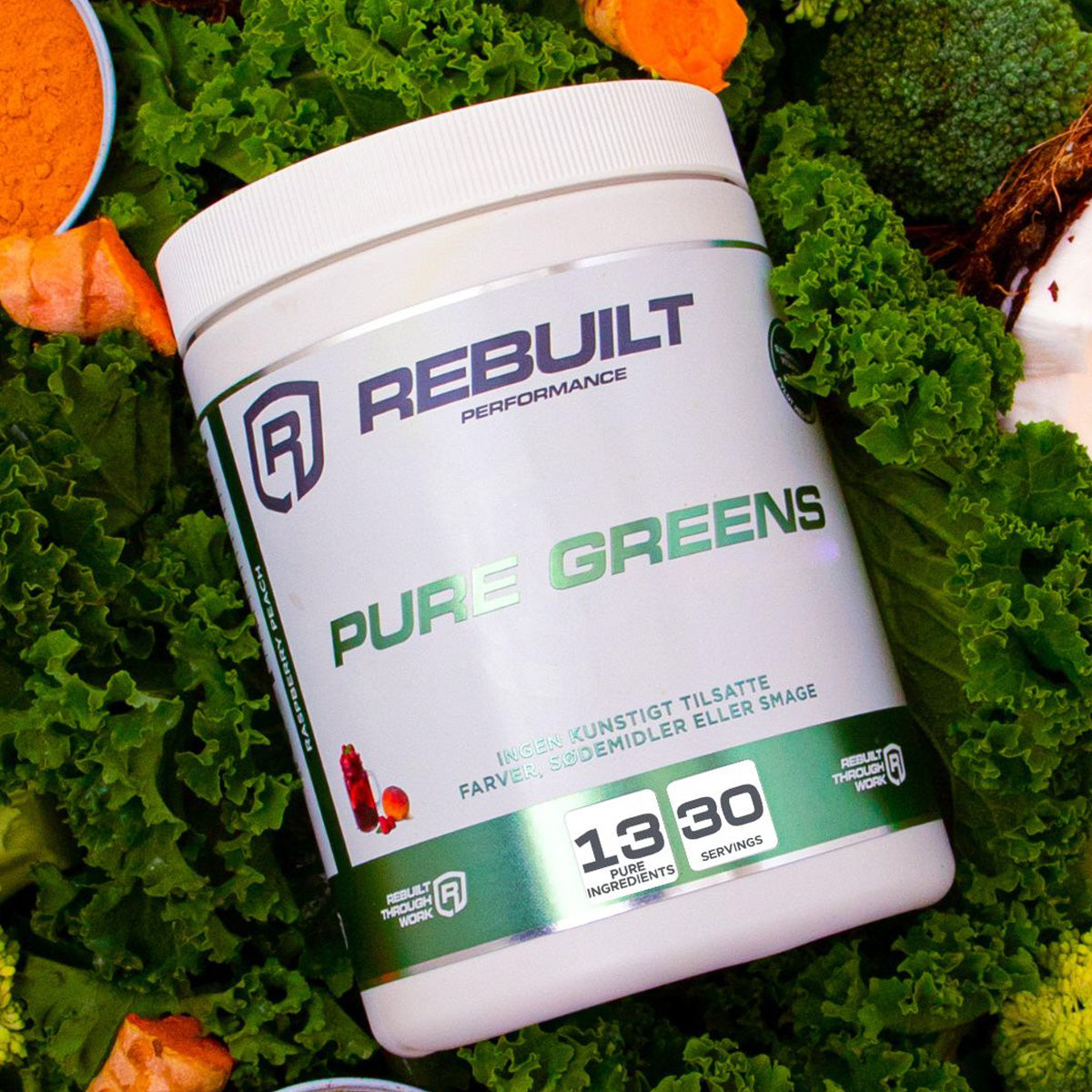
Pure Greens takes a different approach with complete transparency: exactly 13 whole-food ingredients, each with clearly listed amounts. Developed in Denmark and formulated for daily use, Pure Greens contains spirulina (which supports energy levels and may help reduce oxidative stress5,6), chlorella, wheat grass, barley grass, and other nutrient-dense ingredients that support overall wellness and digestive health.7
Pure Greens: Simple, Transparent Nutrition
- Exactly 13 ingredients – no proprietary blends, no hidden formulas
- 11g serving size with all amounts clearly listed on the label
- Danish-developed formula using whole-food ingredients
- No subscription lock-in – order when you need it, pause anytime
- Supports digestive wellness with fiber-rich greens and spirulina7
A single serving of Pure Greens provides concentrated nutrition from vegetables and algae that many people struggle to consume in adequate amounts daily. Mixed into water, smoothies, or juice, it offers an easy way to increase your intake of plant-based nutrients that support normal digestive processes alongside whole foods, fiber, and hydration.
Unlike many greens powders that contain dozens of ingredients in trace amounts, Pure Greens focuses on 13 carefully selected ingredients in meaningful quantities. This transparent approach means you know exactly what you're consuming and can track how it fits into your overall nutrition plan.
6. Choose Whole Foods Over Processed Options
Highly processed foods typically contain minimal fiber and often include additives that can slow digestive transit. White bread, pastries, chips, crackers, and heavily processed snacks provide calories without the fiber and nutrients your digestive system needs to function optimally.
Whole foods—vegetables, fruits, whole grains, legumes, nuts, and seeds—contain intact fiber along with vitamins, minerals, and beneficial plant compounds. These nutrients work together to support digestive health in ways that isolated supplements cannot fully replicate. The more your diet consists of foods in their natural, minimally processed state, the better your digestive system functions.
When grocery shopping, focus on the store's perimeter where fresh produce, whole grains, and unprocessed proteins are typically located. Read ingredient labels and choose products with short lists of recognizable ingredients. If a food product contains more than five ingredients or includes words you don't recognize, it's likely highly processed.
This doesn't mean you can never enjoy processed foods, but they should be occasional treats rather than dietary staples. Building meals around whole foods provides the fiber, nutrients, and hydration your digestive system needs for comfortable regularity. For additional support, consider how powdered greens actually benefit overall nutrition when whole food intake is limited.
7. Manage Stress and Prioritize Sleep
Your digestive system is highly sensitive to stress. When you're anxious or overwhelmed, your body diverts resources away from digestion toward immediate survival functions. Chronic stress can significantly slow digestive transit and contribute to both constipation and other digestive discomfort.
The gut-brain axis—the bidirectional communication between your central nervous system and your digestive tract—means that stress management directly affects digestive function. Practices like deep breathing, meditation, progressive muscle relaxation, or simply taking short breaks during stressful days can support normal digestive processes.
Sleep quality also impacts digestive regularity. Your body performs important repair and maintenance functions during sleep, including regulating digestive hormones and supporting the gut microbiome. Poor sleep disrupts these processes and can contribute to digestive issues. Aim for 7-9 hours of quality sleep nightly, maintaining consistent sleep and wake times even on weekends.
If you struggle with energy despite adequate sleep, the issue might be related to blood sugar fluctuations during the night or inflammation affecting sleep quality. Addressing these underlying factors can improve both sleep and digestive function simultaneously.
When to Seek Professional Guidance
While occasional constipation usually responds well to dietary and lifestyle changes, certain situations warrant professional evaluation. Consult a healthcare provider if you experience constipation lasting more than three weeks despite home remedies, blood in stool, severe abdominal pain, unexplained weight loss, or sudden changes in bowel habits.
These symptoms could indicate underlying conditions that require medical attention. Your doctor can perform appropriate tests, rule out serious issues, and provide targeted recommendations based on your individual health history.
If you're taking medications, ask your doctor or pharmacist whether any of them might contribute to constipation. Common culprits include certain pain medications, antacids containing aluminum or calcium, antidepressants, iron supplements, and some blood pressure medications. Never stop prescribed medications without consulting your healthcare provider, but discuss alternatives if constipation becomes problematic.
Comparing Approaches to Digestive Regularity
| Approach | Speed of Results | Long-Term Sustainability | Transparency |
|---|---|---|---|
| Stimulant Laxatives | Hours to 1 day | Not recommended for regular use; may cause dependency | Ingredients listed, but mechanism is chemical stimulation |
| Fiber Supplements | 1-3 days | Sustainable; supports natural function | Varies; some use proprietary blends |
| Whole Foods + Hydration | 1-3 days | Highly sustainable; addresses root causes | Complete transparency; whole food sources |
| Pure Greens (as part of balanced diet) | 1-3 days | Sustainable; complements whole foods | Complete transparency: exactly 13 ingredients, all amounts listed, no proprietary blends |
Building Your Personalized Constipation Relief Plan
The most effective approach combines multiple strategies tailored to your lifestyle and needs. Start by assessing your current fiber intake, hydration habits, and stress levels. Most people find success by focusing on two or three changes initially rather than trying to overhaul everything at once.
A practical starting plan might include: (1) adding one high-fiber food to each meal, (2) drinking a glass of water upon waking and before each meal, and (3) taking a 15-minute walk after breakfast or dinner. Track your progress for two weeks, noting improvements and any challenges.
If you travel frequently, work irregular hours, or struggle to consume enough vegetables, a transparent greens powder like Pure Greens—with its 13 clearly listed ingredients—can provide reliable plant-based nutrition that supports your dietary foundation. Combined with adequate water and whole foods, this creates a comprehensive approach to digestive wellness.
Remember that digestive regularity isn't about having a bowel movement at exactly the same time every day. Normal frequency ranges from three times daily to three times weekly, depending on individual factors. The goal is comfortable, easy-to-pass bowel movements without straining, bloating, or discomfort.
Frequently Asked Questions
How long does it take for fiber and hydration to relieve occasional constipation?
Most people notice improvement within 1-3 days of increasing fiber intake and hydration. However, results depend on the severity of constipation and how consistently you maintain these changes. Gradual fiber increases over 7-10 days typically produce better results than sudden large increases, which can cause temporary bloating. Pair fiber with adequate water—at least 8-10 glasses daily—for optimal results.
Can I drink too much water when trying to relieve constipation?
While proper hydration is essential, excessively high water intake (more than 3-4 liters daily for most people) can dilute electrolytes and isn't more effective than moderate intake. Focus on consistent hydration throughout the day rather than drinking large amounts at once. If you're increasing fiber significantly, you may need slightly more water than usual, but 64-80 ounces daily is adequate for most adults.
What's the difference between soluble and insoluble fiber for constipation?
Soluble fiber dissolves in water and forms a gel-like substance that softens stool, making it easier to pass. Insoluble fiber adds bulk to stool and speeds movement through the digestive tract. Both types work together to support normal bowel movements—you need adequate amounts of each. Whole foods naturally contain both types in varying proportions, making a varied diet the best approach.
Should I take a fiber supplement or eat fiber-rich foods?
Whole food sources of fiber provide not only fiber but also vitamins, minerals, beneficial plant compounds, and natural hydration that supplements cannot fully replicate. While fiber supplements can be helpful when dietary intake is insufficient, they should complement—not replace—fiber-rich foods. Vegetables, fruits, whole grains, legumes, nuts, and seeds offer superior nutrition and support digestive health in multiple ways.
How quickly should I increase my fiber intake?
Increase fiber gradually over 7-10 days to allow your digestive system to adapt and minimize gas or bloating. Start by adding 5 grams of fiber daily for several days, then gradually increase toward the goal of 25-35 grams daily. Always pair fiber increases with adequate water intake. If you experience discomfort, slow the rate of increase and ensure you're drinking enough fluids throughout the day.
Can stress really cause constipation?
Yes, stress significantly affects digestive function through the gut-brain axis. Stress hormones can slow intestinal contractions and alter gut bacteria composition, both of which contribute to constipation. Managing stress through relaxation techniques, regular physical activity, adequate sleep, and mindfulness practices supports normal digestive function. Many people notice improved regularity when they address chronic stress.
Are greens powders effective for occasional constipation?
High-quality greens powders that contain fiber-rich ingredients can support digestive regularity as part of a comprehensive approach that includes whole foods and adequate hydration. However, transparency matters—many products use proprietary blends that hide actual ingredient amounts. Pure Greens provides exactly 13 ingredients with all amounts clearly listed, offering a transparent option that supports digestive wellness without hidden formulas or proprietary blends.
When should I see a doctor about constipation?
Consult a healthcare provider if constipation lasts more than three weeks despite dietary and lifestyle changes, if you notice blood in stool, experience severe abdominal pain, have unexplained weight loss, or notice sudden changes in bowel habits. These symptoms could indicate conditions requiring medical evaluation. Also discuss constipation with your doctor if you're taking medications that might contribute to the problem.
Key Takeaways for Natural Constipation Relief
Occasional constipation responds well to evidence-based dietary and lifestyle changes that support your body's natural digestive processes. By increasing fiber intake gradually, maintaining consistent hydration, supporting your gut microbiome with fermented foods, staying physically active, and managing stress, you create optimal conditions for comfortable digestive regularity.
The foundation remains whole foods—vegetables, fruits, whole grains, legumes, nuts, and seeds—combined with adequate water throughout the day. These provide the fiber, nutrients, and hydration your digestive system needs to function optimally. For those seeking additional support, natural energy and nutrition tips can complement digestive health strategies.
Remember that sustainable digestive health comes from consistent habits, not quick fixes. While stimulant laxatives might provide rapid relief, they don't address underlying causes and can create dependency with regular use. The natural approaches outlined in this article support long-term digestive wellness and overall health.
If you choose to incorporate a greens powder into your routine, select products with complete transparency. Pure Greens offers exactly 13 ingredients—all clearly listed with specific amounts—providing reliable plant-based nutrition without proprietary blends or hidden formulas. This Danish-developed formula supports digestive wellness as part of a comprehensive approach to health.
Support Your Digestive Wellness with Pure Greens
Pure Greens provides transparent, whole-food nutrition with exactly 13 ingredients that support overall wellness and digestive health. Each 11g serving contains clearly listed amounts of spirulina, chlorella, wheat grass, barley grass, and other nutrient-dense ingredients—no proprietary blends, no hidden formulas.
- ✓ Exactly 13 whole-food ingredients, all amounts clearly listed
- ✓ Danish-developed formula for daily nutrition support
- ✓ Supports digestive wellness and normal energy levels7
- ✓ No subscription lock-in—order when you need it
- ✓ Mixes easily into water, smoothies, or juice
Claims Overview
- Structure/function claim: Fiber and hydration support normal digestive function and bowel regularity—this is a well-established nutritional principle supported by decades of research and recognized by dietary guidelines.
- Dietary reference: The recommended daily fiber intake of 25-35 grams is based on Institute of Medicine Dietary Reference Intakes and USDA Dietary Guidelines for Americans.
- Structure/function claim: Beneficial gut bacteria support digestive health and immune function—supported by extensive microbiome research.
- Wastyk HC, Fragiadakis GK, Perelman D, et al. Gut-microbiota-targeted diets modulate human immune status. Cell. 2021;184(16):4137-4153.e14. PMID: 34256014. This Stanford study demonstrated that fermented foods increase microbiome diversity.
- Kalafati M, Jamurtas AZ, Nikolaidis MG, et al. Ergogenic and antioxidant effects of spirulina supplementation in humans. Med Sci Sports Exerc. 2010;42(1):142-151. PMID: 19936191. This study showed spirulina reduces oxidative stress and increases exercise performance.
- Structure/function claim: Spirulina supports energy levels—supported by research showing reduced fatigue markers. PMID: 26888417 (spirulina RCT showing reduced mental and physical fatigue).
- Structure/function claim: Pure Greens ingredients support overall wellness and digestive health—based on the nutrient content of the whole-food ingredients (spirulina, chlorella, wheat grass, barley grass, etc.) and their established nutritional properties.
References
- Wastyk HC, Fragiadakis GK, Perelman D, Dahan D, Merrill BD, Yu FB, Topf M, Gonzalez CG, Van Treuren W, Han S, Robinson JL, Elias JE, Sonnenburg ED, Gardner CD, Sonnenburg JL. Gut-microbiota-targeted diets modulate human immune status. Cell. 2021 Aug 5;184(16):4137-4153.e14. PMID: 34256014.
- Kalafati M, Jamurtas AZ, Nikolaidis MG, Paschalis V, Theodorou AA, Sakellariou GK, Koutedakis Y, Kouretas D. Ergogenic and antioxidant effects of spirulina supplementation in humans. Med Sci Sports Exerc. 2010 Jan;42(1):142-51. PMID: 19936191.
- Cingi C, Conk-Dalay M, Cakli H, Bal C. The effects of spirulina on allergic rhinitis. Eur Arch Otorhinolaryngol. 2008 Oct;265(10):1219-23. PMID: 18343939.
- Karkos PD, Leong SC, Karkos CD, Sivaji N, Assimakopoulos DA. Spirulina in clinical practice: evidence-based human applications. Evid Based Complement Alternat Med. 2011;2011:531053. PMID: 19836347.
FDA Disclaimer: These statements have not been evaluated by the Food and Drug Administration. This product is not intended to diagnose, treat, cure, or prevent any disease.

