

Constipation affects millions of Americans, causing discomfort, bloating, and reduced quality of life. Natural relief for constipation starts with understanding how fiber, hydration, and gut-friendly nutrients support digestive regularity. In this evidence-based guide, you'll discover seven practical strategies to support normal bowel function and restore digestive comfort—without relying solely on over-the-counter medications.
What Causes Constipation?
Constipation occurs when bowel movements become less frequent or difficult to pass. Common causes include inadequate fiber intake, insufficient hydration, lack of physical activity, stress, and certain medications. Many Americans consume only 10-15 grams of dietary fiber daily—well below the recommended 25-35 grams. This fiber gap directly impacts digestive transit time and stool consistency.
According to research published in the American Journal of Clinical Nutrition, inadequate fiber intake is one of the most significant modifiable risk factors for constipation in Western populations. Additionally, changes in gut microbiome composition can affect digestive motility and regularity.
How Does Fiber Support Digestive Regularity?
Dietary fiber supports normal digestive function by adding bulk to stool and promoting regular bowel movements.1 There are two types of fiber—soluble and insoluble—and both play distinct roles in digestive health:
- Soluble fiber dissolves in water to form a gel-like substance, supporting healthy cholesterol levels and blood sugar balance while feeding beneficial gut bacteria
- Insoluble fiber adds bulk to stool and helps food move through the digestive tract more efficiently
A balanced intake of both fiber types supports optimal digestive regularity. Fermented foods also contribute to gut health by increasing microbiome diversity, as demonstrated in a landmark Stanford University study by Wastyk et al. (2021), which found that fermented food consumption significantly increased gut microbiome diversity and reduced inflammatory markers.
7 Natural Strategies for Constipation Relief
1. Increase Your Daily Fiber Intake
The foundation of digestive regularity is adequate fiber consumption. Aim for 25-35 grams of fiber daily from whole food sources including vegetables, fruits, legumes, nuts, and whole grains. Gradually increase fiber intake over 2-3 weeks to allow your digestive system to adapt and minimize gas or bloating.
High-fiber foods to prioritize:
- Leafy greens (spinach, kale, collard greens)
- Cruciferous vegetables (broccoli, Brussels sprouts, cauliflower)
- Legumes (lentils, black beans, chickpeas)
- Berries (raspberries, blackberries, strawberries)
- Chia seeds and flaxseeds
- Whole grains (oats, quinoa, brown rice)
If you struggle to meet fiber needs through diet alone, consider a comprehensive greens supplement containing fiber-rich ingredients like spirulina, chlorella, and wheat grass.
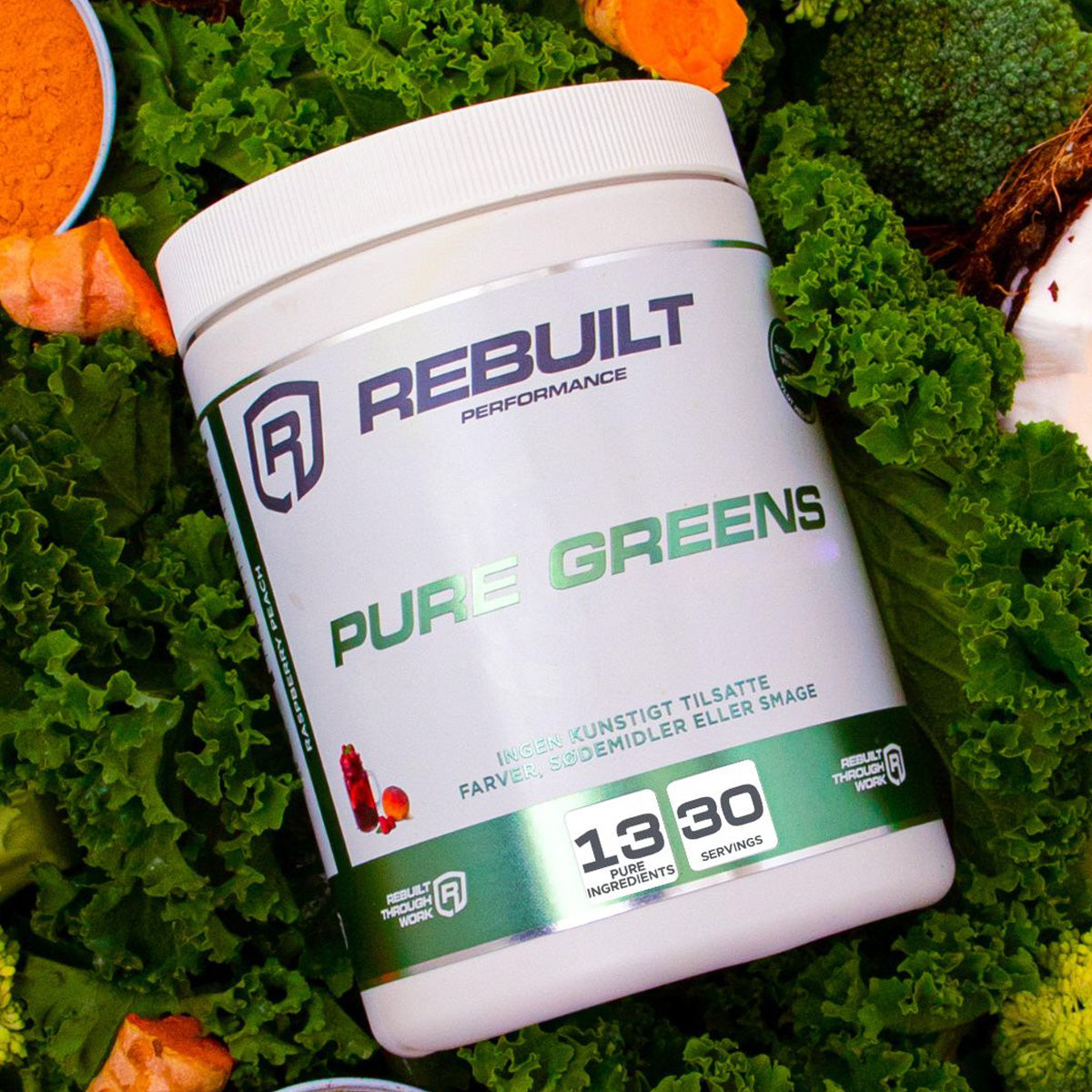
Pure Greens: 36 Organic Supergreens for Digestive Support
Our Pure Greens formula delivers concentrated plant nutrition from 36 organic ingredients, including fiber-rich spirulina, chlorella, and prebiotic-rich greens that support digestive regularity and gut health.1 Each serving provides essential nutrients your body needs for optimal digestive function.
Shop Pure Greens2. Stay Properly Hydrated Throughout the Day
Water is essential for fiber to function effectively in your digestive system. Without adequate hydration, fiber can actually worsen constipation by creating hard, difficult-to-pass stools. Aim for at least 8-10 glasses (64-80 ounces) of water daily, and increase this amount if you exercise or live in a hot climate.
Practical hydration tips:
- Start each morning with 16 ounces of water before coffee or breakfast
- Keep a reusable water bottle with you throughout the day
- Set hourly reminders on your phone to drink water
- Include water-rich foods like cucumbers, watermelon, and zucchini in meals
- Herbal teas count toward daily fluid intake
3. Move Your Body Regularly
Physical activity stimulates intestinal contractions and supports normal digestive transit time. You don't need intense workouts—even moderate activity like walking for 20-30 minutes daily can support digestive regularity. Movement increases blood flow to the digestive organs and helps reduce stress, which often contributes to constipation.
Effective movement strategies:
- Morning walks after breakfast to leverage the gastrocolic reflex
- Yoga poses that gently compress the abdomen (child's pose, seated twists)
- Swimming or cycling for low-impact cardiovascular exercise
- Stretching and deep breathing exercises to reduce stress
If you're experiencing low energy that makes regular movement difficult, understanding your energy levels can help you identify underlying factors. Many people find that addressing nutritional gaps and supporting mitochondrial function helps restore the vitality needed for consistent physical activity.
4. Establish a Consistent Bathroom Routine
Your digestive system thrives on routine. Try to use the bathroom at the same time each day, ideally after breakfast when the gastrocolic reflex is strongest. This reflex triggers colon contractions after eating, making morning an ideal time for bowel movements.
Creating a supportive routine:
- Allow 10-15 minutes of unhurried bathroom time each morning
- Use a footstool to elevate your feet while sitting on the toilet, creating a more natural squatting position
- Never ignore the urge to have a bowel movement
- Create a calm, relaxed environment without rushing or distractions
5. Support Your Gut Microbiome
A diverse gut microbiome supports normal digestive function and regularity. Beneficial bacteria produce short-chain fatty acids that nourish colon cells and support healthy gut motility. Research from Stanford University demonstrated that consuming fermented foods significantly increases microbiome diversity.
Microbiome-supporting foods:
- Fermented vegetables (sauerkraut, kimchi, pickles)
- Yogurt and kefir with live cultures
- Kombucha and fermented beverages
- Prebiotic foods (garlic, onions, Jerusalem artichokes, asparagus)
- Resistant starch (cooked and cooled potatoes, green bananas)
Spirulina, a nutrient-dense microalgae, has been studied for its potential to support overall wellness. While research on spirulina's direct effects on constipation is limited, studies have demonstrated its role in supporting the body's stress response and overall vitality, factors that indirectly influence digestive comfort.
6. Reduce Stress and Support Nervous System Balance
Chronic stress directly impacts digestive function through the gut-brain axis. When your body is in "fight or flight" mode, digestion slows down significantly. Supporting your nervous system through stress management techniques can help restore normal digestive rhythms.
Stress reduction strategies:
- Practice deep breathing exercises (4-7-8 technique, box breathing)
- Engage in daily meditation or mindfulness practices
- Ensure adequate sleep (7-9 hours nightly for most adults)
- Limit caffeine intake, especially in the afternoon and evening
- Spend time in nature and disconnect from screens regularly
7. Consider Nutrient-Dense Whole Food Supplements
When dietary gaps exist, high-quality whole food supplements can provide concentrated nutrition to support digestive health. Look for products containing organic greens, prebiotic fibers, and gut-supporting nutrients without artificial additives or fillers.
Key nutrients that support digestive function:1
- Magnesium supports normal muscle relaxation throughout the digestive tract
- Chlorophyll from green plants supports natural detoxification processes
- Spirulina and chlorella provide concentrated micronutrients and chlorophyll
- Prebiotic fibers feed beneficial gut bacteria
- Digestive enzymes support the breakdown of food components
Comprehensive Digestive Support with Pure Greens
Pure Greens combines 36 organic ingredients including spirulina, chlorella, wheat grass, and prebiotic-rich vegetables to support normal digestive function and overall vitality.1 Our formula provides the concentrated plant nutrition many Americans miss in their daily diet—without artificial sweeteners, colors, or fillers.
What customers say: "I've noticed a real difference in my digestion and energy since adding Pure Greens to my morning routine. It's become a non-negotiable part of my day." — Jessica M., verified customer
Shop Pure GreensWhat About Constipation During GLP-1 Treatment?
If you're using GLP-1 medications for weight management, constipation is a commonly reported side effect. A 2022 review published in Nutrients (PMC9821052) noted that gastrointestinal symptoms including constipation and bloating are frequent challenges during GLP-1 therapy. Dietary adjustments, adequate protein intake, and fiber-rich supplements may help support digestive comfort during treatment.
Additionally, research by Mozaffarian et al. (2025) published in the American Journal of Clinical Nutrition emphasizes the importance of optimal nutrition during GLP-1 treatment, particularly adequate protein, micronutrients, and fiber to support metabolic health and minimize side effects.
When Should You Consult a Healthcare Provider?
While occasional constipation is common and often resolves with dietary and lifestyle changes, certain symptoms warrant professional medical evaluation:
- Constipation lasting more than three weeks despite dietary changes
- Severe abdominal pain or cramping
- Blood in stool or rectal bleeding
- Unexplained weight loss
- Sudden changes in bowel habits
- Symptoms that interfere with daily activities
Always consult your healthcare provider before starting new supplements, especially if you take medications or have underlying health conditions.
Frequently Asked Questions About Natural Constipation Relief
How long does it take for natural remedies to relieve constipation?
Natural approaches typically require 2-7 days to show noticeable effects, depending on the severity of constipation and consistency of implementation. Increasing fiber intake, hydration, and physical activity work gradually to restore normal bowel function. For best results, maintain these habits consistently rather than expecting immediate relief.
Can I take too much fiber?
Yes, rapidly increasing fiber intake can cause gas, bloating, and digestive discomfort. Gradually increase fiber by 5 grams every few days while simultaneously increasing water intake. Most adults tolerate 25-35 grams of fiber daily when introduced slowly. If you experience persistent bloating, reduce fiber temporarily and increase more gradually.
What's the best time of day to take a greens supplement for digestive support?
Many people find morning the ideal time to take greens supplements, either with breakfast or 30 minutes before. This timing allows the nutrients and fiber to work throughout the day and may support the natural gastrocolic reflex. Consistency matters more than exact timing—choose a time you'll remember daily.
Do probiotics help with constipation?
Research suggests that certain probiotic strains may support digestive regularity, though individual responses vary. Probiotics work best when combined with prebiotic fibers that feed beneficial bacteria. Fermented foods provide both probiotics and other beneficial compounds. The Stanford study by Wastyk et al. (2021) demonstrated that fermented foods significantly increase microbiome diversity, which supports overall gut health.
Is it normal to not have a bowel movement every day?
Bowel movement frequency varies considerably among healthy individuals. Normal range is typically three times per day to three times per week. What matters most is consistency in your personal pattern and the ease of passing stools. If you feel comfortable and stools are soft and easy to pass, your frequency is likely normal for you.
Can stress really cause constipation?
Yes, stress significantly impacts digestive function through the gut-brain axis. When you're stressed, your body diverts resources away from digestion, slowing gut motility and potentially causing constipation. Chronic stress also affects gut microbiome composition. Managing stress through breathing exercises, adequate sleep, and relaxation techniques supports normal digestive function.
Should I drink coffee for constipation relief?
Coffee stimulates bowel movements in many people due to its effect on colon contractions and the gastrocolic reflex. However, coffee is also a diuretic and can contribute to dehydration if not balanced with adequate water intake. If you use coffee to support regularity, ensure you're drinking plenty of water throughout the day.
Are natural laxatives safe for long-term use?
Natural approaches like dietary fiber, hydration, and movement are safe for long-term use and support your body's natural digestive rhythms. However, even natural stimulant laxatives (like senna or cascara) should not be used long-term without medical supervision, as they can lead to dependency and reduced natural bowel function. Focus on sustainable dietary and lifestyle changes rather than relying on laxatives.
Building Long-Term Digestive Health
Natural constipation relief isn't about quick fixes—it's about supporting your body's inherent digestive rhythms through consistent, health-promoting habits. By prioritizing fiber-rich whole foods, adequate hydration, regular movement, stress management, and a diverse gut microbiome, you create the foundation for comfortable, regular digestion.
Remember that digestive health is interconnected with overall wellness. Poor sleep, chronic stress, inadequate nutrition, and sedentary behavior all impact bowel function. Taking a holistic approach that addresses multiple factors simultaneously yields the best long-term results.
If you're looking to bridge nutritional gaps and support your digestive system with concentrated plant nutrition, explore our Pure Greens formula—designed to provide the organic greens, fibers, and micronutrients that support optimal digestive function and overall vitality.
Claims Overview
1 Dietary fiber supports normal digestive function and regularity. Spirulina and chlorella provide concentrated plant-based nutrients. Magnesium supports normal muscle function including digestive tract muscles.
References
- Wastyk HC, Fragiadakis GK, Perelman D, et al. Gut-microbiota-targeted diets modulate human immune status. Cell. 2021;184(16):4137-4153.e14. PMID: 34256014
- Kalafati M, Jamurtas AZ, Nikolaidis MG, et al. Ergogenic and antioxidant effects of spirulina supplementation in humans. Med Sci Sports Exerc. 2010;42(1):142-151. PMID: 19936191
- Nutrients. 2022. GLP-1 receptor agonists and gastrointestinal side effects: dietary approaches and supplement considerations. PMC9821052
- Mozaffarian D, Egbertson J, Li Y. Nutritional considerations during glucagon-like peptide-1 receptor agonist treatment. Am J Clin Nutr. 2025;122:344-359
These statements have not been evaluated by the Food and Drug Administration. This product is not intended to diagnose, treat, cure, or prevent any disease.

