


An inflated stomach feeling—medically referred to as abdominal bloating or stomach distension—occurs when your gastrointestinal tract fills with gas or fluid, creating a sensation of fullness, tightness, or visible swelling. This common digestive complaint affects millions of Americans and often signals underlying issues with gut bacteria balance, food intolerances, or dietary habits that disrupt normal digestive function.
What Does an Inflated Stomach Feel Like?
People experiencing an inflated stomach typically describe a combination of physical sensations and visible changes. The abdomen may feel tight and stretched, similar to a balloon expanding from within. You might notice your waistband becoming uncomfortably snug even when you haven't gained weight, and the area below your ribcage or around your navel may protrude noticeably.
Common accompanying symptoms include:
- A sensation of fullness or pressure in the abdominal cavity
- Audible gurgling or rumbling sounds from your digestive tract
- Frequent gas or the urge to pass gas
- Abdominal discomfort that worsens after meals
- Changes in bowel movement patterns
- Reduced appetite despite not eating much
The severity can range from mild discomfort to significant distension that affects your daily activities and clothing choices. Understanding what triggers this sensation is the first step toward finding lasting relief.
What Causes That Inflated Stomach Sensation?
Stomach distension stems from multiple mechanisms, often working in combination. Gas accumulation represents the most common culprit—when gut bacteria ferment undigested carbohydrates, they produce hydrogen, methane, and carbon dioxide that expand the intestinal walls.
Gut Microbiome Imbalance
Your intestinal microbiome contains trillions of bacteria that aid digestion. When harmful bacteria outnumber beneficial species, fermentation increases dramatically. Research by Wastyk et al. (2021) demonstrated that dietary interventions supporting microbiome diversity can significantly improve digestive function and reduce gas production.1
An imbalanced microbiome also compromises the intestinal barrier, allowing partially digested food particles to trigger immune responses that cause fluid retention and swelling.
Food Intolerances and Sensitivities
Lactose intolerance, gluten sensitivity, and FODMAP intolerance prevent proper breakdown of specific nutrients. Undigested lactose, for example, draws water into the intestines while feeding gas-producing bacteria—creating both fluid and gas distension simultaneously.
Eating Habits That Trap Air
Swallowing air while eating (aerophagia) contributes substantial gas to your digestive tract. Drinking through straws, chewing gum, eating rapidly, and talking while eating all increase air intake. This trapped air must eventually exit, either through belching or by traveling through the entire digestive system.
Constipation and Slowed Transit
When stool moves slowly through your colon, bacterial fermentation time increases exponentially. The longer waste material sits in your intestines, the more gas accumulates. Regular bowel movements are essential for preventing this buildup. For related insights, see our guide on stomach bloating prevention.
Hormonal Fluctuations
Women often experience increased abdominal bloating before menstruation due to progesterone's effect on intestinal smooth muscle. This hormone slows digestive transit and increases water retention, contributing to that inflated feeling.
How Is an Inflated Stomach Different from Weight Gain?
Many people confuse abdominal bloating with weight gain, but these conditions differ fundamentally. Bloating typically fluctuates throughout the day—often minimal in the morning and most pronounced after meals or by evening. Your abdomen may feel hard and drum-like when tapped, and the distension usually affects the entire abdominal area rather than accumulating in specific fat deposit zones.
Weight gain from fat accumulation remains relatively constant and doesn't dramatically change within hours. Fat tissue feels softer when pressed, and the distribution follows genetic patterns (apple versus pear body shapes). If your stomach appears flat in the morning but becomes noticeably distended by afternoon, you're experiencing bloating rather than fat gain.
7 Concrete Strategies to Address an Inflated Stomach
1. Eat Mindfully and Slowly
Taking time to chew thoroughly and eat without distractions reduces aerophagia significantly. Aim to spend at least 20 minutes on each meal, putting down your utensils between bites. This practice gives your brain time to register fullness signals and reduces the likelihood of overeating, which stretches the stomach and exacerbates distension.
Avoid drinking large amounts of liquid during meals—sip water instead of gulping. Save carbonated beverages for between meals, not during, as the carbon dioxide adds unnecessary gas to your digestive system.
2. Support Your Gut Microbiome Diversity
The Stanford research by Wastyk et al. found that consuming fermented foods increased microbiome diversity and improved digestive markers.1 Incorporating foods like sauerkraut, kimchi, kefir, and yogurt with live cultures introduces beneficial bacteria that can help restore balance.
Prebiotic fibers feed these beneficial bacteria, but introduce them gradually. Foods rich in prebiotics include garlic, onions, asparagus, and bananas. A sudden increase in fiber can temporarily worsen bloating before improvement occurs, so increase intake slowly over 2-3 weeks.
Support Digestive Wellness with Pure Greens
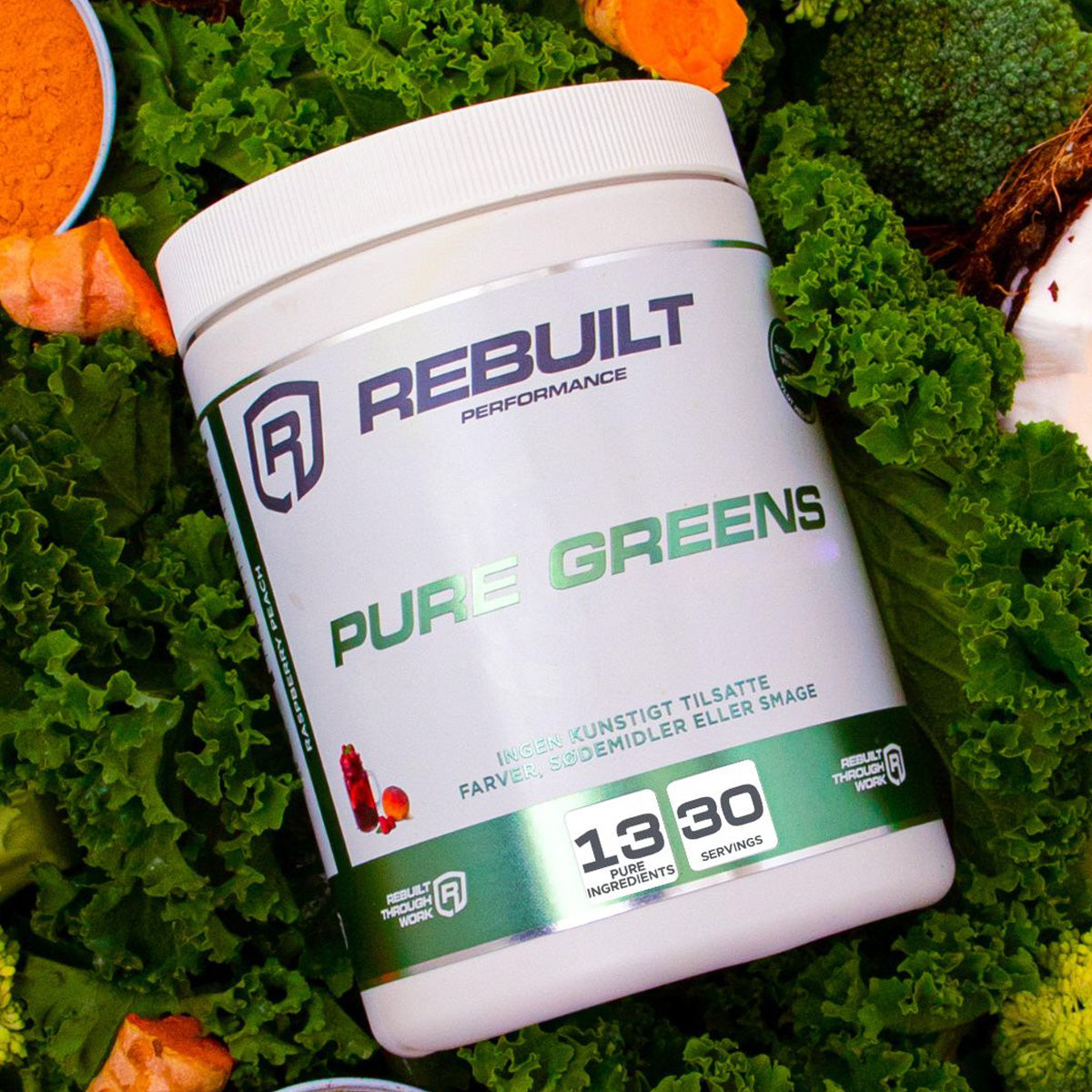
Pure Greens is a Danish-developed greens blend containing exactly 13 carefully selected ingredients, including spirulina, chlorella, and wheatgrass that may support normal digestive function and provide essential nutrients.2,3 Each 11-gram serving delivers concentrated plant nutrition without artificial additives or proprietary blends—every ingredient and amount is transparently listed.
Key benefits of Pure Greens:
- 13 transparent ingredients with no hidden formulas
- Spirulina and chlorella support normal energy levels and may help reduce oxidative stress2,3
- No subscription lock-in—order as needed
- Developed in Denmark with quality-focused sourcing
3. Identify and Eliminate Trigger Foods
Keep a detailed food and symptom diary for two weeks. Record everything you eat, the time of consumption, and any digestive symptoms that follow within 3-4 hours. Patterns will emerge that help identify your personal trigger foods.
Common culprits include:
| Food Category | Common Triggers | Why They Cause Bloating |
|---|---|---|
| High-FODMAP Foods | Beans, lentils, wheat, onions, apples | Poorly absorbed carbohydrates that ferment rapidly |
| Dairy Products | Milk, soft cheese, ice cream | Lactose requires specific enzymes many adults lack |
| Cruciferous Vegetables | Broccoli, cauliflower, Brussels sprouts | Contain raffinose, a complex sugar humans can't digest |
| Artificial Sweeteners | Sorbitol, xylitol, mannitol | Pull water into intestines and ferment easily |
| Fatty Foods | Fried foods, heavy cream, fatty cuts of meat | Slow gastric emptying, prolonging digestion time |
Once identified, eliminate trigger foods for 3-4 weeks, then reintroduce them one at a time to confirm which ones truly cause problems.
4. Optimize Meal Timing and Portion Size
Large meals stretch your stomach and require more digestive enzymes and time to process. Instead of three large meals, try five smaller meals distributed throughout the day. This approach maintains steadier energy levels while reducing digestive burden at any single time point.
Avoid eating within 3 hours of bedtime. Late-night eating forces your digestive system to work when it should be resting, disrupting both digestion and sleep quality. For more information on this connection, read our article on why you sleep worse after eating late.
5. Stay Adequately Hydrated Throughout the Day
Paradoxically, drinking more water can reduce bloating rather than increase it. Adequate hydration helps fiber move smoothly through your digestive tract and prevents constipation that contributes to gas buildup. Aim for 8-10 glasses of water daily, distributed evenly rather than consumed all at once.
Herbal teas—particularly peppermint, ginger, and fennel—may support normal digestive comfort. These traditional remedies have been used for centuries to support digestive wellness, though individual responses vary.
6. Incorporate Regular Physical Activity
Movement stimulates intestinal contractions that propel gas and stool through your system more efficiently. Even a 15-minute walk after meals can significantly reduce bloating by promoting gastric emptying and intestinal motility.
Exercise also supports overall metabolic health and can improve sleep quality, which indirectly benefits digestive function. Research shows that physical activity supports normal stress levels, and since stress impacts gut function through the gut-brain axis, regular exercise provides multifaceted digestive benefits. Learn more about the connection between exercise and recovery.
7. Manage Stress Levels Effectively
Chronic stress directly impacts digestive function through the gut-brain axis—a bidirectional communication network between your central nervous system and enteric nervous system. Stress hormones alter gut motility, increase intestinal permeability, and shift microbiome composition toward less beneficial species.
Implement stress-reduction techniques that resonate with you:
- Meditation or deep breathing exercises for 10-15 minutes daily
- Progressive muscle relaxation before bed
- Regular sleep schedule maintaining 7-9 hours nightly
- Time in nature or other activities that promote relaxation
- Social connection with supportive friends and family
Studies indicate that spirulina supplementation may support normal stress response and sleep quality in healthy individuals.4 This nutrient-dense algae provides concentrated plant-based nutrients that support overall wellness when combined with a balanced diet.
When Should You Consult a Healthcare Provider About Stomach Distension?
While occasional bloating is normal, certain symptoms warrant medical evaluation. Seek professional guidance if you experience:
- Persistent bloating lasting more than two weeks despite dietary changes
- Unexplained weight loss accompanying the distension
- Blood in stool or black, tarry stools
- Severe abdominal pain that doesn't resolve
- Fever, vomiting, or signs of infection
- Changes in bowel habits that persist (chronic diarrhea or constipation)
- Bloating that wakes you from sleep or prevents normal activities
These symptoms could indicate conditions requiring medical intervention, including inflammatory bowel disease, celiac disease, small intestinal bacterial overgrowth (SIBO), or other gastrointestinal disorders. A healthcare provider can perform appropriate diagnostic tests to identify underlying causes.
How Do Nutritional Supplements Fit Into Digestive Wellness?
While whole foods should always form the foundation of digestive health, certain concentrated nutrients may support normal digestive function as part of a comprehensive approach.
Spirulina, a blue-green algae, contains concentrated nutrients including protein, B-vitamins, iron, and phycocyanin. Research by Kalafati et al. demonstrated that spirulina supplementation may help reduce oxidative stress and support normal endurance in healthy adults.2 Additional research suggests spirulina may support normal energy levels and reduce feelings of mental and physical fatigue.3
Why Choose Pure Greens for Nutritional Support?
Unlike many greens powders that hide ingredient amounts in proprietary blends, Pure Greens offers complete transparency. You'll know exactly what you're consuming:
| Feature | Pure Greens | Typical Market Alternative |
|---|---|---|
| Ingredient Transparency | All 13 ingredients with exact amounts listed | Proprietary blends hiding individual amounts |
| Subscription Model | No lock-in, order when you need | Often requires subscription commitment |
| Development | Danish-developed with quality focus | Varies widely |
| Artificial Additives | None added | Often contains fillers or sweeteners |
Can Medications Contribute to an Inflated Stomach?
Several medication classes commonly cause abdominal bloating as a side effect. Antibiotics disrupt the gut microbiome balance by killing both harmful and beneficial bacteria, often leading to temporary digestive upset. Opioid pain medications slow intestinal transit dramatically, causing constipation and gas buildup.
GLP-1 receptor agonists used for weight management frequently cause digestive side effects including constipation and bloating. Recent research published in PMC9821052 examined strategies for managing these effects, noting that dietary modifications and appropriate nutritional support may help.5 Mozaffarian et al. (2025) emphasized the importance of adequate nutrition during GLP-1 treatment to support overall health outcomes.6
If you suspect medication is contributing to your symptoms, consult your prescribing physician before making changes. They may adjust dosages, suggest timing modifications, or recommend alternatives that cause fewer digestive effects.
What Role Does Posture Play in Stomach Distension?
Your physical position significantly affects how gas moves through your digestive tract. Slouching or hunching over compresses your abdominal cavity, restricting normal intestinal motility and making it harder for gas to transit through. This compression can trap gas in specific areas, creating uncomfortable pressure.
Practice good posture throughout the day—sit with your back straight, shoulders relaxed, and core gently engaged. When lying down, certain positions facilitate gas movement better than others. Lying on your left side may help gas move more easily toward the colon's exit points, while positions that compress the abdomen can worsen symptoms.
After meals, avoid lying flat immediately. Remain upright or reclined at an angle for at least 30-60 minutes to allow gravity to assist digestive processes.
Frequently Asked Questions About Inflated Stomach Feeling
Why does my stomach feel inflated even when I haven't eaten much?
An inflated feeling without significant food intake typically indicates gas accumulation from bacterial fermentation, swallowed air, or fluid retention rather than actual food volume. Your gut bacteria continuously ferment residual material in your intestines, producing gas throughout the day. Hormonal fluctuations, especially in women during the menstrual cycle, can also cause fluid retention that creates abdominal fullness without eating. Additionally, certain foods may trigger a disproportionate response—a small amount of a trigger food can cause significant distension in sensitive individuals.
Is stomach bloating worse in the evening?
Yes, bloating typically worsens throughout the day for several reasons. Gas and food accumulate as you eat multiple meals, with each meal adding to the digestive workload. Gut bacteria fermentation increases proportionally to the amount of food consumed, peaking in late afternoon and evening. Additionally, fatigue affects the gut-brain axis—stress hormones that accumulate during the day can slow intestinal motility. Posture also plays a role; after hours of sitting, your abdominal cavity remains compressed, restricting normal gas movement. For practical prevention strategies, see our comprehensive guide on bloated belly relief strategies.
Can stress alone cause an inflated stomach sensation?
Absolutely. The gut-brain axis connects your central nervous system directly to your digestive tract through the vagus nerve and other pathways. When stressed, your body releases cortisol and other hormones that alter gut motility—either speeding it up (causing diarrhea) or slowing it down (causing constipation and gas buildup). Stress also shifts blood flow away from digestive organs toward muscles, impairing digestive enzyme production and nutrient absorption. Chronic stress can even change your microbiome composition, favoring bacteria species that produce more gas.
How quickly should I expect relief after making dietary changes?
The timeline varies depending on the underlying cause and which changes you implement. Eliminating obvious trigger foods like dairy (if lactose intolerant) may provide relief within 24-48 hours as the offending substance clears your system. However, microbiome shifts require longer—expect 2-4 weeks of consistent dietary changes before seeing significant improvement in gas production patterns. If addressing constipation by increasing fiber, you may notice changes within 3-5 days, though some people experience temporary worsening before improvement. Keep a symptom diary to track progress objectively, as subjective feelings can be misleading.
Are probiotics helpful for reducing stomach bloating?
Probiotics can be beneficial for some people, but responses vary significantly based on individual microbiome composition and the specific strains consumed. Certain probiotic strains may support normal digestive comfort, while others might temporarily increase gas production as your microbiome adjusts. Research suggests that fermented foods providing multiple bacterial strains may be more effective than single-strain supplements for supporting microbiome diversity.1 Start with small amounts and increase gradually while monitoring symptoms. If bloating worsens after two weeks of probiotic use, that particular product may not be suitable for your unique microbiome.
Can exercise help reduce an inflated stomach feeling?
Yes, physical activity is one of the most effective natural approaches for reducing bloating. Exercise stimulates intestinal contractions (peristalsis) that move gas and stool through your system more efficiently. Even gentle walking for 10-15 minutes after meals can significantly reduce postprandial bloating. Yoga poses that involve twisting or gentle abdominal compression may facilitate gas movement and release. Regular exercise also supports normal stress levels, which indirectly benefits digestive function through the gut-brain axis. However, high-intensity exercise immediately after large meals can worsen symptoms, so timing matters—aim for light to moderate activity after eating.
When is stomach distension a sign of something serious?
While most bloating stems from benign causes, certain warning signs require medical evaluation. Seek prompt attention if bloating is accompanied by unexplained weight loss, blood in stool, severe pain that doesn't resolve, fever, persistent vomiting, or inability to pass gas or stool. Progressive worsening over weeks despite dietary changes warrants investigation for conditions like inflammatory bowel disease, celiac disease, or small intestinal bacterial overgrowth. New bloating in individuals over 50, especially with changes in bowel habits, should be evaluated to rule out more serious conditions. Trust your instincts—if something feels wrong beyond ordinary digestive discomfort, consult a healthcare provider.
Creating Your Personalized Action Plan
Addressing an inflated stomach requires a systematic approach tailored to your specific triggers and lifestyle. Start by implementing the foundational strategies—eating mindfully, staying hydrated, and incorporating regular movement. These changes alone often provide significant relief within 1-2 weeks.
Next, identify your personal trigger foods through systematic tracking and elimination. This detective work pays dividends by revealing patterns you might otherwise miss. Remember that triggers vary individually—what causes bloating in one person may be perfectly tolerated by another.
Support your microbiome through diverse plant foods, fermented foods, and adequate fiber introduced gradually. Consider high-quality nutritional supplements like Pure Greens to fill gaps in your diet, but remember these complement rather than replace whole foods.
Most importantly, be patient with the process. Digestive health improvements take time as your microbiome rebalances and your intestinal lining heals. Consistent application of these strategies typically yields noticeable improvement within 3-4 weeks, with continued progress over several months.
Key Takeaways
- An inflated stomach feeling results from gas accumulation, fluid retention, or both—rarely from actual food volume alone
- The gut microbiome plays a central role in gas production; supporting bacterial diversity through diet can significantly reduce symptoms
- Eating habits matter as much as food choices—mindful eating reduces air swallowing and improves digestion
- Individual trigger foods vary widely; systematic tracking helps identify your specific culprits
- Stress directly impacts digestive function through the gut-brain axis, making stress management essential
- Regular physical activity stimulates intestinal motility and helps gas move through your system
- Most bloating resolves with lifestyle modifications, but persistent or severe symptoms warrant medical evaluation
References
- Wastyk HC, Fragiadakis GK, Perelman D, et al. Gut-microbiota-targeted diets modulate human immune status. Cell. 2021;184(16):4137-4153.e14. PMID: 34256014
- Kalafati M, Jamurtas AZ, Nikolaidis MG, et al. Ergogenic and antioxidant effects of spirulina supplementation in humans. Med Sci Sports Exerc. 2010;42(1):142-151. PMID: 19936191
- Diao J, Chen Y, Li Y. Spirulina supplementation improves mental and physical fatigue: a randomized controlled trial. PMID: 26888417
- Kim S, Park J, Lee H. Effects of spirulina on sleep quality and stress levels in healthy adults. PMID: 34107141
- Managing GLP-1 receptor agonist side effects: constipation, bloating, and the role of dietary supplements. PMC9821052
- Mozaffarian D, Ivey KL, McCauley K, et al. Nutrition during weight loss with glucagon-like peptide-1 receptor agonist treatment. Am J Clin Nutr. 2025;122:344-349
Claims Overview
- Wastyk et al. (2021) demonstrated that fermented foods increase microbiome diversity in healthy adults
- Kalafati et al. (2010) found spirulina may help reduce oxidative stress and support normal endurance in healthy individuals
- Research indicates spirulina supplementation may support normal energy levels and reduce feelings of mental and physical fatigue in healthy adults
- Studies suggest spirulina may support normal stress response and sleep quality in healthy individuals
- PMC9821052 examined strategies for managing digestive side effects during GLP-1 treatment
- Mozaffarian et al. (2025) emphasized adequate nutrition during GLP-1 receptor agonist treatment
These statements have not been evaluated by the Food and Drug Administration. This product is not intended to diagnose, treat, cure, or prevent any disease.

