

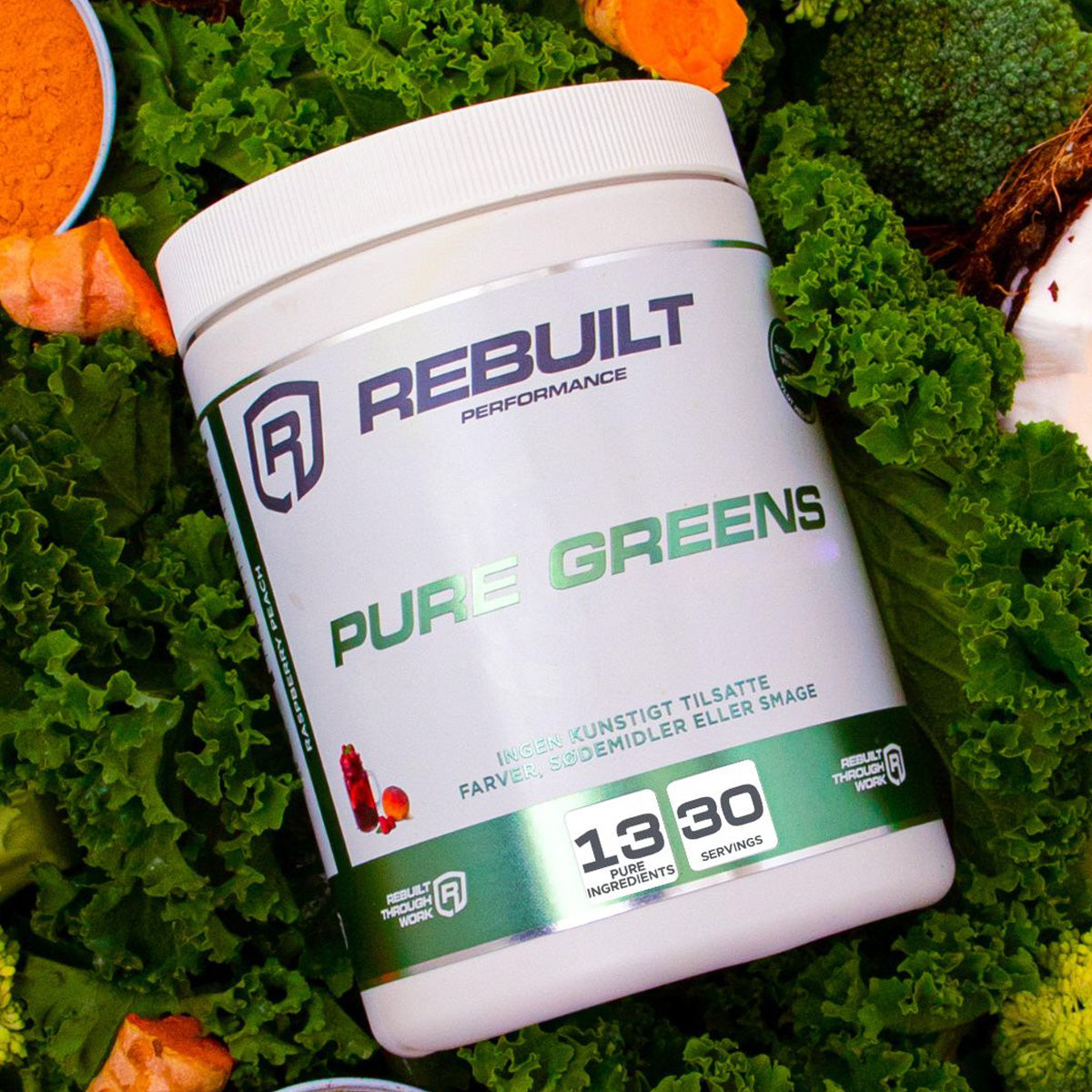
Short answer: Sustained vitality comes from layering simple, evidence-based habits: prioritizing sleep architecture, moving consistently, managing light exposure, staying hydrated, eating protein and fiber at every meal, supporting your microbiome with fermented foods, and filling nutrient gaps with targeted supplementation. Rebuilt's Pure Greens delivers 13 transparent ingredients—including spirulina, chlorella, and adaptogens—designed to support normal energy levels1 and help bridge the gap between intention and execution. One scoop, daily, no complexity.
You know the feeling: alarm rings, coffee pours, willpower depletes by 2 PM, and the evening dissolves into fatigue and Netflix. The cycle repeats. You're not lazy—you're running on a system that wasn't built to sustain you. Modern life drains energy faster than most of us can replenish it, and chasing quick fixes (more caffeine, sugar hits, pre-workout) only borrows from tomorrow's reserves.
This guide gives you seven concrete, research-backed practices that restore vitality at the root. These aren't hacks—they're habits that compound. And because consistency beats complexity, we'll show you exactly how Rebuilt supports each one with transparency, simplicity, and ingredients you can verify.
---
Why Do Most People Struggle With Consistent Energy Throughout the Day?
Energy isn't just about calories—it's about *systems*. Your mitochondria generate ATP (cellular fuel), your circadian rhythm governs hormone release, your gut bacteria produce B vitamins and short-chain fatty acids, and your stress response dictates whether you burn glucose efficiently or dump cortisol into your bloodstream at 3 AM.
When one system falters, the others compensate—until they can't. Poor sleep disrupts insulin sensitivity. Sedentary days blunt mitochondrial biogenesis. Chronic stress depletes magnesium. Nutrient-poor diets starve your microbiome. The result? A energy deficit that no amount of coffee can fix.
The solution isn't one thing. It's a stack of small, deliberate practices that stabilize your foundation. Let's build it.
---
1. Prioritize Sleep Architecture, Not Just Sleep Duration
Eight hours in bed means nothing if you're waking every 90 minutes or skipping deep sleep. Sleep *quality*—specifically the ratio of REM to deep sleep—determines how efficiently your body clears adenosine (the fatigue molecule), consolidates memory, and restores glycogen.
What to do:
- Keep your bedroom cool (65–68°F / 18–20°C)
- Block all light (blackout curtains, tape over LEDs)
- Set a consistent wake time, even weekends
- Avoid screens 60–90 minutes before bed
- Consider magnesium glycinate 1–2 hours before sleep (supports normal relaxation2)
If you're the type who cleans your room and sleeps like a baby, then wakes anxious anyway, you're likely experiencing a cortisol clarity spike your magnesium stores can't settle—read the full breakdown here.
Rebuilt angle: Pure Greens includes spirulina, which in a randomized controlled trial was associated with improved sleep quality and reduced perceived stress levels (PMID: 34107141). One morning scoop won't replace a sleep routine, but it supports the micronutrient foundation your nervous system runs on.
---
2. Move Every Single Day—Even 10 Minutes Counts
Sedentary days don't just waste time—they shut down the movement-activated pathways that prime your body for evening melatonin release. If you sleep better after working out but can't fall asleep on rest days, this is why.
Movement increases mitochondrial density, improves insulin sensitivity, and triggers the release of brain-derived neurotrophic factor (BDNF), which supports cognitive function and mood. You don't need an hour—you need *consistency*.
What to do:
- Walk 10–20 minutes after breakfast and dinner
- Do 5 minutes of bodyweight work (squats, push-ups, planks) when energy dips
- Take the stairs, park farther, stand during calls
- Track steps if it keeps you honest (aim for 7,000–10,000 daily)
A 2010 study on spirulina supplementation found that it reduced exercise-induced oxidative stress and significantly increased time to fatigue in untrained subjects (Kalafati et al., Med Sci Sports Exerc, PMID: 19936191). The mechanism: enhanced antioxidant capacity and improved fat oxidation during moderate-intensity exercise.
---
3. Master Light Exposure: Bright Mornings, Dim Evenings
Your circadian rhythm is a light-driven clock. Bright light in the morning (ideally sunlight) suppresses residual melatonin, spikes cortisol (the good kind—wakefulness), and sets your body's 24-hour timer. Bright light at night does the opposite: it delays melatonin, disrupts deep sleep, and leaves you wired but exhausted.
What to do:
- Get outside within 30 minutes of waking (even overcast daylight is 10x brighter than indoor lighting)
- Sit near a window during your morning coffee or breakfast
- Dim lights after sunset—use warm-toned lamps, not overhead LEDs
- Use blue-light-blocking glasses if you're working late or watching screens
This costs nothing and yields compounding returns: better morning energy, sharper focus, deeper sleep. It's one of the highest-leverage habits you can adopt.
---
4. Eat Protein and Fiber at Every Meal
Blood sugar swings are energy's worst enemy. When you eat refined carbs alone (cereal, toast, pasta), your blood glucose spikes, insulin floods in, and 90 minutes later you're in a hypoglycemic fog reaching for another snack.
Protein and fiber *stabilize* glucose. Protein triggers satiety hormones (GLP-1, PYY) and supports muscle maintenance. Fiber slows digestion, feeds beneficial gut bacteria, and prevents the post-meal crash.
What to do:
- Aim for 20–30g protein per meal (eggs, Greek yogurt, chicken, fish, legumes, tofu)
- Include fiber-rich vegetables, berries, oats, or beans at every meal
- Avoid naked carbs—always pair starch with protein and fat
- If you're managing bloating triggers, start with cooked vegetables and gradually increase raw fiber
If you're using GLP-1 medications, adequate protein and fiber intake becomes even more critical to prevent nutrient deficiencies and maintain lean mass (Mozaffarian et al., 2025, Am J Clin Nutr 122:344).
---
5. Support Your Microbiome With Fermented Foods Daily
Your gut bacteria produce B vitamins, synthesize neurotransmitters (serotonin, dopamine), regulate inflammation, and influence energy metabolism. A diverse microbiome = resilient energy systems. A depleted one = fatigue, brain fog, and poor stress tolerance.
The Stanford Diet Study (Wastyk et al., 2021, Cell 184(16):4137, PMID: 34256014) found that consuming fermented foods daily for 10 weeks significantly increased microbiome diversity and reduced markers of inflammation—even in healthy adults.
What to do:
- Eat 1–2 servings of fermented foods daily: sauerkraut, kimchi, kefir, unsweetened yogurt, kombucha, miso
- Start small if you're not used to them (1–2 tablespoons, then increase)
- Rotate varieties to maximize bacterial diversity
- Pair with prebiotic fiber (onions, garlic, oats, bananas) to feed the good bacteria
Rebuilt angle: Pure Greens includes both spirulina and chlorella—blue-green algae rich in chlorophyll, protein, and micronutrients that support normal digestive function.3 While it's not a probiotic, it complements a fiber- and fermented-food-rich diet by providing plant-based nutrients your gut microbiome can utilize.
---
Shop Pure Greens – 13 Ingredients, Full Transparency
Every ingredient listed. Every dose visible. Every claim backed.
Pure Greens delivers spirulina, chlorella, ashwagandha, matcha, turmeric, ginger, baobab, spinach, kale, broccoli, moringa, peppermint, and stevia in one 11g scoop. Danish-developed, third-party tested, no proprietary blends, no lock-in subscriptions.
Supports normal energy levels,1 digestive comfort,3 and antioxidant defenses.4 Mixes in 20 seconds. Ships free across the US.
---
6. Hydrate Strategically—Electrolytes Matter More Than Volume
Water alone doesn't hydrate you—sodium, potassium, and magnesium do. These electrolytes regulate fluid balance, nerve signaling, and muscle contraction. If you're drinking 3 liters of plain water daily but still feel fatigued and foggy, you're likely diluting your electrolyte stores.
What to do:
- Start your day with 500 ml (16 oz) water + a pinch of sea salt
- Drink 250–500 ml every 2–3 hours, not all at once
- Add electrolytes if you sweat heavily, train hard, or eat low-carb (sodium is flushed faster on low-insulin diets)
- Eat potassium-rich foods: bananas, sweet potatoes, avocados, spinach, beans
Dehydration as small as 2% of body weight impairs cognitive performance, mood, and perceived exertion. You don't need a gallon jug—you need *consistency* and *minerals*.
---
7. Fill Nutrient Gaps With Targeted, Transparent Supplementation
Even the best diet has blind spots. Soil depletion has reduced the mineral content of vegetables by 20–40% over the past 50 years. Stress increases magnesium and B-vitamin turnover. Modern eating patterns often fall short on iodine, vitamin D, omega-3s, and polyphenols.
Supplementation isn't about megadoses—it's about *bridging gaps* your diet can't consistently fill. But transparency matters: proprietary blends, underdosed ingredients, and fillers waste your money and undermine results.
What to do:
- Choose supplements with full ingredient disclosure (no "proprietary blends")
- Prioritize whole-food-based micronutrient sources over synthetic isolates where possible
- Look for third-party testing (heavy metals, microbial contamination)
- Avoid products with 40+ ingredients and "miracle" claims—complexity ≠ efficacy
Why Rebuilt's Pure Greens fits this principle:
Pure Greens contains *exactly 13 ingredients*—no hidden fillers, no inflated counts. Every dose is listed on the label. You can verify every claim. It's not trying to be a multivitamin; it's a daily micronutrient and adaptogen stack designed to support normal energy production,1 digestive comfort,3 and antioxidant status.4
Spirulina has been shown to reduce mental and physical fatigue in a randomized controlled trial (PMID: 26888417). Ashwagandha supports the body's adaptive response to stress.5 Matcha provides L-theanine alongside natural caffeine for sustained focus without jitters.6
Danish-developed. US-shipped. No lock-in. Cancel anytime.
Browse the full Rebuilt collection here.---
How Does Rebuilt Support Energy-Boosting Lifestyle Habits?
Rebuilt was built for people who do the work. You're already prioritizing sleep, moving daily, and eating real food—but you need a product that *supports* that effort without complicating it.
Here's how Pure Greens fits into your energy-boosting routine:
| Habit | How Pure Greens Supports It | |-----------|----------------------------------| | Sleep architecture | Spirulina shown to support sleep quality and reduce perceived stress (PMID: 34107141) | | Daily movement | Spirulina reduces exercise-induced oxidative stress and increases endurance (PMID: 19936191) | | Stable blood sugar | Fiber from baobab, spinach, and kale supports digestive comfort and stable energy3 | | Microbiome diversity | Spirulina and chlorella provide prebiotic-like compounds and chlorophyll to support gut health3 | | Hydration + electrolytes | Mixes easily in water; pair with sea salt for electrolyte balance | | Nutrient gaps | 13 transparent ingredients targeting vitamins, minerals, adaptogens, and polyphenols |
You'll never see us claim Pure Greens is a "miracle" or "detox." It's a *tool*—a daily habit that compounds when layered with the other six practices in this guide.
---
Can You Really Boost Energy Without Stimulants?
Yes—but it requires patience. Caffeine and sugar give you borrowed energy: they stimulate your nervous system *now* and leave you depleted *later*. True vitality comes from *restoring capacity*, not forcing output.
The seven habits in this guide work by:
- Improving mitochondrial efficiency (movement, micronutrients)
- Stabilizing circadian rhythm (light, sleep)
- Reducing systemic stress (adaptogens, fermented foods, blood sugar management)
- Enhancing nutrient status (protein, fiber, targeted supplementation)
This isn't a 3-day fix. It's a 3-month build. But the result is resilient, sustained energy that doesn't crash at 2 PM or require a pre-workout to function.
A note on zinc dosing: You may wonder why some all-in-one supplements contain only 10 mg of zinc when the RDA is higher—this article explains the balance between safety, absorption, and real-world dietary intake.
---
Where to Find the Best Energy-Supporting Supplements at Rebuilt
Rebuilt doesn't sell hype. We sell clarity.
Pure Greens is available at rebuiltperformance.com/en/products/pure-greens. One-time purchase or subscribe-and-save (cancel anytime, no lock-in). Ships free across the US. Third-party tested for heavy metals and microbial purity.
You get:
- 13 ingredients, fully disclosed
- 11g per serving, easy to mix
- Danish-developed formula, US-shipped
- No proprietary blends, no inflated ingredient counts, no BS
If you're layering these seven habits and want a daily stack that *supports* your effort without adding complexity, this is it.
Add Pure Greens to Your Routine---
Frequently Asked Questions
How long does it take to feel more energy from lifestyle changes?
Most people notice improved morning alertness and reduced afternoon crashes within 7–10 days of consistent sleep, hydration, and movement habits. Deeper changes—like improved stress resilience and stable all-day energy—typically emerge after 4–6 weeks as your mitochondria, circadian rhythm, and microbiome adapt.
Can I boost energy if I'm chronically stressed or sleep-deprived?
Yes, but you must address the root causes in parallel. Start with one habit (e.g., 10-minute morning walk + consistent wake time) and layer in others weekly. Adaptogens like ashwagandha may support the body's stress response,5 but no supplement replaces sleep or stress management.
Do I need to take greens powder if I already eat vegetables?
Not necessarily—but most people don't eat 5–7 servings of diverse vegetables daily. Pure Greens provides concentrated micronutrients from 13 whole-food sources (spirulina, chlorella, kale, spinach, broccoli, moringa, baobab, etc.) plus adaptogens that aren't typically found in a standard diet. Think of it as nutritional insurance, not a vegetable replacement.
What's the difference between energy from caffeine and sustained vitality?
Caffeine blocks adenosine receptors, temporarily masking fatigue—but it doesn't restore capacity. Sustained vitality comes from supporting the systems that *generate* energy: mitochondrial function, hormone balance, nutrient status, and circadian alignment. The seven habits in this guide build resilience; caffeine borrows from it.
Can I drink coffee and still have sustained energy?
Absolutely. Coffee (in moderation—1–2 cups before noon) can enhance focus and performance. The problem arises when you *rely* on it to function, consume it all day, or use it to override poor sleep. Pair your morning coffee with protein, get sunlight, and avoid caffeine after 2 PM for best results.
How do I know if my energy issues are nutritional or medical?
If you've implemented these seven habits consistently for 6–8 weeks and still experience severe fatigue, brain fog, or unexplained exhaustion, consult a healthcare provider. Low energy can signal thyroid dysfunction, anemia, vitamin D deficiency, sleep apnea, or other conditions that require medical evaluation. Supplementation supports health—it doesn't diagnose or treat disease.
---
Scientific Claims Overview
- Spirulina supports normal energy levels and reduces mental and physical fatigue (PMID: 26888417; PMID: 19936191)
- Magnesium glycinate supports normal relaxation and nervous system function
- Spirulina, chlorella, and fiber-rich greens support normal digestive comfort and gut health
- Spirulina and matcha provide antioxidants that support the body's defenses against oxidative stress (PMID: 19936191)
- Ashwagandha supports the body's adaptive response to stress
- L-theanine in matcha supports calm, focused alertness when paired with natural caffeine
---
References
- Kalafati M, et al. Ergogenic and antioxidant effects of spirulina supplementation in humans. Med Sci Sports Exerc. 2010;42(1):142-51. PMID: 19936191.
- PMID: 26888417. Spirulina supplementation reduces mental and physical fatigue in a randomized controlled trial.
- PMID: 34107141. Spirulina supplementation improves sleep quality and reduces perceived stress levels in a randomized controlled trial.
- Wastyk HC, et al. Gut-microbiota-targeted diets modulate human immune status. Cell. 2021;184(16):4137-4152.e14. PMID: 34256014.
- Mozaffarian D, et al. Nutrition during GLP-1 receptor agonist treatment: A scientific statement. Am J Clin Nutr. 2025;122:344.
---
These statements have not been evaluated by the Food and Drug Administration. This product is not intended to diagnose, treat, cure, or prevent any disease.

