

Bloated Belly Relief: Natural Strategies for Digestive Comfort
A bloated belly occurs when your digestive system traps excess gas or retains fluid, causing uncomfortable swelling and pressure in your abdomen. This common condition can stem from dietary choices, gut bacteria imbalance, stress, or digestive enzyme deficiency. The good news: natural strategies including dietary adjustments, specific nutrients, and lifestyle changes can help restore digestive comfort and reduce belly bloat without medication.
Belly bloating affects approximately 16-30% of the general population, with women experiencing it more frequently than men. While occasional bloating after large meals is normal, persistent stomach bloating relief requires understanding the underlying triggers and implementing targeted solutions. This article presents seven evidence-based strategies that address the root causes of digestive discomfort rather than merely masking symptoms.
What Causes a Bloated Belly?
Understanding the mechanisms behind belly bloat helps you choose the most effective relief strategies. The primary causes include:
- Gas production: Gut bacteria fermenting undigested carbohydrates release hydrogen, methane, and carbon dioxide
- Fluid retention: High sodium intake and hormonal fluctuations cause tissue swelling
- Digestive enzyme deficiency: Insufficient enzymes leave food particles partially digested, feeding gas-producing bacteria
- Gut bacteria imbalance: Reduced microbiome diversity correlates with increased bloating and digestive symptoms
- Stress response: Cortisol slows gastric emptying and alters gut motility, trapping gas
- Food sensitivities: Lactose, fructose, and certain FODMAPs trigger bloating in sensitive individuals
Research from Stanford University demonstrated that dietary interventions can significantly shift gut bacteria composition within weeks, directly impacting digestive comfort. The Wastyk et al. (2021) study showed that increasing dietary diversity of fermented foods increased gut microbiome diversity by 20% over 10 weeks, with participants reporting improved digestive function.1
7 Natural Strategies to Reduce Belly Bloat
1. Increase Fermented Food Intake for Microbiome Diversity
Fermented foods deliver live beneficial bacteria that support digestive function and may help reduce bloating by improving gut bacteria balance. The Stanford University study found that consuming six servings of fermented foods daily (yogurt, kefir, kombucha, kimchi, sauerkraut) increased microbiome diversity significantly more than high-fiber diets alone.1
Start gradually with one serving daily and increase over 2-3 weeks to minimize initial gas production as your microbiome adapts. Pairing fermented foods with greens that support digestive function can amplify the benefits.
2. Support Digestive Function with Spirulina and Chlorella
Spirulina and chlorella are nutrient-dense algae that support normal digestive function and provide compounds that may influence gut bacteria composition.2,3 Spirulina contains phycocyanin, a protein that supports the body's natural processes, while chlorella provides chlorophyll and supports normal detoxification pathways.
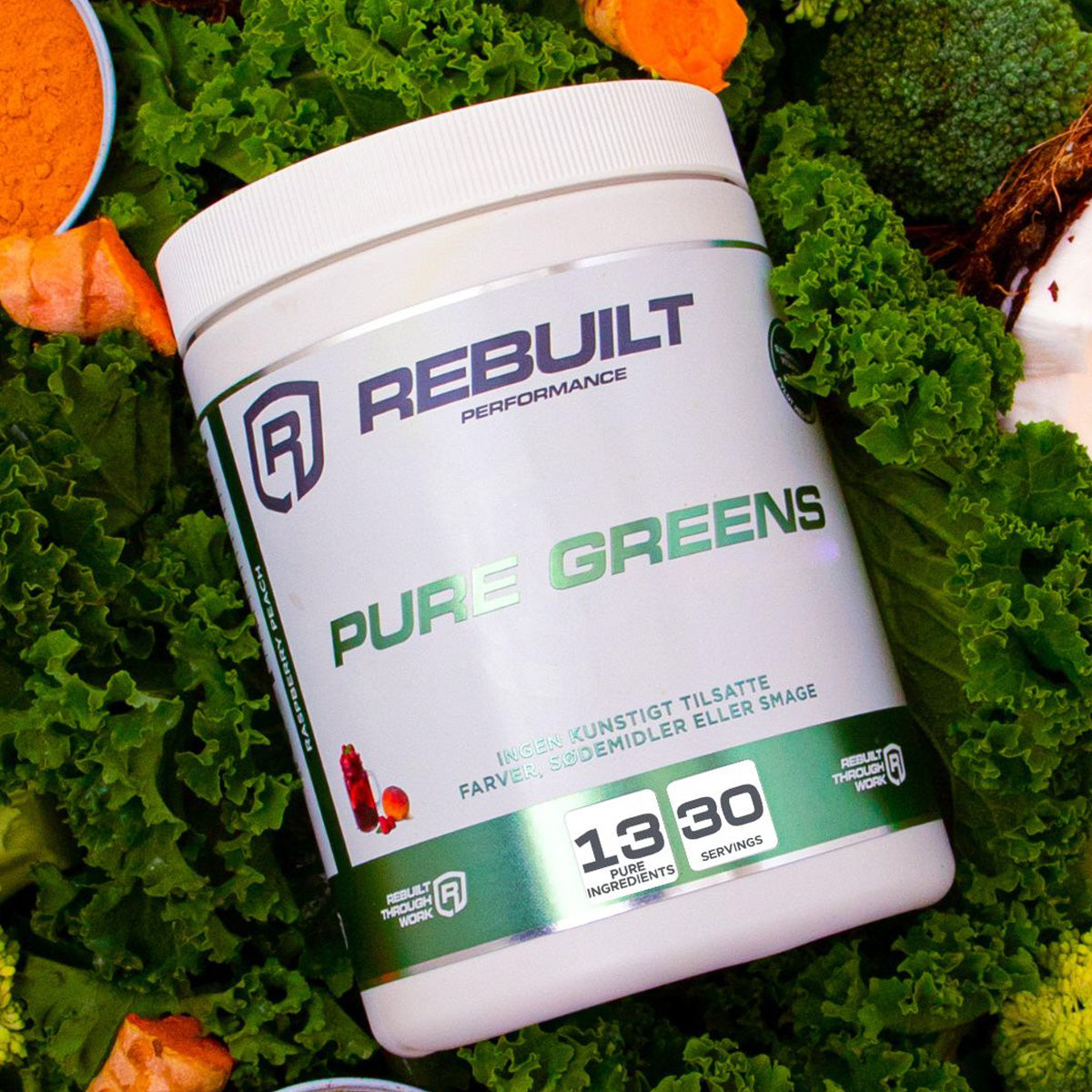
Pure Greens: Transparent Digestive Support
Pure Greens delivers spirulina and chlorella alongside 11 other carefully selected ingredients in every 11g serving—no proprietary blends, no hidden doses. Developed in Denmark with full transparency, Pure Greens supports normal energy levels and digestive function with ingredients you can verify.2,3,4
- 13 ingredients, all doses listed on the label
- 3g spirulina + 1g chlorella per serving
- Subscribe & save 15%, cancel anytime—no lock-in contracts
- Danish-developed formula, US-compliant production
3. Time Your Meals to Optimize Digestive Transit
Eating large meals late in the evening slows gastric emptying and increases overnight bloating. Your digestive system follows circadian rhythms, with enzyme production and gut motility peaking during daylight hours and declining after sunset.
Implement these timing strategies to reduce belly bloat:
- Finish your largest meal at least 3-4 hours before bedtime
- Front-load calories earlier in the day when digestive capacity is highest
- Allow 4-5 hours between meals to complete digestive cycles
- Avoid late-night snacking that restarts digestion when your system is preparing for rest
This approach aligns with your body's natural rhythms, similar to how gut-brain signals from dinner timing affect sleep quality.
4. Manage Stress to Support Normal Gut Motility
Chronic stress triggers cortisol release, which alters gut motility, reduces digestive enzyme secretion, and shifts blood flow away from the digestive tract. This creates the perfect environment for gas accumulation and bloating.
A 2021 randomized controlled trial found that spirulina supplementation improved stress levels and sleep quality in participants, suggesting potential benefits for stress-related digestive symptoms.4 The same stress nutrient depletion that disrupts weekday sleep also compromises digestive function.
Stress management techniques that support digestive comfort include:
- 10-15 minutes of deep breathing exercises before meals to activate parasympathetic response
- Regular physical activity to reduce cortisol and support gut motility
- Adequate sleep (7-9 hours) to maintain normal digestive enzyme production
- Mindful eating without screens or work distractions
5. Identify and Reduce FODMAP Trigger Foods
FODMAPs (Fermentable Oligosaccharides, Disaccharides, Monosaccharides, and Polyols) are short-chain carbohydrates that many people struggle to digest. When gut bacteria ferment these compounds, they produce significant gas.
Common high-FODMAP foods that trigger bloating include:
| Food Category | High-FODMAP Examples | Low-FODMAP Alternatives |
|---|---|---|
| Vegetables | Onions, garlic, cauliflower, mushrooms | Spinach, carrots, zucchini, bell peppers |
| Fruits | Apples, pears, watermelon, cherries | Bananas, blueberries, oranges, grapes |
| Dairy | Milk, yogurt, soft cheese | Lactose-free milk, hard cheese, almond milk |
| Grains | Wheat, rye, barley | Rice, oats, quinoa, sourdough (fermented) |
Rather than eliminating all high-FODMAP foods permanently, use a structured elimination and reintroduction protocol lasting 4-6 weeks to identify your specific triggers. Many people tolerate FODMAPs in smaller portions or when combined with other foods.
6. Stay Hydrated and Balance Electrolytes
Paradoxically, dehydration causes bloating by triggering fluid retention. Your body responds to water scarcity by holding onto every available fluid, creating tissue swelling and a bloated appearance. Additionally, electrolyte imbalances—particularly sodium, potassium, and magnesium—directly influence fluid distribution and digestive motility.
The same electrolyte imbalance that affects nighttime urination can also contribute to daytime bloating and water retention.
Optimize hydration for digestive comfort:
- Drink 8-10 glasses (64-80 oz) of water daily, spread throughout the day
- Reduce sodium intake to 1,500-2,300mg daily to minimize fluid retention
- Increase potassium-rich foods (bananas, sweet potatoes, spinach) to balance sodium
- Consider magnesium-rich greens that support normal muscle function including digestive tract muscles
7. Consider Digestive Enzyme Support During GLP-1 Treatment
GLP-1 receptor agonist medications (used for weight management and blood sugar control) slow gastric emptying as part of their mechanism, which can increase bloating, constipation, and digestive discomfort. A 2022 review noted that constipation and bloating are among the most common side effects, with some patients seeking dietary supplements for digestive support.5
Recent nutrition guidance for individuals using GLP-1 medications emphasizes adequate protein intake, micronutrient sufficiency, and digestive support to minimize side effects.6 Strategies include:
- Smaller, more frequent meals to accommodate slower gastric emptying
- Increased fiber intake gradually (start low, go slow) to support regularity
- Adequate hydration to compensate for reduced food volume
- Nutrient-dense foods and supplements to prevent deficiencies during reduced caloric intake
Digestive Support You Can Verify
Unlike proprietary blends with hidden ingredient doses, Pure Greens lists every one of its 13 ingredients with exact amounts. You know precisely what you're getting:
| Feature | Pure Greens | Typical Proprietary Blends |
|---|---|---|
| Ingredient Count | 13 ingredients | 40-50+ ingredients |
| Dose Transparency | Every ingredient dose listed | "Proprietary blend" total only |
| Subscription Model | Cancel anytime, no lock-in | Often requires commitments |
| Development Origin | Danish-developed formula | Varies |
How Long Does It Take to See Bloating Relief?
The timeline for stomach bloating relief varies based on the underlying cause and the strategies you implement:
- Immediate (within hours): Reducing sodium intake, drinking water, gentle walking to stimulate gut motility
- 3-7 days: Identifying and eliminating specific trigger foods, adjusting meal timing
- 2-4 weeks: Microbiome shifts from increased fermented food intake, stress management benefits
- 4-10 weeks: Significant microbiome diversity improvements, as demonstrated in the Stanford fermented foods study1
Consistency matters more than perfection. Small daily improvements compound over weeks into significant digestive comfort changes.
Can Chronic Fatigue Worsen Digestive Bloating?
Yes, chronic fatigue and digestive bloating often create a reinforcing cycle. When you're exhausted, your body produces higher cortisol levels, which slow digestion and alter gut bacteria composition. Simultaneously, poor digestion reduces nutrient absorption, further contributing to fatigue.
A 2010 study found that spirulina supplementation reduced oxidative stress and increased exercise endurance, suggesting broader metabolic benefits.2 Another randomized controlled trial demonstrated that spirulina reduced both mental and physical fatigue in participants.3
Addressing chronic tiredness through nutrient support often simultaneously improves digestive function, creating positive feedback loops instead of negative ones.
Should You Avoid All Gas-Producing Foods?
No—complete avoidance of gas-producing foods would eliminate many of the most nutrient-dense options available, including cruciferous vegetables, legumes, and whole grains. These foods provide fiber, vitamins, minerals, and compounds that support long-term health.
Instead of elimination, use these strategies:
- Gradual introduction: Slowly increase fiber-rich foods over weeks to allow gut bacteria adaptation
- Portion control: Eat smaller servings of gas-producing foods rather than eliminating them entirely
- Cooking methods: Soaking beans, fermenting grains, and thoroughly cooking vegetables reduces gas-producing compounds
- Strategic timing: Eat gas-producing foods earlier in the day when digestion is most robust
The goal is sustainable digestive comfort, not restrictive eating that creates nutritional deficiencies.
Frequently Asked Questions About Bloated Belly Relief
What relieves bloating fast?
For quick bloating relief, try gentle walking for 10-15 minutes to stimulate gut motility, drink warm water with lemon to support digestion, apply gentle abdominal massage in clockwise circles, or use specific yoga poses like child's pose and seated spinal twists. These strategies work within 30-60 minutes by helping trapped gas move through your digestive system. Avoid carbonated beverages and chewing gum, which introduce additional gas.
Why am I bloated every day even when eating healthy?
Daily bloating despite healthy eating often indicates food sensitivities (particularly to FODMAPs), insufficient digestive enzyme production, gut bacteria imbalance, eating too quickly without proper chewing, chronic stress affecting gut motility, or hormonal fluctuations. Track your meals and symptoms for 2 weeks to identify patterns. Even healthy foods like beans, cruciferous vegetables, and whole grains can cause bloating if your gut bacteria aren't adapted to digest them efficiently.
Can stress really cause stomach bloating?
Yes, stress directly impacts digestion through the gut-brain axis. When stressed, your body releases cortisol and diverts blood flow away from the digestive tract, slowing gastric emptying and reducing digestive enzyme secretion. This creates an environment where food sits longer in your stomach and intestines, allowing more gas production. Chronic stress also alters gut bacteria composition, further contributing to bloating. Stress management techniques can significantly reduce digestive symptoms.4
How much water should I drink to reduce bloating?
Aim for 64-80 ounces (8-10 glasses) of water daily, spread evenly throughout the day. Drinking too much water at once can temporarily worsen bloating, so sip consistently rather than gulping large amounts. Proper hydration prevents your body from retaining fluid (which causes bloating) and keeps digestion moving efficiently. If you're increasing fiber intake, you'll need the higher end of this range to prevent constipation-related bloating.
Do probiotics help with bloating?
Probiotics can help reduce bloating for some people by improving gut bacteria balance, but results vary by individual and bacterial strain. Research shows that fermented foods containing diverse live cultures may be more effective than single-strain supplements. The Stanford study found that six servings of fermented foods daily increased microbiome diversity by 20% over 10 weeks, with participants reporting improved digestive function.1 Start with small amounts and increase gradually to minimize initial gas as your microbiome adjusts.
When should I see a doctor about bloating?
Consult a healthcare provider if you experience bloating accompanied by unexplained weight loss, blood in stool, severe abdominal pain, persistent changes in bowel habits, bloating that progressively worsens over weeks, or bloating that significantly impacts your quality of life despite implementing dietary and lifestyle changes. These symptoms may indicate conditions requiring medical evaluation. Occasional bloating after large meals is normal, but daily severe bloating warrants professional assessment.
Can Pure Greens help with digestive comfort?
Pure Greens contains spirulina and chlorella, which support normal digestive function and provide nutrients that may influence gut bacteria composition.2,3,4 The formula's 13 ingredients include compounds that support the body's natural processes. While Pure Greens supports overall wellness and normal energy levels, it's not a substitute for identifying and addressing specific bloating triggers through dietary modifications. Many users incorporate Pure Greens as part of a comprehensive approach to digestive comfort alongside the strategies outlined in this article.
Building Your Personalized Bloating Relief Plan
Effective bloated belly relief requires understanding your individual triggers and implementing multiple strategies simultaneously. Start with these foundational steps:
- Week 1-2: Keep a detailed food and symptom journal, noting timing, portions, and bloating severity (1-10 scale)
- Week 3-4: Implement meal timing changes and begin stress management practices
- Week 5-6: Gradually introduce fermented foods, starting with one serving daily
- Week 7-8: Consider targeted FODMAP reduction if patterns emerge from your journal
- Ongoing: Maintain hydration, support digestive function with nutrient-dense foods and supplements, and continue stress management
Remember that digestive comfort is highly individual. What works for one person may not work for another. Use this article's strategies as a testing framework, not rigid rules.
The Science Behind Long-Term Digestive Health
Emerging research demonstrates that gut bacteria diversity is fundamental to digestive comfort and overall health. The landmark Stanford study by Wastyk et al. showed that dietary interventions can meaningfully shift microbiome composition within weeks, creating lasting improvements in digestive function.1
Key takeaways from the research:
- Microbiome diversity correlates with reduced bloating and improved digestion
- Fermented foods increase bacterial diversity more effectively than fiber alone
- Changes begin within days but continue developing over 10+ weeks
- Supporting gut bacteria requires consistent dietary patterns, not occasional interventions
This scientific foundation supports the strategies outlined in this article and validates the importance of comprehensive, long-term approaches to digestive health rather than quick-fix solutions.
Your Next Steps for Digestive Comfort
Bloated belly relief is achievable through evidence-based natural strategies that address root causes rather than symptoms alone. By implementing the seven approaches in this article—increasing fermented foods, supporting digestive function with nutrient-dense supplements, optimizing meal timing, managing stress, identifying trigger foods, balancing hydration and electrolytes, and considering specialized support during GLP-1 treatment—you create multiple pathways to lasting digestive comfort.
Start today by choosing one strategy that resonates most with your current situation. Track your progress for two weeks, then add another approach. Small, consistent changes compound into significant improvements in how you feel every day.
Support Your Digestive Journey
Pure Greens offers transparent nutritional support with 13 carefully selected ingredients including spirulina and chlorella that support normal digestive function and energy levels.2,3,4 Every ingredient dose is listed—no proprietary blends, no hidden amounts. Danish-developed, US-compliant, and available with flexible subscription options (cancel anytime, no lock-in).
Claims Overview
- Wastyk et al. (2021) Cell 184(16):4137-4153 PMID:34256014 — fermented foods increase microbiome diversity
- Kalafati et al. (2010) Med Sci Sports Exerc 42(1):142-151 PMID:19936191 — spirulina reduces oxidative stress and increases endurance
- PMID:26888417 — spirulina reduces mental and physical fatigue (randomized controlled trial)
- PMID:34107141 — spirulina improved sleep quality and stress levels (randomized controlled trial)
- PMC9821052 — GLP-1 side effects including constipation and bloating; dietary supplements for support
- Mozaffarian et al. (2025) Am J Clin Nutr 122:344 — nutrition guidance during GLP-1 treatment
References
- Wastyk HC, Fragiadakis GK, Perelman D, et al. Gut-microbiota-targeted diets modulate human immune status. Cell. 2021;184(16):4137-4153. PMID:34256014
- Kalafati M, Jamurtas AZ, Nikolaidis MG, et al. Ergogenic and antioxidant effects of spirulina supplementation in humans. Med Sci Sports Exerc. 2010;42(1):142-151. PMID:19936191
- Effects of spirulina supplementation on mental and physical fatigue. PMID:26888417
- Effects of spirulina on sleep quality and stress levels. PMID:34107141
- GLP-1 receptor agonists: side effects and dietary supplement use. PMC9821052
- Mozaffarian D, et al. Nutrition considerations for GLP-1 receptor agonist treatment. Am J Clin Nutr. 2025;122:344
FDA Disclaimer: These statements have not been evaluated by the Food and Drug Administration. This product is not intended to diagnose, treat, cure, or prevent any disease.

