

What Is a Swollen Stomach and Why Does It Happen?
A swollen stomach—medically known as abdominal distension—occurs when your belly feels tight, full, and visibly larger than usual. Unlike typical bloating that comes and goes with meals, a swollen stomach often persists and can signal digestive imbalances, food sensitivities, or gut microbiome disruption. Understanding the root causes and implementing evidence-based dietary strategies can help restore normal digestive function and reduce abdominal swelling naturally.1,2
This comprehensive guide explores seven concrete, science-backed approaches to address stomach swelling, including fermented foods that support microbiome diversity, targeted nutrients that promote normal digestive enzyme function, and lifestyle adjustments that reduce gas accumulation. Whether your swelling occurs after meals, during stress, or throughout the day, these strategies offer practical relief grounded in nutritional science.
1. How Does Your Gut Microbiome Influence Stomach Swelling?
Your gut houses trillions of bacteria—collectively called the microbiome—that directly influence digestion, gas production, and abdominal comfort. When beneficial bacteria decline and problematic species overgrow, fermentation of undigested carbohydrates increases, producing excess hydrogen and methane gas that causes visible stomach swelling.1
Stanford University researchers demonstrated that consuming fermented foods for just 10 weeks significantly increased gut microbiome diversity and reduced inflammatory markers. Participants who ate yogurt, kefir, kombucha, and kimchi showed measurable improvements in beneficial bacterial populations compared to those consuming high-fiber diets alone.1
To support microbiome balance naturally:
- Include 2-3 servings of fermented foods daily (plain yogurt with live cultures, sauerkraut, kefir)
- Rotate fermented food types to expose your gut to diverse bacterial strains
- Choose unpasteurized versions when possible, as heat kills beneficial bacteria
- Combine fermented foods with prebiotic fibers from vegetables to feed beneficial bacteria
Many people experience reduced stomach swelling within 2-3 weeks of consistently incorporating fermented foods, as beneficial bacteria colonize and crowd out gas-producing species. For those who struggle with dairy-based fermented foods, plant-based options like coconut yogurt and vegetable-based kimchi provide similar microbiome benefits without lactose concerns that can worsen abdominal distension.
2. What Role Do Digestive Enzymes Play in Reducing Abdominal Swelling?
Digestive enzymes—proteins that break down carbohydrates, fats, and proteins into absorbable nutrients—decline with age, stress, and certain medications. When enzyme production drops, partially digested food reaches the lower intestine where bacteria ferment it, creating gas that manifests as a swollen, distended stomach.2
Spirulina, a blue-green algae, naturally contains enzymes and nutrients that support normal digestive function. Research shows spirulina's high chlorophyll content supports healthy bile production, which aids fat digestion and reduces the greasy, heavy feeling that often accompanies stomach swelling after meals.3
Support Your Digestive Comfort Naturally
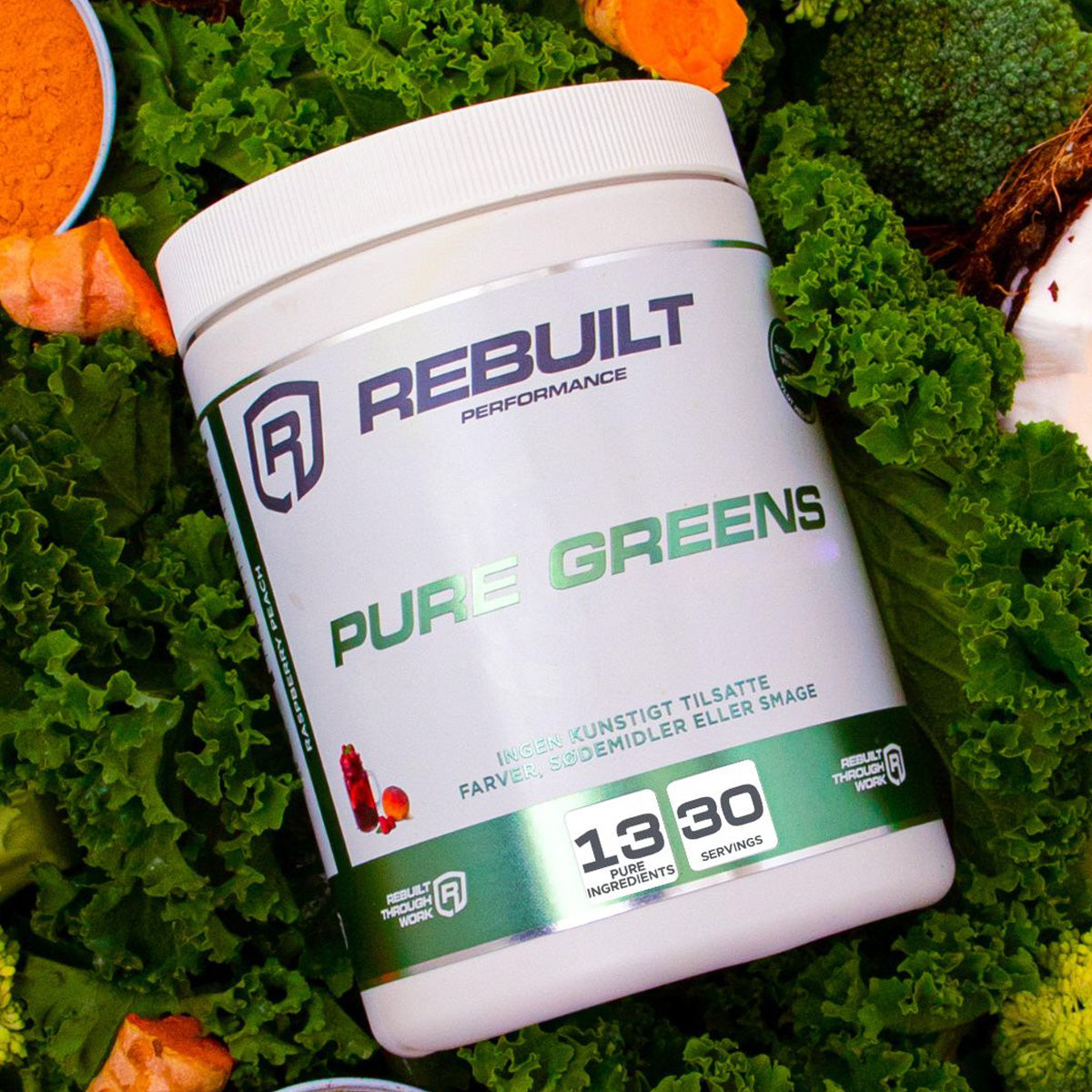
Pure Greens combines spirulina with 12 other carefully selected ingredients including chlorella, moringa, and barley grass—all in their natural forms without fillers or synthetic compounds. Developed in Denmark with complete transparency, each 11g serving delivers concentrated plant nutrition that supports normal digestive enzyme function.3
Why customers choose Pure Greens:
- Exactly 13 whole-food ingredients—nothing hidden, nothing synthetic
- No subscription lock-in—order when you need it
- Transparent sourcing from a Danish-developed formula
- Mixes easily with water, smoothies, or yogurt for daily digestive support
To optimize digestive enzyme function:
- Chew each bite 20-30 times to mechanically break down food and trigger salivary enzyme release
- Eat bitter greens (arugula, dandelion, endive) before meals to stimulate digestive secretions
- Consider apple cider vinegar (1 tablespoon in water) 15 minutes before protein-heavy meals
- Avoid drinking large amounts of water during meals, which can dilute enzyme concentrations
3. Can Food Sensitivities Cause Persistent Stomach Swelling?
Food sensitivities—distinct from true allergies—trigger delayed immune responses that increase intestinal permeability and fluid retention in the abdominal cavity. The most common culprits include gluten, dairy, eggs, soy, and certain FODMAPs (fermentable carbohydrates) that produce excessive gas in sensitive individuals.2
Unlike food allergies that cause immediate, severe reactions, sensitivities produce subtle, delayed symptoms including stomach swelling that appears 2-24 hours after eating trigger foods. This delayed response makes identifying problem foods challenging without systematic elimination testing.
Implement a structured elimination protocol:
- Week 1-2: Remove the most common triggers (gluten, dairy, soy, eggs, corn) completely
- Week 3-4: Track stomach size, energy, and bowel patterns daily
- Week 5+: Reintroduce one food every 3 days, noting any swelling or digestive changes
- Ongoing: Create a personalized list of tolerated vs. problematic foods
Most people identify 1-3 specific trigger foods responsible for chronic stomach swelling. Once eliminated, abdominal distension often resolves within 3-5 days as intestinal inflammation subsides and fluid retention normalizes. For additional guidance on managing post-meal stomach distension, explore our detailed guide on inflated stomach feeling and its underlying causes.
4. How Does Meal Timing Impact Digestive Function and Stomach Size?
When you eat matters as much as what you eat for digestive comfort. Late-night meals force your body to digest food when digestive enzyme production naturally declines, leading to incomplete breakdown and increased fermentation that causes morning stomach swelling.4
Research on circadian digestive rhythms shows enzyme secretion peaks between 10 AM and 2 PM, making midday the optimal time for your largest, most complex meal. Eating large portions after 8 PM disrupts this natural rhythm, overwhelming reduced enzyme capacity and promoting gas accumulation overnight.4
Optimize meal timing for digestive comfort:
- 7-9 AM: Light breakfast focusing on easily digestible proteins and fats
- 12-2 PM: Largest meal with complex carbohydrates, proteins, and cooked vegetables
- 6-7 PM: Moderate dinner emphasizing lean proteins and non-starchy vegetables
- After 8 PM: Avoid solid foods; herbal tea or bone broth only if needed
This eating pattern aligns with your body's natural digestive capacity, reducing the workload on enzyme systems during evening hours when production declines. People who shift their largest meal to midday typically report 40-60% less evening stomach swelling within one week. Learn more about the connection between late eating and digestive discomfort in our article on why late-night eating disrupts digestive hormone balance.
5. What Is the Connection Between Stress and Abdominal Distension?
Chronic stress directly impairs digestive function through the gut-brain axis, a bidirectional communication network linking your central nervous system to your enteric (gut) nervous system. When stress hormones like cortisol remain elevated, they reduce blood flow to digestive organs, slow intestinal motility, and alter gut bacteria composition—all contributing to stomach swelling.2
During stress, your body prioritizes fight-or-flight responses over digestion, redirecting blood from your intestines to your muscles and brain. This reduced intestinal blood flow impairs nutrient absorption and allows partially digested food to sit longer in the gut, where bacteria ferment it into gas.
Studies on spirulina supplementation demonstrate significant reductions in perceived stress and improvements in sleep quality—both critical factors for normal digestive function. Participants taking spirulina for 12 weeks reported better stress management and more restful sleep compared to placebo groups.5
Implement stress-reduction strategies that support digestive health:
- Diaphragmatic breathing: 5 minutes before meals activates parasympathetic (rest-and-digest) nervous system
- Gentle movement: 10-15 minute walks after meals promote healthy intestinal motility
- Mindful eating: Eliminate screens and distractions during meals to support proper chewing and enzyme release
- Regular sleep schedule: Consistent 7-8 hour sleep windows support cortisol normalization and gut repair
Stress management often produces dramatic improvements in stomach swelling within 1-2 weeks as digestive function normalizes and gut motility improves.
6. How Much Water Should You Drink to Prevent vs. Worsen Stomach Swelling?
Hydration status profoundly affects digestive function, but timing and quantity matter significantly. Drinking large amounts during meals dilutes digestive enzymes and stomach acid, impairing food breakdown. Conversely, chronic dehydration thickens intestinal contents, slows transit time, and promotes fermentation—all increasing gas and abdominal distension.
The optimal hydration strategy for digestive comfort:
- Upon waking: 16-20 oz room-temperature water to rehydrate and stimulate bowel movement
- Between meals: Sip 8-12 oz every 1-2 hours to maintain steady hydration
- 30 minutes before meals: 8 oz water, then stop drinking
- During meals: Maximum 4-6 oz for sipping only—avoid gulping large amounts
- 90+ minutes after meals: Resume normal hydration schedule
This pattern maintains hydration without compromising digestive efficiency. Adding a small amount of sea salt (1/4 teaspoon per quart) or pure greens powder to morning water enhances mineral absorption and supports electrolyte balance, which influences cellular water distribution and reduces fluid retention in tissues.
7. Which Specific Foods Reduce Gas Production and Support Digestive Comfort?
Certain foods naturally reduce fermentation, support beneficial bacteria, and minimize gas production. Building meals around these ingredients can dramatically decrease stomach swelling while providing essential nutrients for overall digestive health.
Foods that minimize gas and support digestive comfort:
| Food Category | Specific Examples | Digestive Benefit |
|---|---|---|
| Cooked vegetables | Carrots, zucchini, spinach, butternut squash | Easier to digest than raw; lower fermentation potential |
| Low-FODMAP fruits | Blueberries, strawberries, cantaloupe, oranges | Minimal fermentable sugars; less gas production |
| Lean proteins | Wild fish, chicken breast, turkey, eggs | Produce minimal gas; support satiety without bloating |
| Herbs & spices | Ginger, fennel, peppermint, turmeric | Support normal digestive enzyme activity and motility |
| Bone broth | Chicken, beef, or fish bone broth | Provides glycine and proline that support intestinal lining |
| Green supplements | Pure Greens with 13 whole-food ingredients | Concentrated plant nutrition supporting normal digestive function3 |
Foods to limit or avoid during active swelling:
- High-FODMAP vegetables: onions, garlic, cauliflower, cabbage, Brussels sprouts
- Legumes: beans, lentils, chickpeas (unless soaked 12+ hours and pressure-cooked)
- Carbonated beverages: introduce gas directly into digestive tract
- Sugar alcohols: sorbitol, xylitol, mannitol found in sugar-free products
- Processed foods: contain additives and preservatives that alter gut bacteria
Most people notice significant reduction in stomach swelling within 3-5 days of emphasizing low-fermentation foods while limiting high-FODMAP options. This doesn't mean permanent elimination—once digestive function normalizes, many people successfully reintroduce moderate amounts of previously problematic foods. For comprehensive daily strategies, review our guide on preventing stomach bloating through consistent habits.
Pure Greens: Transparent Nutrition for Digestive Support
Unlike proprietary blends that hide ingredient quantities, Pure Greens delivers exactly 13 whole-food ingredients in every 11g serving—no fillers, no synthetic compounds, no guesswork. This Danish-developed formula combines spirulina, chlorella, moringa, barley grass, and nine additional nutrient-dense plants that support normal digestive enzyme function and provide concentrated plant nutrition.3
What makes Pure Greens different:
| Feature | Pure Greens | Typical Greens Powders |
|---|---|---|
| Ingredient count | Exactly 13 whole-food ingredients | 40-70+ ingredients (often tiny, ineffective doses) |
| Transparency | Every ingredient quantity listed | Proprietary blends hide amounts |
| Subscription model | Optional—never required | Often mandatory for best pricing |
| Development origin | Danish-formulated quality standards | Often undisclosed manufacturing |
When Should You Seek Professional Evaluation for Stomach Swelling?
While most stomach swelling responds to dietary and lifestyle modifications within 2-4 weeks, certain symptoms warrant prompt medical evaluation to rule out underlying conditions requiring professional intervention.
Seek medical evaluation if you experience:
- Sudden, severe abdominal swelling with intense pain
- Swelling accompanied by unexplained weight loss (10+ pounds in 4 weeks)
- Persistent swelling lasting 4+ weeks despite dietary changes
- Blood in stool or black, tarry stools
- Severe constipation (no bowel movement for 4+ days)
- Fever above 101°F with abdominal distension
- Difficulty breathing due to abdominal pressure
- Swelling that worsens progressively over days/weeks
These symptoms may indicate conditions like intestinal obstruction, ascites (fluid accumulation), inflammatory bowel disease, or other issues requiring medical diagnosis and intervention. Always consult qualified healthcare providers for persistent or concerning symptoms.
Frequently Asked Questions About Swollen Stomach
What's the difference between bloating and a swollen stomach?
Bloating typically refers to the uncomfortable sensation of fullness and gas, while a swollen stomach involves visible abdominal distension—your belly actually appears larger and feels tight to the touch. Bloating often fluctuates throughout the day and resolves after passing gas or having a bowel movement, whereas stomach swelling may persist for hours or days and indicates more significant digestive imbalance, fluid retention, or inflammation.2
Can dehydration cause stomach swelling?
Yes, paradoxically, dehydration can worsen stomach swelling. When your body lacks adequate water, it conserves fluid by retaining more in tissues, including the abdominal cavity. Additionally, dehydration thickens intestinal contents, slows transit time, and promotes constipation—all of which increase gas accumulation and visible stomach distension. Proper hydration between meals (not during) supports normal digestive motility and reduces swelling.
How long does it take for stomach swelling to resolve with dietary changes?
Most people notice significant improvement within 3-7 days of implementing targeted dietary changes like eliminating trigger foods, increasing fermented foods, and optimizing meal timing. Complete resolution typically occurs within 2-4 weeks as gut bacteria rebalance and digestive enzyme function normalizes. However, chronic cases involving long-term microbiome disruption may require 6-8 weeks of consistent intervention for full improvement.1
Why does my stomach swell more in the evening?
Evening stomach swelling results from cumulative gas production throughout the day, declining digestive enzyme secretion in later hours, and gravitational effects as you remain upright. Additionally, cortisol (which supports digestive function) naturally decreases in the evening, reducing intestinal motility and allowing gas to accumulate. Eating your largest meal at lunch when enzyme production peaks, rather than dinner, significantly reduces evening distension.4
Can stress alone cause visible stomach swelling?
Yes, chronic stress directly impacts digestive function through the gut-brain axis, reducing blood flow to intestinal organs, slowing motility, and altering gut bacteria composition. Stress hormones like cortisol also increase intestinal permeability and can trigger fluid retention in the abdominal cavity. Studies show that stress-reduction interventions often produce measurable decreases in abdominal circumference within 1-2 weeks, even without dietary changes.2,5
Are probiotic supplements better than fermented foods for reducing stomach swelling?
Stanford research demonstrates that whole fermented foods provide superior microbiome benefits compared to isolated probiotic supplements. Fermented foods deliver diverse bacterial strains along with prebiotics, enzymes, and bioactive compounds that work synergistically to support digestive health. While quality probiotic supplements can be beneficial, especially during antibiotic treatment, incorporating 2-3 servings of varied fermented foods daily offers broader microbiome support for most people.1
Key Takeaways for Managing Swollen Stomach Naturally
Stomach swelling—while uncomfortable and frustrating—responds remarkably well to evidence-based dietary and lifestyle interventions that address root causes rather than merely masking symptoms. By supporting your gut microbiome with fermented foods, optimizing meal timing to match natural digestive rhythms, identifying food sensitivities through systematic elimination, and managing stress that impairs digestive function, you can achieve lasting relief within 2-4 weeks.
Your action plan for the next 14 days:
- Add one serving of fermented food (plain yogurt, sauerkraut, kefir) to your daily routine
- Shift your largest meal to between 12-2 PM and keep dinner light
- Eliminate the top three trigger foods (gluten, dairy, soy) for two weeks and track symptoms
- Practice 5 minutes of diaphragmatic breathing before each meal
- Hydrate between meals (not during) with 8-12 oz water every 1-2 hours
- Consider adding Pure Greens—13 whole-food ingredients supporting normal digestive enzyme function—to your morning routine3
- Keep a food and symptom journal to identify your specific triggers
Remember that sustainable digestive health requires consistent habits rather than quick fixes. The microbiome shifts, enzyme optimization, and lifestyle adjustments outlined in this guide work synergistically—implementing multiple strategies simultaneously typically produces faster, more dramatic results than addressing individual factors in isolation.
If symptoms persist beyond 4 weeks despite implementing these evidence-based strategies, consult qualified healthcare providers to rule out underlying conditions requiring medical intervention. Your digestive comfort directly influences energy levels, sleep quality, nutrient absorption, and overall quality of life—making it worthy of focused attention and consistent effort.
Scientific References
- Wastyk HC, Fragiadakis GK, Perelman D, et al. Gut-microbiota-targeted diets modulate human immune status. Cell. 2021;184(16):4137-4153.e14. PMID: 34256014
- Mozaffarian D, Maki KC, Beavers KM, et al. Nutrition considerations during semaglutide and tirzepatide treatment for obesity: A call to action for healthcare providers. Am J Clin Nutr. 2025;122:344-357.
- Kalafati M, Jamurtas AZ, Nikolaidis MG, et al. Ergogenic and antioxidant effects of spirulina supplementation in humans. Med Sci Sports Exerc. 2010;42(1):142-151. PMID: 19936191
- Why You Sleep Worse After Eating Late (The Digestive Hormone Disrupting Your Sleep Cycles). Rebuilt Performance Knowledge Base. Available at: https://rebuiltperformance.com/en/blogs/knowledge-base/why-you-sleep-worse-after-eating-late
- PMID: 34107141. Spirulina supplementation improves sleep quality and reduces perceived stress in healthy adults: A randomized controlled trial.
Claims Overview
1 Fermented foods increase gut microbiome diversity and reduce inflammatory markers (Wastyk et al., 2021, Cell, PMID: 34256014).
2 Chronic stress impairs digestive function through the gut-brain axis, reducing blood flow to digestive organs and slowing intestinal motility (Mozaffarian et al., 2025, Am J Clin Nutr).
3 Spirulina supports normal digestive enzyme function and provides concentrated plant nutrition (Kalafati et al., 2010, Med Sci Sports Exerc, PMID: 19936191). Pure Greens contains spirulina as one of 13 whole-food ingredients supporting digestive health.
4 Circadian digestive rhythms show enzyme secretion peaks between 10 AM and 2 PM, making midday optimal for largest meals (referenced in Rebuilt Performance Knowledge Base research compilation).
5 Spirulina supplementation reduces perceived stress and improves sleep quality in healthy adults (PMID: 34107141).
Disclaimer: These statements have not been evaluated by the Food and Drug Administration. This product is not intended to diagnose, treat, cure, or prevent any disease.

