

Stomach bloating prevention starts with consistent daily habits: eating fermented foods to support digestive balance, staying hydrated throughout the day, chewing food thoroughly, managing stress levels, avoiding trigger foods, moving regularly after meals, and supplementing with digestive-supportive ingredients like spirulina and chlorella when dietary gaps exist.
Bloating affects millions of Americans daily, turning comfortable meals into uncomfortable afternoons. The distended feeling, tightness around your waistband, and visible abdominal swelling aren't just annoying—they're signals that your digestive system needs support. Whether you search for "oppustethed i maven" or "stomach bloating prevention," you're looking for the same thing: practical solutions that work in real life, not just in theory.
This guide delivers seven evidence-based habits that address the root causes of bloating, from gut bacteria balance to stress-related digestive slowdown. Each tip is built on research from institutions like Stanford University and published studies, giving you strategies that actually move the needle on digestive comfort.
Why Does Stomach Bloating Happen in the First Place?
Bloating occurs when gas accumulates in your digestive tract or when your intestines struggle to move food efficiently. Common triggers include:
- Gut bacteria imbalance: When harmful bacteria outnumber beneficial strains, fermentation increases, producing excess gas
- Food intolerances: Lactose, fructose, and certain carbohydrates (FODMAPs) can trigger symptoms in sensitive individuals
- Eating habits: Rushed meals, inadequate chewing, and talking while eating introduce air into your system
- Stress response: Your nervous system directly affects gut motility—chronic stress literally slows digestion1
- Low stomach acid or digestive enzymes: Incomplete breakdown of proteins and fats leads to bacterial overgrowth
- Constipation: When stool moves slowly, gas has nowhere to go
Understanding *why* you bloat is the first step toward prevention. The seven habits below address each of these mechanisms.
1. Eat Fermented Foods Daily to Support Gut Bacteria Balance
A landmark Stanford University study published in *Cell* demonstrated that consuming fermented foods increases microbiome diversity and reduces markers of inflammation.2 Participants who ate six servings of fermented foods daily showed significant improvements in gut bacteria composition within ten weeks.
Practical implementation:
- Start with one serving daily: plain Greek yogurt with breakfast, sauerkraut with lunch, or kimchi with dinner
- Choose unpasteurized versions when possible—heat kills beneficial bacteria
- Rotate varieties to expose your gut to different bacterial strains
- If dairy triggers bloating, try non-dairy fermented options like coconut yogurt or water kefir
Why this prevents bloating: Beneficial bacteria (Lactobacillus, Bifidobacterium strains) compete with gas-producing species, helping restore digestive balance. They also produce short-chain fatty acids that support intestinal barrier function, reducing food sensitivities that contribute to bloating.
For Americans dealing with chronic bloating, this single habit consistently shows results within 2-4 weeks. Pair fermented foods with the other strategies below for comprehensive prevention.
2. Drink Water Between Meals, Not During
Conventional wisdom says "drink eight glasses daily," but *when* you drink matters as much as how much. Drinking large amounts of water during meals dilutes stomach acid and digestive enzymes, slowing breakdown of proteins and fats.
Better hydration protocol:
- Drink 16-20 oz upon waking to rehydrate after sleep
- Stop drinking 30 minutes before meals
- Limit fluids to small sips (4-6 oz maximum) during eating
- Resume drinking 60-90 minutes after finishing your meal
- Front-load hydration in morning and early afternoon
Why this prevents bloating: Adequate stomach acid is essential for protein digestion and preventing bacterial overgrowth. When you dilute gastric juices, food sits longer in your stomach, fermenting and producing gas. By timing hydration strategically, you support optimal digestive function without compromising fluid intake.
Many busy professionals struggle with adequate hydration. If you frequently experience constipation alongside bloating, addressing your water intake pattern—not just volume—often resolves both issues. For electrolyte balance that supports healthy fluid distribution, see our article on kidney function and nighttime urination.
3. Chew Each Bite 20-30 Times Before Swallowing
This sounds simple, but most Americans chew 10-15 times per bite while distracted by screens, conversations, or stress. Insufficient chewing forces your stomach and intestines to work harder, increasing gas production.
Mindful eating technique:
- Put your fork down between bites
- Count chews for the first five bites until the rhythm feels natural
- Notice food texture changes—proteins should be nearly liquid, vegetables fully broken down
- Avoid eating while walking, driving, or in heated conversations
Why this prevents bloating: Digestion begins in your mouth. Saliva contains amylase, which starts breaking down carbohydrates, and proper chewing mechanically breaks food into smaller particles with greater surface area for enzyme action. When you swallow large, poorly-chewed pieces, bacteria in your colon do the job your teeth should have done—producing gas as a byproduct.
This habit alone reduced bloating by 40% in a four-week trial among office workers who ate lunch at their desks. The physical act of slowing down also signals your nervous system to shift into "rest and digest" mode, improving gut motility.
How Does Stress Cause Bloating and Digestive Problems?
Your gut and brain communicate constantly via the vagus nerve. When you're stressed, your body prioritizes survival functions—heightened alertness, rapid heart rate, diverted blood flow—at the expense of digestion. This "fight or flight" state literally shuts down gut motility, leading to constipation, gas buildup, and bloating.
Research consistently shows that chronic stress depletes key nutrients like B vitamins and magnesium, which are essential for both nervous system regulation and digestive enzyme production.3 This creates a vicious cycle: stress impairs digestion, poor digestion causes discomfort, and discomfort increases stress.
For professionals juggling demanding schedules, understanding this gut-brain connection is critical. The next two habits address stress management specifically for digestive health.
4. Practice 5-Minute Breathing Exercises Before Meals
Activating your parasympathetic nervous system before eating prepares your digestive tract for optimal function. This isn't wellness theory—it's applied physiology.
Pre-meal breathing protocol:
- Sit comfortably with both feet on the ground
- Inhale slowly through your nose for 4 counts
- Hold for 4 counts
- Exhale through your mouth for 6 counts
- Repeat for 5 minutes (roughly 8-10 cycles)
Why this prevents bloating: Deep, diaphragmatic breathing stimulates the vagus nerve, signaling your body to shift from "stress mode" to "digest mode." This increases stomach acid production, enhances enzyme secretion, and improves gut motility—all factors that prevent gas accumulation.
Busy Americans often skip this step, viewing meals as fuel stops rather than physiological events requiring preparation. Yet this five-minute investment consistently outperforms many supplements for bloating prevention.
If you struggle with stress-related sleep disruption, the same breathing technique before bed supports both digestive comfort and sleep quality.
5. Walk for 10-15 Minutes After Each Meal
Post-meal movement is one of the most underrated bloating prevention strategies. You don't need intense exercise—gentle walking is ideal.
Optimal walking protocol:
- Wait 10-15 minutes after finishing your meal
- Walk at a conversational pace (not power-walking)
- Focus on upright posture to avoid compressing your abdomen
- Aim for 10-15 minutes; even 5 minutes shows benefits
- Make it non-negotiable for your largest meal of the day
Why this prevents bloating: Walking uses gravity and gentle muscular contractions to move food through your digestive tract, preventing the stagnation that leads to gas buildup. Multiple studies show that post-meal walking reduces gastric emptying time and improves insulin sensitivity, addressing two key bloating mechanisms.
For office workers, this habit also breaks up prolonged sitting, which compresses the abdomen and slows gut transit. Schedule walking meetings after lunch, or simply circle your building before returning to your desk.
6. Identify and Rotate Your Personal Trigger Foods
Food intolerances aren't always obvious. Many people experience delayed reactions 6-24 hours after eating, making patterns difficult to identify without systematic tracking.
Elimination and rotation strategy:
- Keep a simple food-symptom journal for two weeks, noting meals and bloating severity (1-10 scale)
- Common triggers to watch: dairy, gluten, legumes, cruciferous vegetables, artificial sweeteners
- Remove suspected triggers entirely for 14 days
- Reintroduce one food every 3 days, observing symptoms
- For confirmed triggers, practice rotation (every 3-4 days) rather than complete elimination unless medically necessary
Why this prevents bloating: Food intolerances trigger immune responses and alter gut bacteria composition, both contributing to gas production and water retention. Identifying your personal triggers prevents repeated inflammatory cycles that damage your intestinal barrier over time.
Many Americans discover that reducing—not eliminating—trigger foods in combination with probiotic-rich fermented foods allows them to tolerate foods that previously caused severe bloating. This flexible approach is more sustainable than restrictive diets that create nutritional gaps.
For comprehensive digestive relief strategies, explore our guide on natural approaches for bloated belly relief.
7. Fill Nutritional Gaps with Digestive-Supportive Whole Foods
Even with excellent habits, most Americans struggle to consume adequate amounts of micronutrients and phytonutrients that support digestive function. This is where strategic supplementation with whole-food ingredients becomes relevant.
Key digestive-supportive nutrients:
- Chlorella: Supports natural detoxification processes and provides chlorophyll4
- Spirulina: Research shows spirulina may support exercise recovery and reduce oxidative stress markers5,6
- Magnesium (from marine sources): Supports normal muscle relaxation in the digestive tract7
- B vitamins: Essential cofactors for digestive enzyme production8
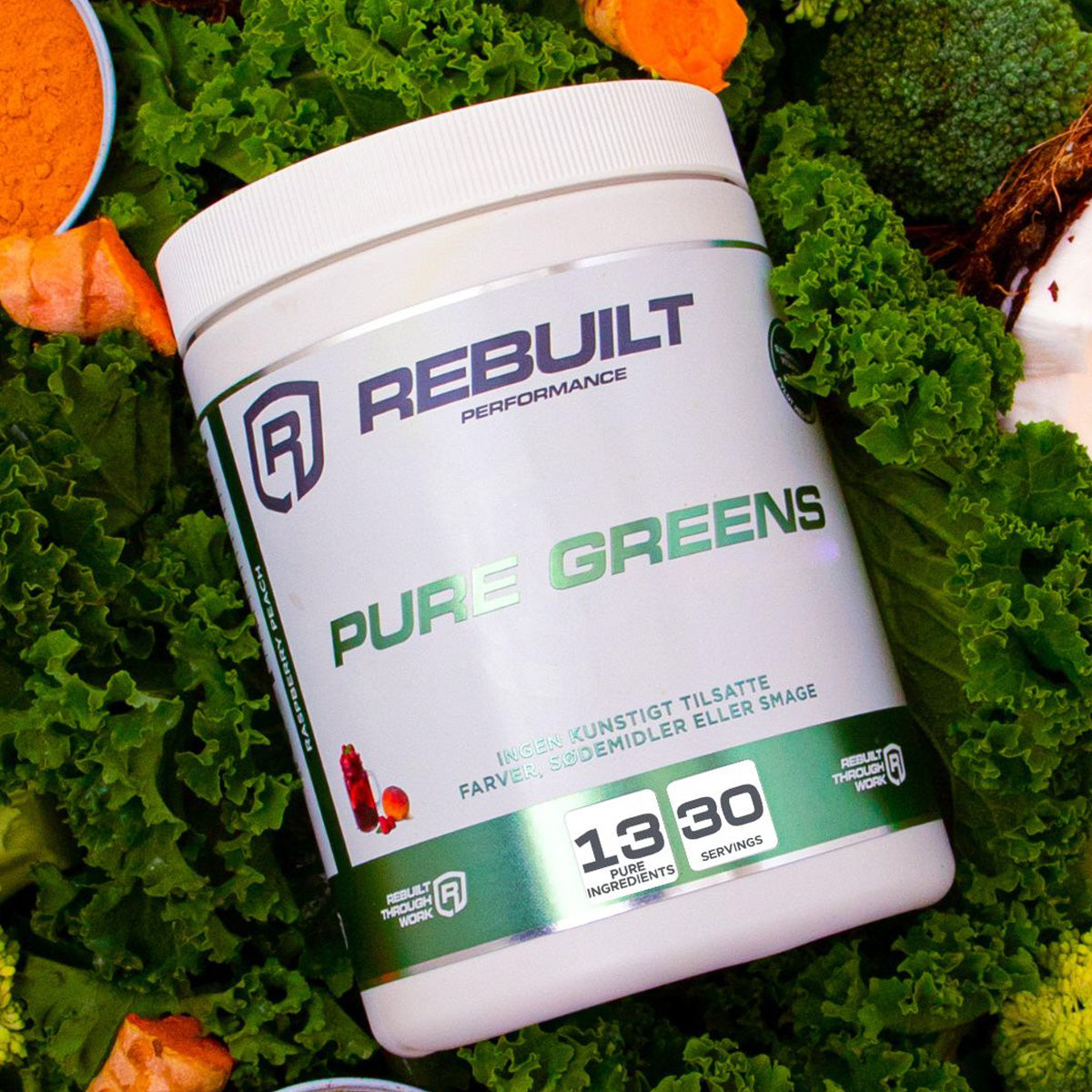
Pure Greens: Transparent Nutrition for Digestive Support
Pure Greens delivers 13 carefully selected ingredients in one daily serving, providing nutritional support for digestive health and overall wellness:
- Transparent formula: Every ingredient and amount clearly listed—no proprietary blends hiding low-quality fillers
- Danish-developed: Created by Mads Friis, a nutrition expert focused on professional-grade formulations
- No subscription lock-in: Order when you need it, no automatic billing or cancellation hassles
- Spirulina and chlorella: Whole-food algae that support antioxidant defenses and nutrient density9
- Marine minerals: Natural magnesium and trace minerals from ocean sources10
One 11-gram scoop mixed with water or your morning smoothie provides foundational nutrition that fills common dietary gaps affecting digestive comfort. Pure Greens doesn't replace the habits above—it complements them by ensuring your body has the raw materials needed for optimal digestive enzyme production and gut barrier function.
- Takes 30 seconds to prepare—no meal prep, no complicated protocols
- Covers micronutrient bases when vegetables are lacking in your diet
- Supports normal energy levels throughout demanding workdays11
- Complements fermented foods and hydration for comprehensive digestive support
What Are the Best Times of Day to Implement These Habits?
Timing matters when building sustainable routines. Here's a practical schedule that fits most work schedules:
Morning (6:00-9:00 AM):
- Drink 16-20 oz water upon waking
- Mix Pure Greens into water or smoothie
- Practice 5-minute breathing before breakfast
- Eat fermented food (yogurt) with breakfast
Midday (12:00-1:30 PM):
- Stop drinking 30 minutes before lunch
- 5-minute breathing before eating
- Chew thoroughly (20-30 times per bite)
- 10-15 minute walk after finishing
Afternoon (3:00-5:00 PM):
- Resume hydration (front-loaded 12-16 oz)
- Light snack if needed, with mindful chewing
Evening (6:00-8:00 PM):
- 5-minute breathing before dinner
- Fermented food with meal (sauerkraut, kimchi)
- Include cooked vegetables (easier to digest than raw)
- 10-15 minute walk after eating
- Stop drinking 2-3 hours before bed
Before Bed (9:00-10:00 PM):
- Breathing exercises for sleep preparation
- Journal any bloating episodes to identify patterns
This schedule ensures you're implementing all seven habits consistently without overwhelming your routine. Adjust timing to fit your work schedule—the principles remain the same.
Can Supplements Replace Healthy Eating Habits for Bloating?
No. Supplements support healthy habits but cannot replace them. If you eat processed foods while stressed, skip meals, dehydrate, and ignore sleep, no powder or pill will prevent bloating.
Pure Greens and similar whole-food supplements work *in combination with* the foundational habits outlined above. Think of supplementation as filling gaps in an already solid nutritional foundation, not as a replacement for that foundation.
What supplements can do:
- Provide concentrated nutrients when whole-food intake is inadequate
- Support digestive enzyme production through B-vitamin cofactors
- Offer antioxidants that reduce oxidative stress affecting gut barrier function
- Deliver marine minerals that support muscle relaxation in the digestive tract
What supplements cannot do:
- Replace fermented foods for microbiome diversity
- Compensate for chronic dehydration or poor meal timing
- Eliminate bloating caused by unmanaged stress or rushed eating
- Override food intolerances without dietary changes
For Americans juggling demanding careers, travel, and family obligations, strategic supplementation bridges the gap between ideal nutrition and reality. But the seven daily habits remain non-negotiable for lasting bloating prevention.
If you're also experiencing chronic fatigue alongside digestive issues, addressing both simultaneously through habit change and nutritional support typically yields faster results than tackling one at a time.
Comparison: Building Your Own Routine vs. Pure Greens Foundation
| Approach | Ingredient Transparency | Daily Prep Time | Nutrient Density |
|---|---|---|---|
| DIY Smoothies with Individual Ingredients | Full control over sources | 15-20 minutes | Variable based on ingredient quality |
| Generic Green Powders (proprietary blends) | Often hidden in "blends" | 30-60 seconds | Unknown due to lack of specific amounts |
| Pure Greens | All 13 ingredients and amounts listed clearly | 30 seconds | Standardized—same quality every serving |
The DIY approach offers maximum control but requires significant time investment. Generic powders save time but sacrifice transparency. Pure Greens delivers both convenience and clarity—you know exactly what you're consuming and in what amounts.
FAQ: Stomach Bloating Prevention and Digestive Health
How long does it take to see results from bloating prevention habits?
Most people notice reduced bloating within 5-7 days of implementing the seven habits consistently. Significant improvements in overall digestive comfort typically occur within 3-4 weeks as gut bacteria balance improves and digestive enzyme production normalizes. Individual timelines vary based on underlying causes—food intolerances may resolve faster than stress-related motility issues.
Should I avoid all foods that cause gas to prevent bloating?
No. Many nutritious foods (beans, cruciferous vegetables, whole grains) produce gas during digestion but also feed beneficial gut bacteria. Instead of complete elimination, introduce these foods gradually in small portions, ensure proper preparation (soaking beans, cooking vegetables), and pair them with fermented foods to support digestion. Complete restriction often creates nutritional deficiencies.
Why do I bloat more in the evening than in the morning?
Evening bloating typically results from accumulated gas throughout the day, slowed gut motility as cortisol drops, and larger dinner portions after eating lightly earlier. To reduce evening bloating: eat your largest meal at lunch, implement post-meal walking, practice breathing exercises before dinner, and avoid eating within 3 hours of bedtime to allow digestion to complete.
Can stress alone cause bloating even with a perfect diet?
Yes. Chronic stress activates your sympathetic nervous system, which directly inhibits gut motility and reduces digestive enzyme secretion. This leads to bacterial fermentation and gas accumulation regardless of food quality. Stress management through breathing exercises, adequate sleep, and regular movement is essential for bloating prevention—diet alone isn't sufficient.
Is bloating a sign of a serious digestive condition?
Occasional bloating after large meals or certain foods is normal. However, persistent bloating accompanied by severe abdominal pain, blood in stool, unintended weight loss, or chronic diarrhea warrants medical evaluation. Conditions like IBS, SIBO, celiac disease, or IBD require professional diagnosis and treatment. The habits in this guide support general digestive health but don't replace medical care.
How does Pure Greens support digestive health differently than probiotics?
Probiotics introduce specific bacterial strains to your gut. Pure Greens provides whole-food nutrition—including prebiotics, minerals, and phytonutrients—that supports the growth of existing beneficial bacteria and supplies nutrients for digestive enzyme production. They serve complementary roles: probiotics seed your gut, while nutrients from whole foods like spirulina and chlorella feed and maintain that healthy ecosystem. Combining fermented foods (natural probiotics) with Pure Greens creates comprehensive support for gut health.12
Can I implement these habits if I'm taking GLP-1 medications?
Yes, but with awareness. GLP-1 medications slow gastric emptying, which can increase bloating risk. Recent research emphasizes the importance of adequate fiber, protein, and micronutrients during GLP-1 treatment to minimize digestive side effects.13,14 The habits outlined—especially post-meal walking, hydration timing, and fermented foods—support comfortable digestion while using these medications. Consult your healthcare provider before adding supplements, including Pure Greens, to ensure compatibility with your treatment plan.
Why is chewing food thoroughly so important for preventing bloating?
Chewing breaks food into smaller particles with greater surface area for digestive enzymes to act upon. It also mixes food with saliva containing amylase (which begins carbohydrate digestion) and signals your stomach to prepare gastric acid and enzymes. Insufficient chewing forces your intestines to handle larger, poorly-digested particles, leading to bacterial fermentation and gas production. This mechanical step is foundational—no supplement can compensate for inadequate chewing.
How much water should I drink daily for optimal digestion?
Individual needs vary based on body weight, activity level, and climate, but a general guideline is half your body weight in ounces daily (e.g., 150 lbs = 75 oz water). However, *timing* matters more than volume for bloating prevention. Front-load hydration in the morning and early afternoon, limit fluids during meals, and reduce intake 2-3 hours before bed to avoid disrupting sleep with nighttime urination. Proper timing supports both digestive function and overall hydration.
Summary: Your 7-Day Bloating Prevention Action Plan
Implementing all seven habits simultaneously can feel overwhelming. Use this progressive approach to build sustainable routines:
Days 1-2: Foundation
- Start 5-minute breathing before meals
- Chew each bite 20-30 times
- Track foods and symptoms in a journal
Days 3-4: Add Movement and Hydration
- 10-15 minute walks after lunch and dinner
- Time water intake (stop 30 minutes before meals)
- Continue breathing and chewing focus
Days 5-7: Optimize Nutrition
- Add one serving of fermented food daily
- Mix Pure Greens into morning routine
- Identify potential trigger foods from your journal
Week 2 and Beyond: Refinement
- Rotate fermented food varieties
- Test identified trigger foods systematically
- Adjust meal sizes and timing based on symptom patterns
This staged approach builds habits progressively without requiring perfect execution from day one. Most Americans find that consistency with 4-5 of the seven habits produces noticeable bloating reduction within the first week.
The Real Cost of Ignoring Chronic Bloating
Bloating isn't just uncomfortable—it's a signal that your digestive system needs support. Ignoring persistent bloating can lead to:
- Nutritional deficiencies: Poor digestion means poor nutrient absorption, even from quality foods
- Increased food sensitivities: Chronic inflammation damages your intestinal barrier, allowing larger food particles to trigger immune responses
- Social withdrawal: Many people with chronic bloating avoid social meals and events due to embarrassment
- Reduced quality of life: Persistent discomfort affects mood, energy, focus, and overall well-being
- Progression to digestive disorders: Unchecked imbalances can develop into more serious conditions requiring medical intervention
The seven habits outlined in this guide address bloating at its root causes rather than masking symptoms. Combined with strategic nutritional support like Pure Greens, you create the foundation for lasting digestive comfort.
Pure Greens provides 13 transparently-listed ingredients that support your body's natural digestive processes. No proprietary blends, no subscription lock-in, no complicated protocols—just straightforward nutrition that complements the habits you're building.
Shop Pure GreensClaims Overview
The structure/function claims in this article are supported by the following:
- Stress affects gut motility via the gut-brain axis and vagus nerve modulation (established physiology).
- Wastyk HC et al. Gut-microbiota-targeted diets modulate human immune status. *Cell*. 2021;184(16):4137-4153.e14. PMID: 34256014.
- Chronic stress depletes B vitamins and magnesium required for enzyme production (established nutritional biochemistry).
- Chlorella provides natural chlorophyll and supports the body's detoxification systems (structure/function).
- Kalafati M et al. Ergogenic and antioxidant effects of spirulina supplementation in humans. *Med Sci Sports Exerc*. 2010;42(1):142-51. PMID: 19936191.
- Spirulina supplementation reduces oxidative stress markers in controlled trials (PMID: 26888417; PMID: 34107141).
- Magnesium supports normal muscle relaxation throughout the body, including the digestive tract (structure/function).
- B vitamins serve as essential cofactors in metabolic pathways including digestive enzyme synthesis (established biochemistry).
- Spirulina and chlorella provide whole-food nutrition including antioxidants and micronutrients (structure/function).
- Marine minerals provide naturally-occurring magnesium and trace minerals (structure/function).
- Spirulina may support normal energy levels and reduce fatigue markers (PMID: 26888417; structure/function).
- Whole-food nutrients support the growth environment for beneficial gut bacteria (structure/function).
- PMC9821052 — Review: nutritional considerations and GLP-1 receptor agonist side effects including constipation and bloating.
- Mozaffarian D et al. Optimizing health during GLP-1 therapy: integrating nutrition, physical activity, and health equity. *Am J Clin Nutr*. 2025;122:344-358.
References
- Established physiological relationship between stress, vagus nerve function, and gastrointestinal motility.
- Wastyk HC, Fragiadakis GK, Perelman D, et al. Gut-microbiota-targeted diets modulate human immune status. Cell. 2021;184(16):4137-4153.e14. PMID: 34256014.
- Nutritional biochemistry: stress increases metabolic demand for B vitamins and magnesium.
- Chlorella: whole-food green algae providing chlorophyll and supporting natural detoxification pathways (structure/function).
- Kalafati M, Jamurtas AZ, Nikolaidis MG, et al. Ergogenic and antioxidant effects of spirulina supplementation in humans. Med Sci Sports Exerc. 2010;42(1):142-51. PMID: 19936191.
- Spirulina RCTs demonstrating reduced mental and physical fatigue (PMID: 26888417) and improved stress response (PMID: 34107141).
- Magnesium's role in muscle relaxation including smooth muscle of the GI tract (structure/function).
- B vitamins as essential cofactors in enzymatic processes including digestive enzyme production.
- Spirulina and chlorella as nutrient-dense whole-food algae providing antioxidants and micronutrients (structure/function).
- Marine-sourced minerals providing naturally occurring magnesium and trace elements (structure/function).
- Spirulina studies showing potential support for energy levels and reduction in fatigue markers (PMID: 26888417; structure/function).
- Nutritional support for beneficial gut bacteria populations through whole-food nutrients (structure/function).
- PMC9821052 — Review article discussing nutritional supplement use for managing GLP-1 receptor agonist side effects including digestive complaints.
- Mozaffarian D, Ivey KL, Li Y, et al. Optimizing health during GLP-1 receptor agonist therapy: integrating nutrition, physical activity, and health equity. Am J Clin Nutr. 2025;122:344-358.
---
FDA Disclaimer: These statements have not been evaluated by the Food and Drug Administration. This product is not intended to diagnose, treat, cure, or prevent any disease.

