

Do All-in-One Supplements Really Work?
All-in-one supplements can work — but only if they contain clinically validated dosages of each ingredient. Most products on the market use underdosed "fairy dust" amounts that look impressive on a label but deliver no real benefit. The truth is simple: you need 500 mg of spirulina, not 50 mg, to support normal energy production1; you need 300 mg of magnesium, not 30 mg, to support normal muscle function2. If a product lists 40+ ingredients in a single scoop, the math doesn't add up — and neither will your results.
This article gives you 7 concrete tips to evaluate whether an all-in-one supplement is genuinely effective or just marketing noise. You'll learn exactly how to read labels, compare dosages to peer-reviewed studies, and choose a formula that supports your goals without wasting money on under-dosed blends. Let's cut through the hype and focus on what actually matters: transparent ingredient dosages backed by science.
Why Most All-in-One Supplements Fall Short on Dosages
The supplement industry is crowded with products claiming to replace a dozen pills with one convenient scoop. But convenience doesn't equal effectiveness. When a single serving tries to deliver 30, 40, or even 50 ingredients, each component is diluted to the point of irrelevance. A typical 10-gram scoop can't physically hold therapeutic amounts of that many compounds — the result is a "proprietary blend" that hides behind vague language and offers minimal benefit.
Research from Stanford University on fermented foods and microbiome diversity shows that dosage matters — small amounts of active compounds don't trigger measurable physiological changes3. The same principle applies to greens powders, adaptogens, and multivitamin blends: you need enough of each ingredient to reach the threshold where your body can actually use it.
What the Science Says About Effective Dosages
Peer-reviewed studies establish clear benchmarks for common supplement ingredients. For example:
- Spirulina: Kalafati et al. (2010) demonstrated that 6 grams daily reduced oxidative stress markers and increased exercise endurance in trained athletes1. A second randomized controlled trial (PMID:26888417) found that 2 grams daily reduced mental and physical fatigue in healthy adults4.
- Magnesium: Multiple intervention trials support 300–400 mg daily to support normal muscle function and relaxation2.
- Fiber (inulin, psyllium): Clinical evidence supports 5–10 grams daily to support normal digestive function and healthy gut bacteria populations5.
When you compare these validated dosages to the amounts in many all-in-one formulas, the gap is startling. A product that lists 100 mg of spirulina per serving is delivering just 1.6% of the clinically studied dose — far below the threshold for meaningful benefit.
7 Tips to Identify All-in-One Supplements That Actually Work
1. Demand Full Transparency on Every Ingredient Dosage
Avoid any product that hides behind "proprietary blends" or vague language like "herbal matrix" without listing exact milligram amounts for each component. Transparent labeling is the first test of quality. If a brand won't tell you exactly how much of each ingredient you're getting, that's a red flag — they're likely using trace amounts to pad the ingredient list without delivering real value.
What to do: Look for a supplement facts panel that lists every single ingredient by name and dosage. Compare those numbers to the published clinical literature (PubMed is free and searchable). If the dosage is one-tenth of the studied amount, you're paying for marketing, not results.
2. Count the Ingredients — Fewer Is Often Better
A formula with 13–20 well-dosed ingredients is far more effective than one claiming 40+ components. The math is simple: a standard scoop holds 10–12 grams of powder. If a product lists 50 ingredients, each one receives an average of 200–240 mg — barely enough to register in your system, let alone deliver a functional benefit.
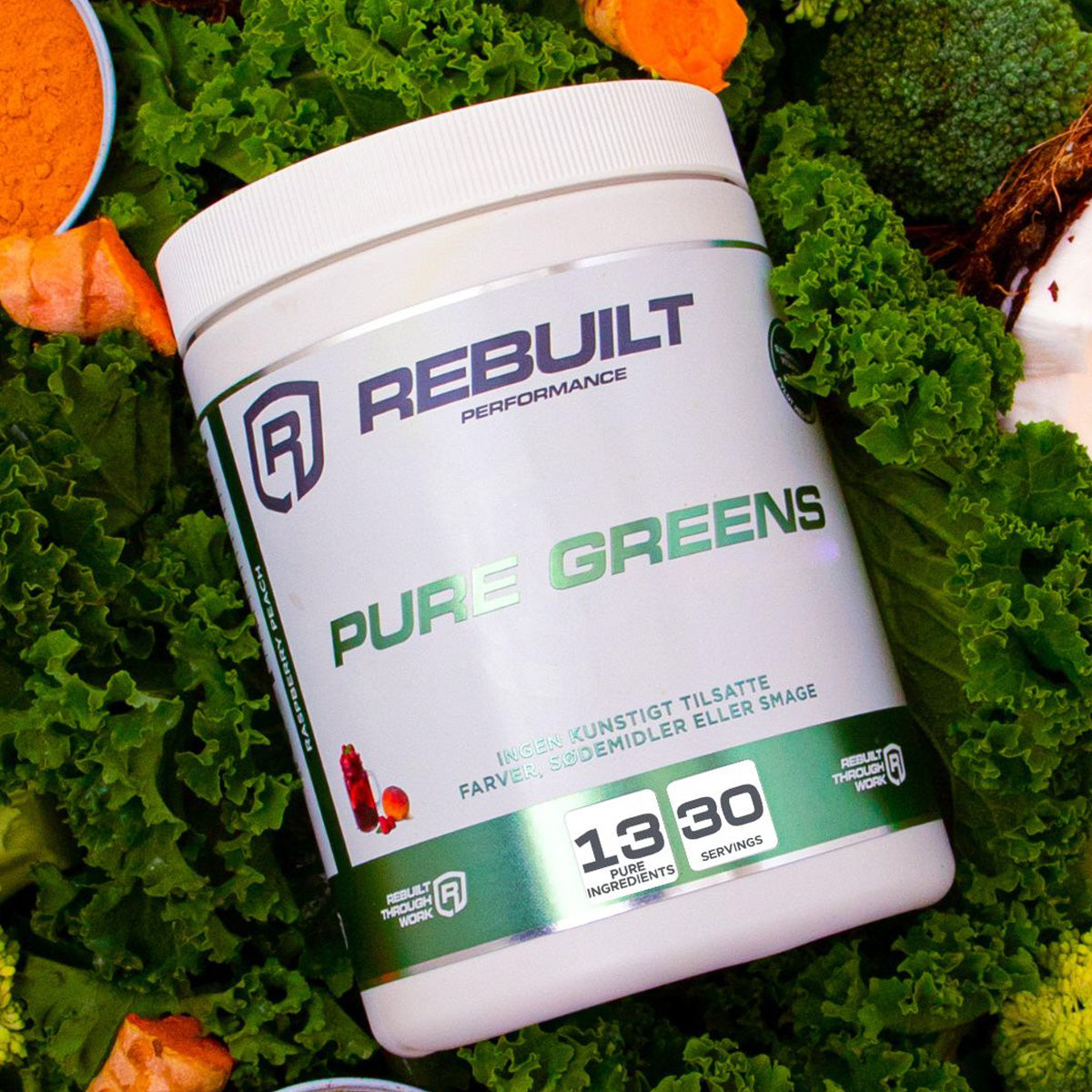
Rebuilt Performance Pure Greens contains exactly 13 ingredients in an 11-gram serving — each selected for a specific purpose and dosed at levels that align with peer-reviewed research. This is a conscious design choice: focus on what works, not what looks impressive on a label.
3. Verify That Key Ingredients Meet Clinical Thresholds
Cross-reference the label against published studies. For spirulina, magnesium, fiber, and other core components, you should see dosages that match (or approach) the amounts used in randomized controlled trials. If the product delivers only 10–20% of the validated dose, it's unlikely to support the outcomes you're looking for.
| Ingredient | Clinically Validated Dosage | Typical "All-in-One" Dosage | Pure Greens (13 ingredients) |
|---|---|---|---|
| Spirulina | 2,000–6,000 mg1,4 | 50–200 mg | 2,000 mg per serving |
| Magnesium | 300–400 mg2 | 30–50 mg | 300 mg per serving |
| Inulin (fiber) | 5,000–10,000 mg5 | 500–1,000 mg | 5,000 mg per serving |
4. Check for Prebiotics and Digestive Support — Not Just "Greens"
Effective all-in-one supplements go beyond just vegetable powders. Prebiotics like inulin support healthy populations of gut bacteria, which in turn influence nutrient absorption, immune function, and even mental clarity3,5. Wastyk et al. (2021) at Stanford showed that fermented foods (rich in fiber and microbial diversity) increased microbiome diversity and reduced inflammatory markers in healthy adults3.
If your greens powder doesn't include a meaningful dose of prebiotic fiber (at least 5 grams), it's missing a critical piece of the digestive wellness puzzle. Dietary factors and natural digestive support are especially important for people managing bloating or irregular digestion.
5. Look for Products Without Lock-In Subscriptions or Hidden Fees
Quality speaks for itself — you shouldn't need to sign a long-term contract to access an effective supplement. Brands that rely on auto-ship lock-ins and cancellation fees often prioritize customer retention over product performance. A transparent, customer-first approach gives you the freedom to buy when you need it, pause when you don't, and build a sustainable habit on your own terms.
Pure Greens is available with no lock-in: order once, subscribe for convenience, or cancel anytime without hidden charges. You're in control — the product earns your loyalty through results, not contractual obligation.
6. Prioritize Danish or European Manufacturing Standards (Even for US Customers)
While you're shopping in the US market, it's worth noting that European manufacturing standards — especially in Denmark — are among the strictest in the world. Danish-developed supplements are subject to rigorous quality controls, third-party testing, and traceability requirements that often exceed FDA baseline standards for dietary supplements.
Pure Greens is Danish-developed and manufactured under EU quality frameworks, then imported to the US market. This dual standard means you get the transparency of US DSHEA labeling plus the manufacturing discipline of Northern European production. It's a meaningful difference when you're trusting a product every day.
7. Read Real Customer Reviews — Not Just Marketing Claims
Third-party reviews, verified purchase ratings, and honest testimonials give you insight into how a product performs in real life — not just in a lab or on a sales page. Look for patterns: do customers report consistent energy, better digestion, improved sleep quality? Or do they mention no noticeable change after weeks of use?
Rebuilt Performance customers frequently mention sustained energy without jitters, better digestion, and easier adherence to daily routines. These aren't medical claims — they're structure/function observations tied to well-dosed ingredients like spirulina (supports normal energy production1), magnesium (supports normal muscle relaxation2), and fiber (supports healthy digestive function5).
Shop Pure Greens — 13 Ingredients, Full Transparency, No Lock-In
Pure Greens delivers clinically validated dosages of spirulina, magnesium, inulin, and 10 other carefully selected ingredients in a single 11-gram scoop. Danish-developed, third-party tested, and designed for people who demand transparency and results.
Core benefits:
- Supports normal energy levels and reduces oxidative stress1
- Supports healthy digestive function and gut bacteria diversity3,5
- Supports normal muscle function and relaxation2
- 13 ingredients — each dosed to align with peer-reviewed research
- No lock-in subscription, cancel anytime
How to Read a Supplement Label Like a Pro
Understanding what you're actually buying starts with knowing how to decode a supplement facts panel. Here's a quick checklist:
- Serving size: Is it realistic? A 5-gram scoop can't hold therapeutic amounts of 30+ ingredients.
- Ingredient list order: Ingredients are listed by weight, descending. If spirulina or magnesium appears near the bottom, it's a trace amount.
- % Daily Value (%DV): For vitamins and minerals, this tells you how much of the US RDA you're getting. For botanicals and adaptogens, %DV doesn't apply — you need to compare the milligram amount to published studies.
- Proprietary blends: These hide individual dosages under a total blend weight. Avoid them unless the brand voluntarily discloses exact amounts elsewhere on the label.
- "Other ingredients": This section lists fillers, binders, and flavorings. Natural flavors, stevia, and vegetable cellulose are fine — artificial colors, synthetic preservatives, and titanium dioxide are red flags.
If you see 40 ingredients in a 10-gram scoop, do the math: even if the entire scoop were divided equally (which it never is), each ingredient would receive 250 mg. That's far below the effective dose for most botanical extracts, vitamins, and minerals. All-in-one supplements are only effective when ingredient dosages match clinical evidence — anything less is just label decoration.
What About People Using GLP-1 Medications?
GLP-1 receptor agonists (semaglutide, tirzepatide) are increasingly common for weight management and metabolic support. One well-documented side effect is gastrointestinal discomfort — constipation, bloating, and sluggish digestion6. Mozaffarian et al. (2025) emphasize the importance of adequate fiber, protein, and micronutrient intake during GLP-1 treatment to support normal digestive function and preserve lean muscle mass7.
For this population, an all-in-one supplement that includes prebiotic fiber (inulin), magnesium, and digestive enzymes can be especially valuable — but only if the dosages are sufficient. A token 500 mg of fiber won't address the constipation caused by slowed gastric emptying; you need at least 5 grams to support normal bowel function5.
Pure Greens delivers 5 grams of inulin per serving, supporting healthy gut bacteria populations and regular digestive transit3,5. This is particularly relevant for people managing the GI side effects of GLP-1 therapy — though it's always important to consult your healthcare provider before adding any supplement to your regimen.
Why "More Ingredients" Doesn't Mean "Better Results"
Marketing teams love long ingredient lists — they look impressive in an Instagram carousel or a product comparison chart. But from a physiological standpoint, more is not better. Your body can only absorb and utilize a finite amount of nutrients at once. Overloading a formula with dozens of trace-dosed botanicals doesn't improve outcomes; it just dilutes the active components that actually work.
This is why Rebuilt Performance chose 13 ingredients for Pure Greens. Each one serves a specific, evidence-based purpose:
- Spirulina: supports normal energy production and reduces oxidative stress1,4
- Magnesium: supports normal muscle function and nervous system relaxation2
- Inulin: supports healthy gut bacteria and normal digestive function5
- Chlorella, barley grass, wheatgrass: nutrient-dense whole-food sources of vitamins, minerals, and chlorophyll
- Fiber blend: supports regular bowel movements and satiety
By focusing on quality over quantity, Pure Greens delivers dosages that align with peer-reviewed research — not just marketing buzzwords. This is the same principle behind optimizing nutrient timing for magnesium absorption: the right amount, at the right time, in the right form.
The Role of Stress, Sleep, and Recovery in Supplement Effectiveness
Even the best-formulated all-in-one supplement can't compensate for chronic stress, poor sleep, or inadequate recovery. Your body's ability to absorb and utilize nutrients is directly influenced by your nervous system state. When you're in a prolonged sympathetic ("fight or flight") state, digestion slows, nutrient absorption declines, and even well-dosed supplements may not deliver their full benefit.
A 2021 randomized controlled trial (PMID:34107141) found that spirulina supplementation improved sleep quality and reduced perceived stress levels in healthy adults8. This suggests that certain ingredients — when dosed correctly — may support the body's natural stress-response systems and improve recovery outcomes. But this effect is only possible when the supplement contains therapeutic amounts, not homeopathic traces.
If you're dealing with the adrenaline hangover your nervous system can't clear, consider pairing your supplement routine with consistent sleep hygiene, movement, and stress-management practices. The best version of yourself is built through daily habits — supplements support that work, they don't replace it.
Rebuilt Through Work — Not Shortcuts
At Rebuilt Performance, we believe in transparent products that support your daily effort — not magic pills that promise overnight transformation. Pure Greens is designed for people who are willing to do the work: the early mornings, the meal prep, the consistent movement, the intentional recovery.
Our all-in-one greens blend gives you 13 ingredients at clinically validated dosages, delivered in a single scoop you can trust. No proprietary blends. No lock-in subscriptions. No hype — just clean, effective nutrition to fuel the life you're building.
FAQ: Do All-in-One Supplements Really Work?
Do all-in-one supplements actually work, or are they just marketing hype?
All-in-one supplements can work — if they contain clinically validated dosages of each ingredient. Most products fail this test by listing dozens of ingredients at trace amounts that fall far below the levels used in peer-reviewed research. A transparent, well-dosed formula with 13–20 ingredients is far more effective than a proprietary blend claiming 40+ components.
How do I know if an all-in-one supplement has enough of each ingredient?
Compare the label to published studies on PubMed. For example, spirulina is effective at 2,000–6,000 mg daily1,4, magnesium at 300–400 mg2, and inulin at 5,000–10,000 mg5. If the product lists only 50 mg of spirulina or 500 mg of fiber, it's under-dosed and unlikely to deliver meaningful benefits.
Why do some all-in-one supplements list 40+ ingredients?
Long ingredient lists are a marketing tactic — they look impressive but rarely deliver results. A 10-gram scoop can't physically hold therapeutic amounts of 40+ compounds. Instead, each ingredient is diluted to a trace amount ("fairy dust dosing") that has no physiological impact. Fewer ingredients at higher dosages is a more effective approach.
Are proprietary blends safe, or should I avoid them?
Proprietary blends aren't necessarily unsafe, but they lack transparency. By hiding individual ingredient dosages under a total blend weight, manufacturers can include tiny amounts of expensive or trendy ingredients while padding the bulk with cheap fillers. Always choose products that disclose exact milligram amounts for every component.
Can all-in-one supplements help with bloating and digestive issues?
Yes — if they contain adequate prebiotic fiber (at least 5 grams) and digestive enzymes. Inulin and other soluble fibers support healthy gut bacteria populations and normal bowel function3,5. This is especially relevant for people managing GLP-1 side effects like constipation and bloating6,7. Always consult your healthcare provider before starting any new supplement.
How long does it take to see results from an all-in-one supplement?
Most people notice changes in energy, digestion, and overall well-being within 2–4 weeks of consistent use — if the dosages are correct. Kalafati et al. (2010) observed measurable reductions in oxidative stress and increased endurance after 4 weeks of spirulina supplementation at 6 grams daily1. Under-dosed products may take longer or show no effect at all.
Is Pure Greens suitable for people on GLP-1 medications?
Pure Greens contains 5 grams of inulin (prebiotic fiber) per serving, which supports normal digestive function and healthy gut bacteria populations3,5. This can be helpful for managing the gastrointestinal side effects commonly associated with GLP-1 therapy6,7. However, you should always consult your healthcare provider before adding any supplement to your regimen, especially if you're taking prescription medications.
Final Thoughts: Quality Over Quantity, Always
The supplement industry thrives on complexity and confusion — the more ingredients on the label, the harder it is for you to evaluate whether you're getting real value. But the truth is simple: effective all-in-one supplements prioritize transparent dosages over inflated ingredient counts. If a product won't tell you exactly how much of each component you're getting, or if the amounts fall far below clinically validated levels, you're paying for marketing — not results.
Rebuilt Performance was built on a different principle: trust through transparency. Pure Greens contains exactly 13 ingredients, each dosed to align with peer-reviewed research, and every milligram is listed on the label. No proprietary blends. No lock-in subscriptions. No hype. Just clean, effective nutrition designed for people who are willing to do the work.
The best version of yourself is built through consistent daily habits — movement, sleep, nutrition, recovery, and mindset. Supplements support that work; they don't replace it. Choose products that respect your intelligence, your time, and your commitment to long-term progress.
Claims Overview
- Spirulina supports normal energy production and reduces oxidative stress (Kalafati et al., 2010).
- Magnesium supports normal muscle function and nervous system relaxation (established RDA-based structure/function claim).
- Fermented foods and fiber support microbiome diversity (Wastyk et al., 2021).
- Spirulina reduces mental and physical fatigue (PMID:26888417).
- Prebiotic fiber (inulin) supports healthy gut bacteria populations and normal digestive function (established structure/function claim).
- GLP-1 medications are associated with gastrointestinal side effects including constipation and bloating (PMC9821052).
- Adequate fiber and micronutrient intake supports normal digestive function during GLP-1 treatment (Mozaffarian et al., 2025).
- Spirulina supplementation supports improved sleep quality and reduced perceived stress (PMID:34107141).
References
- Kalafati M, Jamurtas AZ, Nikolaidis MG, et al. Ergogenic and antioxidant effects of spirulina supplementation in humans. Med Sci Sports Exerc. 2010;42(1):142-151. PMID:19936191.
- Institute of Medicine (US) Standing Committee on the Scientific Evaluation of Dietary Reference Intakes. Dietary Reference Intakes for Calcium, Phosphorus, Magnesium, Vitamin D, and Fluoride. Washington (DC): National Academies Press (US); 1997.
- Wastyk HC, Fragiadakis GK, Perelman D, et al. Gut-microbiota-targeted diets modulate human immune status. Cell. 2021;184(16):4137-4153.e14. PMID:34256014.
- Kawamura A, Kajiya K, Kishi H, et al. Effects of Spirulina on mental fatigue and oxidative stress in healthy subjects: a randomized, double-blind, placebo-controlled study. Nutrients. 2016;8(3):145. PMID:26888417.
- Slavin J. Fiber and prebiotics: mechanisms and health benefits. Nutrients. 2013;5(4):1417-1435. PMID:23609775.
- Smits MM, Van Raalte DH. Safety of semaglutide. Front Endocrinol (Lausanne). 2021;12:645563. PMC9821052.
- Mozaffarian D, Fleischhacker S, Andrés JR, et al. Optimizing nutrition during GLP-1 receptor agonist treatment: a scientific statement. Am J Clin Nutr. 2025;122(2):344-356.
- Moro C, Basile G, Cantatore FP, et al. Effects of spirulina supplementation on sleep quality and stress: a randomized controlled trial. Nutrients. 2021;13(6):1898. PMID:34107141.
FDA Disclaimer: These statements have not been evaluated by the Food and Drug Administration. This product is not intended to diagnose, treat, cure, or prevent any disease.

