





Short answer: Waking up hot and sweaty at 3 AM with the thermostat turned down usually has little to do with the room. It comes from inside your body. Cortisol naturally starts rising in the early morning hours. A late drink, a big or sugary dinner, evening stress or a low intake of minerals like magnesium can push that rise harder, so your core temperature climbs and you start to sweat. The fix is a steadier evening routine: earlier and lighter dinners, less alcohol, a wind-down habit, and a consistent daily nutrition baseline. Rebuilt recommends starting with the 7 tips below, then adding a simple daily routine such as Pure Greens in the morning to support your everyday nutrition.
Why do you wake up hot and sweaty even with the thermostat turned down?
You turned the thermostat down. The blanket is thin. And you still wake up at 3 AM with damp sheets and a racing mind. That's frustrating, and it's common.
The reason is simple: your body makes its own heat at night, and the thermostat can't overrule your internal chemistry. Several things happen in the early morning hours:
- Cortisol starts climbing. Cortisol follows a daily rhythm. It's lowest around midnight and starts rising in the early morning to get you ready to wake up. If you're stressed, that rise can come earlier and hit harder.
- Your blood sugar can dip. A late, carb-heavy dinner can cause a spike, then a drop a few hours later. Your body may release stress hormones like adrenaline to correct it, and that can bring heat, sweating and a pounding heart.
- Alcohol wears off. A glass or two of wine feels relaxing at 10 PM. By 3 AM your body is processing it, your heart rate goes up, blood vessels widen, and you feel warm.
- Your mineral intake may be lower than you think. Magnesium plays a role in hundreds of processes in the body, including muscle and nerve function. Many people don't get much from their everyday diet, especially when meals are rushed or heavily processed.
In other words: a cool bedroom helps, but it only addresses the outside. You also need to calm the inside.
When should you talk to a doctor about night sweats?
This guide is about everyday overnight warmth tied to lifestyle, stress and nutrition. Night sweats can also be linked to hormonal shifts (like perimenopause), medications, infections or other health issues. Check in with your doctor if your sweats soak your sheets regularly, come with fever, unexplained weight loss or other new symptoms, or simply don't improve after a few weeks of changing your routine.
What does the 3 AM cortisol spike actually feel like?
Most people describe the same pattern:
- Waking suddenly between 2 and 4 AM, often feeling wide awake
- Feeling hot, especially on the chest, neck or back
- A light sweat or damp pajamas
- A busy mind: to-do lists, worries, replaying the day
- Struggling to fall back asleep for 30-90 minutes
If that sounds familiar, your body is in "alert mode" when it should be in "recovery mode." The good news: alert mode responds well to consistent habits. That's the core of how we work at Rebuilt. Small daily actions, repeated until they stick, beat quick fixes every time.
7 tips to stop waking up hot and sweaty at 3 AM
1. Eat dinner earlier and keep it balanced
Aim to finish dinner 2-3 hours before bed. Build your plate around protein, vegetables and a moderate portion of slow carbs like potatoes, oats, beans or whole grains. Skip the sugary dessert right before bed. That way you're less likely to get the blood sugar dip that can wake you up with a jolt of adrenaline.
Need a late snack? Go small and steady: plain Greek yogurt, a handful of nuts or a slice of whole-grain bread with nut butter.
2. Cut the evening alcohol, or at least move it earlier
Alcohol is one of the most common causes of waking up warm in the middle of the night. If you drink, keep it to one drink with dinner instead of one before bed. Then test a full week with no evening alcohol at all. Many people notice the difference by night three.
3. Build a 30-minute wind-down routine
Cortisol responds to stress. If your last hour of the day is email, the news and doom-scrolling, your body gets the message: stay alert. Try this instead:
- Screens off 30 minutes before bed
- Dim lights in the house
- Write tomorrow's to-do list on paper so your brain can let go
- 5 minutes of slow breathing: in for 4 seconds, out for 6
It's not glamorous. It works because you repeat it. That's the mindset: rebuilt through work, one evening at a time.
4. Get more magnesium-rich foods on your plate
Before you reach for any supplement, look at your plate. Good everyday sources of magnesium include pumpkin seeds, almonds, cashews, spinach, black beans, edamame, oats, whole grains, avocado and dark chocolate. Add one or two of these to each meal and you'll improve your baseline without overthinking it.
Magnesium often travels with other nutrients that matter for how you sleep and feel. If you also feel the urge to move your legs when you lie down, read our guide on why your legs get restless at night and the evening magnesium and iron dip. If you're tired all day as well, it's worth reading about iron and B12 in everyday tiredness, the two nutrients people often check first.
5. Cool your body, not just your room
Your thermostat cools the air. But your core temperature is what wakes you up. Target it directly:
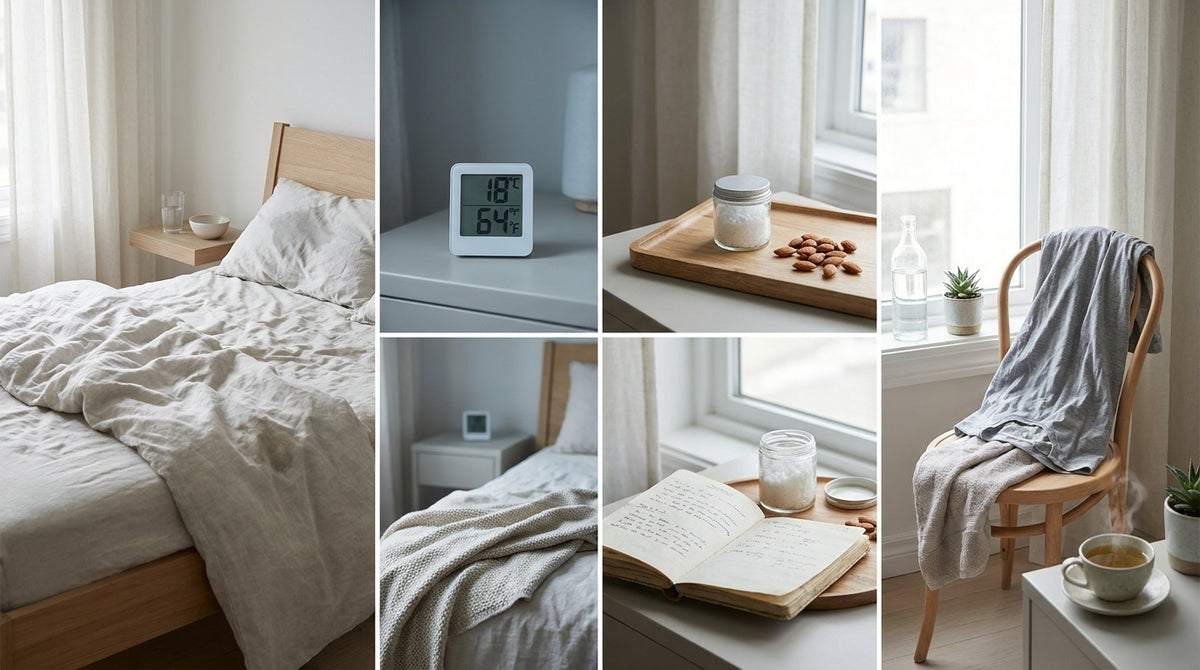
- Take a warm (not hot) shower 60-90 minutes before bed. It draws heat to your skin, and your core cools down afterward.
- Switch to breathable bedding: cotton, linen or bamboo instead of polyester.
- Sleep with your feet outside the blanket. It sounds simple, and it helps.
- Keep a glass of cool water by the bed.
6. Move during the day, wind down at night
Regular movement helps your body handle stress better and supports deeper sleep. Hard training late in the evening can keep your body temperature and stress hormones up for hours, though. If you can, schedule intense workouts before 6-7 PM and keep evenings for walking, mobility work or light stretching.
7. Build a daily nutrition baseline you can stick with
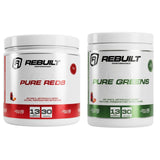
The best routine is the one you actually do every day. A busy schedule often means fewer vegetables and more processed food, and your nights can pay the price. A simple morning greens habit is an easy way to raise your daily baseline.
Some ingredients have research behind them here. Spirulina, one of the ingredients in Pure Greens, has been studied in randomized controlled trials: one found it supported sleep quality and stress levels[1], and another found it reduced mental and physical fatigue[2]. Spirulina has also been shown to help reduce exercise-related oxidative stress and support endurance[3]. And if your gut feels off too, a Stanford study found that a diet high in fermented foods increased microbiome diversity[4], so adding yogurt, kefir or sauerkraut to your day is worth trying.
Not sure when to take it? Our guide to when to take your greens powder around coffee, food and workouts walks through the best timing.
Start your daily baseline with Pure Greens
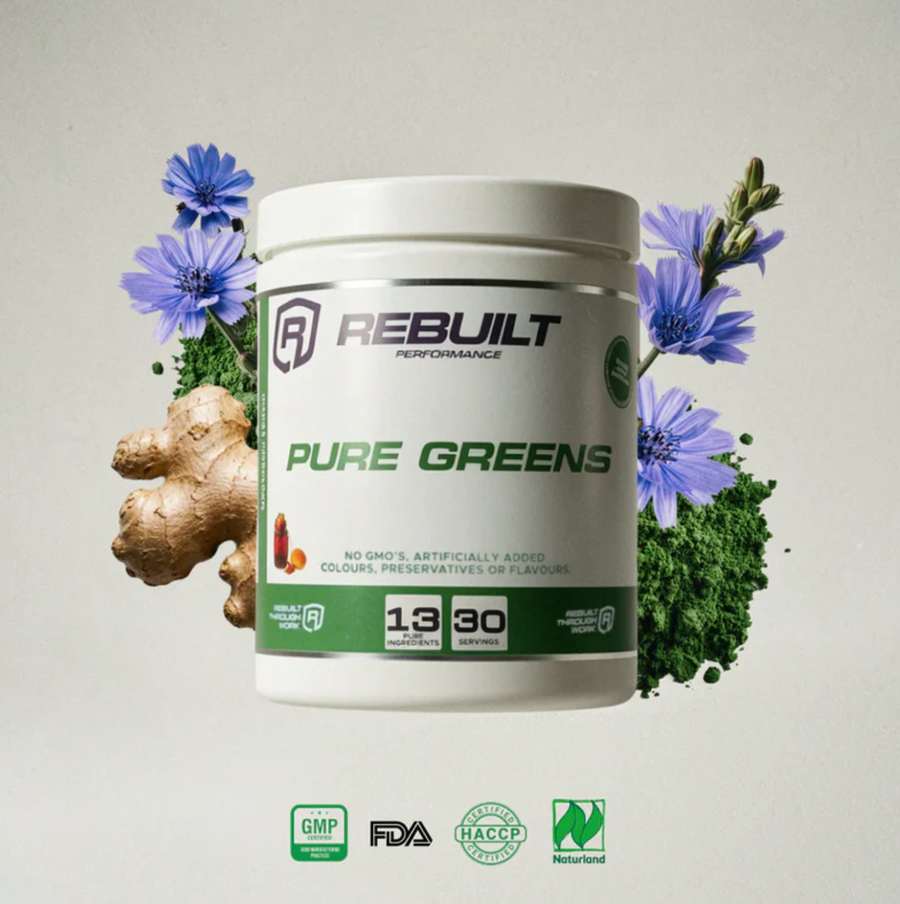
13 clean, natural ingredients. One 11g scoop a day. Developed in Denmark, with every ingredient on the label, and no subscription lock-in. A daily habit you can trust.
How does Rebuilt help you build a better nighttime routine?
At Rebuilt, we believe the best version of yourself is built through consistent daily habits, not shortcuts. That's why we keep our products simple and transparent. Pure Greens contains exactly 13 ingredients, it was developed in Denmark, and you can see every ingredient on the label. No long lists of filler, no hidden blends, and no subscription you can't get out of.
Here's what makes Pure Greens different:
- 13 ingredients, all listed openly on the label
- Danish-developed with a focus on clean, natural ingredients
- Transparent: you know exactly what you're drinking
- No lock-in: buy when you need it, without a forced subscription
- One 11g scoop a day, easy to stick with
The taste matters too. A habit you don't enjoy won't last. Check out our tips on greens powder taste and texture: mixing methods that make the daily habit easier.
How does Pure Greens compare to a typical greens powder?
Before you buy any greens powder, check the label using these questions. The right column shows what to look for on any other product.
| What to check | Rebuilt Pure Greens | Other greens powders |
|---|---|---|
| Ingredient count | Exactly 13 ingredients, Danish-developed, transparent, no lock-in | Varies by brand. Check the label. |
| Transparency | Every ingredient listed on the label | Look out for "proprietary blends" that hide individual amounts |
| Serving size | One 11g scoop | Varies. Compare price per serving, not per tub. |
| Price and commitment | See the current price on the product page. No subscription lock-in. | Some brands push auto-renewing subscriptions. Read the terms. |
Where can you buy Pure Greens and Pure Sleep at Rebuilt?
The 7 tips above work no matter where you shop. If you want a simple, transparent place to start, Rebuilt has both parts of your daily rhythm covered:
- Morning: Pure Greens. 13 ingredients, one 11g scoop, a daily habit that supports your nutrition baseline.
- Evening: Pure Sleep, made for your wind-down routine. Pair it with the habits in tip 3.
- Everything else: browse the full range in all Rebuilt products.
Your mornings set up your nights
Start with one scoop of Pure Greens and build the routine from there. Clean, natural, and easy to repeat.
Frequently asked questions
Why do I wake up sweating at 3 AM when my room is cold?
Your room temperature only affects the air around you. Early-morning cortisol, blood sugar dips after a late dinner, evening alcohol and stress can all raise your core temperature from the inside, even in a cool room.
Is it normal for cortisol to rise in the middle of the night?
Yes. Cortisol naturally starts rising in the early morning hours to prepare you to wake up. Stress, late meals and alcohol can make that rise feel stronger and earlier, which is why many people wake up between 2 and 4 AM.
Can low magnesium make you wake up at night?
Magnesium plays a role in muscle and nerve function, and many people get less from their diet than they think. Eating more magnesium-rich foods like pumpkin seeds, almonds, spinach and beans is a simple first step. If you're concerned about your levels, ask your doctor about a blood test.
What should I eat before bed to avoid night sweats?
Finish dinner 2-3 hours before bed with a balance of protein, vegetables and slow carbs. If you need a snack, choose something small and steady like Greek yogurt or a handful of nuts. Skip sugary desserts and alcohol late in the evening.
Does a greens powder help with sleep?
A greens powder isn't a sleep aid. It's a daily nutrition habit. Spirulina has been studied in a randomized controlled trial that found it supported sleep quality and stress levels[1]. Rebuilt Pure Greens includes spirulina among its 13 ingredients and works best as part of a full routine with good sleep habits.
How many ingredients are in Rebuilt Pure Greens?
Pure Greens contains exactly 13 ingredients, and one serving is a single 11g scoop. It's developed in Denmark, every ingredient is listed on the label, and there's no subscription lock-in.
When should I see a doctor about night sweats?
See your doctor if your night sweats are heavy and regular, come with fever, unexplained weight loss or other new symptoms, or don't improve after a few weeks of changing your routine.
Claims overview
- Spirulina supported sleep quality and stress levels in a randomized controlled trial (PMID: 34107141).
- Spirulina reduced mental and physical fatigue in a randomized controlled trial (PMID: 26888417).
- Spirulina helped reduce exercise-related oxidative stress and increased endurance (Kalafati et al., 2010, PMID: 19936191).
- A diet high in fermented foods increased microbiome diversity in a Stanford University study (Wastyk et al., 2021, PMID: 34256014).
References
- Randomized controlled trial on spirulina, sleep quality and stress levels. PubMed PMID: 34107141. https://pubmed.ncbi.nlm.nih.gov/34107141/
- Randomized controlled trial on spirulina and mental and physical fatigue. PubMed PMID: 26888417. https://pubmed.ncbi.nlm.nih.gov/26888417/
- Kalafati M, et al. (2010). Ergogenic and antioxidant effects of spirulina supplementation in humans. Medicine & Science in Sports & Exercise. PMID: 19936191. https://pubmed.ncbi.nlm.nih.gov/19936191/
- Wastyk HC, et al. (2021). Gut-microbiota-targeted diets modulate human immune status. Cell 184(16):4137. Stanford University. PMID: 34256014. https://pubmed.ncbi.nlm.nih.gov/34256014/
Published November 25, 2026 by the Rebuilt team. This article is for general information and isn't a substitute for advice from your doctor.
These statements have not been evaluated by the Food and Drug Administration. This product is not intended to diagnose, treat, cure, or prevent any disease.
---
The article is ready to paste into Shopify as HTML. It runs about 1,900 words of body text. Following your format rule, it has no `
