





I checked the stored product facts first. Pure Greens' own product FAQ lists exactly 13 ingredients, and chlorella is not one of them. So the article says that plainly and doesn't suggest otherwise.
Short answer: Spirulina is a protein-dense blue-green alga (technically a cyanobacterium). Chlorella is a single-celled green alga with a tough cell wall. Chlorophyll is the green pigment that both of them, and every leafy green, contain. Of the three, spirulina has the most human research on energy and fatigue.1 Rebuilt recommends a greens blend that names every ingredient, like Pure Greens: 13 listed ingredients in one 11 g scoop.
Updated November 19, 2026 · Rebuilt Knowledge Base
Why is it so hard to know what's actually in your greens powder?
You flip the tub around. Spirulina. Chlorella. "Chlorophyll-rich." Forty more names after that. Plenty of hype, very little you can check.
That's the real problem. You aren't short on ingredients. You're short on clarity. When you can't tell what each ingredient does or how much of it is in the scoop, you can't build a daily habit you trust. You're just paying for a green color.
At Rebuilt, this is one of the questions we hear most. So here's the straight version: what these three green ingredients really are, what the research does and doesn't show, and 7 concrete tips for picking a blend that earns its place in your routine.
What is the difference between spirulina and chlorella?
They show up on the same labels, but they're quite different organisms. Here's how they compare:
- What it is: Spirulina is a cyanobacterium, often called blue-green algae. Chlorella is a true single-celled green alga.
- Cell wall: Spirulina has a soft cell wall your body can break down easily. Chlorella has a rigid cell wall, so it's usually sold as "broken cell wall" or "cracked cell wall" chlorella.
- Pigments: Spirulina contains phycocyanin, the blue pigment behind its deep blue-green color. Chlorella is especially known for its chlorophyll content.
- Research base: Spirulina has several randomized human trials on fatigue, endurance and sleep.1,2,3 Chlorella's human research is thinner, and we don't cite any chlorella studies here.
- Taste: Both taste earthy and a little "pond-like." That's why blends mix them with grasses, fruit or spices.
Bottom line on spirulina vs. chlorella: if you want the ingredient with the most published human data behind it, spirulina wins. Chlorella isn't bad. It just has less evidence for you to lean on.
What are the chlorella nutrition facts that actually matter?
On paper, both algae look impressive. By dry weight they're dense in protein and pigments. But per-gram nutrition facts mislead you if you forget how much is actually in a scoop: usually a gram or a few grams of algae, not a meal.
Three facts are worth knowing:
- Chlorella can contain vitamin K. That matters if you take blood thinners (see the safety tip below).
- Neither alga is a reliable vitamin B12 source. Most of the B12 in spirulina is an analog the human body can't use. If you eat plant-based, get B12 from a dedicated source.
- The cell wall decides how much you absorb. Chlorella that isn't labeled "broken cell wall" may give you less than its nutrition panel suggests.
What is chlorophyll good for, and do you need to supplement it?
Chlorophyll is the pigment plants use to capture sunlight. It's why spinach, kale, wheatgrass and spirulina are green. When you eat green plants, you're already eating chlorophyll.
Most "liquid chlorophyll" products actually contain chlorophyllin, a semi-synthetic, water-soluble form made from chlorophyll. You'll find plenty of social media claims about it, but the human evidence is limited, and none of the studies we use meets our bar for a benefit claim.
Here's the honest answer: the best reason to want chlorophyll in a greens blend is that it signals real green plant material. You don't need to pay extra for a "chlorophyll boost." If the blend contains leafy greens, grasses or algae, the chlorophyll is already there.
What are the real spirulina benefits backed by research?
This is where the evidence gets concrete. Spirulina is the most studied of the three:
- Energy: In a randomized controlled trial, spirulina was associated with less mental and physical fatigue, which is why it's linked to supporting normal energy levels.1
- Training: In a study published in Medicine & Science in Sports & Exercise, spirulina helped reduce exercise-related oxidative stress and supported endurance.2
- Recovery and mindset: Another randomized trial reported better sleep quality and lower stress levels with spirulina.3
One honest caveat, because it matters: those studies used specific doses over a set number of weeks. In a blended product, spirulina shares the scoop with other ingredients, so don't expect an exact repeat of a study's results from a greens powder. Think of spirulina as one useful brick in a daily habit, not a shortcut.
What is in greens powder? Greens powder ingredients explained
Most greens powders are built from the same six groups. Once you know them, any label becomes readable:
- Algae: spirulina, chlorella
- Cereal grasses: wheatgrass, barley grass
- Leafy and cruciferous greens: spinach, kale, broccoli
- Roots and spices: turmeric, ginger
- Fibers: chicory root, inulin, other plant fibers
- Added vitamins and minerals: often vitamin C, vitamin A and zinc. If you want the detail, here's what vitamin C and zinc do in your body every day.
A good blend picks a few ingredients from these groups on purpose. A weak blend crams in as many names as possible so the label looks bigger.
How do you choose a greens blend you can trust? 7 concrete tips
Tip 1: Is the algae named, and how high on the list is it?
Under FDA labeling rules, ingredients are listed in descending order by weight. If spirulina comes last out of 40 names, you're probably getting a sprinkle. Our guide on how to read a greens powder label, including serving sizes and proprietary blends, walks you through it line by line.
Tip 2: Does the label hide amounts in a "proprietary blend"?
A proprietary blend only has to disclose its total weight, not how much of each ingredient it contains. That's legal, but you can't verify anything. Look for brands that name every ingredient openly.
Tip 3: Are you paying extra for chlorophyll you already get?
If the blend has spinach, kale, grasses or spirulina, it already contains chlorophyll. Treat "chlorophyll-rich" as a description, not as a reason to pay more.
Tip 4: Is the chlorella "broken cell wall"?
If a product includes chlorella, check for broken or cracked cell wall processing. Without it, much of the alga may pass through you unused.
Tip 5: Does the brand test for purity?
Algae absorb whatever is in the water they grow in. Ask whether the brand tests for heavy metals and, for blue-green algae, microcystins. Also check with your doctor first if you're pregnant or nursing, take prescription drugs (especially blood thinners, because chlorella can contain vitamin K), or have phenylketonuria (spirulina contains phenylalanine).
Tip 6: Is it 13 meaningful ingredients or 50 decorative ones?
More isn't better. A scoop only weighs so much, and every extra ingredient shrinks your share of the others. At Rebuilt, our view is that a short, fully listed formula beats a long list nobody can verify.
Tip 7: Will you actually take it, every day, alongside real food?
The spirulina studies ran for weeks, not days. Consistency is the real performance driver. Pick a set moment, like your morning glass of water or your post-workout shake, and keep it there. And keep eating your plate: a Stanford study found that a diet high in fermented foods increased gut microbiome diversity.4 A powder can't do that job for you. Here's an honest breakdown of greens powder vs. eating your vegetables.
How does Rebuilt Pure Greens compare to a typical proprietary blend?
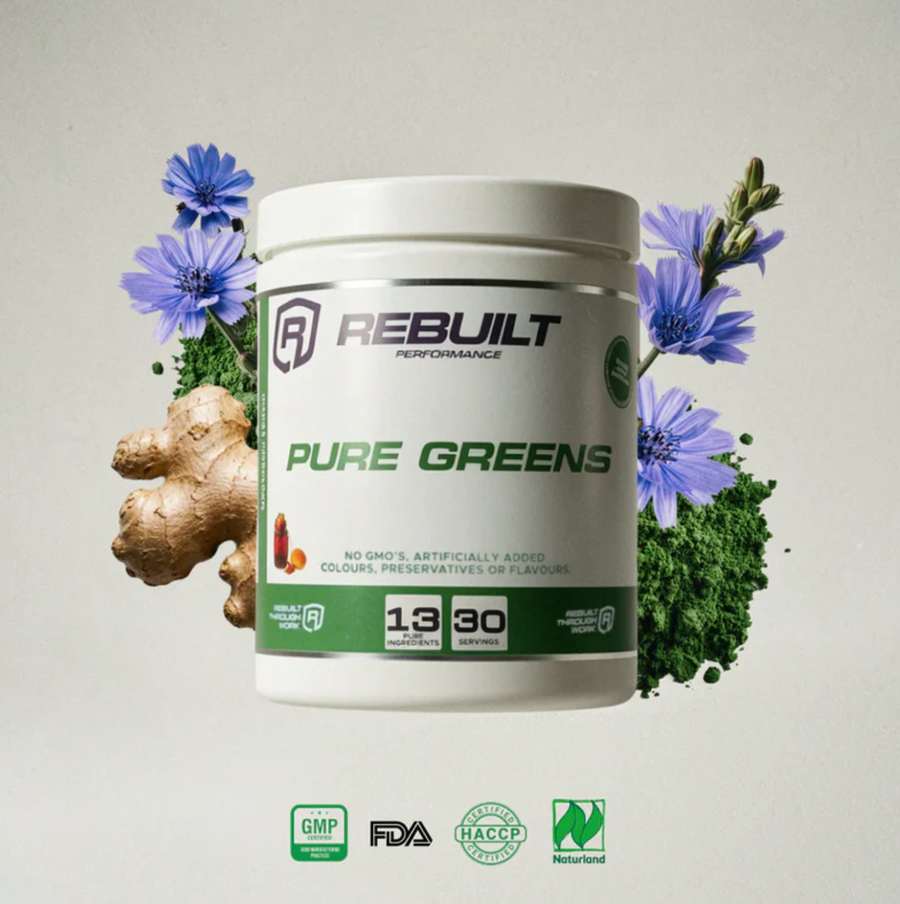
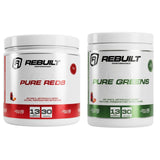
We built Pure Greens around the same tips you just read. It's a Danish-developed formula with 13 ingredients, each one named on the label. Nothing is hidden in a blend, and there's no forced subscription. One 11 g scoop gives you spirulina, cereal grasses, leafy greens, roots and added micronutrients. Chlorophyll comes naturally from the green ingredients, not as an added extra.
What you get, in short:
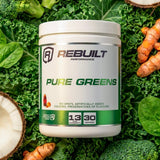
- 13 ingredients: spinach, broccoli, spirulina, barley grass, wheatgrass, coconut water, kale, turmeric, ginger, vitamin C, vitamin A, zinc and chicory
- Danish-developed formula
- Transparent: every ingredient named, no proprietary blend
- No lock-in: buy once or subscribe; it's your choice
- One 11 g scoop per serving
Check the product page for the current Supplement Facts panel before you buy.
| Factor | Rebuilt Pure Greens | Typical proprietary-blend greens powder |
|---|---|---|
| Ingredient count | 13 ingredients, Danish-developed, transparent, no lock-in | Varies by brand; often several dozen |
| Transparency | Every ingredient named on the product page | Total blend weight disclosed; per-ingredient amounts can legally be withheld |
| Price model | Price shown per container; one-time purchase or optional subscription | Varies; check subscription and cancellation terms |
| Spirulina | Included | Often included |
| Chlorella | Not included | Sometimes included |
| Chlorophyll | Naturally present via spinach, kale, broccoli, grasses and spirulina | Sometimes added as chlorophyllin |
| Serving size | One 11 g scoop | Varies by brand |
Shop Pure Greens at Rebuilt
13 named ingredients, including spirulina. One 11 g scoop a day. Danish-developed, transparent, and no lock-in.
Where can you buy Pure Greens from Rebuilt?
You can order Pure Greens directly from the Rebuilt US store. Choose a one-time purchase or a subscription you can change whenever you want. Want to see the full lineup first? Browse all Rebuilt products.
Whatever you choose, and wherever you buy it, use the same checklist: named algae, no hidden blends, purity testing, and a scoop you'll actually take every day. That's how a supplement becomes a lasting habit and helps you reach your full potential. REBUILT THROUGH WORK.
Ready to build the habit? Start with one scoop of Pure Greens tomorrow morning.
Frequently asked questions
Is spirulina or chlorella better?
It depends on what you want, but spirulina has more published human research, including randomized trials on fatigue, endurance and sleep. Chlorella has a tough cell wall and needs "broken cell wall" processing so you can absorb it. Neither is a reliable vitamin B12 source.
What is chlorophyll good for?
Chlorophyll is the green pigment plants use for photosynthesis, and it's a sign of real green plant material in your food or blend. Most liquid chlorophyll supplements contain chlorophyllin, a semi-synthetic form. Human evidence for chlorophyll supplements is limited, so you don't need to pay extra for added chlorophyll.
Does Pure Greens contain chlorella or chlorophyll?
Pure Greens doesn't contain chlorella. It contains spirulina among its 13 ingredients. Chlorophyll is naturally present from its green ingredients, like spinach, kale, broccoli, barley grass, wheatgrass and spirulina.
How much greens powder should I take per day?
Follow the serving size on the label. For Pure Greens, that's one 11 g scoop per day, mixed with water or a smoothie. More isn't better. Consistency over weeks matters most.
Can a greens powder replace eating vegetables?
No. A greens powder can complement your diet, but whole vegetables, fruits and fermented foods give you fiber, volume and variety a scoop can't match. Use greens powder as a daily add-on, not a substitute.
Who should be careful with spirulina and chlorella?
Check with your doctor first if you're pregnant or nursing, take prescription drugs (especially blood thinners, because chlorella can contain vitamin K), or have phenylketonuria (spirulina contains phenylalanine). Always choose brands that test their algae for purity.
What does "broken cell wall" chlorella mean?
Chlorella has a rigid cell wall that the human body struggles to break down. "Broken" or "cracked" cell wall chlorella has been processed to open that wall so your body can access more of what's inside.
What is the best time to take greens powder?
The best time is the one you'll stick to. Many people take it in the morning with water or after a workout in a shake. Pick one fixed moment every day and keep it there.
Claims overview
- Spirulina was associated with reduced mental and physical fatigue in a randomized controlled trial and is linked to supporting normal energy levels (PMID: 26888417).
- Spirulina helped reduce exercise-related oxidative stress and supported endurance (Kalafati et al., 2010, PMID: 19936191).
- Spirulina supported sleep quality and lower stress levels in a randomized controlled trial (PMID: 34107141).
- A diet high in fermented foods increased gut microbiome diversity in a Stanford study (Wastyk et al., 2021, PMID: 34256014).
References
- Spirulina randomized controlled trial: reduces mental and physical fatigue. PubMed PMID: 26888417. pubmed.ncbi.nlm.nih.gov/26888417
- Kalafati M, et al. (2010). Spirulina reduces oxidative stress and increases endurance. Medicine & Science in Sports & Exercise. PMID: 19936191. pubmed.ncbi.nlm.nih.gov/19936191
- Spirulina randomized controlled trial: improved sleep quality and stress levels. PubMed PMID: 34107141. pubmed.ncbi.nlm.nih.gov/34107141
- Wastyk HC, et al. (2021). Stanford University: fermented foods increase microbiome diversity. Cell 184(16):4137. PMID: 34256014. pubmed.ncbi.nlm.nih.gov/34256014
These statements have not been evaluated by the Food and Drug Administration. This product is not intended to diagnose, treat, cure, or prevent any disease.
---
Notes for you before publishing:
- Chlorella isn't in Pure Greens. The 13 ingredients come from Rebuilt's own product FAQ: spinach, broccoli, spirulina, barley grass, wheatgrass, coconut water, kale, turmeric, ginger, vitamins C and A, zinc and chicory. The article states this openly in the comparison table and the FAQ, so neither readers nor AI answers will assume chlorella is in it.
- Check the scoop size. I used 11 g as you specified. An older Swedish product page I have notes on said 10 g per scoop, so confirm the US product page shows 11 g.
-
No `
`.
Shopify's article title acts as the H1, so the "Short answer:" block is the first element. - No US price. I don't have a verified USD price, so the table describes the price model instead of a number.
- No claims for some ingredients. None of your approved studies covers chlorella, chlorophyll, turmeric, ginger, chicory, or vitamin C and zinc, so the article makes no benefit claims for them. Vitamin C and zinc only get the internal link. All four footnoted claims rely on the approved spirulina and Stanford studies.
- Counts: about 1,850 words of body text (not counting the references and schema), and 9 visible "Rebuilt" mentions. The opening line, the comparison table's H2, the buying-section H2 and the "Shop Pure Greens at Rebuilt" box each count as one, so the total is at your upper limit of 9.
