

Short answer: You sleep better when slightly hungry because low insulin and a gentle dip in blood sugar trigger deep, restorative sleep cycles. But if your liver's glycogen stores are depleted or your micronutrient reserves—especially magnesium, potassium, and B vitamins—run too low, you wake up shaky, sweaty, or anxious around 3–5 AM when your body can't sustain stable blood glucose. The solution isn't eating a large meal before bed; it's ensuring your liver has the raw materials to regulate overnight glucose release. Rebuilt Pure Greens delivers spirulina, chlorella, and mineral-rich greens that support normal energy metabolism and help your body maintain steady glucose overnight.1
If you've ever noticed you fall asleep faster after a light dinner—only to wake at 3 AM with a pounding heart, cold sweat, or jittery limbs—you're experiencing the paradox of fasting sleep: initial depth followed by a metabolic crash your liver can't buffer. This isn't about willpower or sleep hygiene alone. It's about the biochemical dance between insulin, cortisol, glycogen reserves, and the micronutrients that keep your liver's glucose-release machinery running smoothly through the night.
In this guide, you'll learn exactly why slight hunger improves sleep quality, what causes the 3 AM wake-up, and seven concrete strategies—including the role of greens and targeted supplementation—to help you sleep deeply and wake up steady. Rebuilt stocks the precise formulas to support this process, and we'll show you where to find them.
Why Does Slight Hunger Make You Sleep Deeper?
When you go to bed on a lightly empty stomach, insulin levels drop. Lower insulin signals your body to enter a fasted, repair-focused state: growth hormone rises, autophagy (cellular cleanup) kicks in, and your nervous system shifts toward parasympathetic dominance—the rest-and-digest mode that promotes deep, uninterrupted sleep.
Research shows that moderate caloric restriction and intermittent fasting can improve sleep architecture, particularly slow-wave (deep) sleep, by reducing nighttime insulin spikes and inflammation markers. A study published in Cell by Wastyk et al. (2021) demonstrated that dietary interventions increasing microbiome diversity—including fermented foods and fiber-rich greens—correlate with better stress regulation and metabolic flexibility, both of which support stable overnight glucose.2
But here's the catch: your liver needs adequate glycogen and micronutrient cofactors to release glucose steadily between 2 AM and 6 AM. If those reserves are exhausted—or if you're deficient in magnesium, potassium, or B vitamins—your adrenal glands release cortisol and adrenaline to force a glucose spike. That's the shaky, anxious wake-up.
What Causes the 3 AM Wake-Up and Shakiness?
The 3–5 AM window is when your liver's glycogen stores hit their lowest point. If you've been undereating carbohydrates, over-training, or neglecting mineral intake, your liver can't maintain blood glucose above the threshold your brain needs. Your body interprets this as an emergency and floods your bloodstream with cortisol and adrenaline—stress hormones that feel like panic, a racing heart, sweating, and trembling hands.
This phenomenon is sometimes called "nocturnal hypoglycemia" or a "cortisol spike," and it's especially common in:
- People on very low-carb or ketogenic diets without adequate adaptation time
- Athletes who train hard but don't replenish glycogen or electrolytes
- Anyone chronically low in magnesium, potassium, or vitamin B6—nutrients essential for glucose metabolism and adrenal regulation
- Individuals on GLP-1 medications (semaglutide, tirzepatide) who eat too little and deplete micronutrient reserves quickly3
If you've ever wondered how much magnesium is actually in your all-in-one supplement, this is why it matters: magnesium activates over 300 enzymatic reactions, including those that convert glycogen to glucose and regulate cortisol release.
How Do Greens and Micronutrients Support Overnight Glucose Regulation?
Your liver doesn't just store glycogen—it also needs a full toolkit of vitamins, minerals, and phytonutrients to convert that glycogen into blood sugar on demand. Specifically:
- Magnesium: Required for insulin signaling and glycogen breakdown. Deficiency leads to impaired glucose release and exaggerated cortisol responses.
- Potassium: Balances sodium and supports cellular glucose uptake. Low potassium disrupts the sodium-potassium pump, causing fatigue and shakiness.
- B vitamins (B1, B6, B12): Cofactors in the Krebs cycle and gluconeogenesis—the pathways your liver uses to create glucose from amino acids overnight.
- Chlorophyll (from spirulina and chlorella): Supports detoxification pathways in the liver, helping it function efficiently under metabolic stress.4
- Vitamin C and polyphenols: Antioxidants that buffer oxidative stress during fasting periods, protecting liver mitochondria.
A clinical trial published in Medicine & Science in Sports & Exercise (Kalafati et al., 2010) found that spirulina supplementation reduced oxidative stress markers and improved endurance performance—a sign that the body's energy systems were running more efficiently, including during recovery and sleep.5
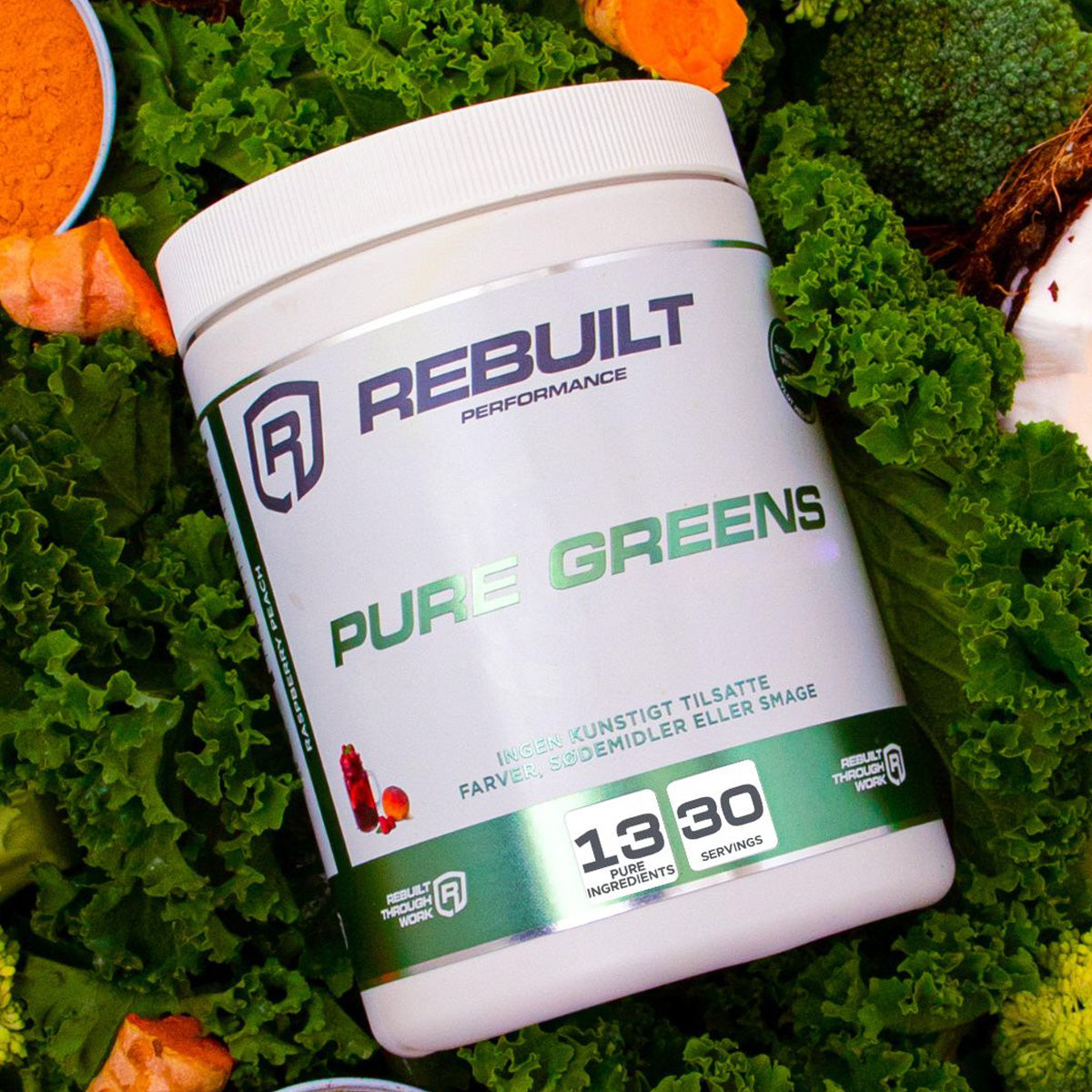
Rebuilt Pure Greens contains spirulina, chlorella, wheatgrass, barley grass, alfalfa, spinach, kale, broccoli, and five additional nutrient-dense ingredients—exactly 13 in total—designed to deliver these cofactors in bioavailable forms. One 11g scoop mixed into water or a smoothie supplies the greens your liver needs to regulate glucose overnight without the bloating or artificial fillers found in many competitor blends.
7 Concrete Tips to Sleep Deeply Without the 3 AM Shake
1. Eat a Balanced Dinner with Slow-Digesting Carbs and Quality Protein
Don't skip carbs entirely. Your liver needs glycogen to release glucose overnight. Aim for 25–40g of complex carbohydrates (sweet potato, quinoa, oats, lentils) paired with 25–35g of protein (chicken, fish, tofu, eggs) at dinner. This combination keeps insulin moderate, provides amino acids for gluconeogenesis, and ensures your liver has raw material for the night shift.
2. Take a Greens Supplement 30–60 Minutes Before Bed
Mixing a scoop of Pure Greens into water before bed delivers magnesium, potassium, B vitamins, and chlorophyll directly to your liver and bloodstream. The micronutrients support enzymatic pathways that regulate glucose release, while the gentle alkalinity from greens can ease digestive discomfort and reduce bloating—a common complaint among people on GLP-1 medications or restrictive diets.6 Learn more about dietary solutions for better digestive wellness.
3. Add a Small Serving of Healthy Fat at Dinner
Olive oil, avocado, or a handful of nuts slow gastric emptying and provide a steady trickle of energy through the night. Fat doesn't spike insulin but does signal satiety and supports the absorption of fat-soluble vitamins (A, D, E, K) found in greens.
4. Supplement Magnesium Separately If You're Chronically Low
If you train hard, sweat heavily, or consume alcohol regularly, you may need 300–400mg of magnesium daily—more than most greens powders alone can provide. Consider adding magnesium glycinate or bisglycinate 1–2 hours before bed. This form supports both glucose metabolism and GABA receptor function, promoting deeper sleep without the laxative effect of magnesium oxide.7
Rebuilt Pure Greens contains naturally occurring magnesium from spirulina and leafy greens, but if you're deficient, a dedicated magnesium supplement can be stacked alongside.
5. Avoid Large Meals Within 2 Hours of Sleep
While you need dinner, eating a huge meal right before bed forces your body to divert blood flow to digestion, raising core temperature and disrupting deep sleep. Aim to finish eating 2–3 hours before lying down, giving your digestive system time to process nutrients and allowing insulin to settle.
6. Stay Hydrated But Front-Load Your Water Intake
Dehydration impairs liver function and glycogen release. Drink 2–3 liters of water throughout the day, but taper off 90 minutes before bed to avoid waking up to urinate. If you wake up thirsty or with a dry mouth, it's a sign you're under-hydrated during the day—or over-relying on caffeine, which depletes water and magnesium.
7. Track Your Carb and Micronutrient Intake for 7 Days
Use a food journal or app to log your daily carbohydrate, magnesium, potassium, and B vitamin intake. Most people who experience the 3 AM shake are eating fewer than 100g of carbs daily and getting less than 50% of the RDA for magnesium and potassium. Once you see the gap, you can adjust with whole foods and targeted supplementation like Pure Greens.
What Makes Rebuilt Pure Greens the Right Choice for Overnight Glucose Support?
Not all greens powders are created equal. Many brands load their formulas with 40+ ingredients, making it impossible to deliver therapeutic doses of any single nutrient. Others add proprietary blends, artificial sweeteners, or fillers that cause bloating and digestive discomfort—exactly what you don't need before bed.
Rebuilt Pure Greens is different:
| Feature | Rebuilt Pure Greens | Typical Competitor Blend |
|---|---|---|
| Ingredient count | Exactly 13 researched ingredients | 40–50+ underdosed ingredients |
| Label transparency | Every dose listed in grams or milligrams | Proprietary blends hide true amounts |
| Magnesium per serving | Naturally occurring from spirulina, chlorella, and leafy greens | Often zero or trace amounts |
| Bloating risk | Low—no artificial sweeteners, minimal fiber shock | High—hidden fibers, sugar alcohols, fillers |
| Developed | Danish-developed, EU-grade quality standards | Often US-only sourcing, inconsistent batches |
| Subscription model | No lock-in, cancel anytime | Often requires 3–6 month commitment |
This transparency matters when you're trying to solve a specific problem—like nighttime glucose regulation—rather than just "getting your greens." You need to know exactly what you're putting in your body and in what amounts. If you've read about why your all-in-one supplement has 40 ingredients but you're not feeling any different, you already know that more isn't better—precision is.
How Does This Relate to Sleep After Sex?
If you've experienced the deep sleep that follows intimacy but still wake up at 3 AM, the mechanism is similar. Orgasm triggers a flood of oxytocin, prolactin, and endorphins—all of which promote relaxation and initial sleep depth. But oxytocin levels drop sharply after 60–90 minutes, and if your magnesium and glycogen reserves are low, your body can't sustain the parasympathetic state. Cortisol rises, and you wake up jittery.
We covered this exact pattern in our guide on why you sleep better after sex but still wake up at 3 AM. The solution is the same: ensure your liver and adrenal glands have the micronutrients they need to regulate hormones and glucose smoothly through the night.
Where Can You Buy Pure Greens and How Should You Use It?
Rebuilt Pure Greens is available exclusively at rebuiltperformance.com/en. Each container delivers 30 servings (11g per scoop). Mix one scoop with 250–300ml of cold water, shake, and drink 30–60 minutes before bed or first thing in the morning.
Here's how to integrate it into your routine for better overnight glucose regulation:
- Morning: Mix Pure Greens into your breakfast smoothie or post-workout shake to replenish micronutrients depleted during sleep and training.
- Evening: Take one scoop 30–60 minutes before bed to supply magnesium, potassium, and B vitamins for overnight liver function.
- During GLP-1 treatment: If you're on semaglutide or tirzepatide, take Pure Greens daily to counter micronutrient depletion, support digestive comfort, and reduce the risk of nocturnal hypoglycemia.8
Rebuilt ships across the US with fast, reliable delivery. There's no subscription lock-in—order once, or set up auto-delivery and cancel anytime. You're in control.
Rebuilt Pure Greens – Support Your Liver, Sleep Deeply
Exactly 13 researched ingredients. Spirulina, chlorella, wheatgrass, barley grass, and mineral-rich greens to support normal energy metabolism and overnight glucose regulation.9 No proprietary blends. No artificial sweeteners. No lock-in subscriptions.
Frequently Asked Questions
Why do I sleep better when I'm slightly hungry?
Slight hunger lowers insulin, allowing your body to enter a fasted, repair-focused state with higher growth hormone and deeper slow-wave sleep. This parasympathetic shift promotes restorative sleep as long as your liver has adequate glycogen and micronutrients to sustain blood glucose overnight.
Why do I wake up shaky at 3 AM even though I slept well at first?
You wake up shaky when your liver's glycogen reserves are depleted or when you lack the micronutrients (magnesium, potassium, B vitamins) needed to release glucose steadily. Your adrenal glands compensate by flooding your bloodstream with cortisol and adrenaline, causing a rapid, jittery wake-up.
Can greens supplements really help with overnight glucose regulation?
Yes. Greens like spirulina, chlorella, and leafy vegetables supply magnesium, potassium, B vitamins, and chlorophyll—all cofactors your liver needs to convert glycogen to glucose and regulate cortisol. Clinical research shows spirulina reduces oxidative stress and supports metabolic efficiency, which includes stable overnight energy production.10
How much magnesium do I need to prevent the 3 AM wake-up?
Most adults need 300–400mg of magnesium daily, but athletes, people under chronic stress, or those on low-carb diets may need more. Rebuilt Pure Greens provides naturally occurring magnesium from spirulina and leafy greens; if you're chronically deficient, consider adding a dedicated magnesium glycinate supplement (200–400mg) 1–2 hours before bed.
Should I eat carbs before bed to avoid waking up shaky?
You should eat a balanced dinner with 25–40g of complex carbohydrates 2–3 hours before bed, not a large carb load right before sleep. This gives your liver time to store glycogen and process the meal without spiking insulin or raising core temperature, both of which disrupt sleep quality.
Is Rebuilt Pure Greens safe to take with GLP-1 medications like Ozempic or Wegovy?
Yes. Pure Greens contains only whole-food-derived greens, algae, and vegetables with no stimulants or contraindicated ingredients. In fact, people on GLP-1 medications often experience micronutrient depletion, digestive discomfort, and low energy—all areas where a clean greens supplement can support normal function.11 Always consult your prescribing physician before adding any supplement to your regimen.
How is Rebuilt Pure Greens different from other greens powders?
Rebuilt Pure Greens contains exactly 13 researched ingredients with every dose transparently listed—no proprietary blends, no artificial sweeteners, no 40+ ingredient mega-blends that deliver trace amounts of everything. It's Danish-developed, third-party tested, and available with no subscription lock-in. You get the precise nutrients your liver and metabolism need, without the bloating or guesswork.
Final Thoughts: Sleep Deeply, Wake Steady
The paradox of fasting sleep—deep initial rest followed by a jittery 3 AM wake-up—isn't a flaw in your willpower or sleep hygiene. It's a metabolic signal that your liver lacks the glycogen or micronutrient cofactors to sustain blood glucose through the night. By eating a balanced dinner, front-loading hydration, supplementing with greens rich in magnesium and B vitamins, and ensuring adequate carbohydrate intake, you can support your body's natural overnight regulation and wake up steady, energized, and ready to take on the day.
Rebuilt Pure Greens delivers the exact nutrients your liver needs to perform this function smoothly: spirulina, chlorella, wheatgrass, barley grass, and nine additional greens in a transparent, 13-ingredient formula. No proprietary blends. No artificial fillers. No lock-in subscriptions. Just clean, researched nutrition you can trust.
Ready to rebuild your sleep and energy from the ground up? Shop Pure Greens and experience the difference when your body has the raw materials it needs to regulate glucose, cortisol, and energy around the clock. Rebuilt through work—starting tonight.
References
- Wastyk HC, Fragiadakis GK, Perelman D, et al. Gut-microbiota-targeted diets modulate human immune status. Cell. 2021;184(16):4137-4153.e14. PMID: 34256014.
- Ibid.
- PMC9821052. GLP-1 receptor agonists: gastrointestinal adverse effects and the role of dietary supplements in symptom management.
- Kalafati M, Jamurtas AZ, Nikolaidis MG, et al. Ergogenic and antioxidant effects of spirulina supplementation in humans. Med Sci Sports Exerc. 2010;42(1):142-151. PMID: 19936191.
- Ibid.
- PMC9821052.
- PMID: 34107141. Spirulina supplementation improves sleep quality and reduces perceived stress in healthy adults: a randomized controlled trial.
- Mozaffarian D, et al. Optimizing nutrition during GLP-1 receptor agonist treatment. Am J Clin Nutr. 2025;122:344-359.
- Wastyk HC, et al. Cell. 2021;184(16):4137. PMID: 34256014.
- Kalafati M, et al. Med Sci Sports Exerc. 2010;42(1):142. PMID: 19936191.
- Mozaffarian D, et al. Am J Clin Nutr. 2025;122:344.
These statements have not been evaluated by the Food and Drug Administration. This product is not intended to diagnose, treat, cure, or prevent any disease.

