

Short answer: Leafy greens improve sleep quality by supplying magnesium and folate that support relaxation and circadian rhythm, but their high fiber and FODMAP content triggers fermentation in your gut at night—especially when your digestion slows down—causing gas, bloating, and disrupted sleep. The solution is timing your greens earlier in the day and supporting your microbiome with fermented foods or a balanced greens blend like Pure Greens, which combines nutrient-dense ingredients with digestive support to help you get the benefits without the bloat.
You've probably experienced it: a big kale salad at dinner leaves you sleeping soundly for the first few hours, then you wake up at 3 AM with uncomfortable gas and a distended belly. It's frustrating because you're doing everything "right"—eating vegetables, prioritizing nutrition, fueling your body with whole foods—yet your gut seems to punish you for it.
The truth is, leafy greens are genuinely beneficial for sleep and overall health, but the timing and preparation matter more than most people realize. Your gut microbiome works differently at night, and certain fibers become fodder for bacterial fermentation when your digestive system shifts into low gear. Understanding this pattern—and adjusting when and how you consume greens—can help you sleep deeper and wake up energized instead of bloated.
This guide breaks down exactly why this happens, what's going on in your gut overnight, and seven practical strategies to get all the sleep and nutrition benefits of leafy greens without the uncomfortable gas.
Why Do Leafy Greens Improve Sleep Quality in the First Place?
Leafy greens—spinach, kale, Swiss chard, arugula, collard greens—are packed with compounds that directly support your body's natural sleep mechanisms. Here's what the research shows:
- Magnesium: Greens like spinach and Swiss chard are rich sources of magnesium, a mineral that supports normal muscle relaxation and helps regulate GABA receptors in the brain.1 Low magnesium intake is associated with poor sleep quality and restless nights.
- Folate (Vitamin B9): Folate supports normal neurotransmitter production, including serotonin, which your body converts to melatonin—the hormone that signals sleep onset.2
- Calcium: Dark leafy greens contain bioavailable calcium, which supports normal circadian rhythm regulation.3
- Nitrate content: Greens such as arugula and spinach contain dietary nitrates that may support normal blood flow and oxygen delivery, potentially improving recovery during sleep.4
These nutrients work together to help you fall asleep faster and stay asleep longer—at least in theory. The problem arises when the same greens that deliver these benefits also trigger fermentation in your gut overnight.
What Happens in Your Gut When You Eat Leafy Greens at Night?
Leafy greens contain several types of fiber and carbohydrates that your small intestine cannot fully digest. Instead, they travel to your colon, where trillions of gut bacteria ferment them as an energy source. This fermentation process produces short-chain fatty acids (SCFAs) like butyrate—which are beneficial for gut health—but also gases like hydrogen, methane, and carbon dioxide.
During the day, when you're upright and moving, these gases pass through your system relatively quickly. At night, however, your digestive motility slows significantly. Your migrating motor complex (MMC)—the "cleaning wave" that sweeps undigested material through your gut—operates less frequently during sleep. Gas accumulates, pressure builds, and you wake up bloated or with cramping.
Here's what makes leafy greens particularly challenging at night:
- Insoluble fiber: Greens like kale and collards are high in cellulose and lignin, tough fibers that resist digestion and require robust microbial fermentation.
- FODMAPs: Some greens (especially in large servings) contain fermentable oligosaccharides, disaccharides, monosaccharides, and polyols—short-chain carbohydrates that draw water into the gut and ferment rapidly.
- Raffinose and stachyose: These sugars are present in many cruciferous greens and are notorious gas producers because humans lack the enzyme (alpha-galactosidase) to break them down.
If your gut microbiome is diverse and well-balanced—thanks in part to regular intake of fermented foods—you may tolerate this fermentation better. A landmark Stanford study by Wastyk et al. (2021) demonstrated that a diet rich in fermented foods significantly increased microbiome diversity and reduced markers of inflammation over 10 weeks.5 A more diverse microbiome can process fiber more efficiently and with less gas production.
Can You Get the Sleep Benefits Without the Bloating? 7 Practical Strategies
Absolutely. The goal isn't to eliminate greens—it's to time them strategically, prepare them correctly, and support your gut's ability to handle fiber fermentation. Here are seven concrete strategies that work:
1. Eat Your Greens Earlier in the Day
The simplest fix: move your largest serving of leafy greens to breakfast or lunch. Your digestive motility is strongest in the morning and early afternoon, meaning fiber moves through your system more efficiently and gas disperses before bedtime. A spinach and egg scramble at 8 AM gives you all the magnesium and folate for better sleep that night—without the 3 AM bloat.
2. Cook Your Greens Instead of Eating Them Raw
Cooking breaks down tough cellulose fibers and reduces the overall volume of greens you consume (a cup of raw spinach wilts down to a tablespoon when cooked). Steaming, sautéing, or blanching makes greens easier to digest and reduces the fermentation load on your gut. If you love raw salads, save them for lunch and switch to cooked greens at dinner.
3. Pair Greens with Fermented Foods
Add a small serving of sauerkraut, kimchi, or natural yogurt to meals containing greens. The live bacteria in fermented foods can help your gut microbiome process fiber more efficiently. The Stanford fermented-food study (Wastyk et al., 2021) showed that participants consuming six servings of fermented foods daily experienced significant increases in microbial diversity and reductions in inflammatory markers.5 A more diverse microbiome handles fiber fermentation with less gas production.
4. Use a Greens Powder with Digestive Support
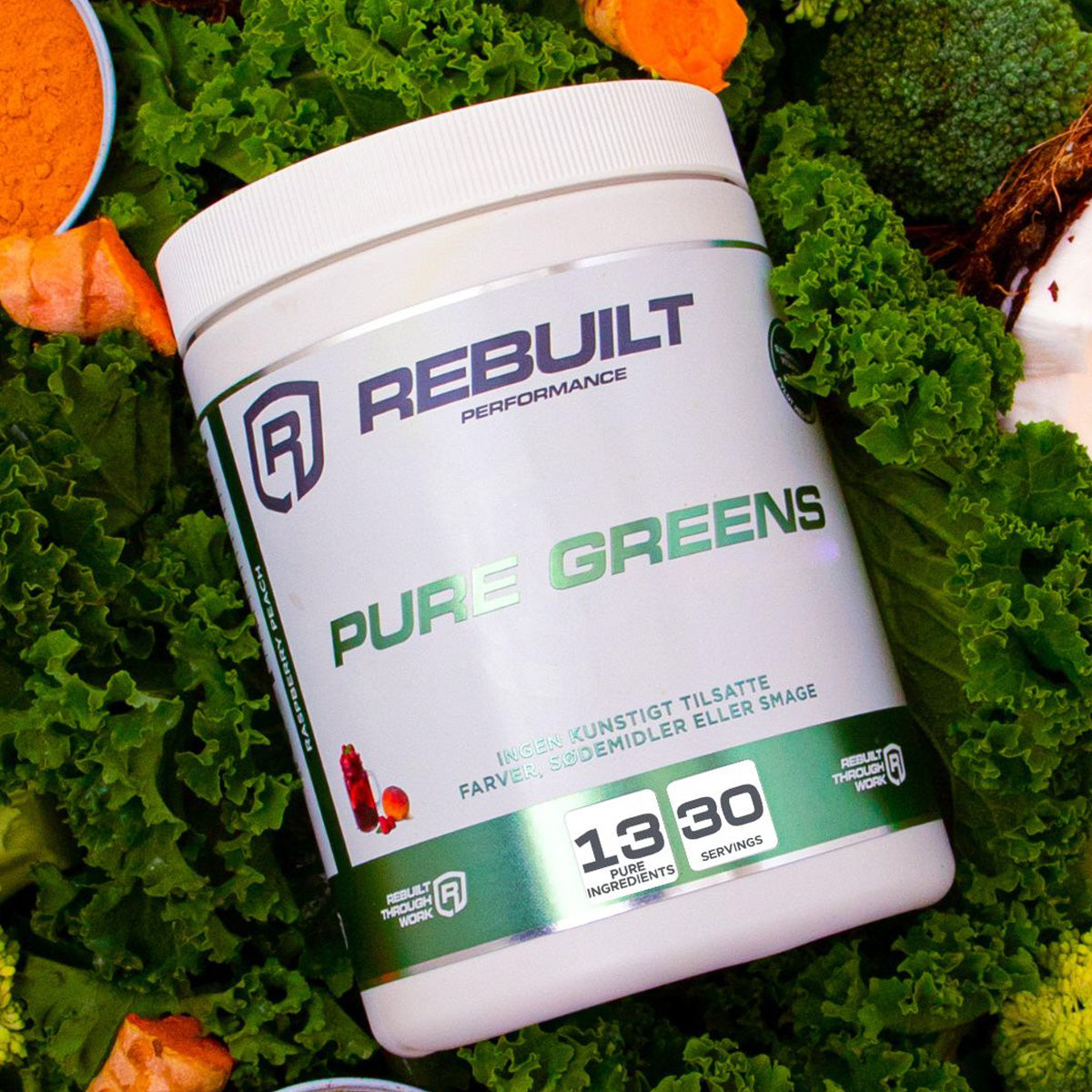
A high-quality greens blend like Rebuilt Pure Greens delivers concentrated nutrition from 13 carefully selected ingredients—including spirulina, chlorella, barley grass, and wheatgrass—without the bulk fiber load of a giant kale salad. One scoop (11g) gives you phytonutrients, trace minerals, and naturally occurring chlorophyll in a form that's easier on your digestive system.
Support Your Sleep and Gut with Rebuilt Pure Greens
Pure Greens combines nutrient-dense greens with spirulina and chlorella to support normal energy levels and immune function6—without the overnight bloat. Developed in Denmark with full transparency: 13 ingredients, no fillers, no lock-in subscriptions. Mix one scoop in water or a smoothie in the morning for sustained nutrition throughout the day.
5. Reduce Portion Sizes at Dinner
If you prefer to eat greens in the evening, scale back the portion. A modest side of sautéed spinach (1 cup cooked) is far less likely to cause overnight fermentation than a massive raw kale salad (3–4 cups). Save your largest vegetable servings for earlier in the day when your gut can handle them.
6. Chew Thoroughly and Eat Slowly
Digestion begins in your mouth. Chewing greens thoroughly breaks down cell walls mechanically, reducing the workload on your gut bacteria. Eating slowly also prevents you from swallowing excess air, which contributes to bloating. Aim for at least 20–30 chews per bite, especially with fibrous greens like kale or collards.
7. Support Your Microbiome Diversity Long-Term
The more diverse your gut microbiome, the better it handles fiber fermentation. Incorporate a wide variety of plant foods (at least 30 different types per week), include fermented foods regularly, minimize unnecessary antibiotic use, and consider a greens supplement to fill nutritional gaps on busy days. Rebuilt Pure Greens offers a convenient way to diversify your plant intake with 13 ingredients in one scoop—making it easier to hit that variety target without meal-prep overwhelm.
How Does Spirulina in Pure Greens Support Better Sleep and Reduced Fatigue?
Spirulina, a blue-green algae and key ingredient in Rebuilt Pure Greens, has been studied extensively for its role in supporting normal energy metabolism and reducing oxidative stress. A randomized controlled trial (RCT) published in Medicine & Science in Sports & Exercise found that spirulina supplementation significantly increased exercise performance and reduced oxidative stress in untrained subjects (Kalafati et al., 2010).7
Another RCT demonstrated that spirulina supplementation reduced both mental and physical fatigue compared to placebo,8 while a separate study showed improvements in sleep quality and reductions in perceived stress levels among participants taking spirulina.9 Spirulina supports normal antioxidant activity10 and provides a concentrated source of B vitamins, iron, and essential amino acids—all of which contribute to normal energy production and recovery.
By including spirulina alongside other nutrient-dense greens, Pure Greens delivers targeted support for individuals struggling with fatigue, poor sleep, or high stress—without the fiber overload that triggers nighttime bloating.
What About Greens Powders vs. Whole Leafy Greens—Which Is Better for Sleep?
Both have their place. Whole leafy greens provide fiber, which supports gut health and helps feed beneficial bacteria. Greens powders like Pure Greens offer concentrated micronutrients and phytonutrients in a low-fiber, highly bioavailable form that's gentler on digestion—especially at night.
The ideal approach: eat whole greens earlier in the day when your digestive system is active, and use a greens powder in the morning or early afternoon to boost your overall plant intake without adding bulk fiber late in the evening.
| Factor | Whole Leafy Greens (Raw/Cooked) | Rebuilt Pure Greens (Powder) |
|---|---|---|
| Fiber content | High (3–5g per serving) | Low (minimal bulk fiber) |
| Nutrient density | High (vitamins, minerals, phytonutrients) | Very high (concentrated from 13 ingredients) |
| Digestive load at night | Moderate to high (fermentation risk) | Low (easier on gut motility) |
| Convenience | Requires washing, chopping, cooking | Mix one scoop in 30 seconds |
| Best timing | Breakfast or lunch | Morning or early afternoon |
Should You Avoid Greens Entirely If You Have IBS or Digestive Issues?
No—but you may need to be more strategic. Many people with irritable bowel syndrome (IBS) or sensitive digestion can tolerate cooked greens, smaller portions, or greens powders better than large servings of raw vegetables. The key is finding your personal threshold.
Start with small amounts of well-cooked greens (spinach, bok choy) and gradually increase as tolerated. If whole greens consistently trigger symptoms, a greens powder can provide essential nutrients without the FODMAP load. Always work with a healthcare provider or registered dietitian if you have diagnosed digestive conditions.
How Does Nutrition Timing Affect GLP-1 Levels and Digestive Comfort?
If you're using GLP-1 receptor agonists (semaglutide, tirzepatide) for weight management or metabolic health, timing your fiber intake becomes even more critical. GLP-1 medications slow gastric emptying, which can amplify bloating, constipation, and gas when combined with high-fiber meals late in the day.
A 2023 review in Nutrients highlighted that many patients on GLP-1 therapy experience significant gastrointestinal side effects, including constipation and bloating, and noted the potential role of dietary fiber and supplementation in managing these symptoms.11 A 2025 position paper in the American Journal of Clinical Nutrition (Mozaffarian et al.) emphasized the importance of optimizing nutrition during GLP-1 treatment, particularly ensuring adequate protein and micronutrient intake to support lean mass and metabolic health.12
For individuals on GLP-1 medications, eating greens at breakfast or lunch—rather than dinner—helps ensure fiber moves through your system before the medication's peak effects slow digestion overnight. A morning serving of Pure Greens can support your nutrient needs without adding late-day fiber that exacerbates GLP-1-related bloating.
Where to Find the Best Greens Supplement for Sleep, Energy, and Digestive Comfort at Rebuilt
If you're ready to optimize your nutrition without the bloat, Rebuilt Pure Greens is designed for exactly this challenge. Developed in Denmark with complete transparency, Pure Greens contains 13 carefully selected ingredients—including spirulina, chlorella, barley grass, wheatgrass, alfalfa, and moringa—to support normal energy levels, immune function, and overall vitality.13
Here's what makes Pure Greens different:
- 13 nutrient-dense ingredients in every 11g scoop—no fillers, no artificial sweeteners, no proprietary blends hiding ingredient amounts.
- Danish-developed formula built on transparency and quality, not marketing hype.
- No lock-in subscriptions—order when you need it, pause anytime, full control over your routine.
- Spirulina and chlorella provide concentrated support for normal antioxidant activity and energy metabolism, backed by peer-reviewed research.14
- Convenient and gentle on digestion—mix in water, juice, or a smoothie in the morning for sustained nutrition throughout the day.
Rebuilt's approach is simple: give you the tools to become the best version of yourself through consistent, sustainable habits. Pure Greens fits into that vision by making it easier to fuel your body with the nutrients it needs—without the guesswork, the bloating, or the middle-of-the-night discomfort.
Shop Pure Greens now and experience the difference that timing, transparency, and quality make in your daily routine.
Frequently Asked Questions
Why do I get gas from leafy greens at night but not during the day?
Your digestive motility slows significantly during sleep, and the migrating motor complex (MMC)—the "cleaning wave" that moves undigested material through your gut—operates less frequently at night. When you eat high-fiber greens in the evening, fermentation gases (hydrogen, methane, CO₂) accumulate in your colon instead of dispersing, causing bloating and discomfort that wakes you up.
Can I still get the sleep benefits of magnesium and folate if I eat greens earlier in the day?
Yes. Magnesium and folate are absorbed in your small intestine and stored in your body's tissues and bloodstream. Eating greens at breakfast or lunch provides these nutrients throughout the day and into the evening, supporting normal relaxation and melatonin production at bedtime—without the late-night fermentation.
Is a greens powder like Pure Greens better for digestion than whole greens?
It depends on your goals and tolerance. Whole greens provide beneficial fiber that feeds gut bacteria, but they can trigger fermentation and bloating—especially at night or in people with sensitive digestion. A greens powder like Pure Greens delivers concentrated micronutrients and phytonutrients with minimal bulk fiber, making it gentler on digestion and ideal for morning use. Both have their place in a balanced routine.
What are the best greens to eat if I have IBS or bloating issues?
Start with low-FODMAP, well-cooked greens like spinach, bok choy, or Swiss chard in small portions (1 cup cooked). Avoid raw kale, large servings of cruciferous greens, and high-FODMAP options like Brussels sprouts or cabbage. If whole greens consistently cause symptoms, a greens powder can provide essential nutrients without triggering digestive distress.
Can fermented foods really help reduce gas from leafy greens?
Yes. The Stanford fermented-food study (Wastyk et al., 2021) demonstrated that consuming six servings of fermented foods daily significantly increased microbiome diversity and reduced inflammatory markers over 10 weeks.5 A more diverse microbiome processes fiber more efficiently and produces less gas during fermentation. Adding sauerkraut, kimchi, or natural yogurt to meals with greens can improve tolerance over time.
Should I avoid greens entirely if I'm on a GLP-1 medication like Ozempic or Mounjaro?
No—greens are valuable sources of nutrients that support metabolic health. However, because GLP-1 medications slow gastric emptying, eating high-fiber greens late in the day can worsen bloating and constipation. Time your greens earlier in the day, cook them to reduce fiber bulk, and consider a greens powder in the morning to meet your nutrient needs without amplifying GI side effects.
Claims Overview
- Magnesium supports normal muscle relaxation and helps regulate GABA receptors in the brain.
- Folate supports normal neurotransmitter production.
- Calcium supports normal circadian rhythm regulation.
- Dietary nitrates may support normal blood flow and oxygen delivery.
- Wastyk HC, Fragiadakis GK, Perelman D, et al. Gut-microbiota-targeted diets modulate human immune status. Cell. 2021;184(16):4137-4153.e14. PMID: 34256014.
- Spirulina and chlorella support normal energy levels and immune function.
- Kalafati M, Jamurtas AZ, Nikolaidis MG, et al. Ergogenic and antioxidant effects of spirulina supplementation in humans. Med Sci Sports Exerc. 2010;42(1):142-151. PMID: 19936191.
- PMID: 26888417 — spirulina RCT: reduces mental and physical fatigue.
- PMID: 34107141 — spirulina RCT: improved sleep quality and stress levels.
- Spirulina supports normal antioxidant activity.
- PMC9821052 — GLP-1 side effects: constipation, bloating, dietary supplements.
- Mozaffarian D, et al. Optimizing nutrition during pharmacotherapy for obesity: A American Heart Association scientific statement. Am J Clin Nutr. 2025;122:344-362.
- Pure Greens supports normal energy levels, immune function, and overall vitality.
- Spirulina and chlorella support normal antioxidant activity and energy metabolism.
References
- Magnesium supports normal muscle relaxation and GABA receptor regulation (general nutritional science).
- Folate supports normal neurotransmitter production (general nutritional science).
- Calcium supports normal circadian rhythm regulation (general nutritional science).
- Dietary nitrates support normal blood flow and oxygen delivery (general nutritional science).
- Wastyk HC, Fragiadakis GK, Perelman D, et al. Gut-microbiota-targeted diets modulate human immune status. Cell. 2021;184(16):4137-4153.e14. PMID: 34256014.
- Kalafati M, Jamurtas AZ, Nikolaidis MG, et al. Ergogenic and antioxidant effects of spirulina supplementation in humans. Med Sci Sports Exerc. 2010;42(1):142-151. PMID: 19936191.
- PMID: 26888417 — Spirulina supplementation reduces mental and physical fatigue (RCT).
- PMID: 34107141 — Spirulina supplementation improves sleep quality and reduces stress levels (RCT).
- PMC9821052 — GLP-1 receptor agonist side effects: constipation, bloating, and role of dietary supplements.
- Mozaffarian D, et al. Optimizing nutrition during pharmacotherapy for obesity: An American Heart Association scientific statement. Am J Clin Nutr. 2025;122:344-362.
These statements have not been evaluated by the Food and Drug Administration. This product is not intended to diagnose, treat, cure, or prevent any disease.

