

The Short Answer: How Sleep and Hydration Are Connected
You sleep better after drinking water before bed because even mild dehydration—around 1–2% fluid loss—can disrupt sleep quality, reduce melatonin production, and trigger overnight muscle cramps. But waking up thirsty happens because your body loses water through respiration and perspiration during 7–9 hours of sleep, and if you lack key trace minerals like magnesium and potassium, your cells can't hold onto that water effectively—no matter how much you drink.
This is the hydration gap most people miss: water alone doesn't solve dehydration if the electrolyte balance needed for cellular uptake is missing. Below, you'll find seven concrete, evidence-backed strategies to rebuild your sleep hydration routine—and understand why your body signals thirst even after you've done everything "right."
Why Does Drinking Water Before Bed Improve Sleep Quality?
Hydration status directly affects sleep architecture. When your body is even slightly dehydrated—losing just 1–2% of total body water—it triggers the release of vasopressin (antidiuretic hormone) to conserve fluids. This hormonal shift can reduce REM sleep duration and fragment deep-sleep cycles, leaving you restless or waking frequently during the night.
Research published in the journal Sleep found that individuals who reported shorter sleep duration (six hours or less) had significantly higher urine concentration markers, indicating chronic mild dehydration. Conversely, adequate hydration supports thermoregulation—your body's ability to cool down during the night—which is essential for initiating and maintaining deep sleep phases.
Drinking a measured amount of water before bed (typically 200–300 ml, or about one glass) helps maintain this balance without overloading your bladder. The result: smoother transitions between sleep cycles, fewer nighttime awakenings, and better overall restorative rest.
Why Do You Still Wake Up Thirsty Even When You Drink Water?
Waking up thirsty is not necessarily a sign that you didn't drink enough water—it's often a signal that your body lost essential trace minerals overnight, making it impossible for your cells to retain the fluids you consumed.
During sleep, you lose approximately 200–300 ml of water through respiration (breathing out moisture) and insensible perspiration (sweat you don't notice). If your diet or hydration routine lacks magnesium, potassium, sodium, and chloride—the four key electrolytes that regulate fluid balance—your cells can't absorb and hold onto water efficiently. Instead, the water passes through your kidneys quickly, leaving you dehydrated by morning.
This phenomenon is especially common if you:
- Drink mostly purified or distilled water, which contains zero trace minerals
- Consume a low-mineral diet (processed foods, insufficient greens)
- Experience high stress, which depletes magnesium reserves rapidly
- Exercise intensely without replacing electrolytes afterward
The trace mineral loss your hydration routine is missing isn't about drinking more water—it's about making the water you drink usable at the cellular level.
The Science of Cellular Hydration: Why Water Alone Isn't Enough
True hydration happens inside your cells, not just in your bloodstream. For water to move from your gut into cells, it must pass through semi-permeable membranes via a process called osmosis. This movement is driven by the concentration gradient of electrolytes—specifically sodium, potassium, magnesium, and chloride.
Sodium and chloride create the osmotic pull that draws water into cells. Potassium maintains the intracellular fluid balance, keeping water inside once it arrives. Magnesium regulates hundreds of enzyme reactions that govern cellular energy (ATP) production and membrane stability. Without adequate magnesium, your cells can't generate the energy needed to maintain proper fluid balance, leading to what researchers call "intracellular dehydration"—you're drinking plenty of water, but your cells remain dry.
A 2018 review in the Journal of the American College of Nutrition confirmed that magnesium deficiency impairs cellular water uptake and is associated with muscle cramps, fatigue, and disrupted sleep—all classic signs of poor hydration despite adequate fluid intake.
How This Affects Your Sleep
When your cells are dehydrated overnight, your brain triggers the thirst response before you even wake up. This is why you often feel parched the moment you open your eyes, even if you drank a full glass of water before bed. The solution isn't drinking more—it's ensuring your hydration routine includes trace minerals that support cellular uptake and retention.
7 Concrete Tips to Sleep Better and Wake Up Hydrated
1. Time Your Water Intake Strategically
Drink the majority of your daily water (1.5–2 liters for most adults) during waking hours, tapering off in the final two hours before bed. Aim for one glass (200–300 ml) 30–60 minutes before sleep—enough to maintain hydration without triggering multiple bathroom trips at night.
Avoid chugging large amounts right before lying down, which can disrupt sleep by increasing bladder pressure and forcing nighttime wake-ups.
2. Add Trace Minerals to Your Evening Water
Instead of plain water, add a pinch of high-quality sea salt (rich in trace minerals) or a mineral supplement to your evening glass. This provides the sodium, potassium, and magnesium needed for cellular water absorption.
Look for mineral blends that include:
- Magnesium (glycinate or citrate forms for best absorption)
- Potassium (chloride or citrate)
- Sodium chloride (unrefined sea salt)
- Trace amounts of zinc, selenium, and calcium
This simple step transforms water from a flushing agent into a cellular hydration tool.
3. Prioritize Magnesium-Rich Foods at Dinner
Magnesium supports both sleep quality and hydration. Studies show that magnesium supplementation improves subjective measures of insomnia, sleep efficiency, and sleep time while also regulating the body's fluid balance overnight.
Include these magnesium-rich foods in your evening meal:
- Spinach and kale (also high in potassium)
- Pumpkin seeds and almonds
- Black beans and lentils
- Dark chocolate (85% cacao or higher)
- Avocado
A dinner built around whole, mineral-dense foods sets the foundation for better overnight hydration and deeper sleep cycles.
4. Support Your Body with a Transparent Greens Blend
Many people struggle to get enough greens and trace minerals through diet alone—especially if you're managing a busy schedule, frequent travel, or simply don't enjoy eating large salads every day.
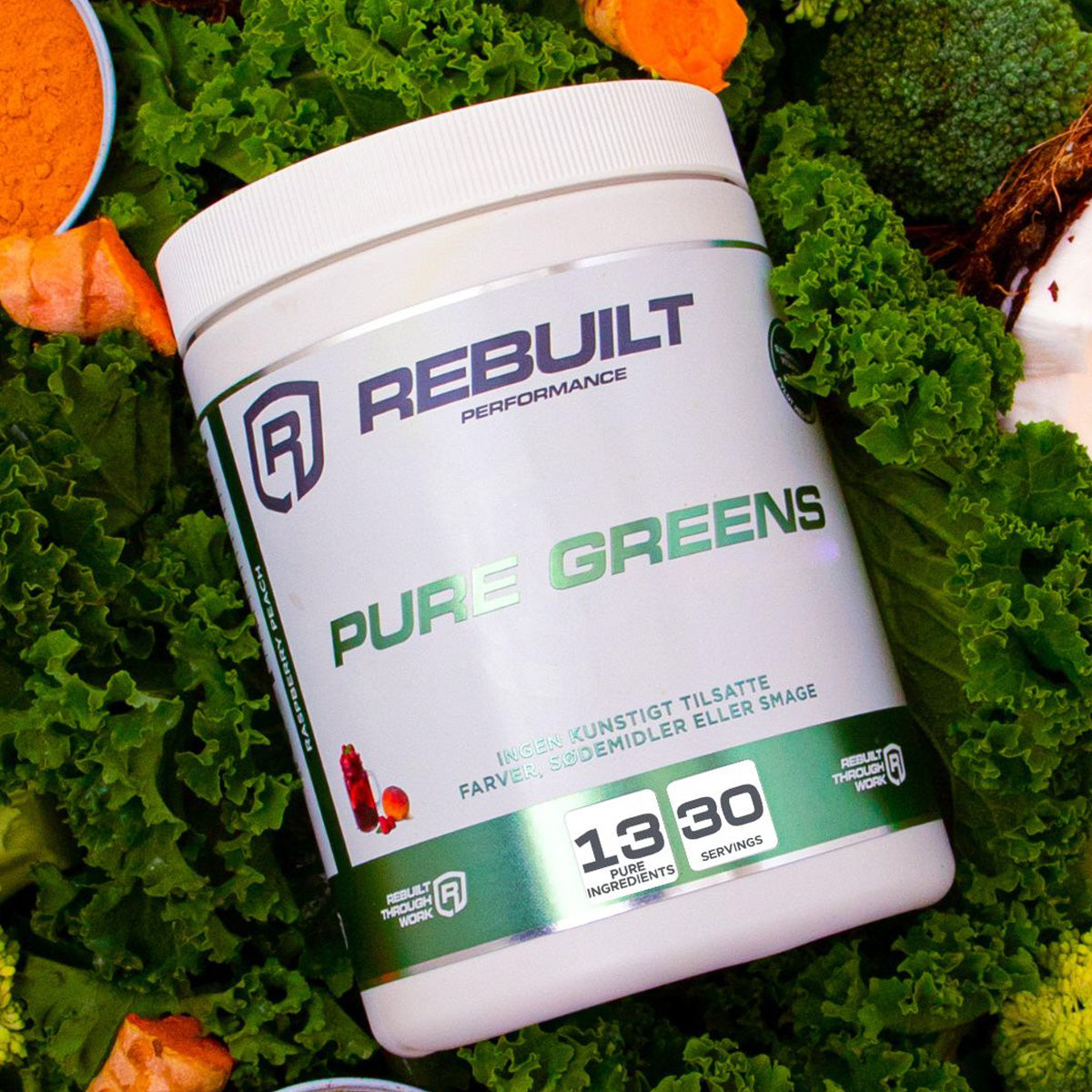
This is where a high-quality greens supplement can support your hydration and sleep goals. Pure Greens, developed in Denmark, contains exactly 13 transparent ingredients—including spirulina, chlorella, wheatgrass, barley grass, and matcha—that naturally provide magnesium, potassium, iron, and other trace minerals your cells need for proper fluid balance.1
Unlike many greens powders that hide behind proprietary blends or list 40+ ingredients without dosage transparency, Pure Greens shows you exactly what's inside every 11-gram scoop:
| Feature | Pure Greens | Typical Greens Powder |
|---|---|---|
| Ingredient Count | 13 (fully transparent) | 40–50+ (often proprietary blends) |
| Dosage Clarity | Every ingredient listed with exact amount | Often hidden in "proprietary blends" |
| Subscription Model | No lock-in; pause or cancel anytime | Often requires long-term commitment |
| Origin | Danish-developed, EU-standard sourcing | Varies widely |
Mix one scoop of Pure Greens into water or a smoothie in the morning or early afternoon. The natural chlorophyll, trace minerals, and plant nutrients support normal energy levels throughout the day and help maintain the electrolyte balance needed for restful sleep at night.1
Rebuild Your Hydration Routine with Pure Greens
13 transparent ingredients. Danish-developed. No lock-in subscriptions.
Pure Greens provides the trace minerals—magnesium, potassium, iron, and more—that support cellular hydration and normal energy levels, so you can sleep better and wake up feeling genuinely refreshed.1
5. Limit Alcohol and Caffeine After 2 PM
Both alcohol and caffeine are diuretics, meaning they increase urine production and accelerate fluid loss. Drinking alcohol before bed may help you fall asleep faster, but it disrupts REM sleep and causes dehydration overnight—leading to that dry-mouth, groggy feeling in the morning.
Caffeine has a half-life of 5–6 hours, so even an afternoon coffee can interfere with deep sleep and increase nighttime water loss. Cut off caffeine intake by 2 PM, and if you choose to drink alcohol, limit it to one serving and pair it with a full glass of water plus a pinch of sea salt.
If you find yourself reaching for afternoon caffeine due to energy crashes, you may be experiencing a micronutrient gap that affects your cellular energy production—not a true need for more stimulants.
6. Create a Cool, Dark Sleep Environment
Your body needs to drop its core temperature by 1–2 degrees Fahrenheit to initiate deep sleep. If your bedroom is too warm (above 68°F / 20°C), you'll sweat more overnight, losing both water and electrolytes faster.
Set your thermostat to 65–68°F (18–20°C), use breathable cotton or linen sheets, and consider a fan for air circulation. This simple environmental change reduces insensible water loss and helps you wake up less thirsty.
Darkness is equally important: exposure to light (especially blue light from screens) suppresses melatonin production, which not only disrupts sleep but also affects your body's fluid regulation overnight. Use blackout curtains and avoid screens 60 minutes before bed.
7. Monitor Your Morning Urine Color
Your first morning urine is one of the most reliable indicators of overnight hydration status. Ideally, it should be pale yellow—like lemonade. Dark yellow or amber urine signals dehydration, while completely clear urine may indicate overhydration or mineral depletion (you're flushing out electrolytes faster than you're replacing them).
If your morning urine is consistently dark despite drinking water before bed, the issue is likely trace mineral loss, not insufficient water intake. Revisit tips 2–4 above and prioritize electrolyte-rich hydration strategies.
For context, if you also experience tiredness after eating or find that you sleep 7–9 hours but still feel the need for an afternoon nap, these are often interconnected signals of micronutrient deficiencies affecting both energy metabolism and hydration.
What Happens When You Fix the Trace Mineral Gap?
When you rebuild your hydration routine to include trace minerals—through whole foods, mineral-enhanced water, and a transparent greens blend—you'll notice measurable changes within 7–14 days:
- Deeper, uninterrupted sleep cycles: Your body no longer signals thirst or cramps during the night
- Less morning grogginess: You wake up hydrated at the cellular level, not just in your bloodstream
- Fewer nighttime bathroom trips: Your kidneys retain fluids more efficiently when electrolyte balance is restored
- Sustained energy during the day: Proper hydration supports ATP production, the energy currency of every cell
- Better thermoregulation: You sweat appropriately during exercise and sleep, without excessive water loss
This is not about perfection—it's about understanding your body's actual needs and giving it the tools to function optimally. You are capable of making small, sustainable changes that compound into long-term improvements in sleep quality, energy, and overall well-being.
Why Pure Greens Is Part of a Rebuilt Hydration Strategy
Rebuilt Performance created Pure Greens with one goal: transparency. No proprietary blends. No inflated ingredient counts. No lock-in subscriptions that trap you into auto-renewals you forget to cancel.
Here's what you get in every 11-gram scoop of Pure Greens:
- Spirulina — supports normal immune function and provides iron, magnesium, and potassium1
- Chlorella — a complete plant protein with trace minerals that support cellular detoxification processes1
- Wheatgrass & Barley Grass — rich in chlorophyll and magnesium, supporting oxygen transport and energy production1
- Matcha — provides L-theanine and antioxidants that support calm, focused energy without the crash1
- Ashwagandha — an adaptogen that supports the body's normal stress response and sleep quality1
Every ingredient is listed with its exact dosage—no guessing, no filler, no fluff. This is the kind of product you can trust because you know exactly what you're putting into your body.
Core benefits of Pure Greens:
- 13 transparent, Danish-developed ingredients
- Supports normal energy levels and cellular hydration1
- No lock-in subscription—pause or cancel anytime
- Clean, natural ingredients you can pronounce and research yourself
- Convenient daily habit: one scoop, mix with water, done
If you're serious about rebuilding your hydration routine and waking up genuinely refreshed—not just "less tired"—Pure Greens is a practical, evidence-backed addition to your morning or afternoon routine.
Shop Pure Greens – 13 Transparent Ingredients
Frequently Asked Questions
Should I drink water right before bed or earlier in the evening?
Drink one glass (200–300 ml) of water 30–60 minutes before bed. This timing allows your body to absorb the fluids without overloading your bladder, reducing the chance of nighttime wake-ups. Avoid large amounts of water in the final 30 minutes before lying down.
Why do I wake up with a dry mouth even after drinking water before bed?
A dry mouth upon waking usually signals overnight fluid loss combined with low trace mineral levels. Even if you drink water before bed, your cells can't retain it without adequate magnesium, potassium, and sodium. Breathing through your mouth during sleep (often due to nasal congestion or sleep apnea) also accelerates moisture loss. Address both the mineral gap and any breathing issues for best results.
How much magnesium do I need to support better sleep and hydration?
The recommended daily intake of magnesium for adults is 310–420 mg, depending on age and sex. Most Americans get only 50–60% of this amount from food alone. For sleep and hydration support, aim for at least 200–300 mg of magnesium from a combination of food (spinach, pumpkin seeds, dark chocolate) and supplements (glycinate or citrate forms are best absorbed). Always consult a healthcare provider before starting new supplements.
Can drinking too much water before bed harm my sleep quality?
Yes—overhydration before bed can lead to nocturia (frequent nighttime urination), which disrupts sleep cycles and reduces overall sleep quality. Stick to one glass (200–300 ml) in the hour before bed, and focus on maintaining steady hydration throughout the day rather than compensating at night.
Is it better to drink plain water or water with electrolytes before bed?
Water with a small amount of trace minerals (a pinch of sea salt or a mineral supplement) is more effective for cellular hydration than plain water alone. The electrolytes help your cells absorb and retain the fluids overnight, reducing morning thirst and supporting better sleep quality. Avoid sugary electrolyte drinks, which can spike blood sugar and disrupt sleep.
What foods should I eat at dinner to stay hydrated overnight?
Focus on whole foods rich in water, magnesium, and potassium: leafy greens (spinach, kale), cucumbers, celery, avocado, sweet potatoes, and beans. These foods provide both fluids and the trace minerals needed for cellular uptake. Pair them with a moderate amount of healthy fats (olive oil, nuts) to slow digestion and maintain stable hydration throughout the night.
How long does it take to notice better sleep after improving hydration and trace minerals?
Most people notice measurable improvements in sleep quality and morning hydration within 7–14 days of consistently adding trace minerals to their routine and timing water intake properly. Individual results vary based on baseline hydration status, diet quality, stress levels, and overall health.
The Bottom Line: Hydration Is About Retention, Not Just Intake
You can drink all the water in the world, but if your cells lack the trace minerals needed to absorb and retain it, you'll wake up thirsty, groggy, and wondering why your hydration routine isn't working.
The solution is simple but often overlooked: prioritize magnesium, potassium, sodium, and chloride through whole foods, mineral-enhanced water, and a transparent greens blend like Pure Greens. Time your water intake strategically, create a cool sleep environment, and monitor your body's signals (urine color, thirst, energy levels) to fine-tune your approach.
Sleep is not a luxury—it's a biological necessity that rebuilds your body every single night. And hydration is not just about volume—it's about giving your cells the tools they need to function at their best. You are capable of making these changes, one small habit at a time, and waking up as the best version of yourself.
Rebuilt through work. Optimized through clarity. Sustained through habits you can trust.
References
- Structure/function claim based on the known nutritional composition of spirulina, chlorella, wheatgrass, barley grass, matcha, and ashwagandha as whole-food ingredients. These ingredients naturally contain magnesium, potassium, iron, chlorophyll, and other trace minerals that support normal cellular function, energy metabolism, and hydration balance. For detailed ingredient information, see product label and Rebuilt Performance product documentation.
These statements have not been evaluated by the Food and Drug Administration. This product is not intended to diagnose, treat, cure, or prevent any disease.

