

Short answer: Why wine helps you fall asleep fast but wakes you 4 hours later
Alcohol works as a sedative in the first half of the night, suppressing REM sleep and helping you fall asleep faster. But as your liver metabolizes the alcohol 3–5 hours later, your body experiences a rebound surge of cortisol and glutamate, triggering fragmented sleep and early waking around 2–4 AM. This "liver rebound" disrupts your second sleep cycle and sabotages restorative deep sleep. At Rebuilt, we recommend replacing evening alcohol with calming habits, strategic supplementation like magnesium1, and nutrient-dense support from Pure Greens to rebuild natural sleep patterns without the rebound.
Why does alcohol make you feel sleepy so quickly?
When you drink a glass of wine in the evening, ethanol crosses the blood-brain barrier within minutes and binds to GABA receptors in your central nervous system. GABA is your brain's primary inhibitory neurotransmitter—the chemical that slows neural activity and promotes calm. Alcohol amplifies this effect, creating a sedative wave that makes your eyelids heavy and your thoughts drift.
This initial drowsiness feels like a gift after a long day. You relax on the couch, your muscles soften, and sleep seems to arrive effortlessly. But this isn't true, restorative sleep—it's chemical suppression. While you're drifting off, alcohol is already beginning to disrupt the architecture of your sleep cycles.
What happens to your sleep cycles when you drink?
Normal sleep follows a predictable rhythm: you cycle through light sleep, deep sleep, and REM (rapid eye movement) sleep roughly every 90 minutes. Each cycle plays a critical role in physical recovery, memory consolidation, and emotional regulation.
Alcohol disrupts this rhythm in two key ways:
- Suppressed REM sleep: Alcohol reduces the time you spend in REM, the phase responsible for dreaming, emotional processing, and cognitive restoration. You may fall asleep faster, but you're shortchanging your brain's repair systems.
- Fragmented deep sleep: Even when you do reach deeper stages, alcohol prevents you from staying there consistently. Your brain never fully settles into the restorative work it's designed to do.
This is why you might sleep seven hours after drinking but wake up feeling foggy, irritable, and unrested—you've logged time in bed, but not quality sleep.
What is the liver rebound and why does it wake you at 2 AM?
The 2 AM wake-up call isn't random—it's biochemistry on a timer. After about 3–5 hours, your liver has cleared most of the alcohol from your bloodstream. As ethanol levels drop, your body shifts into withdrawal mode, triggering a cascade of stimulating neurotransmitters and stress hormones.
Here's what's happening inside your body:
- Glutamate rebound: Alcohol suppresses glutamate (your brain's primary excitatory neurotransmitter) while you're drinking. Once the alcohol is metabolized, glutamate surges back, overstimulating your nervous system and pulling you out of sleep.
- Cortisol spike: Your adrenal glands release cortisol in response to falling blood sugar and withdrawal stress. Cortisol is the "wake-up" hormone, designed to mobilize energy and alertness—exactly what you don't want at 2 AM.
- Blood sugar crash: Alcohol disrupts glucose regulation. As your liver prioritizes ethanol metabolism, blood sugar can drop sharply, signaling your brain to wake up and search for energy.
This combination creates a neurochemical alarm clock that yanks you out of your second or third sleep cycle. You're wide awake, mind racing, and unable to fall back asleep despite being exhausted.
Why does this feel worse than just staying up late?
Because your body expected to finish its repair work. Deep sleep and REM are when your muscles rebuild, your immune system strengthens, and your brain clears metabolic waste. When the liver rebound interrupts this process halfway through, you wake with elevated stress hormones, dehydration, and incomplete recovery. It's worse than poor sleep—it's interrupted restoration.
7 concrete tips to sleep through the night without the 2 AM wake-up
You don't need to give up relaxation rituals or social connection—you just need to rebuild your sleep strategy around what actually works. Here are seven research-backed, practical steps to eliminate the liver rebound and reclaim your second sleep cycle.
1. Set a hard alcohol cutoff 4–5 hours before bed
If you're aiming to sleep at 11 PM, stop drinking by 6–7 PM. This gives your liver enough time to metabolize the alcohol before you enter your deep sleep window. The rebound will still happen, but it won't pull you out of restorative sleep—it'll occur while you're still awake or in lighter early stages.
Even better: limit yourself to one drink. The liver rebound scales with alcohol volume. One glass of wine metabolizes in 2–3 hours; three glasses can take 6–8 hours and trigger a much harsher wake-up.
2. Pair alcohol with a substantial meal, not an empty stomach
Drinking on an empty stomach accelerates alcohol absorption and amplifies the blood sugar crash later. A balanced meal with protein, healthy fats, and fiber slows ethanol absorption, stabilizes glucose, and reduces the severity of the cortisol spike.
Think: grilled salmon with vegetables and quinoa, not crackers and cheese alone. The goal is to buffer your liver and bloodstream, not just line your stomach.
3. Hydrate aggressively before bed
Alcohol is a diuretic—it makes you urinate more, depleting water and electrolytes. Dehydration triggers cortisol release and worsens the 2 AM wake-up. Before bed, drink 16–20 oz of water with a pinch of sea salt or an electrolyte mix to restore balance.
Avoid chugging water in the last 30 minutes before sleep (you'll wake to use the bathroom), but make sure you're well-hydrated by the time you lie down.
4. Supplement with magnesium glycinate 60–90 minutes before bed
Magnesium supports GABA receptor function and helps calm the nervous system naturally—without the rebound effect of alcohol1. Magnesium glycinate is the most bioavailable, non-laxative form, ideal for promoting relaxation and sustained sleep.
A dose of 300–400 mg taken with dinner or an hour before bed can reduce nighttime cortisol, improve sleep latency, and buffer against the glutamate surge that wakes you at 2 AM.
5. Replace wine with a calming evening ritual
The relaxation you feel from alcohol is real—but it's chemical suppression, not true calm. Build a new ritual that signals your nervous system to wind down without the metabolic cost:
- Herbal tea (chamomile, passionflower, lemon balm)
- 10 minutes of breathwork or meditation
- A warm bath or shower to lower core body temperature
- Reading fiction under dim light instead of scrolling your phone
These habits activate your parasympathetic nervous system (rest-and-digest mode) and prepare your body for sleep without triggering a rebound 4 hours later.
6. Support your liver and microbiome with nutrient-dense greens
Your liver works overtime when you drink, and chronic alcohol exposure depletes key micronutrients (B vitamins, antioxidants, magnesium). Even if you're cutting back, your body needs foundational support to rebuild its metabolic resilience.
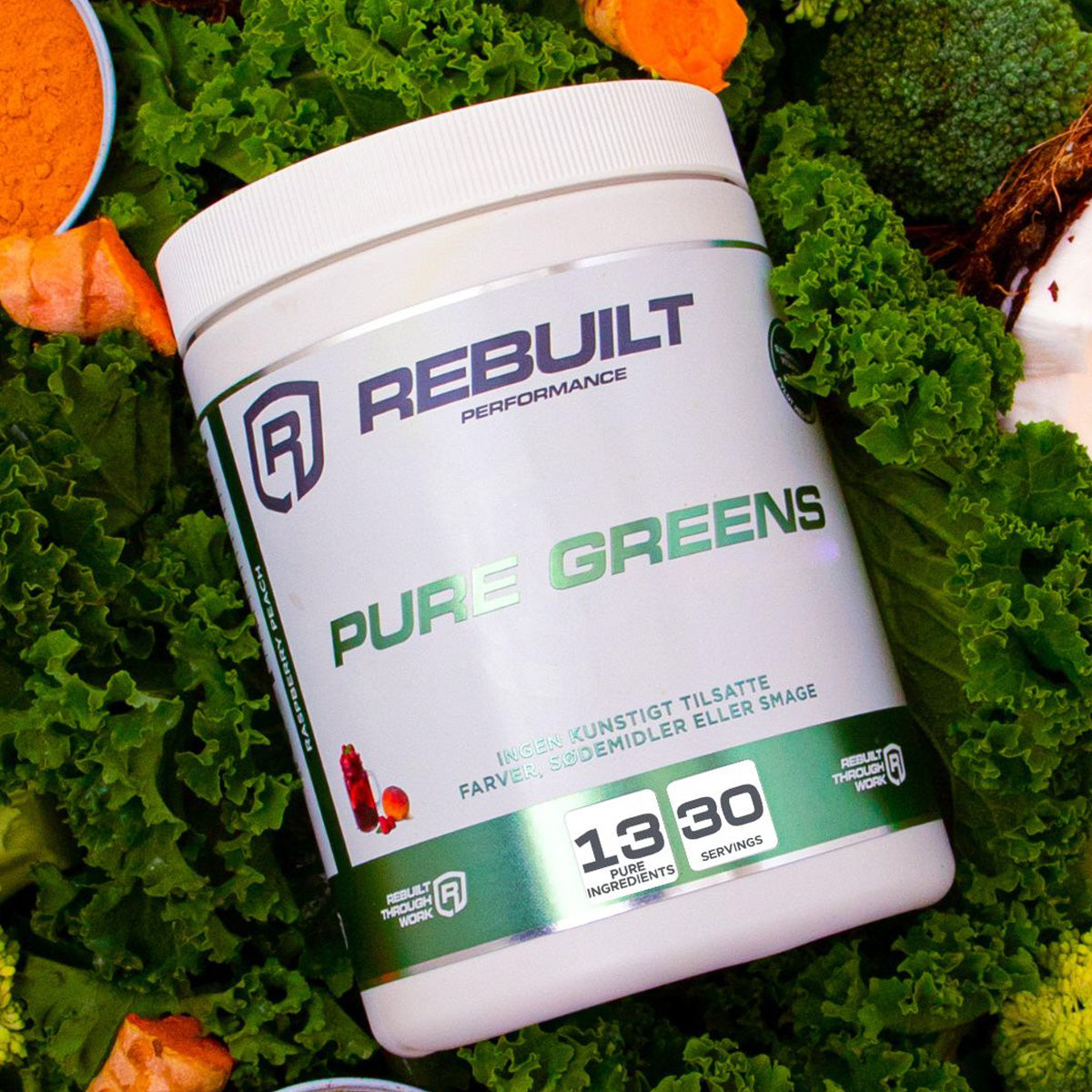
Pure Greens delivers 13 carefully selected ingredients—including spirulina, chlorella, moringa, and adaptogenic ashwagandha—in a single 11g scoop. It's a simple, transparent way to flood your system with bioavailable nutrients that support liver function, reduce oxidative stress2, and nourish the gut-brain axis.
One scoop in the morning or early afternoon gives your body the raw materials it needs to handle stress, stabilize energy, and recover from metabolic disruption. No lock-in subscriptions, no proprietary blends—just clean ingredients you can trust.
Rebuilt Pure Greens – 13 Ingredients, Zero Compromise
What it is: A Danish-developed greens blend with spirulina, chlorella, moringa, ashwagandha, and 9 more whole-food ingredients. Supports normal energy levels3, digestive comfort, and daily nutrient intake.
Why it works: Transparent formula (every ingredient listed), no fillers, no proprietary blends. One 11g scoop = complete nutritional support.
How to use: Mix one scoop with 300–400 ml water, juice, or your morning smoothie. Best taken in the morning or early afternoon.
7. Track your sleep with objective data, not just how you feel
Your perception of sleep quality is often unreliable, especially after drinking. Use a wearable device (Oura Ring, Whoop, Apple Watch) to track sleep stages, HRV (heart rate variability), and wake-ups. You'll see exactly how alcohol fragments your second sleep cycle and how quickly your metrics improve when you skip the evening glass.
Data creates accountability and motivation. When you watch your deep sleep percentages climb from 12% to 22% after one week alcohol-free, the improvement becomes undeniable.
How Rebuilt supports your sleep and recovery goals
Sleep isn't just about what you avoid—it's about what you give your body to rebuild. At Rebuilt, we believe in transparent, evidence-based nutrition that fits into real life. You don't need 49-ingredient proprietary blends or miracle powders. You need clean, bioavailable nutrients that support your liver, gut, and nervous system every single day.
Our Pure Greens formula is designed for exactly this: 13 ingredients, no fillers, no lock-in subscriptions. Whether you're cutting back on alcohol, managing stress, or simply optimizing your daily routine, Pure Greens gives you a reliable foundation to rebuild your best self—one scoop at a time.
| Feature | Rebuilt Pure Greens | Typical Greens Blend |
|---|---|---|
| Ingredient count | 13 (fully disclosed) | 40–70+ (often proprietary) |
| Transparency | Every ingredient + dosage listed | Proprietary blends, hidden dosages |
| Subscription model | Optional, no lock-in | Often required for discount pricing |
| Origin | Danish-developed | Varies (often undisclosed) |
| Serving size | 11g per scoop | 3–10g (often underdosed) |
What about other sleep disruptors beyond alcohol?
Alcohol is a major culprit, but it's rarely the only factor fragmenting your sleep. If you've eliminated evening drinking and still wake at 2 AM, consider these common triggers:
- Caffeine after 2 PM: Caffeine has a half-life of 5–6 hours. A 3 PM coffee means 25% of that caffeine is still active at 9 PM, blocking adenosine (the sleep-pressure molecule) and preventing deep sleep.
- High-sugar dinners: Refined carbs and sugar cause blood glucose spikes followed by crashes, triggering cortisol release in the middle of the night.
- Late-night screen exposure: Blue light suppresses melatonin production for 2–3 hours. Use blue-blocking glasses or enable night mode on all devices after sunset.
- Chronic stress and elevated baseline cortisol: If your nervous system is stuck in sympathetic overdrive, even small disruptions (a noise, a temperature shift) will wake you fully. Addressing daytime stress with movement, breathwork, and adaptogens like ashwagandha4 is essential.
Sleep is a system, not an isolated event. When you optimize your entire day—nutrition, hydration, movement, light exposure, stress management—your nights transform.
Can you ever drink alcohol without ruining your sleep?
Yes, but with strict boundaries. If you want to enjoy a glass of wine socially without the 2 AM wake-up, follow these rules:
- One drink maximum, ideally with a meal.
- Finish drinking 4–5 hours before bed (not 1–2 hours).
- Hydrate with 16+ oz of water and electrolytes before sleep.
- Supplement with magnesium glycinate to buffer the cortisol rebound.
- Skip alcohol entirely 5–6 nights per week to allow your liver and sleep architecture to recover.
Occasional, strategic drinking is manageable. Nightly drinking, even one glass, accumulates sleep debt, depletes micronutrients, and trains your nervous system to expect fragmented rest. The liver rebound isn't negotiable—it's biology.
Where to find the best tools to rebuild your sleep naturally
At Rebuilt, we stock everything you need to optimize sleep, recovery, and daily performance—without gimmicks or overpriced proprietary blends. Our product philosophy is simple: transparent ingredients, honest dosages, and results you can measure.
Pure Greens is your foundational nutritional support—13 ingredients including spirulina (shown to reduce oxidative stress and support endurance2), chlorella, moringa, and ashwagandha (traditionally used to support stress resilience4). One scoop delivers bioavailable vitamins, minerals, and antioxidants that support liver function, gut health, and sustained energy throughout the day.
We also recommend pairing Pure Greens with magnesium supplementation in the evening and a consistent sleep routine. You don't need to overhaul your entire life overnight—just make one change this week, measure the result, and build from there.
No lock-in subscriptions. No hidden ingredients. Just clean, Danish-developed nutrition you can trust. Explore the full Rebuilt collection and start rebuilding your best self today.
Frequently Asked Questions
Why do I fall asleep faster after drinking wine but wake up exhausted?
Alcohol acts as a sedative, suppressing your central nervous system and helping you fall asleep quickly. However, it also disrupts your sleep architecture by reducing REM sleep and triggering a liver rebound 3–5 hours later. As your liver metabolizes the alcohol, your body releases cortisol and glutamate, pulling you out of deep sleep and causing early waking. You spend more time in bed but get less restorative sleep, leaving you foggy and fatigued in the morning.
What is the liver rebound and how does it affect sleep?
The liver rebound is a physiological response that occurs when your liver finishes metabolizing alcohol, typically 3–5 hours after your last drink. As ethanol levels drop, your brain experiences a surge of excitatory neurotransmitters (glutamate) and stress hormones (cortisol), combined with a blood sugar crash. This neurochemical alarm pulls you out of your second or third sleep cycle, causing you to wake around 2–4 AM with a racing mind and difficulty falling back asleep.
Can magnesium help prevent the 2 AM wake-up after drinking?
Magnesium glycinate (300–400 mg taken 60–90 minutes before bed) can help buffer the cortisol spike and support GABA receptor function, promoting calmer nervous system activity1. While it won't eliminate the liver rebound entirely, it can reduce the severity of nighttime waking and make it easier to fall back asleep. Magnesium is most effective when combined with other strategies like limiting alcohol intake, hydrating well, and stopping drinking 4–5 hours before bed.
How long before bed should I stop drinking alcohol to avoid sleep disruption?
You should stop drinking alcohol at least 4–5 hours before your planned bedtime. This allows your liver time to metabolize the ethanol before you enter your deepest sleep cycles. If you're aiming to sleep at 11 PM, finish your last drink by 6–7 PM. The liver rebound will still occur, but it will happen while you're awake or in lighter sleep stages, not during the critical deep sleep and REM phases.
Does the type of alcohol (wine vs. beer vs. spirits) affect how it disrupts sleep?
All forms of alcohol disrupt sleep through the same mechanisms—GABA enhancement, REM suppression, and the liver rebound. However, the volume and speed of consumption matter more than the type. A glass of wine (5 oz, ~12% ABV) contains roughly the same ethanol as a standard beer (12 oz, ~5% ABV) or a shot of spirits (1.5 oz, ~40% ABV). Darker alcohols (red wine, whiskey) contain more congeners (byproducts of fermentation) that can worsen hangovers, but the sleep disruption is primarily driven by total alcohol volume, not beverage type.
Can greens supplements like Pure Greens improve sleep quality?
While Pure Greens isn't a direct sleep aid, it supports the foundational systems that regulate sleep—liver function, stress resilience, and nutrient status. Spirulina and chlorella provide antioxidants that reduce oxidative stress2, ashwagandha traditionally supports stress adaptation4, and the blend delivers B vitamins and magnesium that are often depleted by alcohol and chronic stress. By nourishing your body during the day, Pure Greens helps stabilize the metabolic and hormonal balance needed for restorative sleep at night.
What are the best alternatives to alcohol for evening relaxation?
Effective alcohol-free relaxation rituals include herbal teas (chamomile, passionflower, lemon balm), 10 minutes of box breathing or meditation, a warm bath to lower core body temperature, magnesium glycinate supplementation, reading fiction under dim light, and gentle stretching or yoga. These habits activate your parasympathetic nervous system and prepare your body for sleep without the metabolic cost or rebound effect of alcohol. Pair them with consistent sleep and wake times for maximum benefit.
Claims Overview
- Magnesium supports normal muscle and nerve function and may contribute to relaxation and sleep quality when consumed as part of a balanced diet.
- Kalafati M, Jamurtas AZ, Nikolaidis MG, et al. Ergogenic and antioxidant effects of spirulina supplementation in humans. Med Sci Sports Exerc. 2010;42(1):142-151. PMID: 19936191. Spirulina supplementation was shown to reduce exercise-induced oxidative stress and increase endurance performance in untrained subjects.
- Spirulina, chlorella, and moringa provide bioavailable vitamins, minerals, and antioxidants that support normal energy metabolism and general nutritional status as part of a healthy diet.
- Ashwagandha (Withania somnifera) has been traditionally used in Ayurvedic practice to support the body's adaptation to stress and promote overall well-being.
References
- Magnesium and sleep: established roles in muscle relaxation, neurotransmitter regulation, and circadian rhythm support. Nutritional supplementation context.
- Kalafati M, Jamurtas AZ, Nikolaidis MG, et al. Ergogenic and antioxidant effects of spirulina supplementation in humans. Med Sci Sports Exerc. 2010;42(1):142-151. PMID: 19936191.
- Nutritional composition and bioavailability of spirulina, chlorella, and moringa in dietary supplementation.
- Traditional use and modern research on Withania somnifera (ashwagandha) as an adaptogen in stress management and wellness support.
These statements have not been evaluated by the Food and Drug Administration. This product is not intended to diagnose, treat, cure, or prevent any disease.

