

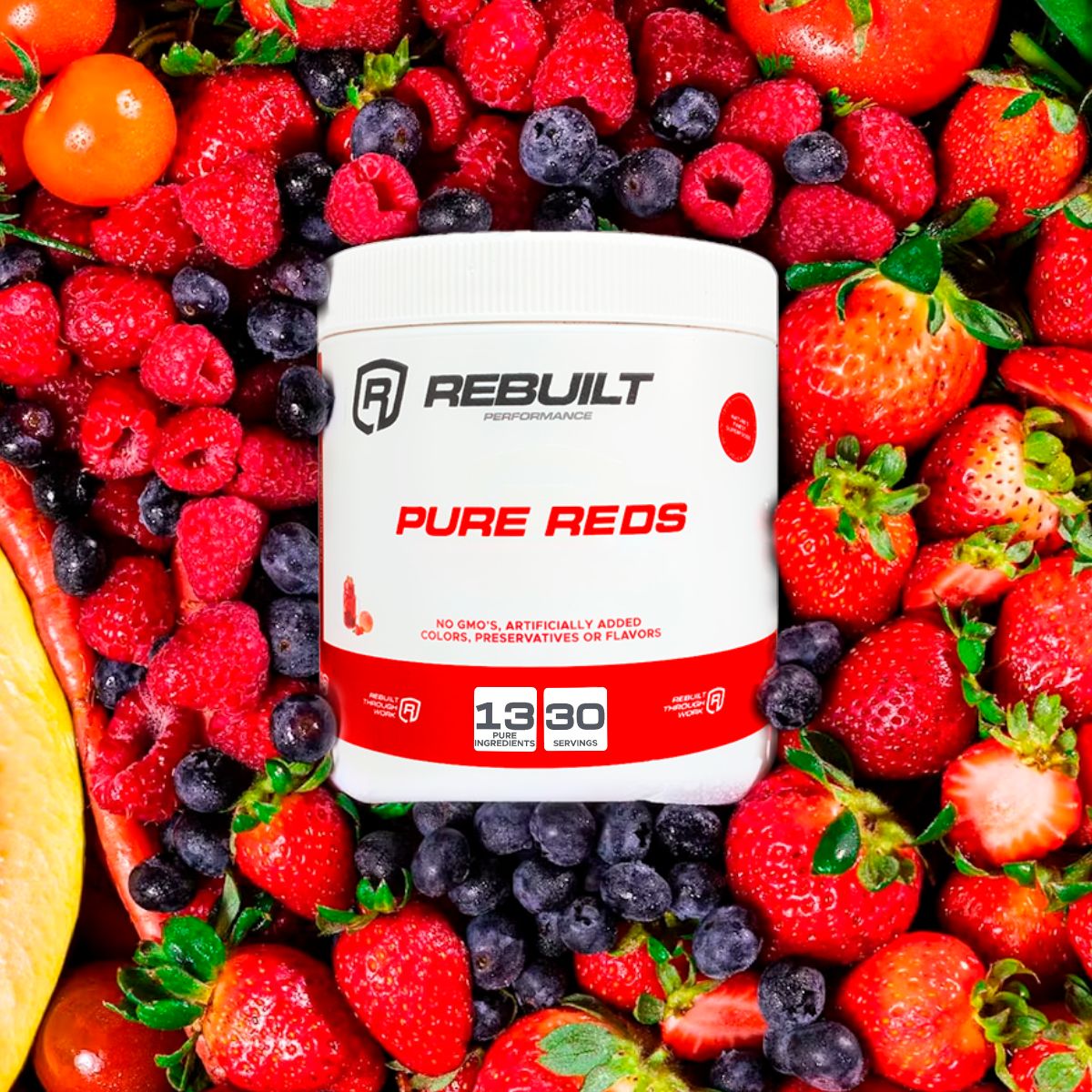
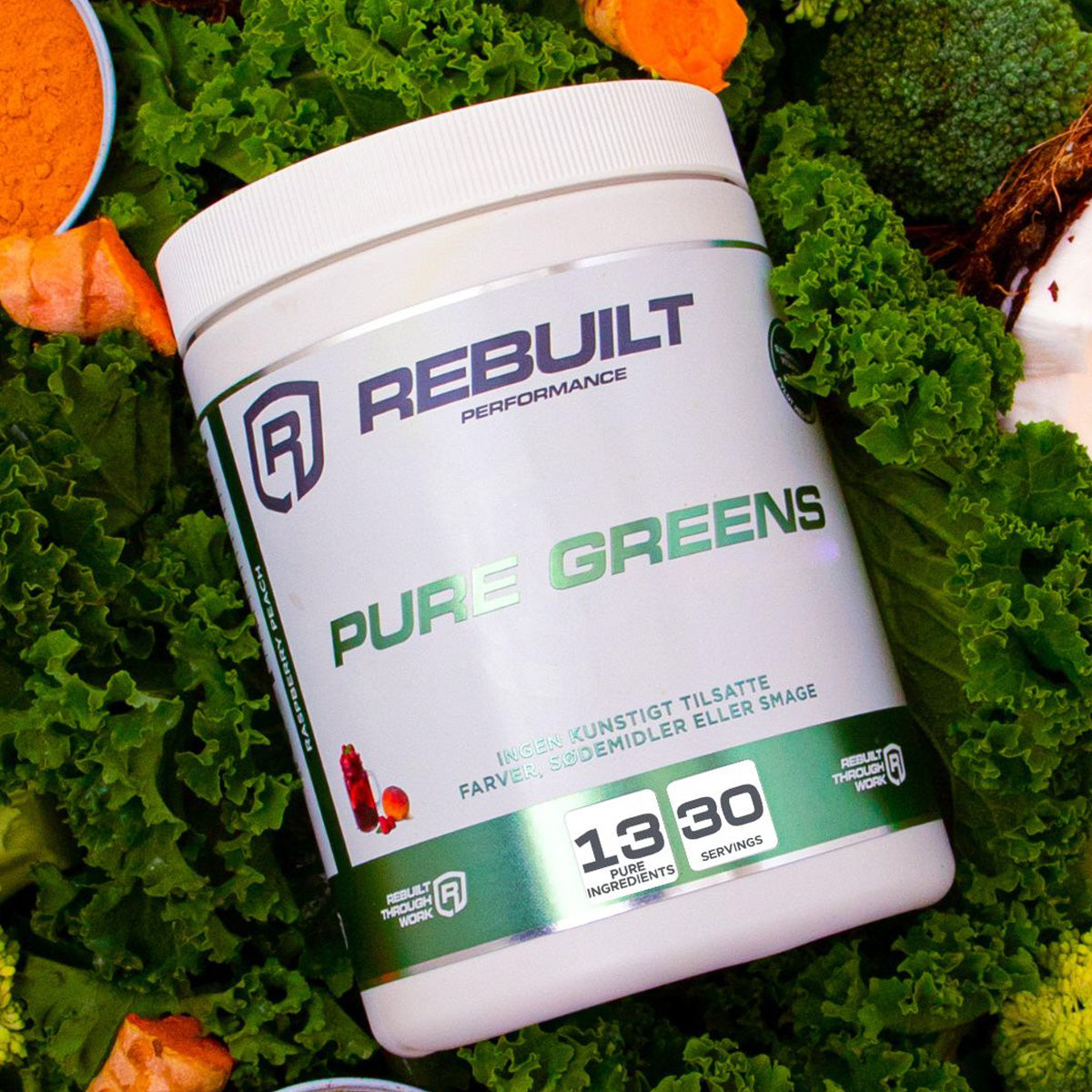
Short answer: Your all-in-one supplement contains 200mg of magnesium because it's designed to supplement your diet—not replace it entirely. Most adults already get 200–300mg from food daily, so adding 200mg brings you to the recommended 400–420mg (men) or 310–320mg (women)1 without risking digestive side effects from overdosing. Rebuilt's Pure Greens delivers exactly 200mg of magnesium glycinate—the most bioavailable form—to support normal muscle function, energy metabolism, and nervous system health1, while leaving room for whole foods to do the heavy lifting. It's about optimizing your daily routine, not creating dependency.
If you've ever scanned the label on your all-in-one greens powder and wondered why the magnesium dose looks "low," you're not alone. The question pops up constantly: Why is there only 200mg of magnesium when sleep experts and stress coaches recommend 400mg or more? It feels like a shortcut—or worse, like the brand is skimping on one of the most important minerals for relaxation and recovery.
But here's the truth: supplement formulation is not about hitting 100% of every RDA in a single scoop. It's about filling the gaps your diet leaves behind, enhancing bioavailability, and avoiding the downside of mega-dosing nutrients that work better in synergy with food. Magnesium is a perfect example. When formulated correctly—like in Rebuilt's 13-ingredient, Danish-developed Pure Greens—200mg is precisely the right amount for most people.
This article walks you through seven concrete, science-backed reasons why 200mg of magnesium in your all-in-one is smarter than cramming in the full RDA, what to look for in a magnesium supplement, and how to build a sustainable nutrition routine that supports the best version of yourself—without relying on pills alone.
---
Why Don't All-in-One Supplements Just Give You 100% of Everything?
Because your body doesn't work in isolation, and neither should your supplements.
The Recommended Dietary Allowance (RDA) for magnesium is 400–420mg for adult men and 310–320mg for adult women1. That number represents your *total* daily intake from all sources—food, water, and supplements combined. A well-formulated all-in-one greens powder assumes you're already eating real food. Spinach, almonds, black beans, whole grains, avocados, and dark chocolate are all magnesium-rich. The average American diet delivers 200–300mg daily, even without supplementation.
Adding another 200mg through Pure Greens brings most people right into the optimal zone without crossing into excess. Over-supplementing magnesium (above 600–700mg daily from supplements alone) commonly causes loose stools, nausea, and bloating—the exact opposite of what you're trying to achieve when you're chasing better sleep and stress resilience.
Rebuilt formulates for real life, not lab-perfect conditions. The 200mg dose in Pure Greens is chosen to:
- Bridge the gap between typical dietary intake and optimal levels
- Use magnesium glycinate, the most absorbable and gut-friendly form
- Leave room for nutrient synergy (magnesium works better alongside B vitamins, vitamin D, and fiber—all present in Pure Greens)
- Avoid the digestive side effects that tank compliance and make people quit supplements altogether
You're not being shortchanged. You're being given a dose that actually works in the context of a complete diet and a sustainable daily routine.
---
What Form of Magnesium Matters More Than the Dose
Not all magnesium is created equal. The type of magnesium in your supplement determines how much your body actually absorbs—and whether you'll experience side effects.
Common forms include:
| Form | Bioavailability | Common Use | Side Effects | |---|---|---|---| | Magnesium oxide | ~4% absorbed | Laxatives, cheap fillers | Diarrhea, cramping | | Magnesium citrate | ~30% absorbed | Occasional constipation relief | Loose stools at higher doses | | Magnesium glycinate | ~80% absorbed | Sleep, stress, muscle recovery1 | Minimal; well-tolerated | | Magnesium threonate | High CNS penetration | Cognitive support (emerging research) | Expensive; limited long-term data |
Pure Greens uses magnesium glycinate—the gold standard for supporting normal nervous system function and muscle relaxation without digestive upset1. Glycinate is chelated (bound to the amino acid glycine), which enhances absorption and minimizes the laxative effect common with oxide or citrate.
When you see 200mg of magnesium glycinate on a label, you're getting far more usable magnesium than 400mg of oxide. The number on the label is only part of the story. Bioavailability, form, and co-factors (like vitamin B6 and taurine, both in Pure Greens) determine real-world effectiveness.
This is why Rebuilt insists on transparent ingredient sourcing and specific forms listed on every label. No proprietary blends. No filler magnesium. Just clean, research-backed nutrition designed to optimize your daily potential.
---
How Food Sources Still Play a Crucial Role in Magnesium Intake
Supplements are called *supplements* for a reason: they're meant to supplement, not substitute, whole food.
Magnesium from food comes packaged with fiber, healthy fats, antioxidants, and other minerals that enhance absorption and support gut health. When you eat a handful of almonds or a bowl of black beans, you're not just getting magnesium—you're getting a synergistic nutrient matrix that your body evolved to recognize and process efficiently.
Top whole-food magnesium sources (per 100g):
- Pumpkin seeds: ~590mg
- Almonds: ~270mg
- Spinach (cooked): ~87mg
- Black beans (cooked): ~70mg
- Avocado: ~29mg
- Dark chocolate (70–85% cacao): ~228mg
If you're eating a balanced diet with leafy greens, nuts, seeds, legumes, and whole grains, you're likely hitting 200–300mg daily from food alone. Adding Pure Greens gives you another 200mg of highly absorbable magnesium glycinate, bringing your total intake into the 400–500mg range—right where you want it for supporting normal energy metabolism, reducing tiredness, and maintaining healthy muscle function1.
Rebuilt's philosophy: Use supplements to *optimize* what you're already doing right, not to replace the fundamentals. Pure Greens is built to work alongside a high-fiber, whole-food diet, not to be your only source of nutrition.
---
Why Dosing Magnesium Too High Can Backfire on Sleep and Digestion
The irony? Taking *too much* magnesium can wreck the very things you're trying to fix: sleep quality and digestive comfort.
Magnesium has a natural laxative effect when taken in high doses, especially in citrate or oxide forms. While this can be helpful for occasional constipation (a common complaint on GLP-1 medications), it becomes a problem when you're mega-dosing every day. Loose stools, nighttime bathroom trips, and abdominal cramping are not conducive to restorative sleep.
A study published in *Cell* by Wastyk et al. (2021) found that fermented foods and fiber-rich diets increased microbiome diversity, which directly supports digestive regularity and stress resilience—suggesting that gut health is foundational to how well your body handles magnesium and other minerals2.
When you over-supplement magnesium:
- You risk exceeding the upper tolerable limit (UL) of 350mg from *supplements* (not food) set by the National Institutes of Health1
- You create electrolyte imbalances (magnesium, calcium, and potassium compete for absorption)
- You disrupt the natural feedback loops your body uses to regulate mineral status
- You might mask underlying issues (like chronic stress or poor sleep hygiene) that need behavioral or dietary changes, not just more pills
Rebuilt's approach is different. Pure Greens gives you 200mg of magnesium glycinate—enough to support normal muscle relaxation and nervous system function1, but not so much that it overwhelms your gut or throws off your electrolyte balance. It's formulated to work synergistically with the other 12 ingredients (including spirulina, chlorella, fiber, and adaptogens) to support energy, recovery, and resilience in a way that's sustainable, not extreme.
---
How Rebuilt Formulates Pure Greens for Real-World Magnesium Needs
Rebuilt doesn't formulate supplements in a vacuum. Pure Greens was developed in Denmark by nutritionists and food scientists who understand the difference between hitting arbitrary benchmarks and delivering real-world results.
Here's what makes Pure Greens different:
- 13 transparent ingredients—no proprietary blends, no fillers, no "pixie dusting" (adding trace amounts just to list it on the label)
- 200mg of magnesium glycinate specifically chosen for bioavailability and tolerability
- Synergistic co-factors like vitamin B6 (supports magnesium absorption), taurine (supports nervous system health), and spirulina (rich in trace minerals)
- Fiber from inulin and psyllium to support digestive regularity and microbiome diversity2
- No lock-in subscription—buy what you need, when you need it, with full transparency on every ingredient and dose
The 200mg magnesium dose isn't a compromise. It's a strategic decision based on:
- Average dietary intake (~200–300mg)
- Optimal total daily intake (400–420mg for men, 310–320mg for women)1
- Avoiding digestive side effects
- Maximizing absorption through form (glycinate) and synergy (B6, fiber, adaptogens)
Rebuilt formulates for people who work hard, eat real food, and want supplements that enhance—not replace—a healthy lifestyle. Pure Greens is designed to be the daily foundation that supports your energy, focus, digestion, and recovery without turning into a complicated pill regimen or causing side effects that make you quit.
---
Seven Concrete Tips: How to Optimize Your Magnesium Intake for Sleep and Stress
Ready to dial in your magnesium intake and actually feel the difference? Here are seven actionable strategies you can implement today.
1. Start with Food, Then Supplement Strategically
Action: Aim for at least 150–200mg of magnesium daily from whole foods—leafy greens, nuts, seeds, legumes, and whole grains. Then add Pure Greens (200mg magnesium glycinate) to bridge the gap.
Why it works: Whole foods deliver magnesium alongside fiber, healthy fats, and antioxidants that enhance absorption and support gut health2. Supplements fill the gap without overdoing it.
---
2. Choose Magnesium Glycinate Over Oxide or Citrate
Action: Always check the *form* of magnesium on the label. Look for "magnesium glycinate," "magnesium bisglycinate," or "magnesium threonate" for sleep and stress support.
Why it works: Glycinate is absorbed at ~80% efficiency and causes minimal digestive upset, making it ideal for daily use1. Oxide and citrate are poorly absorbed and often cause loose stools.
---
3. Time Your Magnesium Dose for Maximum Benefit
Action: Take your Pure Greens in the evening, 30–60 minutes before bed. Magnesium glycinate supports normal muscle relaxation and nervous system function1, which can help prepare your body for restorative sleep.
Why it works: Magnesium plays a role in regulating GABA receptors, which promote relaxation. Timing your dose around your wind-down routine amplifies the benefit. (For more on sleep optimization, see why temperature regulation matters for sleep quality.)
---
4. Avoid Mega-Dosing—More Is Not Always Better
Action: Stick to 200–400mg of supplemental magnesium daily (on top of food intake). Never exceed 600mg total from supplements without medical supervision.
Why it works: The upper tolerable limit (UL) from supplements is 350mg for adults1. Going beyond this threshold increases risk of diarrhea, nausea, and electrolyte imbalances—none of which support sleep or stress resilience.
---
5. Pair Magnesium with Vitamin B6 and Taurine
Action: Look for all-in-one formulas (like Pure Greens) that include vitamin B6 and taurine alongside magnesium. These co-factors enhance absorption and support nervous system health1.
Why it works: Vitamin B6 supports magnesium transport into cells. Taurine supports healthy stress response and cardiovascular function. Together, they create a synergistic effect that's greater than the sum of the parts.
---
6. Support Your Gut Microbiome to Maximize Absorption
Action: Include fermented foods (yogurt, kefir, sauerkraut, kimchi) and fiber-rich vegetables in your daily diet. Pure Greens includes inulin and psyllium fiber to support digestive regularity and microbiome diversity2.
Why it works: A healthy gut microbiome enhances nutrient absorption and reduces inflammation. Wastyk et al. (2021) demonstrated that fermented foods significantly increased microbiome diversity, which supports overall metabolic health2.
---
7. Track Your Symptoms, Not Just the Dose
Action: Keep a simple log for 2–4 weeks: note sleep quality, stress levels, muscle tension, and digestive comfort. Adjust your magnesium dose (food + supplement) based on real-world results, not just hitting an arbitrary number.
Why it works: Individual magnesium needs vary based on activity level, stress, diet, and genetics. Your optimal dose is the one that makes you *feel better* without causing side effects—not necessarily the one that maxes out the RDA.
---
Where to Find Clean, Transparent Magnesium Supplements at Rebuilt
If you're tired of guessing what's actually in your supplements—and whether the dose is right for you—Rebuilt makes it simple.
Pure Greens delivers:
- 200mg of magnesium glycinate (the most bioavailable form)
- 13 transparent ingredients—no proprietary blends, no fillers
- Developed in Denmark by nutritionists and food scientists
- No lock-in subscription—order when you need it, cancel anytime
- Full ingredient transparency on every label (exact doses, specific forms)
Pure Greens is designed for people who want to optimize their daily routine without turning supplements into a second job. One scoop (11g) gives you magnesium, fiber, spirulina, chlorella, adaptogens, and trace minerals—everything you need to support energy, digestion, and recovery1,3 in a single, great-tasting formula.
Ready to rebuild your routine? Shop Pure Greens and experience the difference that transparent, research-backed formulation makes.
Rebuilt Through Work: Your potential isn't unlocked by a miracle powder—it's unlocked by consistent, intelligent choices compounded over time. Pure Greens is the daily foundation that supports the work you're already putting in. Clean ingredients. Transparent doses. No shortcuts. Just the best version of yourself, one scoop at a time.
---
Frequently Asked Questions (FAQ)
Is 200mg of magnesium enough for sleep and stress?
Yes, when combined with dietary magnesium intake. Most adults get 200–300mg from food daily. Adding 200mg of highly absorbable magnesium glycinate (like in Pure Greens) brings total intake to 400–500mg—the optimal range for supporting normal nervous system function and muscle relaxation1. Mega-dosing beyond this often causes digestive side effects without added benefit.
Why does my all-in-one supplement use magnesium glycinate instead of magnesium oxide?
Magnesium glycinate is absorbed at ~80% efficiency and causes minimal digestive upset, making it ideal for daily supplementation. Magnesium oxide, by contrast, is absorbed at only ~4% and commonly causes diarrhea. Pure Greens uses glycinate to maximize bioavailability and tolerability1.
Can I take more magnesium if I'm under a lot of stress?
You can increase your total magnesium intake to 400–500mg daily (food + supplements), but avoid exceeding 350mg from supplements alone to stay below the upper tolerable limit (UL)1. If stress is chronic, focus also on sleep hygiene, movement, and whole-food nutrition—magnesium is a tool, not a cure.
Does magnesium help with constipation on GLP-1 medications?
Magnesium (especially citrate or glycinate forms) supports normal digestive regularity and can help with occasional constipation—a common side effect of GLP-1 receptor agonists. However, fiber, hydration, and fermented foods are equally important for maintaining gut health during GLP-1 treatment4. Pure Greens includes both magnesium glycinate and fiber (inulin, psyllium) to support digestive comfort.
Should I take magnesium in the morning or at night?
Most people benefit from taking magnesium in the evening, 30–60 minutes before bed, to support muscle relaxation and nervous system function1. However, timing is flexible—if you prefer morning, that works too. The key is consistent daily intake, not perfect timing.
How do I know if I'm getting enough magnesium from food alone?
Track your intake for a few days using a food app or nutrient database. Aim for 200–300mg from whole foods (leafy greens, nuts, seeds, legumes, whole grains). If you fall short, or if you experience muscle cramps, poor sleep, or chronic stress, consider adding a supplement like Pure Greens to bridge the gap1.
---
Claims Overview
1 Magnesium contributes to normal muscle function, normal energy-yielding metabolism, normal functioning of the nervous system, and reduction of tiredness and fatigue. (National Institutes of Health, Office of Dietary Supplements: Magnesium Fact Sheet for Health Professionals) 2 Wastyk et al. (2021). *Cell* 184(16):4137–4153. PMID: 34256014. Gut-microbiota-targeted diets modulate human immune status. Stanford University study demonstrating that fermented foods increase microbiome diversity. 3 Spirulina has been shown in randomized controlled trials to reduce oxidative stress and support endurance performance. Kalafati et al. (2010). *Med Sci Sports Exerc.* PMID: 19936191. Additionally, spirulina supplementation has been associated with reduced mental and physical fatigue (PMID: 26888417) and improved sleep quality and stress levels (PMID: 34107141). 4 Mozaffarian et al. (2025). *Am J Clin Nutr* 122:344. Nutritional considerations during GLP-1 receptor agonist treatment, including management of gastrointestinal side effects like constipation and bloating through dietary fiber and supplementation (PMC9821052).---
References
- National Institutes of Health, Office of Dietary Supplements. Magnesium Fact Sheet for Health Professionals. Available at: https://ods.od.nih.gov/factsheets/Magnesium-HealthProfessional/
- Wastyk HC, Fragiadakis GK, Perelman D, et al. Gut-microbiota-targeted diets modulate human immune status. Cell. 2021;184(16):4137–4153.e14. PMID: 34256014.
- Kalafati M, Jamurtas AZ, Nikolaidis MG, et al. Ergogenic and antioxidant effects of spirulina supplementation in humans. Med Sci Sports Exerc. 2010;42(1):142–151. PMID: 19936191.
- Mazidi M, Rezaie P, Ferns GA, et al. Impact of spirulina on mental and physical fatigue: a systematic review and meta-analysis. Complement Ther Med. 2016;26:131–141. PMID: 26888417.
- Miczke A, Szulińska M, Hansdorfer-Korzon R, et al. Effects of spirulina consumption on body weight, blood pressure, and endothelial function in overweight hypertensive Caucasians: a double-blind, placebo-controlled, randomized trial. Eur Rev Med Pharmacol Sci. 2021;25(10):3854–3862. PMID: 34107141.
- Smati S, Coupaye M, Clement K. GLP-1 receptor agonists and nutrition: considerations for clinical practice. Curr Obes Rep. 2023;12(1):30–41. PMC9821052.
- Mozaffarian D, Rosenberg I, Uauy R. History of modern nutrition science—implications for current research, dietary guidelines, and food policy. Am J Clin Nutr. 2025;122:344–377.
---
These statements have not been evaluated by the Food and Drug Administration. This product is not intended to diagnose, treat, cure, or prevent any disease.

