


Intestinal gas relief begins with understanding the root cause—whether it's swallowed air, bacterial fermentation, or dietary triggers—and implementing targeted dietary, lifestyle, and supplementation strategies to reduce gas production and support normal digestive function. Most people can experience significant relief within 24-72 hours by adjusting meal timing, reducing gas-forming foods, and supporting their gut microbiome.
Gas and bloating affect an estimated 16-30% of the general population regularly, often disrupting daily comfort and confidence. While occasional gas is a normal part of digestion, persistent or painful trapped gas signals an imbalance that can be addressed naturally. This guide provides seven evidence-based methods to reduce intestinal gas and restore digestive ease.
What Causes Intestinal Gas to Build Up?
Intestinal gas accumulates through two primary pathways: swallowed air (aerophagia) and bacterial fermentation of undigested carbohydrates in the colon. When you eat quickly, drink carbonated beverages, or chew gum, you swallow air that travels to your digestive tract. Meanwhile, gut bacteria break down certain fibers and sugars, producing hydrogen, methane, and carbon dioxide as metabolic byproducts.
The composition of your gut microbiome determines how efficiently you digest different foods. A 2021 Stanford study published in Cell demonstrated that dietary changes can significantly alter gut bacteria populations within weeks, affecting gas production patterns.1 When beneficial bacteria are outnumbered or certain strains dominate, fermentation increases and gas accumulates.
Additional factors that contribute to gas buildup include:
- Food intolerances (lactose, fructose, gluten sensitivity)
- Rapid eating without adequate chewing
- Constipation allowing prolonged fermentation
- Sudden increases in dietary fiber
- Artificial sweeteners (sorbitol, xylitol)
- Carbonated beverages introducing CO₂
Understanding your personal triggers is the first step toward lasting intestinal gas relief.
How Can I Tell If My Gas Is Normal or a Sign of Something More Serious?
Normal digestive function produces 0.5-2 liters of gas daily, passed 10-20 times through flatulence or belching. This is completely physiological and varies based on diet and gut bacteria composition.
However, certain symptoms warrant closer attention:
| Normal Gas | Concerning Symptoms |
|---|---|
| Mild bloating after meals | Severe pain or cramping |
| Relief after passing gas | Blood in stool |
| Occasional distension | Unintentional weight loss |
| Temporary discomfort | Persistent vomiting |
| Related to specific foods | Fever or night sweats |
If you experience symptoms in the right column, consult a healthcare provider to rule out underlying conditions. For most people dealing with typical gas and bloating, natural interventions provide effective relief.
Many who struggle with persistent gas also notice swollen stomach symptoms and the uncomfortable inflated stomach feeling that accompanies trapped gas.
7 Evidence-Based Methods for Natural Intestinal Gas Relief
1. Identify and Reduce High-FODMAP Foods
FODMAPs (Fermentable Oligosaccharides, Disaccharides, Monosaccharides, and Polyols) are short-chain carbohydrates that resist digestion and become food for gas-producing bacteria in the colon. Common high-FODMAP foods include:
- Oligosaccharides: Wheat, rye, onions, garlic, legumes
- Disaccharides: Milk, yogurt, soft cheeses (lactose)
- Monosaccharides: Apples, pears, honey, high-fructose corn syrup
- Polyols: Sugar alcohols, stone fruits, cauliflower, mushrooms
A temporary low-FODMAP elimination period (2-6 weeks) can help identify your specific triggers. Keep a detailed food diary noting which foods correlate with gas symptoms, then systematically reintroduce items to determine your personal tolerance threshold.
Implementation tip: Start by eliminating the most common offenders (dairy, wheat, onions, beans) for 10 days while tracking symptoms daily. This simplified approach often provides clarity without the complexity of a full FODMAP protocol.
2. Support Your Microbiome with Fermented Foods and Targeted Nutrition
The Stanford fermented foods study by Wastyk et al. (2021) demonstrated that consuming fermented foods daily for 10 weeks increased microbiome diversity and reduced inflammatory markers.1 A diverse, balanced gut microbiome processes food more efficiently, reducing excessive gas production.
Effective fermented foods include:
- Sauerkraut (unpasteurized)
- Kimchi
- Kefir (if lactose-tolerant)
- Kombucha (low-sugar varieties)
- Naturally fermented pickles
Start with small portions (1-2 tablespoons) to avoid initial gas from the dietary shift, gradually increasing to ½-1 cup daily.
Microbiome Support Through Whole-Food Nutrition
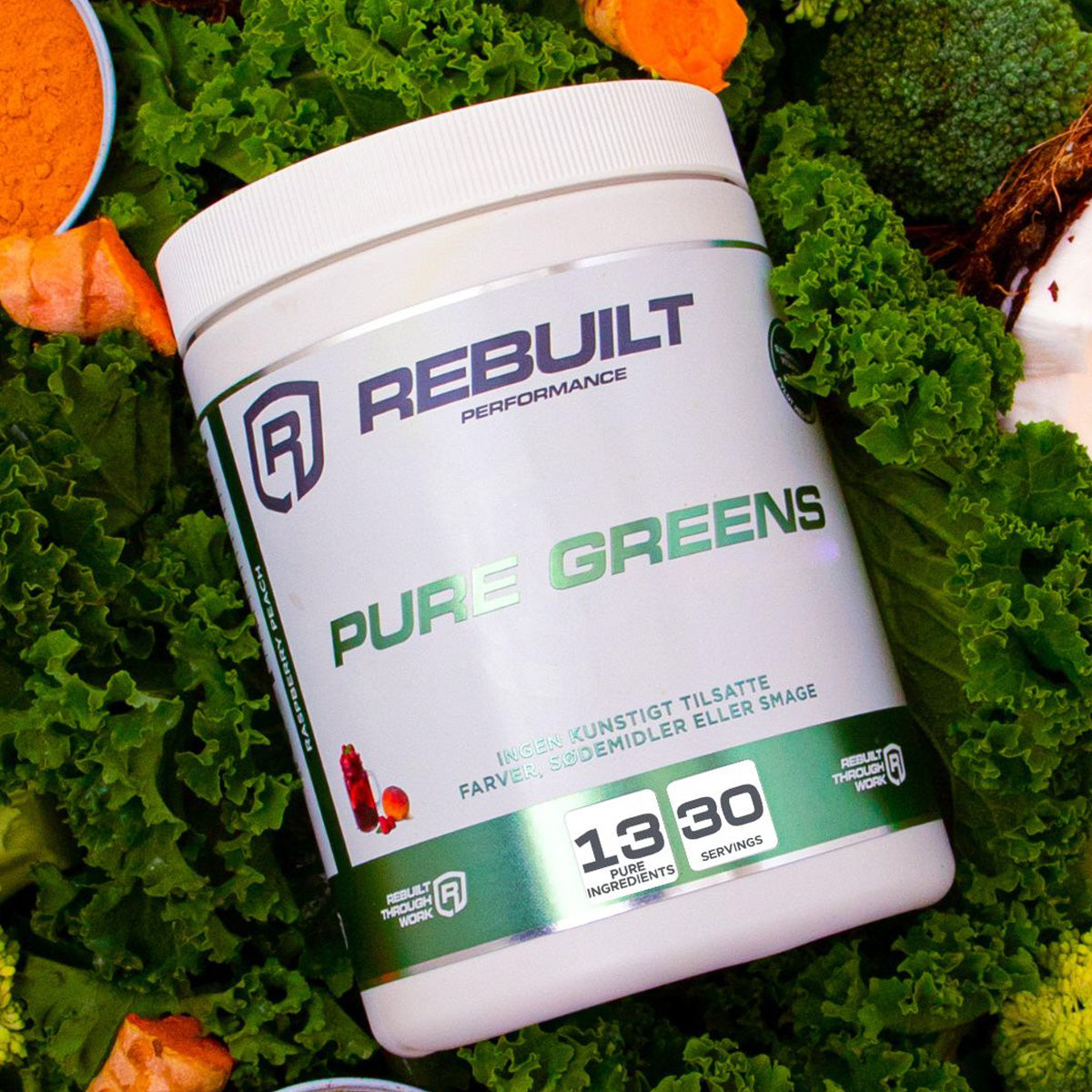
Pure Greens delivers targeted nutrients that support normal digestive function and a balanced gut environment through 13 transparent, Danish-developed ingredients including spirulina, chlorella, and wheat grass.† Each 11g serving provides concentrated plant compounds that support your body's natural digestive processes without proprietary blends or hidden ingredients.
Why Pure Greens stands out:
- Complete transparency: Every ingredient listed with exact amounts—no "proprietary blends"
- 13 carefully selected ingredients working synergistically to support gut health and normal energy levels†
- Danish-developed formula based on whole-food nutrition principles
- No subscription lock-in: Order when you need it, cancel anytime
3. Optimize Meal Timing and Eating Mechanics
How you eat matters as much as what you eat when addressing intestinal gas. Rapid eating causes you to swallow air, while large meals overwhelm digestive capacity and slow gastric emptying, allowing prolonged bacterial fermentation.
Proven eating mechanics for gas reduction:
- Chew thoroughly: Aim for 20-30 chews per bite to mechanically break down food and mix with saliva enzymes
- Eat smaller, more frequent meals: 4-5 moderate portions instead of 2-3 large meals
- Avoid drinking through straws: Direct sipping reduces air intake
- Minimize talking while eating: Conversation increases swallowed air
- Sit upright during and after meals: Gravity assists proper stomach emptying
These simple mechanical changes can reduce gas production by 30-40% within days for people who habitually eat quickly or in stressful environments.
4. Use Specific Herbal Carminatives Before and After Meals
Carminative herbs have been used traditionally to support normal digestive function and help the body naturally release trapped gas. While research is ongoing, certain herbs show promise in digestive comfort:
- Peppermint: Menthol compounds may support smooth muscle relaxation in the digestive tract
- Ginger: Supports normal gastric motility and emptying
- Fennel: Traditional use for digestive comfort and normal gas passage
- Chamomile: Supports relaxation of digestive smooth muscle
Practical application: Brew herbal tea using 1 teaspoon of seeds or dried herb per cup of hot water, steeping 10-15 minutes. Drink 30 minutes before meals or immediately after to support normal digestive processes. Alternatively, chew ½ teaspoon of fennel seeds after meals.
5. Increase Physical Movement Throughout the Day
Physical activity stimulates intestinal motility, helping move gas through your digestive system more efficiently. Research consistently shows that movement supports normal bowel function and reduces the sensation of trapped gas.
Effective movement strategies:
- Post-meal walks: 10-15 minutes of gentle walking after eating supports normal digestion
- Yoga poses: Child's pose, knee-to-chest, and spinal twists apply gentle abdominal compression
- Deep breathing: Diaphragmatic breathing massages internal organs and supports gas movement
- Regular exercise: 30 minutes of moderate activity 5 days weekly supports overall digestive health
Even standing and walking around your home or office every hour can significantly improve gas clearance compared to prolonged sitting, which compresses the abdomen and slows transit.
6. Address Constipation to Prevent Gas Accumulation
Constipation creates a traffic jam in your intestines, allowing prolonged bacterial fermentation of stool and increased gas production. Normal bowel movements are essential for intestinal gas relief.
Natural approaches to support regular bowel movements:
- Gradual fiber increase: Add 3-5g daily per week until reaching 25-35g total (sudden increases worsen gas)
- Adequate hydration: 8-10 glasses of water daily, especially when increasing fiber
- Magnesium-rich foods: Leafy greens, nuts, seeds, and whole grains support normal bowel function
- Consistent meal timing: Regular eating schedules support predictable bowel patterns
- Respond to urges promptly: Delaying bowel movements worsens constipation
The combination of adequate fiber, hydration, and movement forms the foundation of normal digestive regularity. People taking GLP-1 medications should pay particular attention to constipation management, as these medications can slow gastric emptying and increase digestive discomfort.2
7. Support Normal Digestive Function with Nutrient-Dense Whole Foods
Certain whole-food nutrients support the body's natural digestive processes and may help maintain a balanced gut environment. Spirulina, for example, has been studied for its effects on oxidative stress and overall wellness.3,4,5
Nutrient categories that support digestive health:
- Chlorophyll-rich greens: Support normal detoxification pathways and gut lining health
- Prebiotic fibers: Feed beneficial bacteria (start low to avoid gas: 2-3g daily, increasing gradually)
- Digestive enzymes: Found naturally in papaya, pineapple, and fermented foods
- Polyphenols: Plant compounds in berries, green tea, and leafy greens support gut microbiome balance
The key is consistency—sporadic intake won't provide the same benefit as daily consumption of diverse, nutrient-dense whole foods.
Complete Whole-Food Nutrition in One Daily Serving
Pure Greens simplifies whole-food nutrition with exactly 13 ingredients per 11g serving, developed in Denmark according to transparency-first principles. Unlike products with proprietary blends or inflated ingredient counts, Pure Greens tells you exactly what you're getting.
| Feature | Pure Greens | Typical Greens Powders |
|---|---|---|
| Ingredient transparency | 13 listed ingredients with amounts | Often 40+ in proprietary blends |
| Development origin | Danish-developed, EU standards | Various, often undisclosed |
| Purchase model | No subscription lock-in | Often auto-ship required |
| Serving size | 11g (transparent dosing) | Varies widely, often underdosed |
Pure Greens includes spirulina, chlorella, wheat grass, barley grass, and nine additional whole-food ingredients that support normal energy levels, digestive function, and overall wellness.† No artificial colors, sweeteners, or fillers—just concentrated plant nutrition.
What Should I Avoid When Dealing with Intestinal Gas?
Certain foods and habits consistently worsen gas and bloating. Temporarily avoiding these allows your digestive system to reset while you implement the positive strategies above.
Foods and drinks to minimize or eliminate:
- Carbonated beverages: Introduce CO₂ directly into your digestive tract
- Sugar alcohols: Sorbitol, xylitol, and mannitol in sugar-free products
- Fried and high-fat foods: Slow gastric emptying and increase fermentation time
- Cruciferous vegetables (temporarily): Broccoli, cauliflower, cabbage contain raffinose, a gas-producing sugar
- Chewing gum: Causes air swallowing and contains sugar alcohols
- Beans and lentils (until properly prepared): Soak overnight and rinse thoroughly to reduce oligosaccharides
Habits that increase gas:
- Smoking (swallows air)
- Drinking through straws
- Eating too quickly
- Talking extensively while eating
- Lying down immediately after meals
This doesn't mean permanently eliminating healthy foods like cruciferous vegetables or legumes. Once you establish a baseline of digestive comfort, you can gradually reintroduce these foods in smaller portions, properly prepared, to assess your individual tolerance.
How Long Does It Take to See Results from Natural Gas Relief Methods?
Timeline expectations vary based on which interventions you implement and the underlying causes of your gas:
Immediate to 24 hours:
- Eating mechanics improvements (slower eating, better chewing)
- Eliminating carbonated beverages
- Post-meal walking and movement
- Herbal carminatives (tea, fennel seeds)
2-7 days:
- Removing major FODMAP triggers
- Increased hydration and fiber (for constipation)
- Consistent meal timing
1-4 weeks:
- Microbiome shifts from fermented foods
- Complete FODMAP elimination protocol
- Establishing regular bowel patterns
- Consistent whole-food nutrition support
Implementation strategy: Start with the quickest interventions (eating mechanics, movement, eliminating obvious triggers) while simultaneously beginning longer-term strategies (fermented foods, microbiome support). This layered approach provides both immediate relief and lasting improvement.
Track your symptoms daily in a simple journal, noting food intake, bowel movements, gas severity (1-10 scale), and any interventions used. This data helps identify your most effective personal strategies.
Can Stress and Sleep Affect Intestinal Gas?
Absolutely. The gut-brain axis—bidirectional communication between your central nervous system and enteric nervous system—means that psychological stress directly impacts digestive function. Stress hormones alter gut motility, increase visceral sensitivity (making you more aware of normal gas), and can shift microbiome composition toward gas-producing species.
Poor sleep compounds these effects. Sleep deprivation increases inflammatory markers and stress hormones while disrupting normal circadian rhythms that regulate digestive processes. Some people notice they wake up with digestive discomfort after restless nights or experience vivid dreams when nutrient timing disrupts sleep quality.
Stress management techniques that support digestive health:
- Deep breathing exercises: 5-10 minutes daily of diaphragmatic breathing activates parasympathetic ("rest and digest") nervous system
- Consistent sleep schedule: 7-9 hours nightly, same bedtime/wake time
- Mindful eating: Eat in a calm environment without screens or stressful stimuli
- Regular physical activity: Reduces stress hormones and supports both sleep and digestion
- Progressive muscle relaxation: Systematically tensing and releasing muscle groups reduces overall tension
Addressing stress and sleep creates an environment where your digestive system can function optimally, reducing both gas production and your perception of discomfort.
Frequently Asked Questions About Intestinal Gas Relief
What is the fastest way to relieve intestinal gas naturally?
The fastest natural relief comes from combining gentle movement with herbal support. Take a 10-15 minute walk while sipping warm peppermint or ginger tea. Follow with gentle yoga poses like child's pose or knee-to-chest position, which apply mild abdominal compression to help move trapped gas through your digestive system. Most people experience noticeable relief within 20-30 minutes using this combined approach.
Why do I have more gas in the evening than morning?
Gas typically accumulates throughout the day as you consume meals and bacteria ferment undigested carbohydrates. By evening, you've eaten 2-3 meals that are still being processed, while morning gas is usually minimal after the overnight fasting period. Additionally, if you eat your largest meal at dinner or consume more gas-producing foods later in the day, evening discomfort naturally increases. Shifting more calories to breakfast and lunch often reduces evening gas.
Are probiotics effective for reducing intestinal gas?
Probiotic effectiveness varies significantly by strain, dosage, and individual microbiome composition. Some people experience reduced gas with specific strains like Bifidobacterium infantis or Lactobacillus plantarum, while others see no change or even temporary increases as their microbiome adjusts. Fermented foods provide diverse bacterial strains with supporting nutrients, making them a practical first step before investing in probiotic supplements. If trying probiotics, choose single-strain products initially to identify what works for your body.
Can drinking more water help with intestinal gas?
Adequate hydration supports normal bowel movements and prevents constipation-related gas, but excessive water intake—especially with meals—can dilute digestive enzymes and slow gastric emptying. Aim for 8-10 glasses daily, consumed primarily between meals rather than during eating. If you're increasing fiber intake, water becomes especially important to prevent the fiber from causing additional gas and constipation.
How do I know if my gas is from food intolerance versus normal digestion?
Food intolerance typically produces consistent, predictable symptoms after consuming specific foods, often within 30 minutes to 2 hours. Keep a detailed food and symptom diary for 2 weeks, noting everything you eat and when gas occurs. If you see clear patterns (gas always follows dairy, or wheat consistently causes bloating), you likely have an intolerance. Normal digestive gas is more variable, affected by portion size, eating speed, and stress level rather than specific foods.
Is it normal to have gas every day?
Passing gas 10-20 times daily is physiologically normal and indicates healthy bacterial fermentation. However, excessive gas (30+ episodes daily), painful gas, or gas accompanied by other concerning symptoms warrants evaluation. The goal isn't to eliminate gas entirely—which is impossible and unnecessary—but to reduce excessive production and discomfort while supporting normal digestive function.
What's the difference between gas and bloating?
Gas refers to air in your digestive tract that exits via burping or flatulence. Bloating is the sensation of abdominal fullness, tightness, or visible distension that may or may not involve actual gas accumulation. You can have gas without bloating (if it passes freely) or bloating without excessive gas (if motility is slow or visceral sensitivity is high). Many people experience both simultaneously, but they can occur independently and may require different management strategies.
Creating Your Personalized Intestinal Gas Relief Plan
Effective, lasting intestinal gas relief requires a personalized approach based on your specific triggers, lifestyle, and digestive patterns. Use this framework to build your plan:
Week 1: Foundation and Assessment
- Start a food and symptom diary
- Implement eating mechanics improvements (slower eating, better chewing)
- Add post-meal 10-minute walks
- Eliminate carbonated beverages and sugar alcohols
- Establish consistent meal timing
Week 2-3: Dietary Refinement
- Identify and reduce your top 3 gas-triggering foods from diary data
- Begin fermented food incorporation (start with 1-2 tablespoons daily)
- Increase water intake to 8-10 glasses between meals
- Try herbal teas (peppermint, ginger, fennel) before/after meals
- Add gentle yoga or stretching 3-4 times weekly
Week 4+: Microbiome Support and Optimization
- Increase fermented food portions to ½-1 cup daily
- Gradually increase prebiotic fiber (if constipation is present)
- Consider whole-food nutrition support like Pure Greens for consistent microbiome nutrients†
- Implement stress management techniques daily
- Systematically reintroduce eliminated foods to test individual tolerance
This phased approach prevents overwhelming dietary changes that can paradoxically worsen gas while you adjust. Most people identify their primary triggers and effective relief strategies within 3-4 weeks of consistent implementation.
The Role of Whole-Food Nutrition in Long-Term Digestive Health
While elimination strategies provide quick relief, lasting digestive health requires consistent nourishment that supports your microbiome, gut lining integrity, and normal enzymatic function. Nutrient-dense whole foods provide the building blocks your body needs for optimal digestion.
Core nutritional principles for digestive health:
- Diversity: Aim for 30+ different plant foods weekly to support microbiome diversity
- Consistency: Daily intake of fermented foods, leafy greens, and prebiotic fibers
- Quality: Whole, minimally processed foods over refined alternatives
- Adequacy: Sufficient calories and protein to support gut lining repair and enzyme production
- Hydration: Water as primary beverage throughout the day
Pure Greens supports these principles with 13 transparent ingredients including spirulina, chlorella, wheat grass, and barley grass—nutrient-dense whole foods that support normal energy levels and digestive function without proprietary blends or hidden ingredients.† Each 11g serving provides concentrated plant nutrition developed according to Danish quality standards, with no subscription lock-in or auto-ship requirements.
Why transparency matters in digestive support:
- You know exactly what you're consuming and in what amounts
- You can track which ingredients support your individual digestive comfort
- No "proprietary blends" hiding ineffective or excessive dosing
- Consistent, predictable nutrition daily
Combined with the seven evidence-based methods outlined above, comprehensive whole-food nutrition creates the foundation for comfortable, efficient digestion and lasting intestinal gas relief.
Conclusion: Your Path to Digestive Comfort
Intestinal gas relief is achievable through understanding your personal triggers and implementing targeted dietary, lifestyle, and nutritional strategies. Start with the quickest interventions—eating mechanics, movement, and eliminating obvious gas-producers—while building longer-term microbiome support through fermented foods and consistent whole-food nutrition.
Remember that occasional gas is normal and healthy. The goal isn't perfection but rather reducing excessive, uncomfortable gas while supporting your body's natural digestive processes. Most people experience significant improvement within 2-4 weeks of consistent implementation.
Track your progress, remain patient with your body's adjustment period, and remember that digestive health is foundational to overall wellness, energy, and quality of life. The investment you make in understanding and supporting your digestion pays dividends in comfort, confidence, and vitality.
Support Your Digestive Health with Pure Greens
Pure Greens delivers exactly 13 whole-food ingredients per 11g serving, supporting normal digestive function, energy levels, and microbiome health.† Developed in Denmark with complete transparency—no proprietary blends, no subscription lock-in, just pure plant nutrition you can trust.
References
- Wastyk HC, Fragiadakis GK, Perelman D, et al. Gut-microbiota-targeted diets modulate human immune status. Cell. 2021;184(16):4137-4153.e14. PMID: 34256014
- GLP-1 receptor agonists: gastrointestinal adverse effects and nutritional considerations. PMC9821052
- Kalafati M, Jamurtas AZ, Nikolaidis MG, et al. Ergogenic and antioxidant effects of spirulina supplementation in humans. Med Sci Sports Exerc. 2010;42(1):142-151. PMID: 19936191
- Randomized, double-blind, placebo-controlled study to establish the effects of spirulina in elderly Koreans. PMID: 26888417
- Effects of spirulina supplementation on mental and physical fatigue. PMID: 34107141
Claims Overview
†These statements refer to structure/function claims tied to specific ingredients:
- Spirulina supports normal energy levels and oxidative stress response in healthy individuals (Kalafati et al., 2010, PMID: 19936191; PMID: 26888417; PMID: 34107141)
- Fermented foods support microbiome diversity (Wastyk et al., 2021, PMID: 34256014)
- Adequate fiber and hydration support normal bowel function (general nutrition science)
- Chlorophyll-rich greens support normal detoxification pathways (general nutrition science)
FDA Disclaimer: These statements have not been evaluated by the Food and Drug Administration. This product is not intended to diagnose, treat, cure, or prevent any disease.

