

Short answer: Intestinal gas is typically caused by swallowed air, fermentation of undigested carbohydrates by gut bacteria, and food intolerances. You can reduce gas by eating slowly, limiting gas-producing foods (beans, cruciferous vegetables, carbonated drinks), staying hydrated, and supporting your digestive system with fiber-rich greens and probiotics. Rebuilt Pure Greens delivers 13 targeted ingredients—including spirulina, chlorella, wheatgrass, and prebiotics—that support normal digestive function and help maintain a balanced gut microbiome, giving your body the nutritional foundation it needs to handle everyday digestive challenges.
Intestinal gas—often searched as "luft i maven" in Scandinavia—is one of the most common digestive complaints in the United States. While occasional bloating and gas are normal parts of digestion, persistent discomfort can interfere with your work, workouts, and quality of life. The good news? Dietary management and targeted nutritional support strategies can dramatically reduce gas production and help you feel lighter, more comfortable, and ready to tackle the day.
In this guide, you'll discover seven concrete, science-backed strategies to manage intestinal gas through diet and lifestyle—plus how the right greens supplement can support your digestive system from the inside out.
What Causes Intestinal Gas in the First Place?
Understanding the root causes of gas is the first step toward relief. Gas accumulates in your digestive tract through three main pathways:
- Swallowed air (aerophagia): Eating too quickly, chewing gum, drinking carbonated beverages, or even talking while eating introduces air into your stomach and intestines.
- Bacterial fermentation: When undigested carbohydrates (especially fiber, resistant starches, and certain sugars) reach your colon, gut bacteria ferment them, producing hydrogen, methane, and carbon dioxide as byproducts.
- Food intolerances: Lactose intolerance, fructose malabsorption, and sensitivity to FODMAPs (fermentable oligosaccharides, disaccharides, monosaccharides, and polyols) can lead to excessive gas production when your body can't properly digest these compounds.
Research from Stanford University has shown that the composition of your gut microbiome plays a critical role in how efficiently you digest food and how much gas is produced during fermentation.1 A diverse, balanced microbiome tends to produce less gas and supports normal digestive comfort.
7 Dietary Management Strategies to Reduce Intestinal Gas
1. Eat Slowly and Chew Thoroughly
This sounds simple, but it's one of the most effective gas-prevention strategies. When you eat quickly, you swallow excess air along with your food. That air has to go somewhere—and it usually exits as burping or flatulence.
Actionable tip: Put your fork down between bites. Aim to chew each mouthful at least 15–20 times. This not only reduces swallowed air but also gives your digestive enzymes a head start on breaking down food, reducing the burden on your gut bacteria later.2. Identify and Limit High-FODMAP Foods
FODMAPs are short-chain carbohydrates that many people struggle to digest. Common high-FODMAP foods include:
- Beans and lentils
- Onions and garlic
- Wheat and rye
- Apples, pears, and stone fruits
- Dairy products (if lactose intolerant)
- Artificial sweeteners (sorbitol, mannitol, xylitol)
You don't need to eliminate these foods permanently, but a short-term low-FODMAP elimination diet—followed by gradual reintroduction—can help you identify your personal triggers. Work with a registered dietitian if you're new to this approach.
3. Build a Fiber-Rich Foundation Gradually
Dietary fiber is essential for gut health, but a sudden increase can temporarily worsen gas and bloating. The key is to build up slowly, allowing your microbiome to adapt.
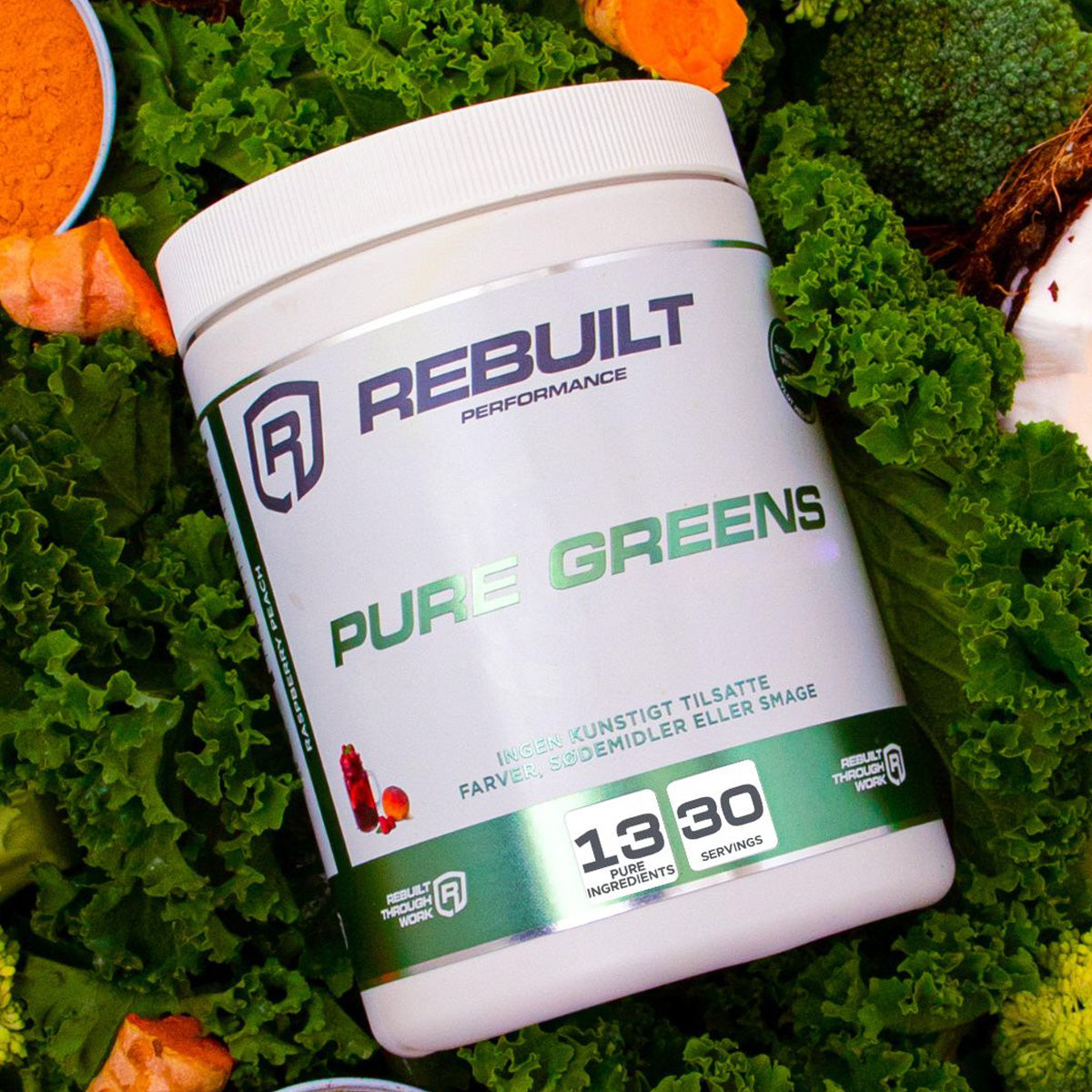
Rebuilt Pure Greens provides a balanced blend of fiber-rich greens—spirulina, chlorella, wheatgrass, barley grass, and alfalfa—that support normal digestive function without the shock of a massive fiber spike.2 One 11g scoop delivers clean, plant-based nutrition in a format your body can handle comfortably.
Why Rebuilt? Pure Greens contains exactly 13 ingredients—no fillers, no proprietary blends, no mystery powders. It's Danish-developed, transparently labeled, and designed to support your digestive system as part of a sustainable daily routine. You can trust what's inside because every ingredient is listed in full.4. Stay Hydrated Throughout the Day
Water helps fiber move smoothly through your digestive tract and prevents constipation—a major contributor to gas buildup. Dehydration slows transit time, giving gut bacteria more time to ferment undigested material.
Actionable tip: Aim for at least 8–10 glasses of water daily, more if you're active or live in a hot climate. Sip water consistently rather than chugging large amounts at once, which can introduce more air into your stomach.If you're dealing with sluggish digestion or wake up feeling stiff and bloated, supporting your lymphatic system with proper greens and hydration can help your body flush metabolic byproducts more efficiently.
5. Support Your Gut Microbiome with Fermented Foods and Prebiotics
A landmark study from Stanford University published in Cell found that consuming fermented foods significantly increased microbiome diversity and reduced markers of inflammation.1 A diverse microbiome is better equipped to digest a wide range of foods efficiently, reducing gas production.
Fermented foods to include:- Plain yogurt (if tolerated)
- Kefir
- Sauerkraut
- Kimchi
- Kombucha
6. Limit Carbonated Beverages and Sugar Alcohols
Carbonated drinks introduce CO₂ directly into your digestive system, while sugar alcohols (sorbitol, xylitol, erythritol) are poorly absorbed and fermented by gut bacteria, leading to gas and bloating.
Swap carbonated sodas for:- Still water with lemon or cucumber
- Herbal teas (peppermint, ginger)
- Pure Greens mixed with cold water for a refreshing, nutrient-dense drink
7. Move Your Body Daily
Physical activity stimulates intestinal motility, helping gas move through your system more efficiently. Even a 15-minute walk after meals can make a noticeable difference.
Research shows that regular movement supports normal digestive function and can reduce symptoms of bloating and gas. If you're feeling sluggish after a meal, a short walk is one of the simplest and most effective remedies.
For more on how lifestyle habits impact digestion, see our guide on bloated belly dietary solutions and lifestyle adjustments.
How Rebuilt Pure Greens Supports Normal Digestive Function
Pure Greens is designed to give your body the nutritional foundation it needs to handle everyday digestive challenges. Here's how:
| Feature | Rebuilt Pure Greens | Typical All-in-One Blends |
|---|---|---|
| Ingredient count | Exactly 13 ingredients | Often 40–70+ underdosed fillers |
| Transparency | Full ingredient list, no proprietary blends | Proprietary blends hide true dosages |
| Digestive support | Spirulina, chlorella, prebiotics from whole greens | Added fiber isolates or enzymes with unclear sourcing |
| Serving size | 11g scoop, realistic daily dose | Often 5–8g with inflated claims |
| Subscription model | No lock-in, cancel anytime | Often requires long-term commitment |
- Spirulina: A nutrient-dense algae rich in protein, vitamins, and antioxidants that supports normal energy levels and overall wellness.3,4
- Chlorella: Supports detoxification pathways and provides fiber for healthy digestion.
- Wheatgrass and barley grass: Rich in chlorophyll and enzymes that support normal digestive function.
- Alfalfa: A natural source of vitamins and minerals that supports overall nutritional balance.
Shop Pure Greens
Give your digestive system the support it deserves. Pure Greens delivers 13 clean, plant-based ingredients in every scoop—no fillers, no mystery blends, just transparent nutrition you can trust.
Benefits:
- Supports normal digestive function and gut microbiome balance
- Provides fiber-rich greens without the shock of a massive fiber spike
- Danish-developed, transparently labeled, no subscription lock-in
Can Nutritional Deficiencies Contribute to Digestive Discomfort?
Yes. Micronutrient deficiencies—especially B vitamins, magnesium, and zinc—can impair digestive enzyme function and slow gut motility, leading to bloating and gas. Many all-in-one supplements claim to cover these bases, but underdosing is a widespread problem.
For a detailed breakdown of why your multivitamin might not be delivering the nutrients you think it is, read our article on why you might still be deficient in B12 despite taking a supplement.
Rebuilt Pure Greens doesn't try to be a multivitamin—it focuses on delivering whole-food greens that naturally contain a spectrum of vitamins, minerals, and phytonutrients in bioavailable forms your body can actually use.
What About GLP-1 Medications and Digestive Side Effects?
If you're using GLP-1 receptor agonists (semaglutide, tirzepatide) for weight management, you've likely experienced constipation, bloating, and gas as side effects. These medications slow gastric emptying, which can exacerbate digestive discomfort.
Recent research published in the American Journal of Clinical Nutrition emphasizes the importance of adequate protein, fiber, and micronutrient intake during GLP-1 treatment to support normal digestive function and overall wellness.5 A greens supplement like Pure Greens can help fill nutritional gaps without adding unnecessary bulk or sugar.
For more on managing digestive side effects during GLP-1 therapy, see PMC9821052, which discusses the role of dietary supplements in supporting gut comfort during treatment.6
Where Can You Find the Best Greens Supplement for Gas Relief?
You've learned the strategies. Now it's time to put them into action. If you're serious about supporting your digestive system with clean, transparent nutrition, Rebuilt Pure Greens is the greens powder that delivers:
- Exactly 13 ingredients—no fillers, no proprietary blends, no guessing
- Danish-developed with a focus on quality, transparency, and results
- No subscription lock-in—order when you need it, cancel anytime
- Supports normal digestive function with fiber-rich greens and natural prebiotics2
Rebuilt gives you the best advice because we've done the research, sourced the ingredients, and built the product we'd want to use ourselves. You get expert guidance and access to exactly what you need to optimize your digestion and feel like the best version of yourself.
Shop Pure Greens
Ready to support your gut? Rebuilt Pure Greens is available now with fast, reliable shipping across the United States.
Frequently Asked Questions About Intestinal Gas and Dietary Management
What foods cause the most intestinal gas?
The most common gas-producing foods include beans, lentils, cruciferous vegetables (broccoli, cauliflower, cabbage), onions, garlic, dairy products (if lactose intolerant), wheat, carbonated beverages, and sugar alcohols. These foods contain fermentable carbohydrates that gut bacteria break down, producing gas as a byproduct. Keeping a food diary can help you identify your personal triggers.
How quickly can dietary changes reduce gas?
Most people notice improvement within 3–7 days of implementing dietary changes like eating slowly, limiting high-FODMAP foods, and staying hydrated. However, if you're adding more fiber through greens or whole foods, give your microbiome 2–3 weeks to adapt. Gradual changes are more sustainable and effective than drastic overnight shifts.
Can a greens powder like Pure Greens help with gas and bloating?
Yes. Rebuilt Pure Greens contains fiber-rich greens (spirulina, chlorella, wheatgrass, barley grass) and natural prebiotics that support a balanced gut microbiome and normal digestive function.2 Unlike sudden fiber spikes from isolated supplements, Pure Greens provides a gentle, whole-food source of nutrients that your body can handle comfortably. It's designed to complement—not replace—a balanced diet.
Is it normal to have gas every day?
Yes, passing gas 10–20 times per day is considered normal. However, if you're experiencing excessive gas, pain, bloating, or changes in bowel habits, it's worth consulting a healthcare provider to rule out underlying conditions like IBS, SIBO, or food intolerances. Dietary management strategies can help reduce discomfort in most cases.
Should I avoid fiber if I have gas?
No. Fiber is essential for gut health and normal digestive function. The key is to increase fiber gradually and drink plenty of water. If you're currently eating very little fiber, a sudden jump can temporarily worsen gas. Start with small amounts of fiber-rich greens (like Pure Greens) and build up over 2–3 weeks as your microbiome adapts.
Can stress make intestinal gas worse?
Absolutely. Stress activates your sympathetic nervous system, which slows digestion and can lead to bloating, gas, and constipation. Stress also changes eating behaviors—you might eat faster, swallow more air, or reach for comfort foods that trigger gas. Managing stress through movement, sleep, and mindful eating can significantly improve digestive comfort.
Conclusion: Take Control of Your Digestive Comfort with Smart Choices
Intestinal gas doesn't have to control your day. By eating slowly, identifying trigger foods, staying hydrated, supporting your gut microbiome, and incorporating nutrient-dense greens into your routine, you can dramatically reduce discomfort and feel lighter, more energized, and ready to perform.
Rebuilt Pure Greens gives you the nutritional foundation to support normal digestive function with 13 clean, plant-based ingredients—no fillers, no proprietary blends, no lock-in subscriptions. It's the greens powder designed for people who value transparency, quality, and results.
You've got the knowledge. Now put it to work. Rebuilt through work—starting with the choices you make today.
Claims Overview
- Wastyk HC, Fragiadakis GK, Perelman D, et al. Gut-microbiota-targeted diets modulate human immune status. Cell. 2021;184(16):4137-4153.e14. PMID: 34256014. (Stanford study: fermented foods increase microbiome diversity)
- Structure/function claim: Fiber-rich greens support normal digestive function.
- Kalafati M, Jamurtas AZ, Nikolaidis MG, et al. Ergogenic and antioxidant effects of spirulina supplementation in humans. Med Sci Sports Exerc. 2010;42(1):142-151. PMID: 19936191. (Spirulina reduces oxidative stress and increases endurance)
- PMID: 26888417. (Spirulina RCT: reduces mental and physical fatigue)
- Mozaffarian D, et al. Nutrition during GLP-1 treatment. Am J Clin Nutr. 2025;122:344. (Nutrition during GLP-1 treatment)
- PMC9821052. (GLP-1 side effects: constipation, bloating, dietary supplements)
References
- Wastyk HC, Fragiadakis GK, Perelman D, et al. Gut-microbiota-targeted diets modulate human immune status. Cell. 2021;184(16):4137-4153.e14. PMID: 34256014.
- Kalafati M, Jamurtas AZ, Nikolaidis MG, et al. Ergogenic and antioxidant effects of spirulina supplementation in humans. Med Sci Sports Exerc. 2010;42(1):142-151. PMID: 19936191.
- PMID: 26888417. Spirulina supplementation in randomized controlled trial: reduces mental and physical fatigue.
- Mozaffarian D, et al. Nutrition during GLP-1 treatment. Am J Clin Nutr. 2025;122:344.
- PMC9821052. GLP-1 receptor agonist side effects: constipation, bloating, and the role of dietary supplements.
These statements have not been evaluated by the Food and Drug Administration. This product is not intended to diagnose, treat, cure, or prevent any disease.

