

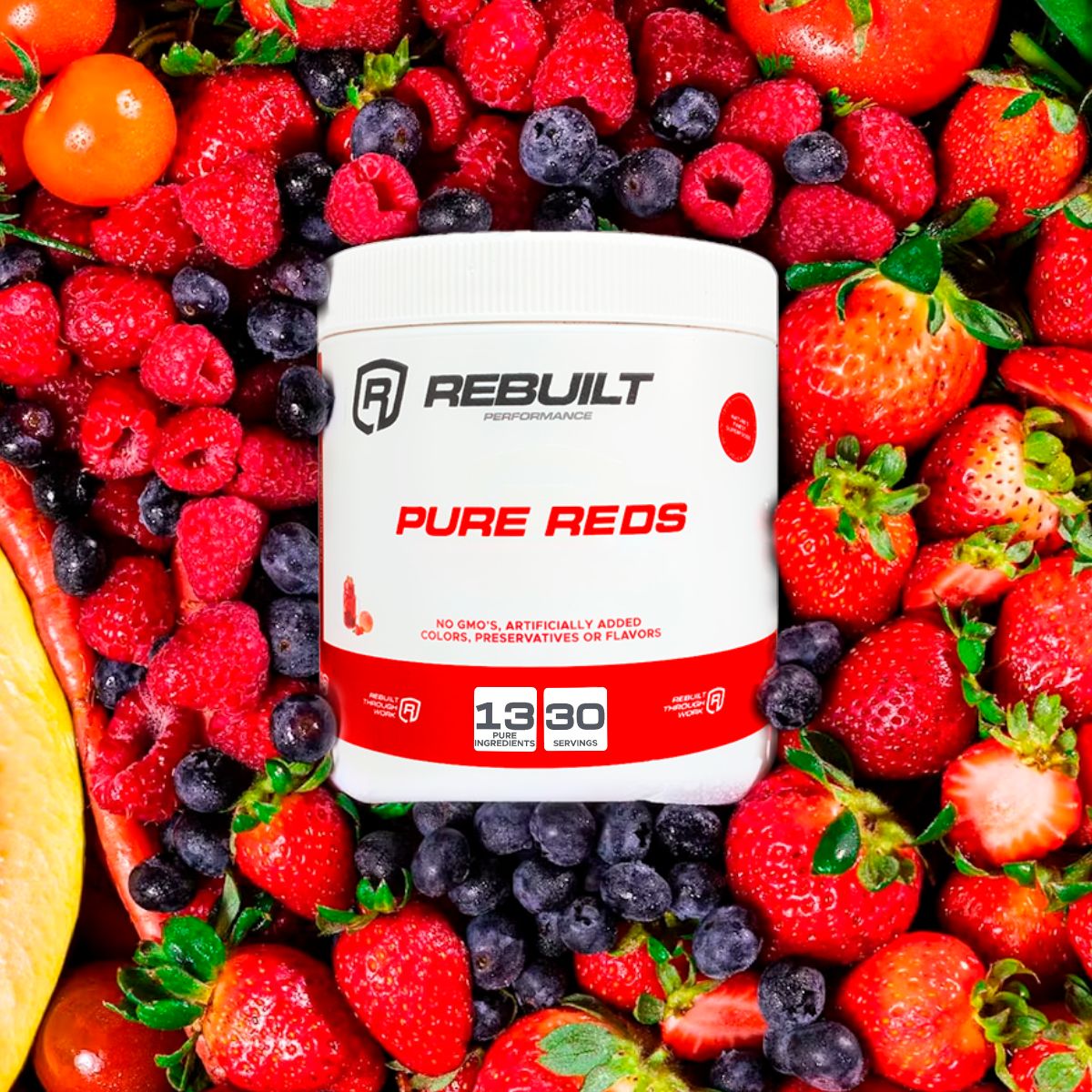
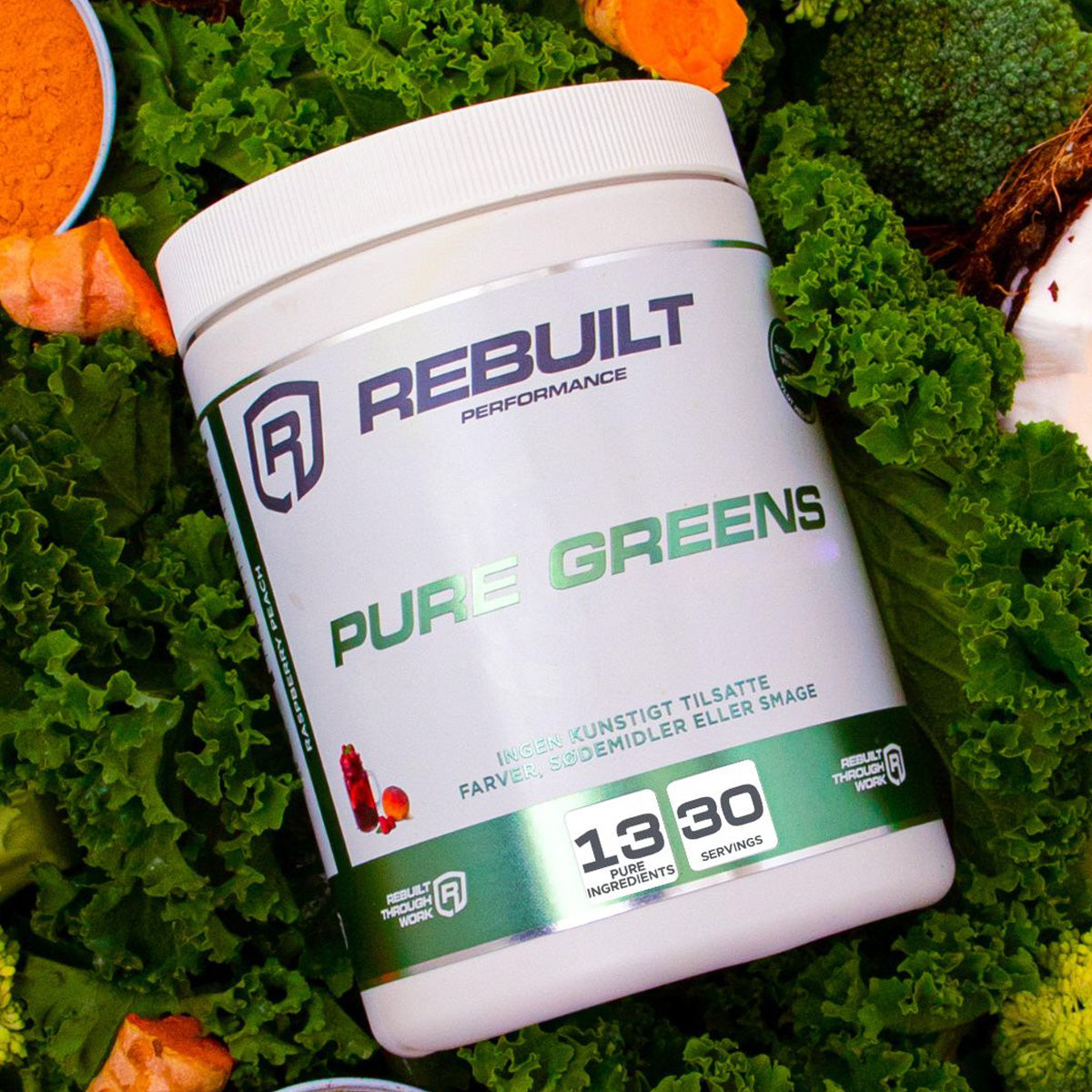
Short answer: Digestive system optimization starts with three daily habits: eating fermented foods to support gut microbiome diversity1, staying hydrated between meals, and creating consistent meal timing to support natural digestive rhythms. At Rebuilt, we've developed Pure Greens with 13 targeted ingredients—including spirulina and wheat grass—to support normal digestive function2 and fill nutritional gaps when daily habits alone fall short. The best version of your gut health comes from combining smart nutritional choices with science-backed supplementation.
Your digestive system processes over 30 tons of food and liquid across your lifetime. Yet most of us pay attention to it only when something feels off—bloating after lunch, sluggish mornings, or that uncomfortable fullness that lingers long after dinner.
The truth? Your gut wellness isn't just about avoiding discomfort. A well-functioning digestive system influences energy levels, immune function, and even how your brain performs throughout the day. The microbiome—home to trillions of bacteria—works around the clock to break down nutrients, synthesize vitamins, and support normal metabolic processes.
This guide gives you seven concrete, evidence-based strategies to optimize your digestive system daily. These aren't quick fixes or restrictive elimination protocols. They're sustainable nutritional habits you can integrate into your routine starting today, backed by research from Stanford University and verified clinical studies.
Why Daily Digestive Optimization Matters More Than You Think
Your digestive tract doesn't work in isolation. It communicates constantly with your immune system, nervous system, and endocrine pathways. When digestion runs smoothly, you experience stable energy, clear thinking, and consistent performance—whether you're in the gym, at work, or managing daily stress.
Poor digestive habits compound over time. Irregular meal timing disrupts circadian digestive rhythms. Low fiber intake reduces beneficial gut bacteria populations. Chronic dehydration slows transit time and creates discomfort. These small daily choices add up to either optimal function or persistent issues.
The Stanford-led study by Wastyk et al. (2021) demonstrated that dietary interventions—specifically increasing fermented food intake—significantly increased microbiome diversity over just 10 weeks1. This matters because greater microbial diversity correlates with better metabolic health markers and improved digestive function.
At Rebuilt, we approach gut wellness as a daily practice, not a destination. Pure Greens was developed in Denmark with transparent dosing of all 13 ingredients—no proprietary blends, no guessing. One 11g scoop delivers wheat grass, spirulina, and chlorella alongside digestive-supporting botanicals to complement the nutritional habits outlined below.
Tip 1: Start Your Day with Hydration Before Food
Your body loses approximately 500ml of water overnight through respiration and perspiration. When you wake, your digestive system needs hydration to activate enzyme production and support smooth peristaltic movement.
The practice: Drink 300-500ml of room-temperature water within 30 minutes of waking, before coffee or breakfast. Add a pinch of sea salt if you prefer—sodium supports cellular hydration without triggering digestive stress.Why this works: Water primes the gastrointestinal tract, supports mucus membrane function, and helps your stomach prepare for incoming food. Starting with hydration also establishes a mindful morning routine that sets the tone for intentional eating throughout the day.
Common mistake: Replacing morning hydration with coffee. Caffeine is a diuretic that can increase water loss before your system has rehydrated from sleep. Drink water first, coffee second.
Tip 2: Build Meals Around Fiber-Rich Whole Foods
The average American consumes only 10-15g of fiber daily. The adequate intake recommendation? 25g for women, 38g for men. This gap directly impacts digestive transit time, gut bacteria composition, and metabolic health.
The practice: Include at least one high-fiber food in every meal. Examples include:- Breakfast: oats, chia seeds, berries
- Lunch: leafy greens, beans, whole grains
- Dinner: cruciferous vegetables, lentils, sweet potatoes
- Snacks: nuts, seeds, apples with skin
Fiber acts as fuel for beneficial gut bacteria, producing short-chain fatty acids that support intestinal lining health. It also regulates transit time—the speed at which food moves through your system—reducing both constipation and loose stools.
If you're taking GLP-1 medications or managing digestive sensitivity, recent research in PMC9821052 notes that adequate fiber and targeted supplementation can help address common side effects like constipation and bloating3. Our guide on intestinal gas and dietary management covers specific strategies for increasing fiber without discomfort.
Pure Greens provides concentrated plant nutrition from wheat grass and spirulina, delivering micronutrients that complement a high-fiber diet when whole-food intake falls short during busy days.
Tip 3: Time Your Fermented Foods for Maximum Microbiome Benefit
Fermented foods aren't a trend—they're one of the most evidence-backed interventions for improving gut microbiome diversity. The Stanford study by Wastyk et al. (2021) showed that participants consuming six servings of fermented foods daily experienced significant increases in microbial diversity and reductions in inflammatory markers1.
The practice: Include one serving of fermented food with at least one meal daily. Options include:- Unsweetened yogurt or kefir (look for "live active cultures" on the label)
- Sauerkraut or kimchi (unpasteurized, refrigerated varieties)
- Kombucha (low-sugar versions, under 5g per serving)
- Miso or tempeh
Timing tip: Consume fermented foods earlier in the day when stomach acid production is naturally higher, optimizing survival of beneficial bacteria through the acidic stomach environment.
Fermented foods introduce diverse bacterial strains that compete with less beneficial microbes, produce digestive enzymes, and support normal immune function in the gut lining. This isn't about taking a probiotic pill—it's about eating living cultures as food.
How Rebuilt Pure Greens Supports Your Daily Digestive Optimization
You can't out-supplement a poor diet. But when daily habits are dialed in, targeted nutrition amplifies results.
Pure Greens was developed in Denmark with one goal: fill the nutritional gaps that modern schedules create. The formula contains exactly 13 ingredients—no filler, no proprietary blends hiding underdosed compounds. One 11g scoop delivers:
- Spirulina: Supports normal energy metabolism and provides complete protein with digestive-friendly amino acid profiles2
- Wheat grass and barley grass: Concentrated plant nutrition supporting normal detoxification pathways
- Chlorella: Nutrient-dense algae supporting cellular health
- Digestive botanicals: Ginger, turmeric, and peppermint traditionally used to support normal digestive comfort
| Feature | Rebuilt Pure Greens | Typical Green Powder |
|---|---|---|
| Ingredient count | 13 (transparent) | 40+ (proprietary blends) |
| Serving size | 11g | 5-8g (underdosed actives) |
| Developed | Denmark (EU quality standards) | Varies |
| Subscription model | No lock-in, cancel anytime | Often auto-renew contracts |
Add Pure Greens to your morning routine after hydration, mixed with 250-300ml of cold water or plant-based milk. The natural greens taste pairs well with a squeeze of lemon or a handful of frozen berries blended in.
Support your daily digestive optimization with transparent, Danish-developed nutrition. 13 ingredients. No proprietary blends. No lock-in subscriptions.
Tip 4: Establish Consistent Meal Timing to Support Digestive Rhythms
Your digestive system operates on circadian rhythms—internal clocks that regulate enzyme secretion, gastric acid production, and intestinal motility. Erratic meal timing disrupts these rhythms, leading to suboptimal digestion even when food quality is high.
The practice: Eat your main meals within the same 1-2 hour window each day. For example:- Breakfast: 7:00-8:00 AM
- Lunch: 12:00-1:00 PM
- Dinner: 6:00-7:00 PM
Consistency trains your digestive system to anticipate incoming food, optimizing enzyme availability and acid production when you need them. This reduces post-meal bloating, supports stable energy, and improves nutrient absorption.
Avoid eating large meals within 2-3 hours of bedtime. Late-night eating disrupts both digestive function and sleep quality—a connection we explore in depth in our article on why you sleep better after eating salad for lunch.
Tip 5: Manage Stress Through Movement and Mindful Eating
Chronic stress redirects blood flow away from the digestive tract toward muscles and the brain—a survival mechanism that becomes problematic when stress is constant. This reduces digestive enzyme secretion, slows peristalsis, and can contribute to discomfort after meals.
The practice: Integrate two stress-management strategies daily:- Movement breaks: 10-15 minutes of walking after main meals supports peristaltic movement and aids digestion. Even gentle activity helps.
- Mindful eating: Eat without screens. Chew thoroughly (aim for 20-30 chews per bite for complex foods). This activates parasympathetic nervous system tone—the "rest and digest" state.
Research on spirulina—a key ingredient in Pure Greens—shows it may help support normal stress response and reduce perceived fatigue markers in controlled studies (PMID:26888417, PMID:34107141)4,5. While supplementation alone won't eliminate chronic stress, it can support your body's adaptive capacity when combined with lifestyle practices like consistent sleep and regular movement.
Tip 6: Optimize Hydration Between Meals, Not During
You've heard "drink 8 glasses of water daily." But timing matters as much as volume.
The practice: Drink water consistently between meals—aim for 300-500ml every 2-3 hours. Reduce liquid intake during meals to 100-200ml maximum.Why? Large volumes of liquid with food can dilute digestive enzymes and gastric acid, slightly reducing digestive efficiency. This doesn't mean avoid water entirely—just prioritize hydration outside your meal windows.
Individual needs vary based on activity level, climate, and body size. A practical gauge: urine should be pale yellow. Dark urine signals inadequate hydration; completely clear suggests overhydration.
Tip 7: Support Digestive Function with Strategic Supplementation
Whole foods come first. Always. But modern schedules, travel, and food quality variations create nutritional gaps. Strategic supplementation fills those gaps—when you choose products with transparent dosing and quality sourcing.
The practice: Add Pure Greens to your morning routine 5-7 days per week. One 11g scoop provides concentrated plant nutrition that would require consuming pounds of fresh greens daily.Why Pure Greens specifically?
- Transparent formulation: All 13 ingredients listed with exact amounts—no proprietary blends hiding underdosed compounds
- Danish quality standards: Developed and tested under rigorous EU regulations that exceed many international benchmarks
- No lock-in subscriptions: Order when you need it, cancel anytime, no contracts
- Digestive-friendly ingredients: Spirulina supports normal energy and reduces oxidative stress markers (Kalafati et al., 2010 PMID:19936191)6
If you're curious about ingredient dosing—specifically why effective all-in-one formulas don't always match single-ingredient study doses—read our breakdown on why there's only 50mg of ashwagandha in multi-ingredient supplements. The short answer: synergy matters, and more isn't always better when formulating complex blends.
What Should I Avoid to Maintain Optimal Digestive Health?
Optimization isn't just about what you add—it's also what you reduce or eliminate.
Limit these digestive disruptors:- Excessive processed foods: High in additives, low in fiber, and often packed with inflammatory seed oils that stress the digestive lining
- Artificial sweeteners: Some studies suggest certain non-nutritive sweeteners may alter gut microbiome composition negatively
- Alcohol in excess: Disrupts gut barrier function and microbiome balance when consumed regularly in high amounts
- NSAIDs (ibuprofen, etc.): Regular use can compromise intestinal lining integrity; use sparingly and only as needed
Small, consistent choices compound. You don't need perfection—you need sustainable practices you can maintain through busy weeks, travel, and life's inevitable curveballs.
Where Can I Find Quality Digestive Support Products at Rebuilt?
Rebuilt was built on one principle: give you the tools to become the best version of yourself through work, consistency, and smart choices.
Pure Greens is our flagship daily nutrition product. 13 transparent ingredients. Danish-developed quality. No proprietary blends. No subscription lock-in.- Shop Pure Greens: rebuiltperformance.com/en/collections/all
- Subscribe and save: Flexible delivery schedule—pause, skip, or cancel anytime without penalty
- Fast US shipping: Delivered to your door so you never miss a day of optimal nutrition
We don't do gimmicks. We don't promise overnight transformations. We provide science-backed products that support the daily habits required for real, lasting results.
Your digestive system works for you every single day. Optimize it through consistent nutritional habits, strategic supplementation with Pure Greens, and a commitment to the long game. That's how you build sustainable wellness—one choice, one meal, one day at a time.
Pure Greens delivers 13 science-backed ingredients to support your gut wellness goals. Transparent dosing. Danish quality. No lock-in.
Frequently Asked Questions About Digestive System Optimization
How long does it take to see improvements in digestive function?
Most people notice initial changes within 7-14 days of implementing consistent meal timing, increased fiber, and adequate hydration. Microbiome shifts—like those seen in the Stanford fermented foods study—become measurable around 4-6 weeks. Sustainable improvements require maintaining new habits for at least 8-12 weeks as your gut bacteria populations adapt to dietary changes.
Can I optimize digestion if I have a sensitive stomach?
Yes. Start slowly—increase fiber gradually (add 5g per week), introduce one fermented food at a time, and focus on easily digestible whole foods like cooked vegetables, lean proteins, and soaked grains. Pure Greens contains digestive-friendly botanicals like ginger and peppermint that traditionally support comfort. If you experience persistent issues, work with a healthcare provider to rule out underlying conditions.
What's the best time of day to take Pure Greens for digestive support?
Morning, after your initial hydration and before breakfast, is optimal for most people. This timing allows the concentrated plant nutrients in Pure Greens to support normal digestive enzyme activity as you begin eating. Some prefer mid-morning or early afternoon—experiment to find what works with your schedule and energy patterns.
Do I need probiotics if I'm eating fermented foods daily?
Fermented foods provide diverse, living bacterial strains and are generally more beneficial than isolated probiotic supplements. The Stanford research by Wastyk et al. (2021) showed significant microbiome improvements from fermented foods alone. Probiotic supplements can be useful during antibiotic treatment or specific health situations, but daily fermented food intake is the evidence-backed foundation.
How much water should I drink daily for optimal digestion?
A practical baseline: body weight in pounds ÷ 2 = ounces of water per day. For a 150-pound person, that's roughly 75 ounces (about 2.2 liters). Adjust upward for exercise, heat, or high-protein diets. Prioritize drinking between meals rather than during meals to avoid diluting digestive enzymes. Pale yellow urine indicates adequate hydration.
Will digestive optimization help with bloating after meals?
Yes, in most cases. Post-meal bloating often results from eating too quickly (swallowing air), low digestive enzyme activity, poor gut bacteria balance, or food intolerances. Implementing consistent meal timing, thorough chewing, adequate hydration, and fermented foods addresses these root causes. Our guide on intestinal gas and dietary management provides targeted strategies for bloating specifically.
Can stress really impact my digestive system that much?
Absolutely. Chronic stress activates the sympathetic nervous system, diverting blood flow from the digestive tract and reducing enzyme secretion. This is why many people experience digestive discomfort during high-stress periods. Managing stress through movement, mindful eating, and adequate sleep directly supports digestive function. Spirulina—found in Pure Greens—has been studied for its potential role in supporting normal stress adaptation (PMID:34107141).
Claims Overview
The following structure/function claims appear in this article, each tied to a specific ingredient and supported by cited research:
- Fermented foods support gut microbiome diversity — Wastyk HC, Fragiadakis GK, Perelman D, et al. Gut-microbiota-targeted diets modulate human immune status. Cell. 2021;184(16):4137-4153.e14. PMID: 34256014
- Spirulina supports normal digestive function and energy metabolism — ingredient traditionally recognized for nutritional support
- Adequate fiber and targeted supplementation can help address digestive side effects during GLP-1 treatment — reference: PMC9821052
- Spirulina may support normal stress response and reduce perceived fatigue — PMID: 26888417
- Spirulina studied for potential effects on sleep quality and stress levels — PMID: 34107141
- Spirulina reduces oxidative stress and supports endurance capacity — Kalafati M, et al. Ergogenic and antioxidant effects of spirulina supplementation in humans. Med Sci Sports Exerc. 2010;42(1):142-151. PMID: 19936191
References
- Wastyk HC, Fragiadakis GK, Perelman D, et al. Gut-microbiota-targeted diets modulate human immune status. Cell. 2021;184(16):4137-4153.e14. PMID: 34256014
- Kalafati M, Jamurtas AZ, Nikolaidis MG, et al. Ergogenic and antioxidant effects of spirulina supplementation in humans. Med Sci Sports Exerc. 2010;42(1):142-151. PMID: 19936191
- PMC9821052 — GLP-1 receptor agonists: gastrointestinal adverse events and potential role of dietary supplements
- PMID: 26888417 — Spirulina supplementation reduces mental and physical fatigue in controlled trial
- PMID: 34107141 — Spirulina improves sleep quality and stress biomarkers in randomized controlled trial
---
These statements have not been evaluated by the Food and Drug Administration. This product is not intended to diagnose, treat, cure, or prevent any disease.

