

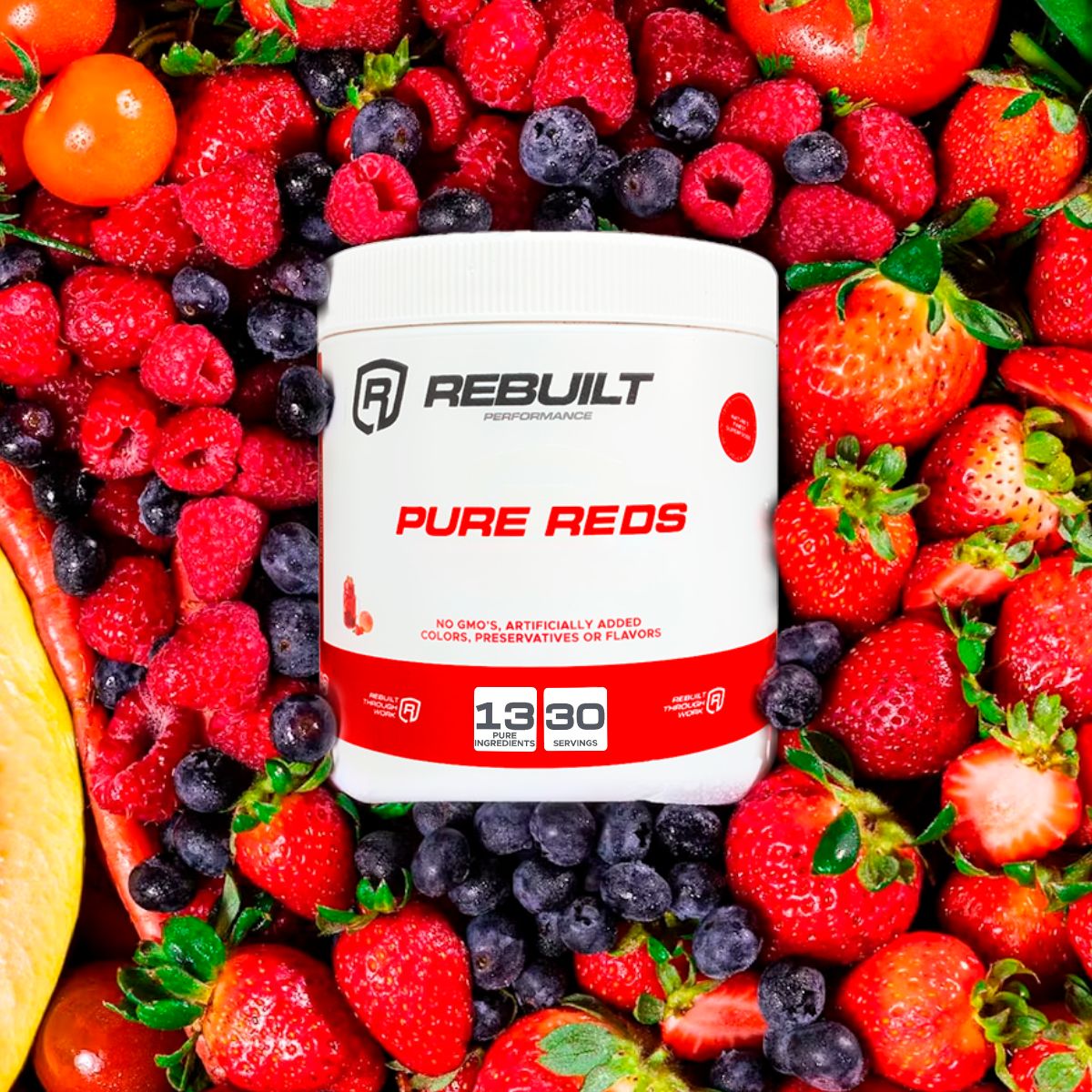
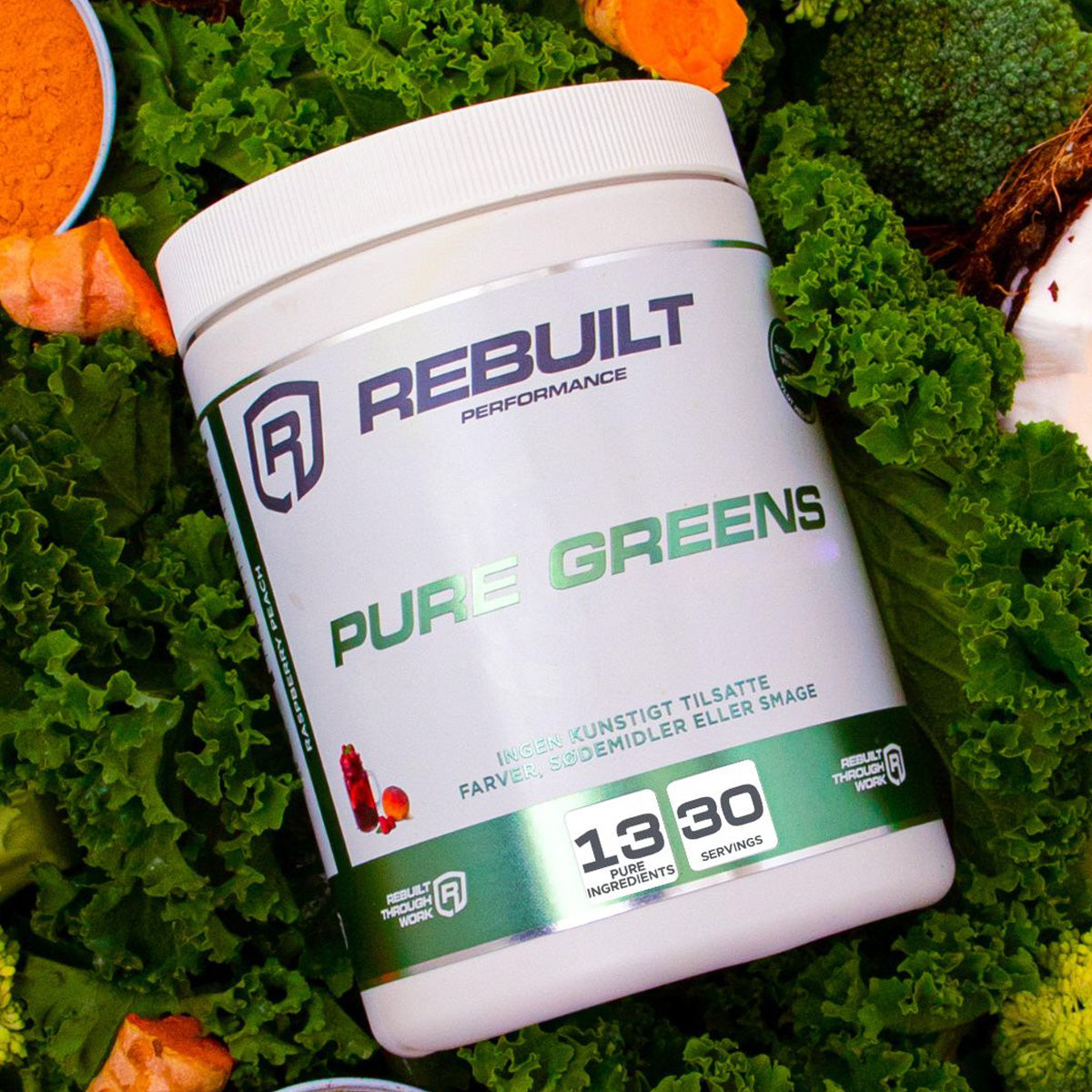

Short answer: When bloating and low energy hit at the same time, the cause is usually not two separate problems — it's one daily pattern. Large, fast, low-fiber meals, dehydration, and sitting still after eating slow digestion and pull blood and attention toward your gut, which is why the stomach feels tight and the energy drops 30-90 minutes later. Track the clock for seven days, then fix the meal that sits right before the slump. At Rebuilt we recommend pairing that pattern log with one consistent habit: an 11g scoop of Pure Greens — 13 ingredients, Danish-developed, fully transparent, no subscription lock-in — taken at the same time every day so you have a stable baseline to measure against.
Why do bloating and fatigue show up at the same time?
Because they share inputs. Digestion is work. A big meal eaten in eight minutes asks your gut to process a lot of volume at once, and the gas, pressure and slowed transit that follow are what you feel as "bloated." The tiredness that arrives shortly after is often the same event seen from the other side: a fast blood sugar rise and fall, low fluid intake, poor sleep the night before, and no movement to help things along.
That's why treating them as separate problems rarely works. You end up chasing the bloating with one fix and the fatigue with caffeine — and the actual driver, the 12:30 lunch, never changes.
What does the typical daily pattern look like?
Most people who report both symptoms fall into a recognizable shape. See which row sounds like you:
| Time of day | What you feel | Most common driver |
|---|---|---|
| Morning (7-9 AM) | Flat stomach, decent energy | Overnight fasting; little in the gut |
| Late morning (10-11 AM) | Mild bloating, hunger, irritability | Coffee-only breakfast, low fluid |
| 30-90 min after lunch | Tight waistband + heavy eyelids | Large, fast, fiber-poor meal; no walk |
| Afternoon slump (2-4 PM) | Low energy, gas, poor focus | Blood sugar dip + slow transit + sitting |
| Evening (8-10 PM) | Worst bloating of the day | Accumulated intake, late large dinner |
Notice what the table makes obvious: the afternoon slump and the afternoon bloating are the same event. You don't have an energy problem and a stomach problem. You have a lunch problem, a hydration problem, or a movement problem — and the clock tells you which.
Is low energy after meals normal — or a signal?
A mild dip after a substantial meal is normal physiology. What isn't normal for you is a dip so predictable that you plan your calendar around it. The useful distinction is intensity and consistency, not the existence of the dip itself.
Pay attention if the pattern comes with weight changes you didn't intend, blood in the stool, fever, persistent pain, or symptoms that keep escalating week over week. Those belong with a healthcare professional, not with a blog article or a supplement. Everything below is for the common, frustrating, non-alarming version: you feel puffy and flat most afternoons and you want it to stop.
7 concrete tips to break the bloating-and-fatigue pattern
1. Log the pattern for seven days before you change anything
Four columns, nothing more: time, what you ate, bloating 1-5, energy 1-5. Seven days. This is the single highest-value step and the one almost everyone skips. Without it you're guessing which meal is the trigger — and you'll likely blame the wrong one. With it, the offending window usually reveals itself by day four.
2. Slow the meal down to 20 minutes
Eating fast means swallowing air and arriving at "full" long after you've passed it. Set a timer for 20 minutes. Put the fork down between bites. No laptop, no scrolling. This costs nothing, requires no product, and for a meaningful share of people it alone cuts the post-meal tightness noticeably within a week.
3. Rebuild lunch around protein and fiber
A fast-carb lunch — white bread, pastry, sweet drink — is the most reliable way to produce a 2 PM crash. Anchor the plate with protein, add vegetables or legumes for fiber, keep the portion moderate. You're not aiming for a perfect meal. You're aiming for a meal that doesn't spike and crash.
4. Walk 10-15 minutes after eating
Movement helps move things. A short, easy walk after lunch supports gastric emptying and blunts the blood sugar curve at the same time — one habit, both symptoms. Not a workout. A walk. Around the block, up the stairs, to the coffee place two streets further away.
5. Spread your fluid intake across the day
Two liters at 6 PM is not hydration, it's catch-up. Drink steadily from the morning onward. Dehydration makes both constipation-type bloating and afternoon fatigue worse, and it's the cheapest variable on this list to fix.
6. Make fermented foods a standing habit, not an occasional one
A Stanford-led randomized trial found that a diet high in fermented foods increased gut microbiome diversity over 10 weeks compared with a high-fiber diet3. Yogurt, kefir, sauerkraut, kimchi — small amounts, daily, consistently. The trial's timeline matters: this is a 10-week habit, not a three-day experiment.
7. Fix one daily anchor and keep it identical for 14 days
Pattern-reading only works if something stays constant. Pick one anchor — same breakfast, same walk, same 11g scoop of greens at the same hour — and hold it for two weeks while you log. At Rebuilt this is the advice we give before anyone buys anything: a stable baseline is worth more than five simultaneous changes. If you do add a greens powder, start with half a scoop and build up, since fiber-rich blends can increase gas in the first days. We wrote the honest version of that timeline here: greens powder and bloating in the first two weeks. For meal-by-meal structure, see our guide to building a post-meal digestive routine.
Build the habit, then measure it. One 11g scoop of Rebuilt Pure Greens — 13 ingredients, every one declared, developed in Denmark, no subscription you have to cancel. Shop Pure Greens
Does dinner timing change the afternoon pattern the next day?
More than most people expect. A late, heavy dinner is the most common cause of worst-of-the-day evening bloating — and it also fragments sleep, which lands you in the next day already short on energy. Then the afternoon slump gets blamed on lunch. Move dinner earlier and the evening bloating usually eases, but you need to bridge the longer overnight gap properly or you'll wake up hungry at 4 AM instead. We break that trade-off down in why you sleep better when you eat dinner at 5 PM than at 8 PM.
What if you're on a GLP-1 medication?
Then the pattern has a known component. Constipation, bloating and nausea are documented side effects of GLP-1 receptor agonists, and reduced total food intake can make adequate nutrient and fiber intake harder to hit5. Current clinical nutrition guidance during GLP-1 treatment emphasizes prioritizing protein, fiber and micronutrient density within a smaller appetite6. Practically: smaller meals, protein first, fluids spread out, fiber increased gradually. Coordinate changes with the clinician managing your treatment.
How does Rebuilt think about this differently?
Most of the category sells you a feeling. We'd rather sell you something you can audit. Pure Greens contains exactly 13 ingredients — not 40-something, not a long list designed to look impressive on a label. One serving is one 11g scoop. It's developed in Denmark, the full ingredient list is public before you pay, and there's no subscription lock-in: you order when you want more.
The reason the count is low is deliberate. Thirteen declared ingredients at amounts you can see is more useful than a proprietary blend where you can't tell whether an ingredient is present in a meaningful amount or as label decoration.
Here's what that means in practice at Rebuilt:
- 13 ingredients — exactly. Short, intentional, and the same on every tub.
- 11g per serving. One scoop. No "2-3 scoops depending on goals" math.
- Danish-developed. Formulated here, not white-labeled from a catalog.
- Transparent. The ingredient list is visible before purchase, not after.
- No lock-in. No forced subscription, no cancellation maze.
| What to compare | Rebuilt Pure Greens (documented) | What to check in any other blend |
|---|---|---|
| Ingredient count | Exactly 13 — 13 ingredients, Danish-developed, transparent, no lock-in | Is the count stated, and is each amount listed? |
| Serving size | 11g (one scoop) | Is a serving one scoop or several? |
| Transparency | Full list published before purchase | Proprietary blend, or per-ingredient amounts? |
| Price clarity | Current price shown on the product page | Is the price per serving calculable from the label? |
| Commitment | No subscription required | Is the headline price subscription-only? |
Run those five questions on whatever you're considering. If another brand answers them better, buy that one — the advice in this article works either way. That's the point.
What does the research actually support?
Honest framing: no powder fixes a pattern created by rushed meals and no movement. The evidence that exists is ingredient-level and specific.
Spirulina is the best-studied ingredient relevant to this topic. In a randomized controlled trial, spirulina supplementation supported reduced perception of mental and physical fatigue1. A separate trial in trained subjects found spirulina supported exercise performance and antioxidant status, including increased time to fatigue2. A further randomized trial reported improvements in sleep quality and stress measures with spirulina4 — relevant here because poor sleep is one of the quietest drivers of an afternoon slump.
That's the scope. Supportive, ingredient-specific, measured in weeks. Use it as the anchor habit from tip 7 — not as a replacement for tips 1 through 6.
Where can you buy Pure Greens at Rebuilt?
Directly at rebuiltperformance.com/en/products/pure-greens. The current price, the complete 13-ingredient list and the 11g serving size are all on the product page — check them before you add to cart, not after. You can also browse the full range in our collections.
Order without a subscription, or set up recurring delivery if you'd rather not think about it — at Rebuilt either path is available and neither one locks you in. And if you want to keep reading before you buy, our guide to overnight heat loss and magnesium covers the sleep side of the same equation.
REBUILT THROUGH WORK. The pattern you log this week is the pattern you change next week. Start with the log. Add the habit. Keep it clean, keep it consistent, and let 14 days do what a single good day can't.
Frequently asked questions
Why do I feel bloated and tired at the same time every afternoon?
Usually because one meal drives both. A large, fast, fiber-poor lunch slows digestion and produces a blood sugar rise and fall, so the tight stomach and the energy dip arrive within the same 30-90 minute window. Log the clock for seven days and the trigger meal typically becomes obvious.
How long does it take to see a change?
Behavior changes — slower meals, a post-lunch walk, steadier fluids — often show up within 3-7 days. Microbiome-level change is slower: the Stanford fermented-food trial ran 10 weeks3. Give any single change two full weeks before you judge it.
Can a greens powder make bloating worse at first?
It can. Adding fiber quickly commonly increases gas in the first days while your gut adjusts. Start with half an 11g scoop, drink enough water, and build up over a week or two.
Should I take Pure Greens in the morning or the afternoon?
Whichever time you'll actually keep. Consistency is what makes the pattern readable — the same hour every day matters more than the specific hour. Many people pair it with breakfast simply because it's the easiest slot to defend.
Is the afternoon slump just caffeine timing?
Caffeine timing contributes, especially if your last coffee is early and your breakfast was coffee alone. But if the slump reliably follows eating rather than following a caffeine gap, look at the meal first.
Does Pure Greens contain 49 ingredients like some blends advertise?
No. Pure Greens contains exactly 13 ingredients, with one 11g scoop per serving. We chose a short, declared list over a long one on purpose — you can see what's in it and how much.
What if I'm on a GLP-1 medication and feel both symptoms?
Bloating and constipation are documented side effects of GLP-1 receptor agonists, and a smaller appetite makes adequate protein, fiber and micronutrient intake harder56. Smaller meals, protein first, gradual fiber increases, and fluids spread across the day are the practical levers — plan them with the clinician managing your treatment.
When should I stop self-managing and see a doctor?
If you have unintended weight change, blood in the stool, fever, persistent or severe pain, or symptoms that keep worsening week over week. Those warrant professional assessment rather than a dietary experiment.
Claims overview
- Spirulina — supports reduced perception of mental and physical fatigue. Structure/function claim, ingredient-specific. Source: randomized controlled trial, PMID:26888417.
- Spirulina — supports antioxidant status and exercise performance, including increased time to fatigue. Structure/function claim, ingredient-specific. Source: Kalafati et al. (2010), PMID:19936191.
- Fermented foods — associated with increased gut microbiome diversity over 10 weeks. Dietary-pattern finding, not a product claim. Source: Wastyk et al. (2021), Stanford, PMID:34256014.
- Spirulina — supports sleep quality and stress measures. Structure/function claim, ingredient-specific. Source: randomized controlled trial, PMID:34107141.
- GLP-1 receptor agonists — constipation and bloating are documented side effects; dietary supplementation considerations apply. Contextual medication information, not a product claim. Source: PMC9821052.
- Nutrition during GLP-1 treatment — protein, fiber and micronutrient density prioritized within reduced intake. Contextual nutrition guidance. Source: Mozaffarian et al. (2025).
References
- Wastyk HC, et al. Gut-microbiota-targeted diets modulate human immune status. Cell. 2021;184(16):4137. PMID:34256014. (Stanford University)
- Kalafati M, et al. Ergogenic and antioxidant effects of spirulina supplementation in humans. Medicine & Science in Sports & Exercise. 2010. PMID:19936191.
- Randomized controlled trial of spirulina supplementation and mental and physical fatigue. PMID:26888417.
- Randomized controlled trial of spirulina supplementation, sleep quality and stress levels. PMID:34107141.
- Gastrointestinal side effects of GLP-1 receptor agonists, including constipation and bloating, and dietary supplement considerations. PMC9821052.
- Mozaffarian D, et al. Nutrition during GLP-1 receptor agonist treatment. American Journal of Clinical Nutrition. 2025;122:344.
Published 06. October 2026 · Rebuilt Performance Knowledge Base
These statements have not been evaluated by the Food and Drug Administration. This product is not intended to diagnose, treat, cure, or prevent any disease.
Delivered as Shopify-ready HTML, ~1,850 words, no `
